
NEW YORK — In a notable career evolution bridging artistic performance and systemic arts advocacy, acclaimed American baritone Brian James Myer has officially joined the executive staff of the American Guild of Musical Artists (AGMA) as an Assistant Regional Director and the designated staff liaison for the New York area.
The appointment marks a significant milestone for the labor organization representing thousands of artists, dancers, singers, and stage managers across the United States. For Myer, who has spent over a decade establishing himself as a versatile and reliable presence on regional opera stages and concert platforms nationwide, the transition represents a deliberate pivot toward empowering his peers from within the structural framework of organized labor.
This comprehensive report examines the background of the appointment, the state of labor advocacy within the contemporary classical music and opera landscape, the career trajectory of Brian James Myer, and the broader implications of performers stepping into administrative and union leadership roles.
Executive Overview
The intersection of artistic performance and labor rights has faced unprecedented challenges over the past half-decade. From the seismic disruptions of the global COVID-19 pandemic to ongoing financial pressures confronting regional opera houses, ballet companies, and choral organizations, arts workers have had to navigate an increasingly volatile economic landscape. In response, labor unions representing cultural workers have experienced a surge in organizational activity, contract renegotiations focused on health and safety, and heightened demands for equitable compensation.
It is within this high-stakes environment that AGMA has moved to bolster its administrative and regional capabilities. By appointing an active, working artist to the role of Assistant Regional Director, the union secures a vital bridge between executive advocacy and the lived, daily realities of its membership. Myer’s appointment is not merely an administrative hiring; it is a strategic alignment of frontline experience with union stewardship.
As the staff liaison for the New York area—a dense, high-impact ecosystem comprising major institutions, freelance artists, and rigorous production schedules—Myer will be tasked with contract enforcement, grievance resolution, collective bargaining support, and organizing initiatives. Crucially, Myer has confirmed that he will maintain his performance career, ensuring that his perspective as a working baritone remains current and unclouded by distance from the stage.
Detailed Chronology: From the Practice Room to the Union Hall
To understand the weight of Brian James Myer’s appointment, one must examine the dual trajectory of his professional life: his development as a lyric baritone of note and his parallel engagement with the institutional structures that govern the performing arts.
Early Foundations and Artistic Training
Myer’s journey in the classical music world followed the traditional, rigorous path of the modern American singer. Possessing a warm, agile baritone voice coupled with strong comedic timing and dramatic versatility, Myer steadily built a reputation as a dependable artist capable of navigating standard operatic repertoire as well as contemporary and art song literature.
Throughout his training and early professional engagements, Myer developed a reputation not only for musicality but for collegiality. In the tightly knit world of regional opera, where artists frequently encounter the same colleagues across multiple productions and geographic locations, interpersonal dynamics and institutional awareness are paramount. Colleagues frequently noted Myer’s attentiveness to production conditions, safety standards, and equitable treatment among cast and crew members—early indicators of an aptitude for advocacy.
The Professional Performance Career
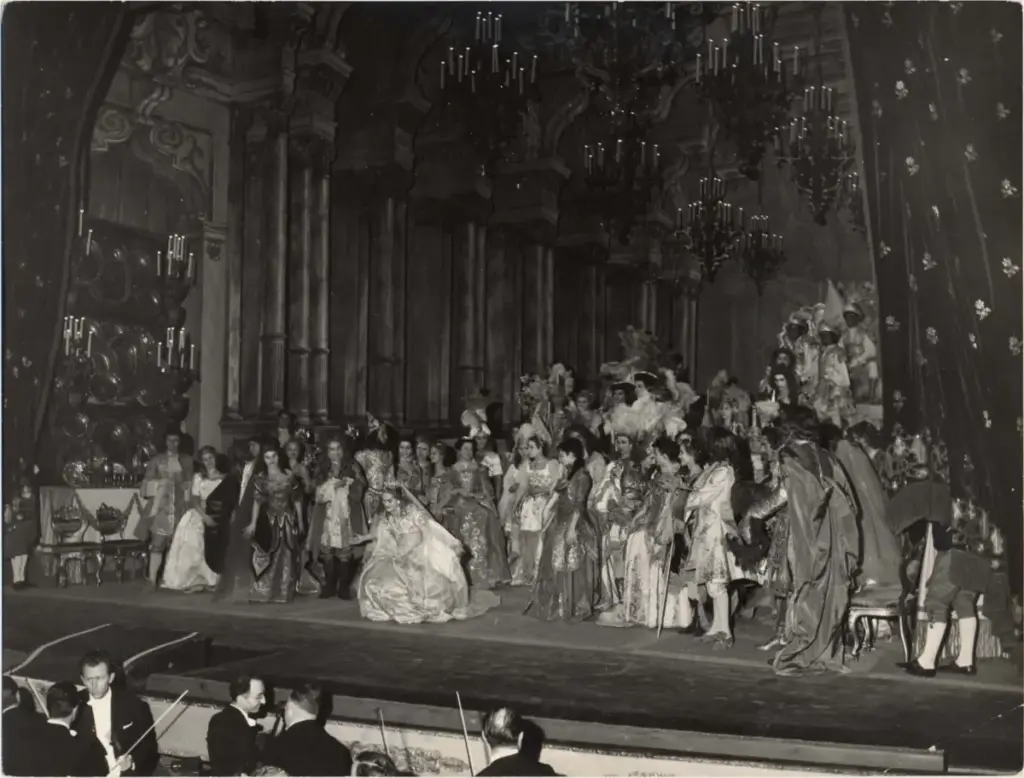
Over the years, Myer’s performance calendar has read like a map of vibrant American regional opera. He has brought his craft to numerous notable companies, including:
- Opera Southwest
- Opera Las Vegas
- Tri-Cities Opera
- Opera Delaware
- Opera Baltimore
- Brooklyn Art Song Society
His adaptability has allowed him to transition seamlessly from Mozartian and bel canto roles to challenging contemporary scores. Furthermore, his active performance schedule continues unabated; his current season features prominent engagements with both Knoxville Opera and Opera Grand Rapids.
The Transition to Advocacy
The decision to step into union leadership did not occur in a vacuum. Like many performing artists, Myer witnessed firsthand the systemic vulnerabilities exposed during the pandemic and the subsequent economic recovery period. Issues surrounding health insurance continuity, minimum fee structures, safe rehearsal environments, and transparent dispute resolutions became urgent matters of professional survival rather than abstract administrative concerns.
When the opportunity arose to join the staff of AGMA, Myer recognized a chance to effect systemic change. Rather than leaving the profession behind, he chose to integrate his artistic identity with structural support. His public announcement via social media captured the sentiment of this pivotal career chapter:
“I’m so happy to share that I have joined the staff at AGMA as an Assistant Regional Director and staff liaison for the New York Area. I’m still singing, but now I get to help my fellow artists in a meaningful and different way. Looking forward to everything to come!”
Supporting Context & Metrics: The State of Arts Labor in New York
To fully appreciate the scope of Myer’s new responsibilities as the New York Area staff liaison, it is essential to analyze the structural landscape of the region’s performing arts sector and the organizational mandate of AGMA.

The American Guild of Musical Artists (AGMA)
Founded in 1935, AGMA is the official labor union representing singers, dancers, and staging personnel in opera, ballet, and concert production across the United States. Affiliated with the Associated Actors and Artistes of America (4As) and the AFL-CIO, AGMA negotiates collective bargaining agreements with major institutions such as the Metropolitan Opera, New York City Ballet, American Ballet Theatre, and numerous regional companies.
The union’s mission is to secure fair compensation, safe and healthy working conditions, robust health and pension benefits, and enforceable grievance procedures for its members. However, executing this mission requires constant vigilance, nuanced negotiation, and deep familiarity with the day-to-day realities of production life.
The New York Performance Ecosystem
New York City remains the undisputed epicenter of the American performing arts industry, presenting unique challenges and opportunities for labor representatives:
- High Concentration of Freelancers: A significant percentage of AGMA’s New York membership consists of freelance artists who move between major institutional contracts, smaller concert series, and independent projects. Managing health eligibility thresholds and pension contributions for freelance workers is a persistent administrative challenge.
- Complex Institutional Dynamics: From legacy institutions facing fluctuating donor bases and post-pandemic audience recovery curves to smaller, innovative companies operating on razor-thin margins, negotiating sustainable contracts requires a delicate balance of firmness and economic pragmatism.
- Cost of Living Pressures: For performers based in the New York metropolitan area, inflation, housing costs, and fluctuating gig-to-gig income create profound financial precarity. Ensuring that union minimums keep pace with economic realities is a top priority for AGMA representatives.
The Value of the "Artist-Advocate"
Historically, labor unions in the cultural sector have benefited from employing professionals with deep backgrounds in the arts. However, having a staff member who is actively performing while serving as an Assistant Regional Director provides a rare tactical advantage. Myer’s ongoing presence on stages across the country ensures that he experiences the realities of modern dressing rooms, rehearsal schedules, and management practices firsthand. This immediate, unmediated feedback loop allows him to anticipate labor disputes before they escalate and to negotiate with an authentic, authoritative voice.
Official Statements and Industry Reception
The announcement of Myer’s appointment has generated considerable enthusiasm among fellow artists, union members, and industry observers. While formal institutional press releases often highlight administrative credentials, the grassroots reaction on social and professional networks underscored the personal respect Myer commands within the singing community.
Colleagues, directors, and union members flooded his announcement with messages of support, emphasizing his empathy, intelligence, and dedication to his peers. Prominent artists noted that having an advocate who has shared the physical and emotional demands of learning complex scores, enduring grueling staging rehearsals, and managing the financial uncertainty of freelance life will profoundly enhance AGMA’s responsiveness.
Industry analysts have similarly pointed out that unions representing creative workers are increasingly turning to practitioners rather than career bureaucrats to bridge the gap between institutional policy and membership trust. By bringing in a working baritone, AGMA signals a commitment to empathetic, peer-informed leadership.
Future Outlook: Challenges and Opportunities for AGMA’s New York Region
As Brian James Myer steps into his office as Assistant Regional Director, he faces a dynamic and demanding set of responsibilities. Looking ahead, several key areas will define the success of his tenure and the broader trajectory of AGMA’s New York operations:
1. Modernizing Contract Enforcement in a Digital Age
The performing arts industry has undergone rapid technological shifts, including the proliferation of digital streaming, archival recordings, and hybrid performance models. Ensuring that artists are fairly compensated for digital exploitation of their work remains one of the most critical frontiers in labor negotiations. Myer’s familiarity with modern production standards will be invaluable in drafting and enforcing forward-looking contract clauses.
2. Strengthening Freelance Support Systems
With gig-economy models increasingly influencing the arts, securing reliable safety nets for freelance singers and stage managers is paramount. Streamlining communication, demystifying union processes, and providing accessible support for emerging artists entering the New York market will be vital tasks for the regional office.
3. Fostering Collaborative Labor-Management Relations
While adversarial collective bargaining is sometimes necessary, sustainable artistic production relies on constructive dialogue between union representatives and company managements. Myer’s reputation for professionalism and collaboration positions him well to foster productive relationships with institutional leaders, seeking mutually beneficial solutions without compromising core labor protections.
4. Balancing Two Demanding Vocations
Perhaps the most intriguing aspect of Myer’s appointment is his explicit commitment to continuing his performance career. Balancing the rigorous travel, rehearsal, and vocal maintenance required of an active opera baritone with the high-stress, time-sensitive demands of union administration will require exceptional organizational discipline. However, if successfully managed, this dual role will serve as a powerful testament to the viability of artists taking active ownership of their professional destinies.
Conclusion
The appointment of Brian James Myer as an Assistant Regional Director and New York Area staff liaison for AGMA represents a thoughtful, forward-thinking development in the realm of arts labor advocacy. By merging artistic credibility with administrative authority, Myer and AGMA have reinforced the vital principle that the voices of performing artists are most powerful when articulated by those who live the craft every day.
As Myer splits his time between advocating for his colleagues in the boardroom and bringing characters to life on the opera stage, the broader classical music community will be watching with keen interest. His journey from the practice room to the union hall stands as an inspiring model of professional expansion, proving that artistic excellence and systemic advocacy are not mutually exclusive, but rather mutually reinforcing pillars of a healthy cultural ecosystem.