
Executive Overview
As the winter frost settles and the holiday season approaches, churches, concert halls, and living rooms worldwide prepare to resonate with the timeless melodies of traditional Christmas carols. Among the vast repertoire of festive music, few pieces command the universal reverence and emotional resonance of "O Come, All Ye Faithful"—traditionally known in its Latin iteration as "Adeste Fideles."
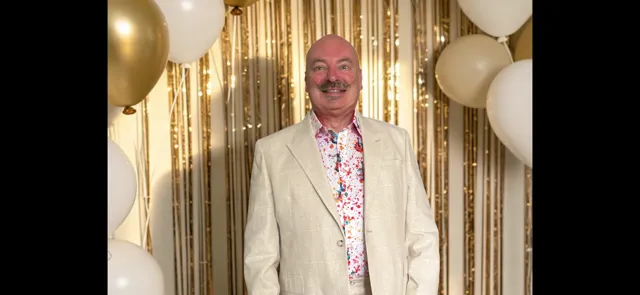
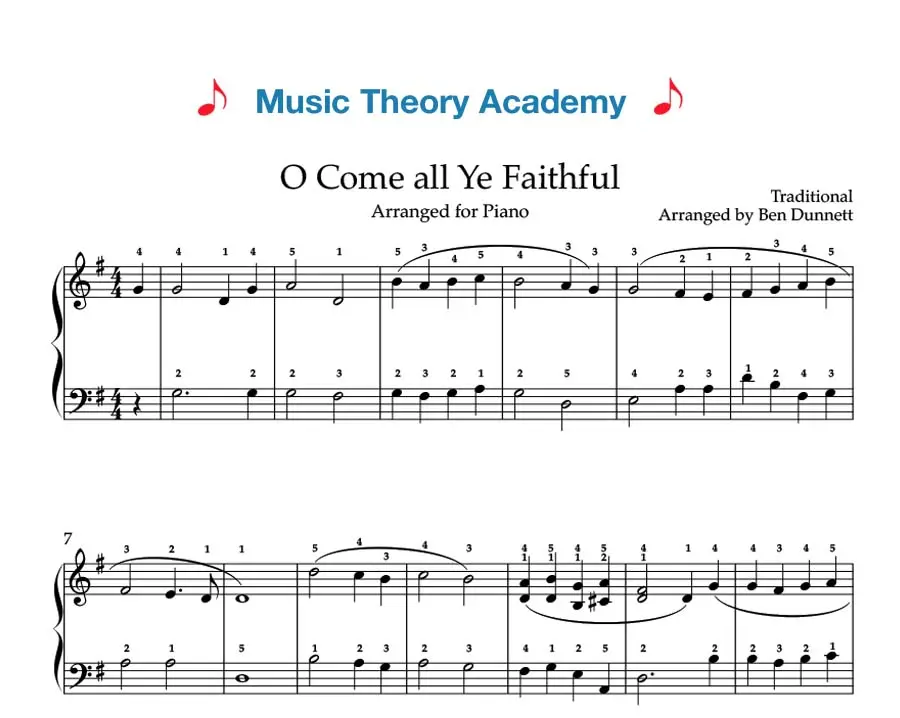
To celebrate this enduring musical tradition, esteemed pianist, composer, and music educator Ben Dunnett LRSM, founder of the Music Theory Academy, has released a comprehensive pedagogical and performance package. Aimed at musicians of varying skill levels, Dunnett’s newly published suite features two distinct, meticulously crafted piano arrangements derived from his acclaimed studio album, 10 Christmas Carols.
This release bridges the gap between historical reverence and modern music education. By providing both an accessible, lyric-accompanied beginner version and an intricate, three-page intermediate arrangement, Dunnett ensures that pianists across the spectrum can engage meaningfully with this monumental piece of sacred music. This feature article provides an exhaustive overview of Dunnett’s arrangements, explores the rich theological and historical tapestry of the carol, examines its structural composition, and evaluates the future of holiday music pedagogy in the digital age.
Detailed Chronology & Historical Context: The Evolution of "Adeste Fideles"
To fully appreciate Ben Dunnett’s contemporary piano interpretations, one must first examine the tangled and fascinating history of "O Come, All Ye Faithful." While the carol is a staple of modern English-language Christmas services, its origins stretch back centuries through a complex lineage of manuscript traditions, anonymous composers, and Victorian translations.
The Eighteenth-Century Manuscript Era
For generations, the authorship of both the tune and the original Latin text of "Adeste Fideles" was fiercely debated by musicologists. The melody is most commonly attributed to John Francis Wade (1711–1786), a devout English hymnist, calligrapher, and music copyist who lived a largely exiled life in Douai, France, working within a community of English Catholic refugees.
Wade’s livelihood depended on meticulously copying liturgical music for clandestine Catholic chapels in Britain and continental Europe. The earliest known manuscript of the tune, bearing Wade’s signature, dates back to approximately 1740. However, music historians have frequently noted stylistic similarities to earlier French and English secular tunes, suggesting that Wade may have compiled, polished, or transcribed an already circulating melody rather than composing it ex nihilo.
Global Dissemination and Translation
For the first century of its existence, "Adeste Fideles" remained largely an underground anthem for Roman Catholic congregations. Its transition into the mainstream global consciousness occurred during the mid-nineteenth century, driven by the burgeoning Victorian fascination with medieval and traditional hymnody.
The English translation most widely sung today—beginning with the familiar words, "O come, all ye faithful, joyful and triumphant"—was penned by the English Catholic priest and hymnist Frederick Oakeley in 1841. Oakeley originally translated the first three verses for his congregation at Margaret Street Chapel in London, seeking a processional hymn that would inspire awe and congregational participation. A fourth verse was later translated by William Mercer in 1854. The combination of Oakeley’s poetic English adaptation and Wade’s majestic, soaring melody quickly cemented the carol’s status as a cornerstone of worldwide Christmas celebrations.
Pedagogical Breakdown: Ben Dunnett’s Dual Piano Arrangements
Ben Dunnett’s latest release recognizes that music education must be adaptable, engaging, and technically sound. Drawing on over two decades of experience as a music teacher, examiner, and professional pianist, Dunnett has structured his arrangements to serve distinct learning objectives.
[Music Theory Academy Release]
       │
       ├─► Easy Piano Version (Pure instrumental)
       │
       ├─► Easy Piano Version with Lyrics (Designed for simultaneous play/sing)
       │
       └─► Intermediate/Advanced Arrangement (3-page complex studio version)
1. The Easy Piano Version (Solo & Vocal Accompaniment)
Designed with the beginner in mind, the foundational arrangement strips away unnecessary harmonic complexities without sacrificing the majestic quality of the melody.

- Accessibility: The piece is tailored to pianists who have mastered fundamental hand positions, basic chord structures, and simple rhythm patterns.
- Dual Format Availability: Dunnett provides two variations of this easy arrangement. The first is a clean, straightforward instrumental layout ideal for developing reading fluency. The second includes integrated vocal lyrics directly above the staff, empowering pianists to accompany themselves or others—a vital skill for home music-making and community carol services.
2. The Intermediate Arrangement (The Studio Album Version)
For pianists seeking a greater technical and expressive challenge, Dunnett has transcribed the exact arrangement featured on his commercial album, 10 Christmas Carols. Spanning three comprehensive pages of sheet music, this intermediate-to-advanced version offers a sophisticated take on the traditional tune.
- Harmonic Depth: Richer chordal voicings, passing tones, and dynamic contrasts elevate the piece from a simple melody into a true concert-ready performance piece.
- Multi-Sensory Learning: To assist learners in mastering this more demanding arrangement, Dunnett has paired the sheet music with digital multimedia resources. Pianists can watch a synchronized YouTube performance video or stream the track on Spotify, allowing them to internalize the rubato, phrasing, and emotional weight of Dunnett’s professional studio interpretation before putting fingers to keys.
Supporting Context & Textual Analysis: The Verses of "Adeste Fideles"
Music and text are inextricably linked in sacred choral and keyboard traditions. To interpret "O Come, All Ye Faithful" effectively on the piano, musicians must understand the narrative arc and theological depth embedded within its lyrics.
Verse-by-Verse Theological Breakdown
- Verse 1: The Invitation to Bethlehem
- Latin Origin: "Adeste, fideles, læti triumphantes…"
- Theme: A direct call to action. The faithful are summoned to journey spiritually to Bethlehem to witness and behold the newborn King of Angels. It establishes an atmosphere of triumphant joy.
- Verse 2: The Mystery of the Incarnation
- Theme: Delving into deeper theological mysteries, this verse contemplates the miracle of the Virgin birth. It proclaims Christ’s divine nature, describing Him as "God of God, Light of Light" and "Very God, begotten, not created."
- Verse 3: The Heavenly Choir
- Theme: Shifting the sonic landscape upward, this verse invokes the celestial hosts. Choirs of angels and citizens of heaven above sing in exultation, offering "Glory to God in the highest."
- Verse 4: The Christmas Morning Greeting (Traditional Day-Only Verse)
- Theme: Historically reserved exclusively for performance on Christmas Day itself, this final verse brings the theological narrative into the present tense. It greets the newborn Lord, recognizing Jesus as the "Word of the Father, now in flesh appearing."
The Universal Refrain
Every verse converges upon the same ecstatic, tripartite refrain: "O come, let us adore Him, Christ the Lord!" Musically, this repetition builds tension and release, a structural element that Dunnett skillfully emphasizes in both his easy and intermediate piano arrangements.
Official Statements and Industry Insights
In commentary accompanying the release, Ben Dunnett emphasizes the importance of keeping traditional music alive through active participation.
"Carols like ‘O Come, All Ye Faithful’ are more than just seasonal background noise; they are historical artifacts rich in emotion, community, and musical architecture," notes Dunnett. "By offering both an accessible entry point for beginners and a more demanding concert arrangement for intermediate players, my goal is to invite pianists of all backgrounds to experience the joy of making music during the holiday season."
Music education experts have praised the release for its pedagogical clarity. In an era where digital sheet music can often be unverified or poorly transcribed, materials produced by accredited professionals like LRSM-certified educators provide reliable foundations for students preparing for formal examinations or seeking self-directed musical growth.
Future Outlook: The Digital Transformation of Music Education
The release of Dunnett’s sheet music package highlights a broader paradigm shift in how classical and traditional music is taught, distributed, and consumed. The integration of traditional PDF sheet music downloads with streaming audio (Spotify) and high-definition video demonstrations (YouTube) represents the modern standard for music pedagogy.
As online academies continue to democratize access to high-level music instruction, resources created by seasoned professionals bridge the geographical and financial gaps that once limited classical training. Pianists sitting in remote locations can now study the exact interpretations of professional recording artists, pairing visual scores with auditory references to accelerate their learning curves.
Looking ahead, initiatives like the Music Theory Academy’s holiday carol series point toward a future where seasonal music education is richer, more interactive, and universally accessible. Whether a student is downloading the simplified lyrics-integrated score to play for family around the living room piano, or tackling the three-page intermediate studio arrangement to challenge their technical dexterity, Ben Dunnett’s curation of "O Come, All Ye Faithful" ensures that the sacred melodies of the past will continue to inspire and uplift generations of musicians to come.