
Executive Overview
The intersection of clinical otolaryngology, speech-language pathology, and patient advocacy has long formed the bedrock of modern vocal science. However, a profound evolution is underway regarding how the medical and scientific communities define, measure, and treat voice disorders. Moving far beyond the physical mechanics of phonation and the structural integrity of the vocal folds, contemporary research increasingly centers on the lived experiences of speakers and singers navigating vocal pathology.
This paradigm shift took center stage following the successful kickoff of the 52nd Annual Voice Foundation Symposium in Philadelphia. During a heavily attended speech-language pathology session, pioneering researchers presented critical data aimed at understanding the subjective, emotional, and social impacts of voice disorders on performers and professional speakers. The overwhelmingly engaged audience—comprising laryngologists, voice scientists, speech pathologists, and vocal coaches—responded with incisive questions and a palpable demand to reshape clinical protocols around the patient’s individual narrative.
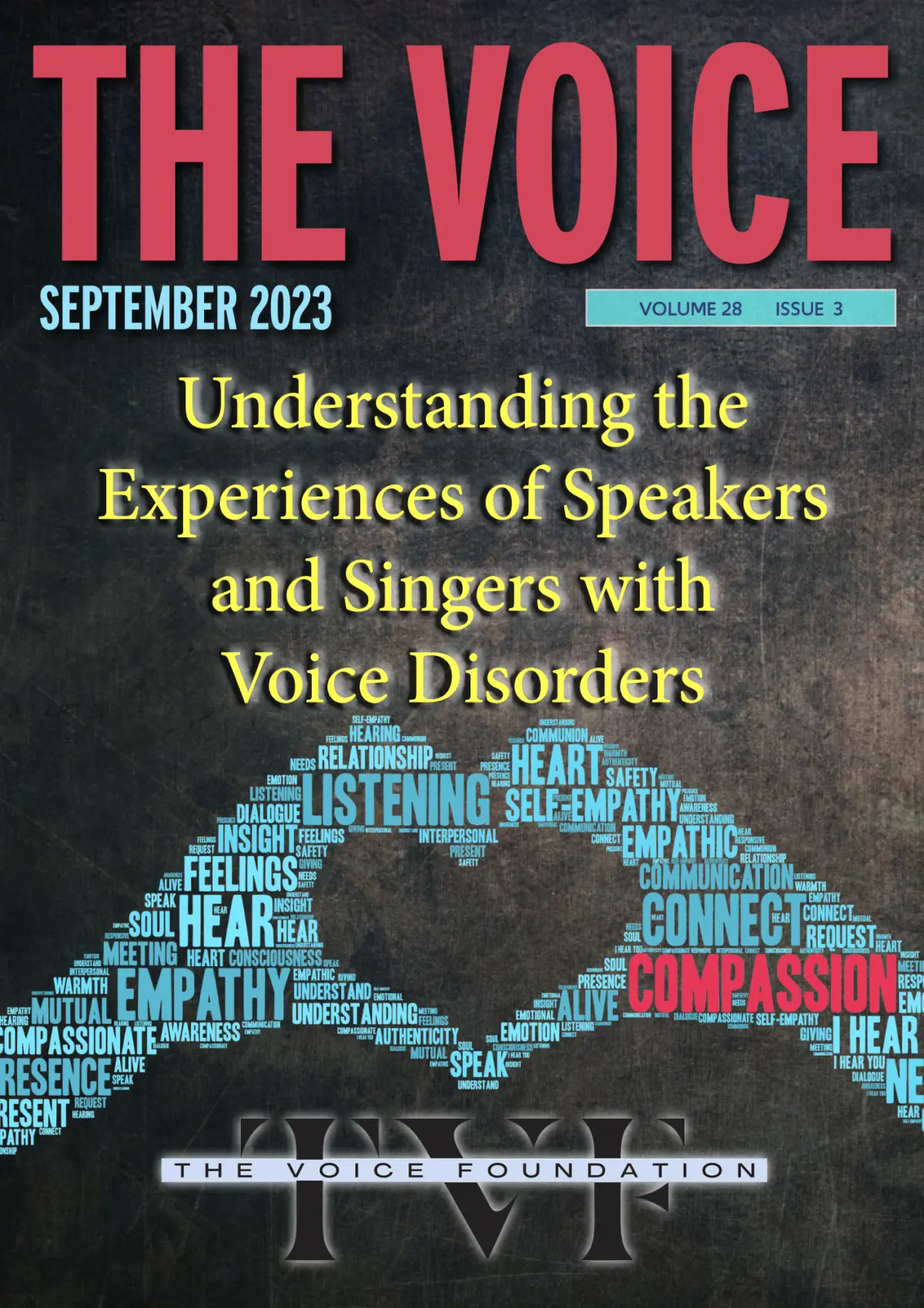
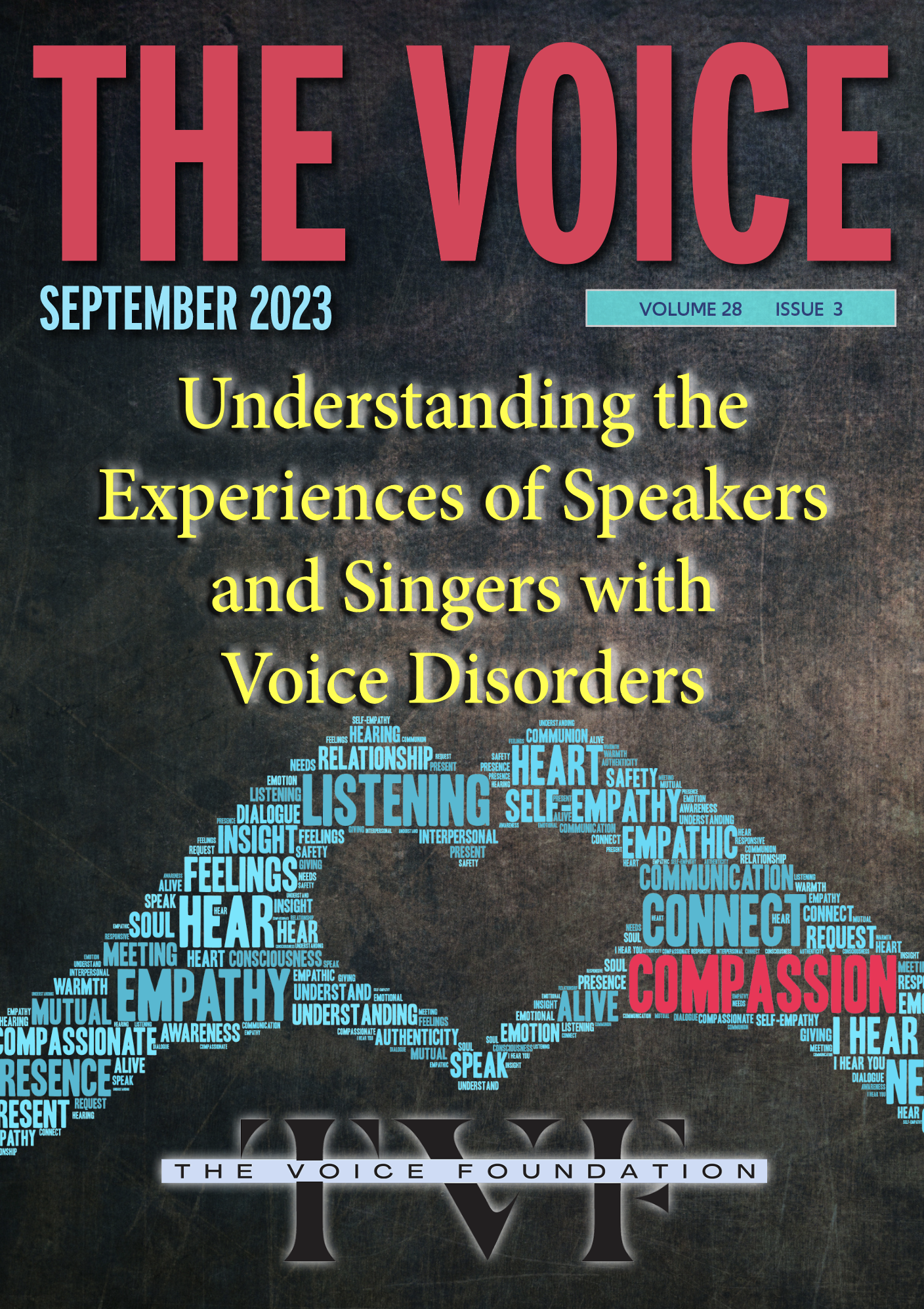
In response to this resounding momentum, the Voice Foundation’s latest publication cycle delves deeply into the patient perspective. By bridging the gap between quantitative clinical metrics and qualitative human experiences, this initiative seeks to inspire the next generation of vocal research while offering immediate, actionable insights for clinical practitioners. This report explores the core themes emerging from the Philadelphia symposium, the profound implications of patient-centered care in vocal rehabilitation, and the future trajectory of voice science as it strives to treat the whole person, not just the instrument.
Detailed Chronology: From Philadelphia to the Patient-Centric Paradigm
The 52nd Annual Symposium: A Catalyst for Change
The journey toward a more empathetic and individualized model of vocal care accelerated significantly during the 52nd Annual Voice Foundation Symposium in Philadelphia. As the premier international gathering for vocal health professionals, the symposium has historically served as a crucible for cutting-edge surgical techniques, acoustic analyses, and pedagogical breakthroughs.
However, the 2023 installment marked a distinct philosophical pivot. While physiological and biomechanical presentations remained foundational, the spotlight shifted decisively toward behavioral, psychological, and sociological inquiries.
The Speech-Language Pathology Breakthrough
The turning point of the conference occurred during a specialized speech-language pathology session dedicated to the lived experiences of individuals with voice disorders. Researchers presented qualitative and mixed-methods studies tracking how professional singers, educators, call center operators, and casual speakers navigate the sudden or gradual loss of their vocal capabilities.
Key takeaways from the session included:
- The Psychosocial Toll: Participants documented high rates of anxiety, professional identity crises, and social isolation directly correlated with dysphonia.
- The Diagnostic Disconnect: Findings suggested a historical misalignment between clinician-administered rating scales and the patient’s internal evaluation of their vocal handicap.
- The Demand for Customization: Audience engagement revealed an urgent appetite for therapy regimens that account for the patient’s specific vocational demands, psychological resilience, and lifestyle constraints.
Catalyzing the September Newsletter
Capitalizing on the vibrant dialogue generated in Philadelphia, the leadership of the Voice Foundation recognized an imperative to expand the conversation to its global membership base. The resulting September newsletter was explicitly engineered to capture the energy of the symposium, translating conference floor debates into a cohesive call to action. By framing patient experience as a rigorous scientific variable rather than a secondary consideration, the publication sets a new benchmark for how voice care communities approach rehabilitation.

Supporting Context & Metrics: The Weight of Voice Disorders
To fully grasp the significance of the shift toward patient-centric vocal care, one must examine the broader epidemiological and psychological landscape of voice disorders.
Prevalence and Impact
Voice disorders—ranging from benign vocal fold lesions (nodules, polyps, cysts) and muscle tension dysphonia to spasmodic dysphonia and vocal fold paralysis—affect a vast cross-section of the global population. Epidemiological studies indicate that approximately 3% to 9% of the general population suffers from a voice disorder at any given time. Among occupational voice users—such as teachers, fitness instructors, sales professionals, and singers—that prevalence skyrockets to as high as 20% to 50%.
For these individuals, a voice disorder is not merely a medical inconvenience; it is an occupational hazard that threatens livelihood, financial stability, and personal identity.
The Psychological Burden
Historically, medical models treated vocal pathologies through a reductionist lens: diagnose the lesion, prescribe voice therapy or schedule phonosurgery, and discharge the patient upon physiological recovery. Yet, clinical reality rarely aligns with such linear trajectories.
Recent psychometric evaluations integrated into voice clinics reveal staggering statistics:
- Up to 60% of patients presenting with chronic dysphonia exhibit elevated scores on standardized anxiety and depression inventories.
- The loss of vocal quality frequently triggers grief responses analogous to those experienced during bereavement, given that the voice serves as the primary acoustic signature of human personality.
- Patient Compliance Paradox: Studies show that voice therapy compliance rates drop significantly when regimens fail to incorporate the patient’s personal communication goals, underscoring the necessity of shared decision-making.
Official Perspectives: Voices from the Foundation
The emphasis on patient-centered care reflects a broader maturation within the voice science community. Leaders within the Voice Foundation and affiliated clinical institutions have articulated a clear vision for the future of the discipline.
"We can no longer view the larynx in isolation from the person attached to it. When a singer loses their upper register or a teacher struggles to finish a school day, the impact reverberates through their entire existence. Our research must reflect that reality."
— Excerpts from the Voice Foundation Leadership and Symposium Faculty
Clinical educators at the Philadelphia symposium emphasized that incorporating the patient’s perspective does not dilute the scientific rigor of voice care; rather, it enhances it. By utilizing validated Patient-Reported Outcome Measures (PROMs)—such as the Voice Handicap Index (VHI) and the Vocal Fatigue Index (VFI)—clinicians can bridge the gap between objective acoustic measurements (like jitter, shimmer, and maximum phonation time) and the patient’s subjective reality.
Furthermore, multidisciplinary collaboration between laryngologists, speech-language pathologists, singing voice specialists, and mental health professionals is increasingly recognized as the gold standard. Official directives stemming from the symposium urge clinics worldwide to adopt holistic intake procedures that actively screen for the psychological and social ramifications of voice loss from the very first consultation.
Future Outlook: Transforming Research and Clinical Practice
As the Voice Foundation looks ahead toward upcoming symposia and publication cycles, the mandate established in Philadelphia serves as a guiding light for the discipline. The integration of the patient experience into both research design and clinical practice is poised to yield transformative developments across several key domains.
1. Re-engineering Clinical Trials and Research Protocols
Future studies in voice pathology are expected to move away from purely physiological endpoints. While anatomical healing remains vital, grant-awarding bodies and institutional review boards are increasingly prioritizing studies that measure functional communication outcomes, quality-of-life indices, and long-term psychosocial adaptation. Researchers are challenged to design clinical trials where the patient’s voice—both literally and figuratively—shapes the primary research questions.
2. Personalized Rehabilitation Frameworks
The "one-size-fits-all" approach to voice therapy is rapidly becoming obsolete. Future clinical protocols will likely leverage artificial intelligence and advanced machine learning to track daily vocal loading against patient-reported fatigue, tailoring real-time therapeutic adjustments. Moreover, incorporating psychological support structures—such as cognitive-behavioral therapy (CBT) tailored for dysphonic patients—will become standard practice in comprehensive voice centers.
3. Empowering Patient Advocacy and Education
An informed patient is an empowered collaborator. The Voice Foundation is committed to expanding educational resources designed to demystify voice disorders for the general public and professional communities alike. By fostering open dialogues between patients and practitioners, the stigma historically associated with voice disorders can be dismantled.
Conclusion
The 52nd Annual Voice Foundation Symposium and its subsequent reflections in the September newsletter mark a defining moment for vocal health professionals. By placing the lived experiences of speakers and singers at the very heart of scientific inquiry, the community is forging a more compassionate, comprehensive, and effective model of care. As this patient-centric philosophy permeates research laboratories and clinical suites worldwide, the future of voice science promises not only healthier vocal folds, but profoundly empowered human beings.