
By David Salazar
Published by OperaWire
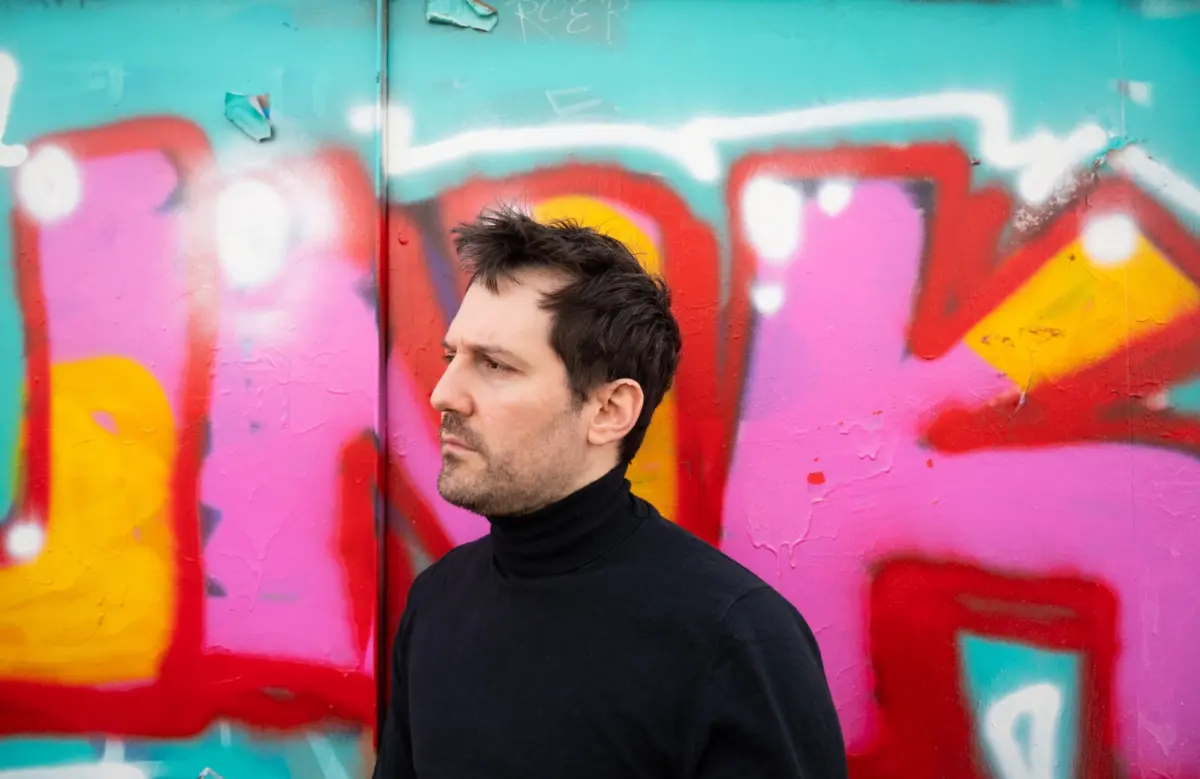
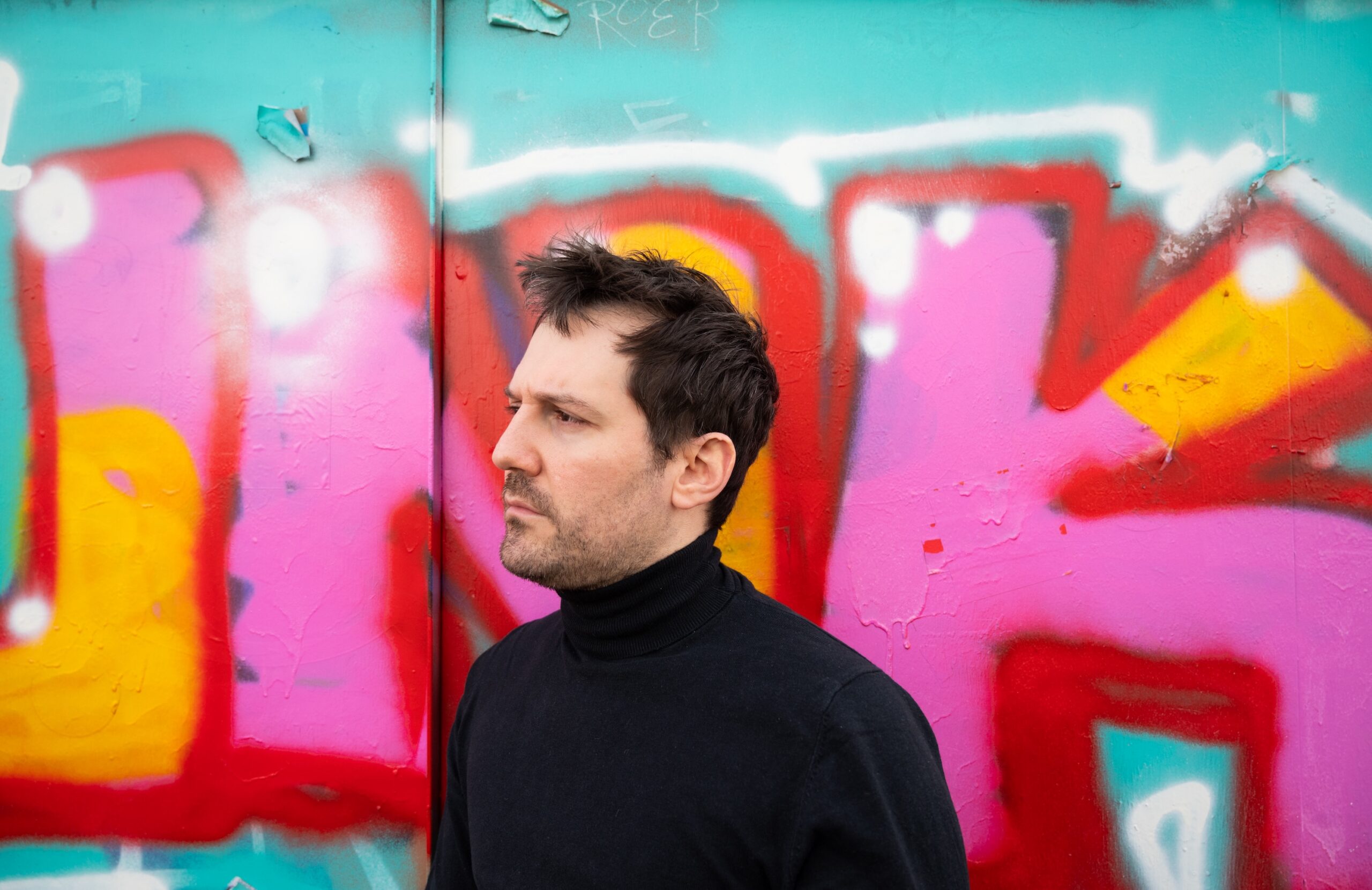
(Credit for featured photography: Jay Raissis)
Executive Overview
In a decisive move that signals both artistic continuity and bold new horizons, the esteemed Oper Wuppertal has announced the appointment of Greek-German conductor Yorgos Ziavras as its new Chief Conductor, beginning with the 2026–27 season. Ziavras, who previously served with distinction as the company’s Principal Conductor, steps into the role at a pivotal time for the historic German house. Known for his intellectual rigor, dynamic podium presence, and deep commitment to bridging standard operatic repertoire with cutting-edge contemporary works, Ziavras has steadily built a reputation as one of the most compelling musical leaders of his generation.
The transition from Principal Conductor to Chief Conductor is not merely an internal promotion; it represents a ringing endorsement of Ziavras’s artistic vision and his capacity to galvanize both orchestra and audience. To mark the commencement of his tenure in autumn 2026, Ziavras is set to helm a high-profile, highly anticipated new production of Giuseppe Verdi’s tragic masterpiece Otello, staged by visionary director Katharina Kastening. This opening salvo will be followed closely by musically demanding interpretations of Georges Bizet’s timeless Carmen and Pulitzer Prize-winning composer Ellen Reid’s genre-defying contemporary opera PRISM.
Beyond his foundational responsibilities in Wuppertal, Ziavras’s promotion cements his status as a formidable presence on the broader European cultural map. His schedule balances heavy institutional leadership in Germany with prestigious international symphonic engagements, most notably a landmark upcoming debut with the Athens State Orchestra at the Megaron Athens Concert Hall in March 2027. As classical music institutions across Europe grapple with the challenges of audience development, shifting repertoire models, and financial sustainability, Ziavras’s appointment at Oper Wuppertal offers a masterclass in how regional houses can cultivate homegrown talent to achieve international renown.
Detailed Chronology: The Artistic Ascent of Yorgos Ziavras
The trajectory of Yorgos Ziavras from an ambitious young musician to one of the most sought-after conductors in Central Europe is a testament to perseverance, versatility, and deep artistic integrity. Born in Greece and raised in Germany, Ziavras possesses a unique cultural biculturalism that deeply informs his musical interpretations. He is uniquely attuned to the Mediterranean warmth of theatrical vocal phrasing as well as the structural precision demanded by the Germanic symphonic and operatic traditions.
Formative Years and the Theater Krefeld und Mönchengladbach Era
Before capturing the attention of the cultural heavyweights in the Ruhr Valley, Ziavras spent formative years carving out a reputation in the fiercely competitive German theater system. His tenure at Theater Krefeld und Mönchengladbach served as his crucible. Navigating a relentless schedule of repertory performances, Ziavras steadily climbed the ranks through sheer dedication and undeniable podium charisma until he was named Deputy Music Director (Stellvertretender Generalmusikdirektor).
During his time in Krefeld and Mönchengladbach, Ziavras demonstrated a rare facility for managing complex theatrical logistics while elevating the standard of orchestral playing. It was here that he honed his collaborative instincts—working alongside stage directors, singers, chorus masters, and orchestral musicians to deliver cohesive, emotionally resonant performances night after night. This rigorous regional apprenticeship is a traditional rite of passage for many of Europe’s greatest maestros, and Ziavras utilized every season to expand his stylistic range, tackling everything from Mozart and Wagner to 20th-century masterpieces.
The Rise at Oper Wuppertal
Ziavras’s relationship with Oper Wuppertal has been one of gradual, organic growth built on mutual artistic respect. Having initially impressed company management and musicians as Principal Conductor, he demonstrated a rare ability to breathe new life into the Wuppertal pit. His insightful interpretations, combined with an approachable yet uncompromising rehearsal technique, endeared him to the Sinfonieorchester Wuppertal.
When the board and artistic administration looked toward the 2026–27 season and beyond, Ziavras emerged as the unanimous choice to steer the musical ship. His elevation to Chief Conductor ensures artistic stability for the company while injecting a fresh, youthful vitality into its long-term planning.
Supporting Context & Metrics: Venues, Orchestras, and Repertoire
To fully understand the magnitude of Yorgos Ziavras’s appointment, one must examine the breadth of his artistic footprint. His resume boasts collaborations with some of the most prestigious institutions, concert halls, and specialized contemporary ensembles across Europe.
A Comprehensive Performance Footprint
Ziavras’s artistic reach extends far beyond his home base in Wuppertal. His performance history reads like a roadmap of the European classical music establishment:
- Major Concert Halls: Kölner Philharmonie, WDR Funkhaus Köln, Athens Concert Hall (Megaron), and the Maria Callas Music Theatre in Athens.
- Opera Houses: Oper Wuppertal, Greek National Opera (Ethniki Lyriki Skini), and Theater Krefeld und Mönchengladbach.
- Symphonic Orchestras: Sinfonieorchester Wuppertal, Südwestfälische Philharmonie, Bodensee Philharmonie, Greek Radio Symphony Orchestra, and the Athens Symphony Orchestra.
- Contemporary Ensembles: Ensemble Musikfabrik and ĪRMA Ensemble.
The Repertoire Spectrum: From Verdi to Reid
What sets Ziavras apart from many of his contemporaries is his stylistic fearlessness. While many modern conductors box themselves into either early Romantic repertoire or contemporary avant-garde exploration, Ziavras moves fluidly between centuries.
- The Grand Operatic Canon: His upcoming leadership of Verdi’s Otello and Bizet’s Carmen for the 2026–27 season showcases his mastery of high-stakes, emotionally turbulent vocal writing. Otello, in particular, demands a conductor who can balance the towering orchestral forces of Verdi’s late style with the psychological intimacy required by Shakespeare’s tragedy.
- Contemporary Innovations: By programming Ellen Reid’s PRISM, Ziavras signals to the Wuppertal community that the house will not rest solely on the laurels of 19th-century crowd-pleasers. PRISM, which won the Pulitzer Prize for Music in 2019, explores trauma and recovery through a hypnotic, hallucinatory sonic landscape. Conducting such a work requires immense technical precision and an open-minded approach to modern vocal and instrumental textures.
- Contemporary Ensembles: His work with groups like Ensemble Musikfabrik—a globally renowned collective dedicated to new music—proves that Ziavras is deeply literate in the extended techniques, microtonal intricacies, and complex rhythmic structures of 21st-century composition.
Official Statements and Artistic Vision for the 2026–27 Season
While formal press releases from Oper Wuppertal outline the administrative mechanics of Ziavras’s appointment, the underlying artistic vision speaks volumes about where the company is headed. The upcoming season is meticulously crafted to challenge audiences while honoring the traditions of European repertory theater.
The Inaugural Season Highlights
- October 2026 – Otello (Giuseppe Verdi / Dir. Katharina Kastening): The anchor of Ziavras’s debut as Chief Conductor. Staged by acclaimed director Katharina Kastening, this production promises a searing psychological exploration of jealousy, manipulation, and destruction. Ziavras’s stewardship of the orchestral pit will be vital in realizing the dramatic contrasts of Verdi’s score, from the roaring tempest of Act I to the desolate, haunting willow song of the final act.
- Repertoire Expansion – Carmen (Georges Bizet): A perennial favorite that tests a conductor’s ability to maintain rhythmic buoyancy, melodic seductiveness, and dramatic momentum. Ziavras’s approach is anticipated to strip away generations of performance clichés, returning to the gritty, dramatic theatricality of Bizet’s original opéra-comique conception.
- Contemporary Focus – PRISM (Ellen Reid): Representing the forward-thinking pillar of his inaugural season, this production underscores Oper Wuppertal’s commitment to contemporary storytelling. Ziavras’s advocacy for living composers ensures that the house remains relevant to younger, diverse demographics.
Maintaining Dual Loyalties: Sinfonieorchester Wuppertal and International Symfonic Work
Crucially, Ziavras’s new contract does not signal an isolationist retreat into the opera house. He will maintain his robust relationship with the Sinfonieorchester Wuppertal, ensuring that symphonic and operatic programming cross-pollinate effectively. This symbiotic relationship between house orchestra and concert orchestra is vital for maintaining high instrumental standards.
Furthermore, Ziavras continues to expand his international footprint. His scheduled debut with the Athens State Orchestra at the Megaron Athens Concert Hall in March 2027 marks a significant homecoming. As an artist who maintains deep roots in both his native Greece and his adopted cultural home of Germany, conducting the premier orchestra of his birth country in its most prestigious hall is a milestone moment that highlights his growing global stature.
Future Outlook: The Horizon for Oper Wuppertal and Maestro Ziavras
The appointment of Yorgos Ziavras as Chief Conductor arrives at a fascinating inflection point for European regional opera houses. As economic pressures mount and audience demographics shift, institutions must prove their cultural indispensability to their local communities while maintaining artistic standards that attract international critical attention.
Ziavras’s profile is ideally suited to this challenge. His intellectual curiosity, paired with a pragmatic understanding of theater administration gained through his years at Krefeld and Mönchengladbach, equips him to navigate the complex realities of running a modern music theater. He is not merely a baton-wielding technician; he is a musical thinker who can articulate why a piece of music matters to a 21st-century audience.
What Lies Ahead
Looking forward to the 2026–27 season and beyond, several key themes will define Ziavras’s tenure at Oper Wuppertal:
- Orchestral Development: Deepening the technical refinement and tonal flexibility of the Sinfonieorchester Wuppertal, enabling them to tackle everything from early classicism to extreme modernism with equal aplomb.
- Theatrical Synergy: Fostering close, collaborative relationships with stage directors like Katharina Kastening to ensure that musical and visual narratives are inextricably linked.
- Audience Cultivation: Using bold programming choices—juxtaposing towering warhorses like Otello with radical contemporary statements like PRISM—to expand and diversify the Wuppertal audience base.
- Global Ambassadorial Role: Elevating Oper Wuppertal’s profile on the international stage through high-profile guest conducting stints across Europe and frequent media features, cementing the house as a vibrant cultural hub in North Rhine-Westphalia.
Ultimately, Yorgos Ziavras’s appointment is more than a personnel change; it is a statement of intent. It demonstrates that Oper Wuppertal is willing to invest in youthful dynamism, artistic fearlessness, and deep musicianship. As the curtain rises on his inaugural season in October 2026 with the opening chords of Verdi’s Otello, the classical music world will undoubtedly be watching—and listening—as one of Europe’s most promising musical minds steps fully into his power.