
Executive Overview
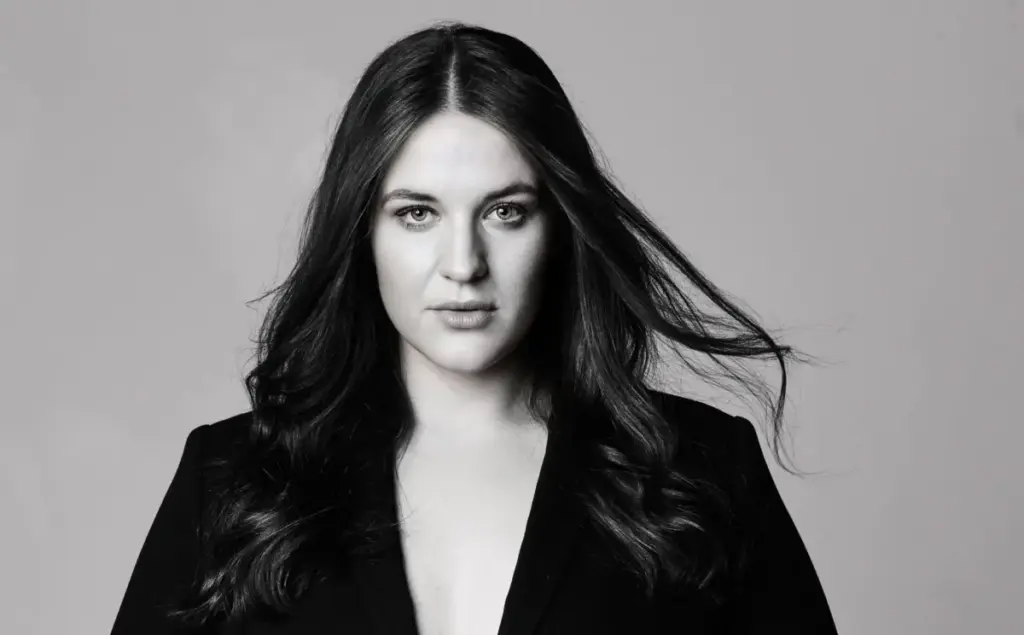
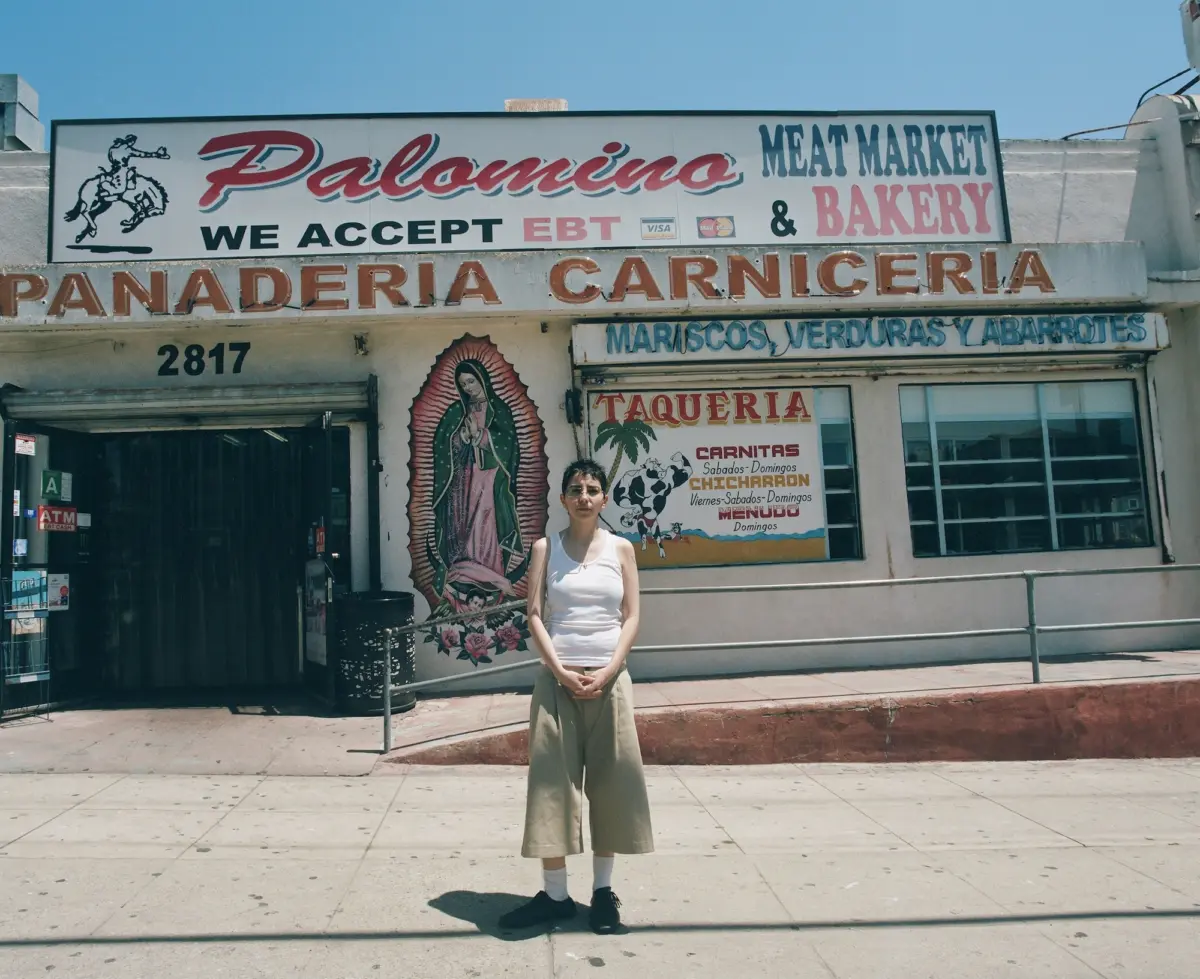
For Dani Bojorges-Giraldo, professionally known as St. Panther, the creation of music has never been an isolated, insular exercise. Instead, it is a deeply collective enterprise, rooted in the pavement, pulse, and people of Los Angeles. As the Chicano/Colombian singer-songwriter prepares to unveil their eagerly anticipated full-length album, East Side Love Story, their conversation immediately pivots away from individual accolades and toward the health of their creative ecosystem.
"I feel strongly that we need less performance of community, and more musicians that are consistent in being actively invested in who they’re speaking to; it only improves the experience of sharing," St. Panther asserts.
This philosophy is not merely a modern PR talking point; it is the foundational bedrock of a career that has steadily simmered beneath the surface of contemporary R&B and soul. Following a five-year hiatus from releasing solo music—a period spent deliberately embedding themselves within their local artistic and cultural village—St. Panther is returning on their own terms.
Backed by early co-signs from industry royalty such as Pharrell Williams, Q-Tip, and even former U.S. First Lady Michelle Obama, St. Panther remains remarkably unswayed by the hollow metrics of commercial pop stardom. East Side Love Story is a testament to this ethos: a rich, genre-defying patchwork of soul, Motown, Chicano classics, and hip-hop sensibilities, crafted alongside longtime collaborators like co-producer Chris McClenney. This feature article explores the journey of an artist who measures success not by Billboard chart placements, but by whether neighborhood kids feel safe enough to dream out loud.
Detailed Chronology: From Living Room Jam Sessions to Industry Heavyweights
The Formative Years: A Multi-Genre Household
The love affair between community, heritage, and music planted its roots early in St. Panther’s life. Growing up in a culturally rich LA household, music was a daily, participatory ritual. Their father played the family piano alongside their mother, who frequently contributed rich backing vocals.
As a formative early force in their musical exploration, St. Panther’s father actively cultured their developing sonic palette with an eclectic mix of artistic influences. Young Dani was exposed to the syncopated funk of Stevie Wonder’s "Superstition," the raw, emotive urgency of Elvis Presley’s "Heartbreak Hotel," and the breezy, rhythmic complexity of João Gilberto’s "O Pato."
This eclectic foundation did not go unnoticed. During their school years, a succession of perceptive teachers recognized St. Panther’s innate musicality. They encouraged the young artist to read, write, and—above all—feel music deeply. What began as an intuitive interest quickly blossomed into a recognizable, formidable capability.
As they entered adolescence, Giraldo leaned heavily into a sound that expanded beyond their father’s classic mixtapes. Drawing inspiration from the genre-bending animations of The Gorillaz, the raw neo-soul vulnerability of Amy Winehouse, the pristine artistry of Solange, and "anything J Dilla," Giraldo began carving out a distinct creative nook. This space was heavily tethered to the timeless aesthetics of soul, Motown, and Chicano classics.
The Breakthrough and Industry Validation
The first major career break arrived when Scott Vener, a prominent music curator with OTHERtone, placed St. Panther’s early track "Playa" in the explosive series finale of HBO’s smash hit Ballers. The sync placement introduced their effortless swagger to a broader television audience.
Momentum accelerated exponentially when Pharrell Williams played St. Panther’s early track "Time gon change the Weather" on Apple’s OVO Sound Radio show. The spin instantly placed the fledgling artist on the radar of international industry heavyweights. Yet, it was a subsequent phone call that truly cemented their trajectory.
"In 2020, Q-Tip called to sign me and offer mentorship, but instead became a friend I don’t bother often, but sees me so clearly as an artist," St. Panther says, their voice glowing with appreciation. "His encouragement specifically made me realise I had carved out a space."
Cultivating the Village: Production, Quiet Girl, and These Days
Before claiming the spotlight for themselves, St. Panther spent years sharpening their technical chops behind the scenes. They led the production of Makeout Reef’s breakout LP, Existential, and quietly released boundary-pushing material under the moniker Quiet Girl.
"In truth, there’s a laundry list of local artists that allowed me to practice producing on them with the extremely limited setup I had at the time. Each of them helped grow different stages of my production approach," St. Panther explains, reflecting on their grassroots training ground.
Regarding the Quiet Girl moniker, they add: "It specifically developed my multitude as both a vocalist and a producer. It was a side project with no interference from what music would come out on my part, one of three active SoundClouds I had, embracing a genre-less approach. Both of those projects were staples in learning and understanding the extent of the material I could offer creatively, which helped me refine it from there."
These emergent experiences culminated in 2020 with the release of their widely acclaimed breakout EP, These Days. For many artists, the playbook for this moment is clear: immediately capitalize on momentum, hit the grueling tour circuit, and flood streaming services with content.
St. Panther felt entirely differently. Recognizing that their early success was not a solo triumph, but rather a shared harvest, they turned away from the industry machinery. They retreated toward their community, their heritage, and their local support systems, initiating a deliberate five-year hiatus from releasing solo music to "become a member of their wider village."
Supporting Context & Metrics: The Anatomy of a Modern Cult Icon
To understand St. Panther’s unique positioning in the modern music landscape, one must examine the intersection of critical acclaim, high-profile endorsements, and streaming metrics that define their career thus far.
| Metric / Milestone | Detail | Significance |
|---|---|---|
| Media Placement | Ballers (HBO) Season Finale | "Playa" introduced St. Panther to television audiences via OTHERtone curation. |
| Radio Co-sign | Apple Music OVO Sound Radio | Pharrell Williams spun "Time gon change the Weather," introducing them to global heavyweights. |
| Industry Mentorship | Q-Tip (A Tribe Called Quest) | Offered both a record deal and enduring artistic validation in 2020. |
| High-Profile Supporter | Michelle Obama | Included St. Panther’s music on official public playlists, cementing cultural reach. |
| Collaborative Network | Chris McClenney, Reggie, C.C. Hamilton | Long-term partnerships rooted in genuine artistic synergy rather than transactional networking. |
The decision to step away from releasing music for half a decade could have proven fatal in an industry hyper-fixated on continuous content generation. However, St. Panther’s strategic withdrawal fostered a rare asset: authenticity. While algorithms demand daily engagement, St. Panther traded viral chasing for life experience, community integration, and artistic maturation.
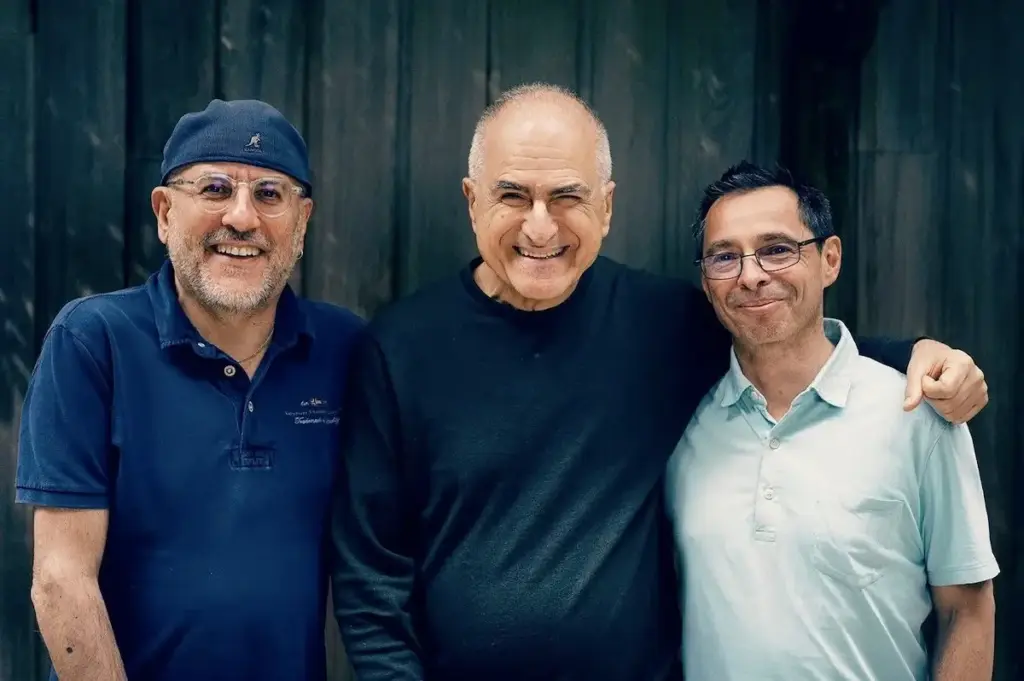
This authenticity has attracted rare attention. Beyond music industry legends like Q-Tip and Pharrell, St. Panther secured a coveted placement on official public playlists curated by former U.S. First Lady Michelle Obama. Despite these dizzying accolades, the artist’s inner circle remains tight, favoring trusted collaborators like Grammy-affiliated producer Chris McClenney (who has crafted hits for H.E.R., Khalid, and Jamila Woods), Houston vocalist Reggie, and longtime drummer C.C. Hamilton.
Official Statements & Artistic Vision
East Side Love Story: A Meditation on Memory and Pets
East Side Love Story represents the triumphant fulfillment of St. Panther’s musical hibernation. Interestingly, the thematic inspiration for the album stems from a surprisingly domestic source: the complex, dramatic love affairs of Pancake, their beloved pet cat and local neighborhood heartthrob.
Using Pancake’s romantic escapades as a lens, the album transforms into a rich treasure trove exploring past romances, heartbreak, and the lingering memories we leave behind with one another. Constructed as an absolute masterclass in unobstructed collaboration, the record balances sleek production with raw, bleeding-heart lyricism.
The Lead Single: "EAST SIDE GIRL"
Serving as a stylish standout among an already cohesive and smooth-listening tracklist, the album’s lead single, "EAST SIDE GIRL," showcases St. Panther’s remarkable vocal dexterity.
Vocally, they channel a rich, smokey vibrato reminiscent of neo-soul titans like D’Angelo and Erykah Badu. Yet, their stylistic fluidity ensures the performance remains entirely individual. Effortlessly weaving between soulful, honeyed singing, intricate jazz scats, and rhythmic, melodic rap cadences, St. Panther adopts a dynamic persona. They deliver sharp, memorable lines with casual authority:
"I keep providing what the players lack / maybe that’s the reason she keeps coming back."
Redefining Success
In an era where artists frequently measure their self-worth through follower counts, playlist positions, and trophy cabinets, St. Panther’s North Star is refreshingly altruistic.
"I’m thankfully alive to see the impact of having a musician in the neighbourhood," St. Panther reflects, summarizing their core motivation with sincere, effortless swagger. "Kids start getting curious about music, the neighbourhood lights, and people start feeling safe to listen to their own music at full volume, but the thing that sticks is when you influence people with similar backgrounds to join you in dreaming and trying at a better life. That’s always the flag I’m waving with my presence."
Future Outlook: A New Standard for Community-Driven Artistry
As East Side Love Story prepares to drop into the world, St. Panther stands at a fascinating crossroads. The music industry is increasingly saturated with manufactured personas and algorithmic pop products, creating an aching cultural hunger for genuine artistry rooted in real human experiences.
St. Panther is uniquely positioned to fill that void. By refusing to compromise their creative integrity for short-term commercial gains, they have built a bulletproof artistic identity that bridges the gap between classic soul sensibilities and modern, genre-agnostic production.
The next chapter for St. Panther will undoubtedly bring wider critical acclaim, broader international audiences, and continued validation from the music world’s elite. Yet, for Dani Bojorges-Giraldo, the true victory has already been secured. It echoes in the lights of their Los Angeles neighborhood, in the curious eyes of local children picking up instruments for the first time, and in the enduring strength of a creative community that helped bring East Side Love Story to life. St. Panther is not just making music for the charts; they are crafting a living, breathing blueprint for how art can elevate, protect, and inspire the village that raised it.