
Executive Overview
The stage is officially set, the carnivorous plants are primed, and Skid Row is relocating—temporarily—to the South Shore of Massachusetts. Harbour Lights Theatre has finalized its glittering, star-studded cast and creative team for its upcoming limited engagement of the beloved Alan Menken and Howard Ashman musical, Little Shop of Horrors.
Slated to run from October 21 through October 25 at The Ellison Center for the Arts in Duxbury, Massachusetts, this high-profile regional production arrives with significant theatrical pedigree. Taking the helm as director is Tony Award nominee and Broadway royalty Kerry Butler. Butler, whose unforgettable portrayal of the sweet, bruised, and resilient Audrey helped define the 2003 Broadway revival of the show, brings her intimate, lived-in understanding of the material directly to the director’s chair.
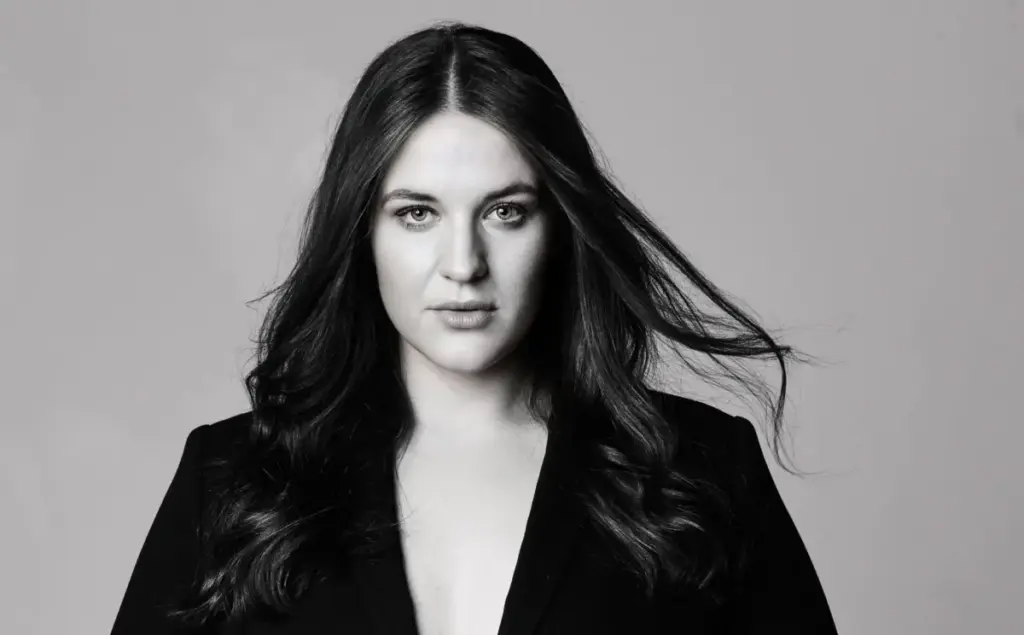
For theatre enthusiasts across New England, the casting announcements read like a masterclass in contemporary musical theatre talent. The ensemble features an array of heavy-hitting Broadway veterans, beloved regional favorites, and industry multi-hyphenates. Rodd Cyrus (Ragtime) is stepping into the worn sneakers of the lovelorn floral assistant Seymour Krelborn, while Harbour Lights favorite Caitlin Zerra Rose reprises her artistic relationship with the company to step once again into the floral print dress of Audrey.
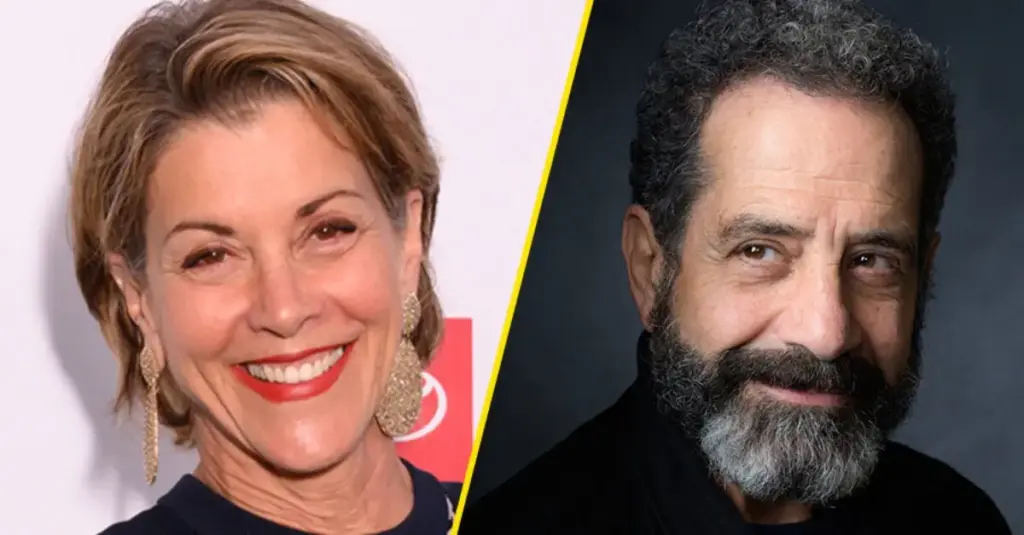
The production’s supporting and featured slots are equally formidable. Bud Weber (Death Becomes Her, The Book of Mormon) will lean into his comedic and villainous chops as the sadistic dentist Orin Scrivello, DDS. Meanwhile, everyone’s favorite SiriusXM Broadway host, music director, author, and Playbill columnist Seth Rudetsky is trading the radio airwaves for the dusty aisles of Mushnik’s Skid Row Florists as the opportunistic Mr. Mushnik. Providing the booming, soulful, and menacing vocals for the carnivorous extra-terrestrial threat, Audrey II, is Broadway veteran Eric Jordan Young (Ragtime, The Look of Love). Finally, the show’s iconic Greek chorus of street urchins—Ronnette, Chiffon, and Crystal—will be brought to vivid, harmonious life by the powerhouse trio of Melanie Puente Ervin, Avela Fongoqa, and Maya Jean.
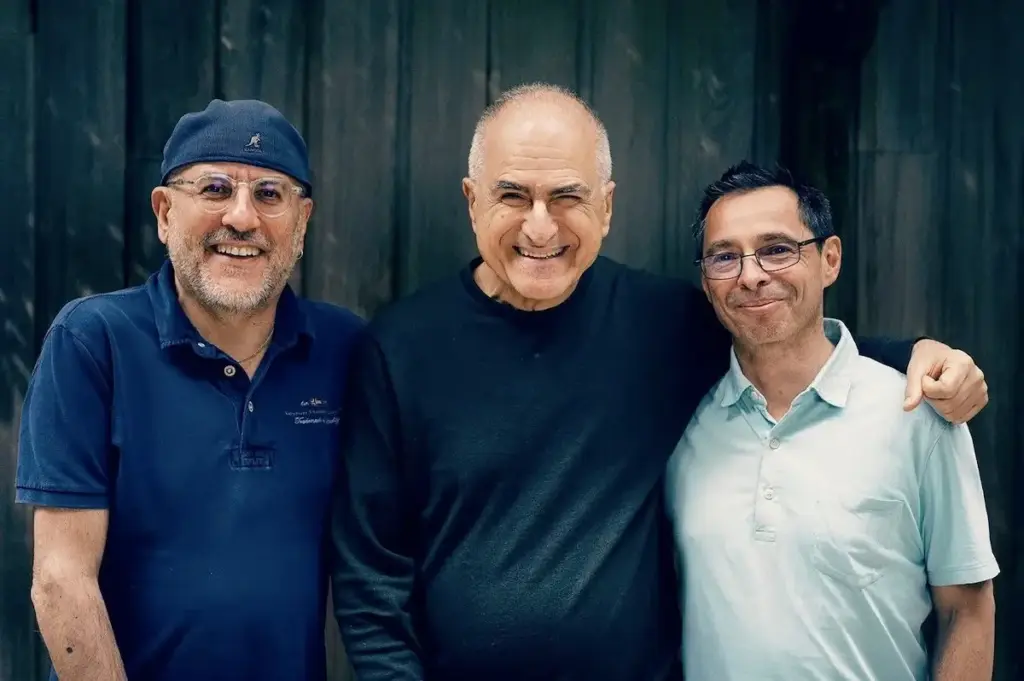
Behind the scenes, Butler is joined by a top-tier creative team, including choreographer and associate director Amber Ardolino, associate choreographer Nick Drake, and music director Jake Turski. Together, this exceptional collective of artists promises to deliver a fresh, deeply human, yet deliciously macabre take on a title that has charmed and chilled audiences for over four decades.
Tickets for the strictly limited five-day engagement are currently available to the public and can be secured by visiting the official Harbour Lights Theatre website at HarbourLightsTheatre.com.
Detailed Chronology: From Skid Row Origins to Duxbury’s Main Stage
To understand the magnitude of Harbour Lights Theatre’s upcoming mounting, one must trace the winding, culturally transformative timeline of Little Shop of Horrors—a property that transformed from an ultra-low-budget cinematic experiment into one of the most performed and beloved musicals in theatrical history.
The 1960 Genesis and the 1982 Off-Broadway Explosion
The mythos of Little Shop of Horrors began in 1960 with a black-and-white, non-union horror-comedy film directed by low-budget auteur Roger Corman. Shot over the span of just two days using standing sets left over from The Cry Baby Killer, the original movie featured a script by Charles B. Griffith and famously included a very young Jack Nicholson in a memorable supporting role as a masochistic dental patient. Though initially released as the bottom half of a double feature, the film quickly developed a passionate, midnight-movie cult following, celebrated for its unique blend of dark gags, suburban mundanity, and creature-feature thrills.
More than two decades later, the property found its ultimate artistic vehicle when composer Alan Menken and lyricist/book writer Howard Ashman—a visionary creative duo searching for their next major project—seized upon Corman’s film. Eschewing the traditional, bloated formulas of contemporary commercial musicals, Menken and Ashman crafted a brilliant pastiche score that heavily leaned into early 1960s rock-and-roll, doo-wop, Motown, and traditional blues.
The stage musical made its world premiere on May 6, 1982, at the WPA Theatre in New York’s Chelsea neighborhood before transferring to the Orpheum Theatre in the East Village on July 27, 1982. Directed by Howard Ashman himself, the original Off-Broadway production was an instantaneous, runaway critical and commercial smash. It starred Lee Wilkof as Seymour and Ellen Greene as Audrey. Greene’s performance—characterized by a signature, vibrato-heavy, breathless vocal delivery and a heartbreakingly vulnerable physical persona—instantly cemented her portrayal as definitive. The production ran for 2,209 performances, capturing the Drama Desk Award for Outstanding Musical and setting a long-standing record as the highest-grossing Off-Broadway production in history up to that point.
The 1986 Adaptation and the 2003 Broadway Landmark
The undeniable theatrical success of the stage show naturally paved the way for a major Hollywood adaptation. Released in 1986 and directed by puppetry legend Frank Oz, the cinematic version starred Rick Moranis as Seymour and featured a legendary supporting cast including Steve Martin as Orin Scrivello, Bill Murray, and Levi Stubbs of the Four Tops as the voice of Audrey II. While the film initially featured a famously apocalyptic, dark ending where the plants completely conquer New York City and consume the main characters—a conclusion faithful to the original stage show—test audiences rebelled against the grim fates of Seymour and Audrey. Warner Bros. famously forced the production to shoot a happier, alternate ending where the plant is destroyed and the couple finds domestic bliss in a suburban tract house. (The original "mean" ending was finally restored and released to home media decades later, much to the delight of purists).
Despite its cinematic success, it took until 2003 for Little Shop of Horrors to finally cross the threshold and make its official Broadway debut. Opening at the Virginia Theatre on August 15, 2003, the production was helmed by director Jerry Zaks and starred Hunter Foster as Seymour and Kerry Butler as Audrey. This milestone production ran for 40 previews and 372 regular performances, introducing a new generation of theatregoers to the Faustian bargain of Skid Row.
The Modern Era and Harbour Lights Theatre’s Vision
Today, Little Shop of Horrors remains an absolute staple of global theatrical culture. An ongoing, critically acclaimed Off-Broadway revival at the Westside Theatre—which has seen a rotating roster of major stars step into the leading roles since its opening in 2019—proves that the appetite for Menken and Ashman’s carnivorous creation shows no signs of diminishing.
Now, Harbour Lights Theatre is adding its own distinguished chapter to this rich chronology. By placing the production in the hands of Kerry Butler—who lived the role of Audrey eight times a week on Broadway—the company is ensuring a direct, generational line of artistic stewardship. Butler’s transition from actor to director promises a production grounded in historical authenticity while pulsing with the spontaneous, actor-driven energy that regional theatre at its finest can provide.
Supporting Context & Metrics: Breaking Down the Talent
The casting choices for Harbour Lights Theatre’s Little Shop of Horrors represent an extraordinary cross-section of Broadway pedigree, vocal mastery, and comedic timing. Below is a comprehensive breakdown of the creative forces assembling in Duxbury:
- Kerry Butler (Director): A titan of the contemporary musical theatre stage, Butler’s resume is a roadmap of legendary Broadway originating roles. Beyond playing Audrey in the 2003 Broadway revival, Butler originated the iconic role of Penny Pingleton in the mega-hit Hairspray (2002) and Barbara Maitland in the Tim Burton-inspired Beetlejuice (2019). She received a Tony Award nomination for Best Actress in a Musical for her performance as the roller-skating muse Kira in Xanadu (2007). Her extensive New York theatrical footprint also includes Off-Broadway’s Heathers the Musical and the New York City Center Encores! presentation of Bat Boy.
- Rodd Cyrus (Seymour Krelborn): Stepping into the oversized glasses and tattered apron of the meek florist assistant, Cyrus brings major theatrical chops, most recently seen associated with the highly anticipated Broadway mounting of Ragtime. Cyrus brings a grounded, vulnerable authenticity crucial to selling Seymour’s tragic descent into moral compromise.
- Caitlin Zerra Rose (Audrey): A beloved favorite within the Harbour Lights Theatre artistic family, Rose returns to the company to take on one of the most demanding and beloved soprano roles in the musical theatre canon. Rose’s deep familiarity with the Duxbury audience ensures a deeply connected, emotionally resonant performance.
- Bud Weber (Orin Scrivello, DDS): Known for his razor-sharp comedic timing and powerful physical presence, Weber brings major Broadway experience from smash hits including The Book of Mormon and the recent musical adaptation of Death Becomes Her. As the leather-jacketed, nitrous-huffing sadist who torments Audrey, Weber is primed to steal scenes and chew scenery.
- Seth Rudetsky (Mr. Mushnik): A true renaissance man of the American theatre, Rudetsky is widely recognized across the globe as the afternoon host on SiriusXM’s On Broadway channel, an acclaimed music director, concert pianist, author, and frequent Playbill columnist. Rudetsky’s deep encyclopedic knowledge of musical theatre history, combined with his formidable comedic presence, makes his casting as the grasping flower shop owner an inspired piece of theatrical casting.
- Eric Jordan Young (Audrey II): Giving voice—and vocal dominance—to the insidious, bloodthirsty "Mean Green Mother from Outer Space," Young is a seasoned Broadway veteran whose credits include Ragtime and The Look of Love. Young’s powerhouse vocal instrument is tailor-made to handle the blistering, soul-infused rock score required to bring the alien botanical terror to life.
- Melanie Puente Ervin, Avela Fongoqa, and Maya Jean (The Street Urchins): Serving as the dramatic and musical narrators of the piece, this trio of vocal dynamos will handle Menken and Ashman’s intricate, soaring three-part vocal arrangements that anchor numbers like "Little Shop of Horrors," "Da-Doo," and " Skid Row (Downtown)."
- Amber Ardolino (Choreographer & Associate Director) & Nick Drake (Associate Choreographer): Ardolino, a prolific Broadway performer and creative force, teams up with Drake to ensure the physical storytelling of Skid Row matches the kinetic energy of the musical score.
- Jake Turski (Music Director): Tasked with steering the rock-and-roll, doo-wop band through Menken’s demanding arrangements, Turski completes a creative dream team.
Official Statements: Director Kerry Butler on Revisiting Skid Row
The emotional core of Harbour Lights Theatre’s production centers largely on the unique perspective brought by its director. Having lived inside the psychology of the show’s female protagonist during her landmark 2003 Broadway run, Kerry Butler approaches the material not merely as a director for hire, but as a custodian of theatrical history.
In an expansive earlier statement reflecting on her return to the property, Butler articulated her deep, lifelong connection to the material and her vision for the upcoming regional mounting:
“Little Shop has always held such a special place in my heart,” shared Butler. “Playing Audrey was one of those experiences that stays with you, and I’m so excited to come back to this show now as a director. It’s funny and weird and heartfelt and a little bit dangerous, and underneath all of that is a story about people who desperately want something more for their lives. I can’t wait to dig into it with this cast and find our own version of Skid Row.”
Butler’s insightful commentary highlights the paradoxical nature of Little Shop of Horrors. On the surface, it is a broad, campy sci-fi spoof involving an alien plant that demands human sacrifice in exchange for fame and fortune. Yet, beneath the green vines, rubber latex puppetry, and infectious doo-wop hooks lies a poignant, deeply melancholic parable about the American dream deferred, late-capitalist desperation, and the desperate yearning for human connection in an unforgiving urban landscape. By focusing on the emotional truths of characters like Seymour and Audrey—both trapped in cycles of abuse, poverty, and anonymity—Butler’s directorial ethos seeks to ground the theatrical absurdity in genuine, bleeding-heart humanity.
Future Outlook: The Impact of Regional Star Power on Massachusetts Theatre
As the theatrical landscape across the United States continues to evolve in the post-pandemic era, regional theatre companies are increasingly finding success by pairing high-caliber Broadway creative talent with intimate, community-focused performance spaces. Harbour Lights Theatre’s staging of Little Shop of Horrors at The Ellison Center for the Arts in Duxbury stands as a prime example of this flourishing artistic model.
By securing a visionary director of Kerry Butler’s stature—alongside national names like Seth Rudetsky, Bud Weber, and Rodd Cyrus—Harbour Lights is effectively bridging the gap between Broadway and the South Shore. This production signals to audiences and critics alike that regional theatre in Massachusetts is not merely a venue for safe, conventional revivals, but a vibrant laboratory where top-tier professionals can collaborate, innovate, and reinterpret classic texts away from the immense financial pressures of the Great White Way.
Furthermore, the limited five-day window of the engagement (running strictly from October 21 through October 25) creates an immediate sense of theatrical urgency. Tickets are expected to move at a rapid pace as musical theatre aficionados from Boston, Cape Cod, and beyond make the pilgrimage to Duxbury to witness this unique convergence of talent.
For those fortunate enough to secure a seat at The Ellison Center for the Arts, the production promises to be far more than a nostalgic trip down memory lane. Under Butler’s expert guidance, with a cast that balances seasoned veterans and fresh artistic voices, Skid Row is poised to feel terrifyingly vital, musically exhilarating, and emotionally devastating all over again.
Ticket Information
Performances of Little Shop of Horrors will run from October 21 through October 25 at The Ellison Center for the Arts, located in Duxbury, Massachusetts. Due to the limited engagement and high anticipated demand following this major casting announcement, patrons are strongly encouraged to secure their tickets immediately.
For complete performance schedules, ticketing tiers, and additional information regarding Harbour Lights Theatre’s upcoming 2025-2026 season, visit the official ticketing portal at HarbourLightsTheatre.com.