
Executive Overview
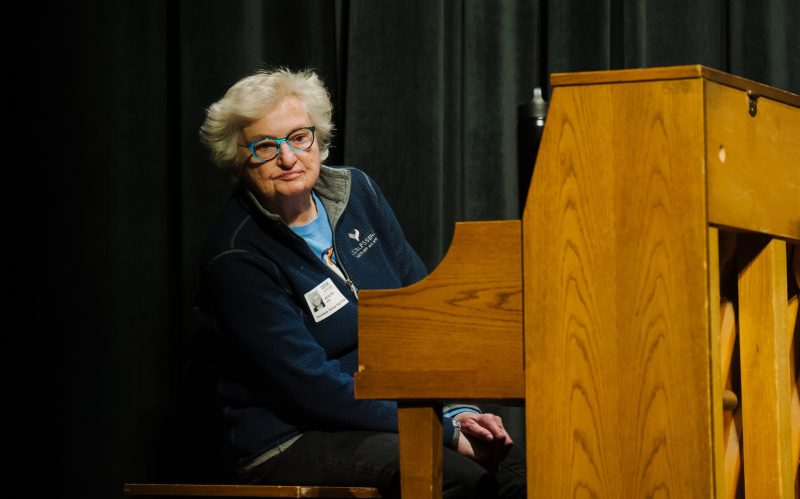
For over two decades, pianist and musical director Anita Ruth has served as a foundational force within the VocalEssence WITNESS School Program, an educational initiative that brings African American history and musical traditions directly into Upper Midwest classrooms. What began as a chance encounter in a downtown Minneapolis cabaret nearly thirty years ago evolved into one of the most enduring and impactful artistic partnerships in Minnesota’s arts-education landscape. Alongside acclaimed vocalist and actor T. Mychael Rambo, Ruth has transitioned from a traditional accompanist into an active Teaching Artist, utilizing vocal music—specifically African American Spirituals—to bridge historic cultural narratives and address critical social-emotional learning needs in K–12 environments.
The VocalEssence WITNESS School Program, originally established under the umbrella of the Plymouth Music Series, serves thousands of students annually through immersive artist residencies, workshops, and interdisciplinary curricula. By integrating historic repertoire with direct classroom engagement, the program provides students—including those in specialized emotional and behavioral development settings—with non-traditional avenues for communication, historical understanding, and personal expression. This investigative report examines the origins, pedagogical frameworks, measurable impacts, and future trajectory of Ruth and Rambo’s collaborative work, illustrating how community-based arts outreach continues to reshape regional education.
+-----------------------------------------------------------------------------------+
|                        VOCALESSENCE WITNESS PROGRAM MATRIX                        |
+----------------------+------------------------------------------------------------+
| Core Mission         | Educating K-12 students on African American culture,       |
|                      | history, and contributions through vocal music.            |
+----------------------+------------------------------------------------------------+
| Key Figures          | • Anita Ruth (Teaching Artist & Pianist)                   |
|                      | • T. Mychael Rambo (Teaching Artist & Vocalist)            |
|                      | • VocalEssence (formerly Plymouth Music Series)            |
+----------------------+------------------------------------------------------------+
| Pedagogical Scope    | • Interactive school residencies and music workshops       |
|                      | • Specialized interventions for neurodivergent classrooms   |
|                      | • Historical curriculum centered on African American       |
|                        Spirituals and contemporary choral works                   |
+----------------------+------------------------------------------------------------+
| Longitudinal Impact  | Over 20 years of continuous active residency work,         |
|                      | reaching thousands of Minnesota students across district   |
|                      | and special education lines.                               |
+----------------------+------------------------------------------------------------+
Detailed Chronology
The Genesis: Ruby’s Cabaret and Early Collaborations (c. 1990s)
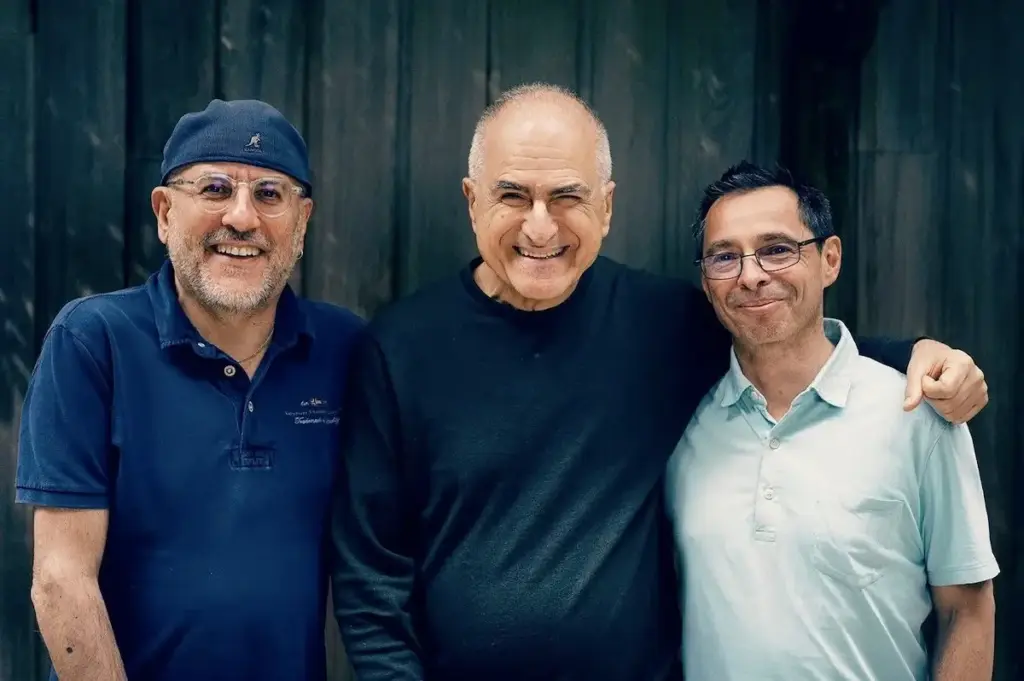
The origin of this pedagogical partnership traces back roughly three decades to downtown Minneapolis at Ruby’s Cabaret, a prominent venue within the local performance ecosystem of the late 20th century. Ruth, an accomplished pianist working within the regional theater and cabaret circuit, was introduced to T. Mychael Rambo during a production at the venue. Rambo, whose vocal range and stage presence had already established him as a prominent cultural figure in the Twin Cities, recruited Ruth to provide piano accompaniment for a series of school auditorium performances sponsored by what was then known as the Plymouth Music Series.
The Turning Point: "What Are You Doing Behind That Piano?"
In the initial stages of their work with the Plymouth Music Series WITNESS program, Ruth fulfilled the standard role of an off-stage or background accompanist. However, during an auditorium performance, Rambo directly challenged this traditional boundary. Turning to Ruth mid-performance, he asked a pivotal question: "What are you doing behind that piano?"
This moment marked a dynamic shift in their performance structure. Encouraged by Rambo’s mentorship and modeling, Ruth stepped out from a purely supportive musical role to become a fully fledged WITNESS Teaching Artist. This evolution transformed their school visits from passive listening assemblies into interactive, dual-facilitated workshops where instrumental accompaniment, vocal performance, and oral storytelling were integrated into a unified teaching methodology.
Institutional Evolution: Plymouth Music Series to VocalEssence
As the Plymouth Music Series rebranded to VocalEssence under the leadership of founder Philip Brunelle, the WITNESS program expanded its operational footprint. Ruth and Rambo’s partnership adapted alongside the organization, expanding from broad auditorium presentations to focused, multi-day classroom residencies. Over the subsequent two decades, Ruth became a core contributor to the program’s outreach infrastructure, participating in teacher training workshops, co-designing school curricula, and conducting targeted interventions in high-needs school districts across Minnesota.
TIMELINE OF DEVELOPMENT
========================================================================================
[c. 1990s] ------- Anita Ruth & T. Mychael Rambo meet at Ruby's Cabaret (Minneapolis)
     |
[Mid-1990s] ------ Initial engagement with Plymouth Music Series WITNESS Program
     |
[Transition] ----- Rambo prompts Ruth to shift from accompanist to co-facilitator
     |
[2000s–Present] -- Expansion under VocalEssence; implementation of specialized classroom
                   residencies and emotional-learning interventions
========================================================================================
Supporting Context & Pedagogical Metrics
African American Spirituals as Historical and Educational Artifacts
The core curriculum of the VocalEssence WITNESS School Program relies on the preservation and interpretation of African American Spirituals—songs originally created by enslaved Africans in North America. Within the instructional model developed by Ruth and Rambo, these compositions are not presented merely as artistic artifacts, but as primary historical documents that convey complex socio-political messages, embedded escape codes, and profound psychological resilience.
Research in arts integration demonstrates that music-based history instruction increases cognitive retention and empathy among K–12 students. By pairing Rambo’s vocal interpretations with Ruth’s contextual piano arrangements, the duo translates abstract historical data regarding chattel slavery and the Underground Railroad into accessible, emotionally resonant concepts for younger audiences.
+-----------------------------------------------------------------------------------+
|                  PEDAGOGICAL FRAMEWORK: MUSIC & HISTORICAL ANALYSIS               |
+----------------------------+------------------------------------------------------+
| Historical Context         | Examination of chattel slavery, resistance movement, |
|                            | and oral traditions in the antebellum South.         |
+----------------------------+------------------------------------------------------+
| Musical Analysis           | Deciphering double-entendre lyrics, rhythm structures|
|                            | harmonic signatures, and call-and-response patterns. |
+----------------------------+------------------------------------------------------+
| Socio-Emotional Learning   | Connecting historical resilience to modern student   |
|                            | empathy, collaborative singing, and self-expression. |
+----------------------------+------------------------------------------------------+
Application in Special Education and High-Needs Settings
A critical, often underreported dimension of the WITNESS program’s outreach involves its deployment in specialized learning environments. Ruth and Rambo frequently conduct residencies in classrooms serving students diagnosed with severe emotional, behavioral, and learning disabilities. In these settings, traditional verbal and text-based instructional methods often encounter significant barriers.
Music therapy and community arts literature consistently highlight the non-verbal communicative properties of rhythmic and melodic engagement. By introducing collaborative songs—such as those composed by modern community song leaders like Melanie DeMore—Ruth and Rambo establish a low-stakes, highly sensory environment that invites participation without requiring immediate verbal compliance or academic performance.
Official Statements and Field Observations
The Power of Non-Verbal Breakthroughs: A Case Study
Reflecting on her twenty-year tenure as a Teaching Artist, Ruth documented a specific incident that underscores the socio-emotional impact of the program within special education classrooms:
"While doing WITNESS residencies, T. Mychael and I were often in classrooms with students who had severe emotional and learning disabilities. We were fortunate to have the gift of music to share in our communications. In one particular instance we were told that a young girl, a fourth grader, refused to speak or participate in any activities in the classroom. We were teaching the kids a wonderful Melanie DeMore song and she was sitting away from the class, looking out the window.
As we were teaching, I could see she was edging closer to the group. After ten minutes she had worked her way to the piano. I asked if she wanted to sit with me on the bench, and she said ‘Yes!’ The teacher was amazed at that, but even more so when she picked up a tambourine and started to play with us! It was truly an example of the power of music."
Collaborative Dynamics and Institutional Framing
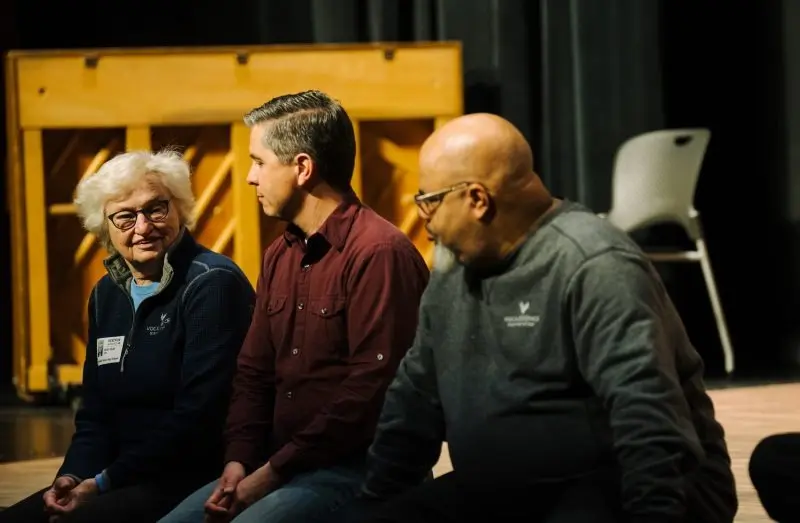
The success of these interventions relies on the structural harmony between the lead vocal artist, the instrumentalist, and classroom educators. Classroom teachers, such as Jason Etten—who has participated in WITNESS workshops alongside Ruth and Rambo—note that the program’s effectiveness stems from its ability to disrupt traditional classroom hierarchies and create inclusive physical spaces around instruments like the piano.
+-----------------------------------------------------------------------------------+
|                     FIELD OBSERVATION: CLASSROOM ENGAGEMENT MATRIX                |
+------------------------+----------------------------------------------------------+
| Initial Student Status | Non-verbal, isolated physically by the classroom window.  |
+------------------------+----------------------------------------------------------+
| Intervention Stage 1   | Passive exposure to rhythmic/melodic teaching (DeMore).  |
+------------------------+----------------------------------------------------------+
| Intervention Stage 2   | Incremental spatial movement toward the piano.           |
+------------------------+----------------------------------------------------------+
| Behavioral Breakthrough| Direct verbal agreement ("Yes!") to sit on the bench;     |
|                        | active rhythmic participation via tambourine.            |
+------------------------+----------------------------------------------------------+
Ruth emphasizes that her personal and professional growth throughout the residency work is deeply intertwined with the collaborative ecosystem maintained by VocalEssence:
"Together with T. Mychael we were able to bring the true history of enslaved Africans to the students who needed to know this story. And best of all, we brought the story to hundreds of students through music! T. Mychael is a wonderful interpreter of the songs created by enslaved Africans—the Spirituals. The effect of the enrichment of African American history that VocalEssence Teaching Artists provide is invaluable. I have gained so much knowledge and important insights from working with these wonderful people."
Future Outlook
Sustaining Arts-Integrated Curricula Amid Educational Shifts
As school districts across the United States navigate post-pandemic learning deficits, shifting budget priorities, and evolving standardized testing mandates, community-funded arts programs like VocalEssence WITNESS face both increased demand and heightened scrutiny. The demonstrated efficacy of Teaching Artists in addressing trauma, social-emotional development, and cultural literacy positions the WITNESS program as a vital model for contemporary educational strategy.
+-----------------------------------------------------------------------------------+
|                        FUTURE STRATEGIC DIRECTIVES FOR WITNESS                     |
+-----------------------------------------------------------------------------------+
| 1. Expanding Specialized Reach                                                    |
|    Increase residencies in alternative learning centers and special education     |
|    classrooms, scaling the non-verbal intervention methods refined by Ruth/Rambo. |
+-----------------------------------------------------------------------------------+
| 2. Curriculum Digitization & Archiving                                            |
|    Develop digital repositories of WITNESS workshops to allow rural and           |
|    under-resourced schools access to African American history music curricula.    |
+-----------------------------------------------------------------------------------+
| 3. Next-Generation Teaching Artist Pipeline                                       |
|    Establish formal mentorship programs pairing veteran artists like Anita Ruth   |
|    and T. Mychael Rambo with emerging musicians entering educational outreach.    |
+-----------------------------------------------------------------------------------+
The Legacy of the Teaching Artist Model
The model developed by Ruth, Rambo, and VocalEssence underscores a broader movement within arts education: the transition from passive cultural appreciation to active, participatory intervention. By training professional musicians to navigate complex classroom dynamics, regional arts organizations ensure that music remains an active tool for equity, historical truth-telling, and therapeutic engagement.
As Anita Ruth enters her third decade with the VocalEssence WITNESS School Program, her journey from a downtown cabaret accompanist to a pivotal educational figure serves as a case study in the transformative potential of institutional arts outreach. The continued integration of historically grounded musical traditions within K–12 public education offers a proven path forward for fostering both academic understanding and human empathy in diverse learning environments.