
Executive Overview
In an era where elite academic institutions routinely churn out conservatory-trained jazz musicians in unprecedented numbers, the industry faces a profound existential reckoning. The challenge is no longer merely about technical proficiency—which has arguably never been higher—but rather about market viability and artistic authenticity. How do these graduates carve out sustainable careers and capture elusive audiences in an oversaturated market? More importantly, how can contemporary artists forge genuinely fresh sounds when the genre’s sprawling historical precedents threaten to suffocate innovation?
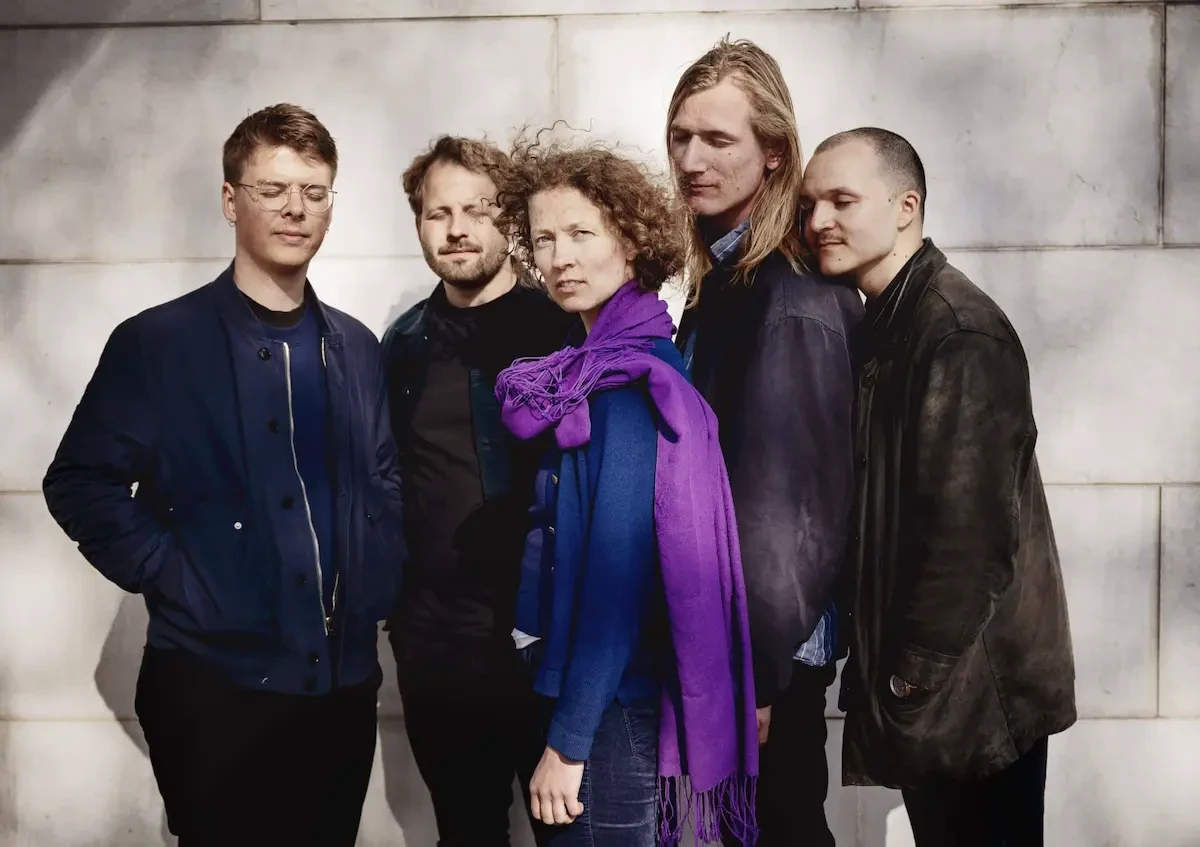
Against this complex backdrop, two recent releases offer contrasting meditations on the state of modern improvised music. The first is Øyeblikk, a collaborative tour de force by the avant-garde large ensemble Caktus x Ojkos, released via Sonic Transmissions Records (STRLP65). The second is Subcurrents, a career-spanning retrospective compilation from the octogenarian Danish pianist Ole Matthiessen, issued on Storyville Records (1014371).
While Caktus x Ojkos represents the vibrant, unpredictable edge of contemporary Scandinavian jazz—melding structural rigor with emotional resonance—Matthiessen’s retrospective surveys a lifetime of dedication, navigating the fault lines between academic exploration and compelling narrative drive. Together, these releases illuminate the enduring tensions of a genre constantly forced to negotiate its own heritage.
+-----------------------------------------------------------------------------------+
|                              ALBUM COMPARISON MATRIX                              |
+--------------------------+-----------------------------+--------------------------+
| Feature                  | Caktus x Ojkos: Øyeblikk    | Ole Matthiessen: Subcurrents|
+--------------------------+-----------------------------+--------------------------+
| Primary Artists / Leader | Maria Dybbroe (Composer)    | Ole Matthiessen (Piano)  |
| Ensemble Scale           | Large Ensemble (13 members) | Variable (Solo to Quartet)|
| Geographic Hub           | Oslo, Norway                | Copenhagen / Aalborg     |
| Record Label             | Sonic Transmissions Records | Storyville Records       |
| Release Code             | STRLP65                     | 1014371                  |
| Core Aesthetic           | Unsettled serenity, nuance  | Archival overview, varied|
| Standout Track           | "Min Have" / "Kalvøya"      | "Tapping" (Global Units) |
+--------------------------+-----------------------------+--------------------------+
Detailed Chronology: The Making of Øyeblikk and Subcurrents
To fully appreciate the artistic weight of these projects, one must examine their developmental timelines, compositional origins, and the specific recording environments that brought them to life.
Caktus x Ojkos: Øyeblikk (Sonic Transmissions Records)
Recorded live at the prestigious Victoria Nasjonale Jazzscene in Oslo, Norway, Øyeblikk is the product of an intensive creative partnership between the avant-garde collective Caktus and the renowned large-format ensemble Ojkos. While specific recording dates remain uncredited in the liner notes, the resulting 64-minute and 58-second suite (Staerk Strom; Kalvøya; Fornebu; Trollhättan; Min Have; Det Nye År) documents an ensemble operating at the absolute peak of its powers.
At the helm of the compositional vessel is clarinetist and alto saxophonist Maria Dybbroe. Rather than relying on rigid, traditional big band charts, Dybbroe constructs expansive sonic landscapes that pull from a deep well of disparate influences without ever tipping into pastiche. Her writing achieves a delicate balancing act: it introduces a distinct identity capable of engaging both the intellect and the emotional core, laced with an intrinsic sense of intrigue. Repeated listenings do not diminish its luster; rather, they yield expanding sonic rewards, peeling back layers of orchestration and micro-dynamics.
The opening movements establish a moody, atmospheric tension. On Kalvøya, Dybbroe expertly channels elements of Terry Riley-esque minimalism, weaving repetitive, hypnotic patterns that gradually evolve. Simultaneously, the piece evokes the monumental, textured group-formings pioneered by Wadada Leo Smith for larger ensembles. Around the four-minute mark, Kalvøya blossoms open, serving as a subtle preamble to an uncredited yet blistering trumpet solo. The harmonic and rhythmic progression here is entirely devoid of contrivance; it breathes naturally, expanding organically from a quiet whisper to an arresting sonic architecture.
Equally striking is the 12-minute centerpiece, Min Have. Across its extended duration, the composition exhibits a rare, sophisticated appreciation for subtlety and nuance—qualities frequently discarded in the rush for immediate gratification in contemporary jazz. The ensemble purposefully maintains a safe distance from the clichés of the dance floor, the academic furrowed brow, and the self-conscious, chin-stroking analytical posture. The music may present a cool, slightly forbidding exterior, but beneath that icy veneer lies a beating heart and an unquenchable spirit of discovery.
[Compositional Phase: Maria Dybbroe]
       ↓
[Arranging for 13-Piece Ensemble]
       ↓
[Live Performance at Victoria Nasjonale Jazzscene, Oslo]
       ↓
[Mastering & Release via Sonic Transmissions (STRLP65)]
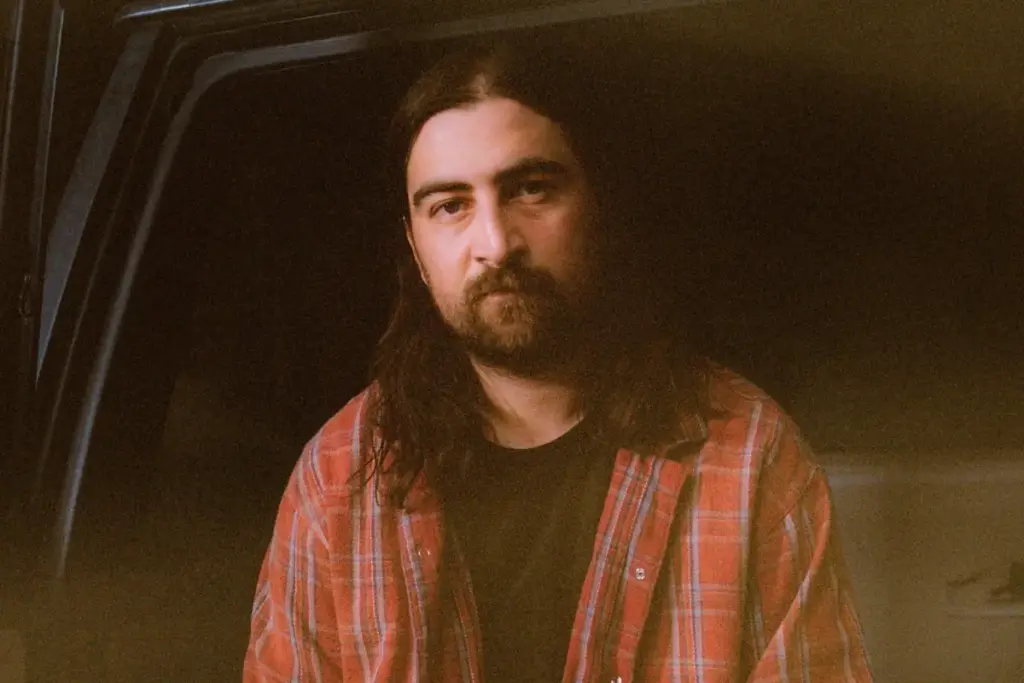
Ole Matthiessen: Subcurrents (Storyville Records)
Spanning an astonishing 55-year chronology from 1968 to 2023 (with newly recorded bookends completed in November 2025), Subcurrents offers a panoramic window into the career of Danish pianist and keyboardist Ole Matthiessen, who celebrated his 80th birthday this year. Compiled across a 71-minute and 23-second runtime (Subcurrent 1; Den Toppede Høne; Footloose; Istanbul Memories; One For Ben; Tapping; Subcurrent 2), the album documents a musician who has spent decades exploring the peripheries of jazz, electro-acoustic performance, and free improvisation.
Despite reaching this monumental career milestone, Matthiessen remains a relatively new name to many international listeners. This retrospective, drawing from sessions in Aalborg and Copenhagen, aims to correct that oversight. However, the sprawling scope of the compilation also exposes the inherent difficulties of summarizing a protracted career: while the technical accomplishment is undeniable, the music occasionally lacks the razor-sharp edge required to make the overarching narrative completely compelling.
The compilation is bookended by two solo piano pieces simply titled Subcurrent 1 and Subcurrent 2, both recorded in November 2025. Laden with the wisdom of a lifetime of musical experience, these tracks avoid wasted energy or cheap grand gestures. Yet, a closer critical inspection reveals that their lyrical core feels somewhat diffuse, lacking the razor-sharp focus and emotional clarity found in masters of the idiom like Bill Evans or Geri Allen.
The historical segments of the compilation offer fascinating time capsules. The Poul Ehlers Quartet, captured live in late December 1968 on Den Toppede Høne, demonstrates the group’s fluency in the rolling, impassioned expressionism characteristic of late-1960s European free jazz. However, lacking distinct individuality, the performance serves more as a stylistic artifact of its time. Clocking in at under four minutes, the track simply doesn’t afford the ensemble enough space to establish a singular, lasting identity.
Supporting Context & Metrics: The Modern Jazz Landscape
To contextualize these releases, one must examine the economic and cultural realities of the contemporary jazz marketplace.
+-----------------------------------------------------------------------------------+
|                         CONTEMPORARY JAZZ MARKET METRICS                          |
+--------------------------+-----------------------------+--------------------------+
| Metric / Factor          | Commercial / Superficial    | Avant-Garde / Indie      |
|                          | Jazz                        | (e.g., Caktus x Ojkos)   |
+--------------------------+-----------------------------+--------------------------+
| Marketing Budget         | High ($50,000 - $200,000+)  | Minimal / Grassroots     |
| Critical Reception       | Often Uncritical Hype       | Rigorous, Scrutinized    |
| Audience Retention       | Low (Trend-driven)          | High (Dedicated Niche)   |
| Production Format        | Streaming-Optimized Singles | Long-form Suites, Vinyl  |
+--------------------------+-----------------------------+--------------------------+
As industry analyst data suggests, works of uncompromising artistic integrity like Caktus x Ojkos’s Øyeblikk operate under severe financial constraints. In today’s attention economy, such releases typically attract only a tiny fraction of the marketing dollars lavished upon commercially sanitized, superficial crossover acts. Furthermore, while mainstream pop-jazz hybrids routinely secure uncritical endorsements from major cultural outlets, daring avant-garde works must rely on word-of-mouth, critical deep-dives, and dedicated independent labels like Sonic Transmissions.
If the author of this critique were still tracking end-of-year jazz polls, Øyeblikk would undoubtedly sit near the very top of the ledger. Its ability to marry compositional sophistication with visceral impact makes it a towering achievement in modern large-ensemble music.
Official Statements & Artist Lineups
An examination of the personnel rosters across both releases reveals an impressive cross-section of Scandinavian jazz royalty, bridging generations of improvisers.
Caktus x Ojkos Personnel (Øyeblikk)
- Tancred Heyerdahl Huso, Lyder Øvreås Roed – Trumpet
- Magnus Murphy Joelson, Johannes Fosse Solvang, Jørgen Bjelkerud – Trombone
- Camille Hole – Soprano Saxophone
- Maria Dybbroe – Clarinet, Alto Saxophone (Lead Composer)
- Sigrid Aftret – Tenor Saxophone
- Tina Legreid Olsen – Contra-Alto Clarinet, Baritone Saxophone
- Arne Martin Nybø – Guitar
- Thorbjørn Kaas – Cello
- Petter Asbjørnsen, Aleksander Hoholm – Bass
- Knut Kvifte Nesheim – Vibraphone, Drums
- Tobias Andreassen – Drums
Ole Matthiessen Personnel Highlights (Subcurrents)
- Ole Matthiessen – Piano, Electric Piano, Modulator
- Erling Kroner – Trombone
- Jesper Zeuthen – Tenor Saxophone
- Malene Bichel – Vocals
- Various additional Danish rhythm section players across sessions spanning 1968–2023.
Among Matthiessen’s extensive catalog featured on Subcurrents, the standout recording is undoubtedly Tapping, performed by the boundary-pushing ensemble Global Units. This track represents the album’s most electrifying and engaging moment, largely because it refuses to pander to facile, nostalgic notions of jazz tradition.
Music critics rarely get the opportunity to invoke bands like the legendary 1960s psychedelic-experimental outfit Fifty Foot Hose as a point of reference. Yet, in the case of Tapping, the comparison is entirely apt. The track captures an abrasive, electronic-acoustic fusion that feels every bit as vital and forward-thinking as the groundbreaking electric miles Davis recordings of the late 1960s and early 1970s.
Future Outlook: Navigating Artistry in the 21st Century
As we look toward the future of improvised music, releases like Øyeblikk and Subcurrents serve as critical guideposts. They highlight two diverging paths for the modern artist:
- The Collective Frontier: exemplified by Caktus x Ojkos, where porous boundaries between composition and free improvisation allow large ensembles to remain vital, unpredictable, and deeply relevant to contemporary sociopolitical and emotional landscapes.
- The Archival Retrospective: exemplified by Ole Matthiessen, where a lifetime of exploration is laid bare, reminding us that longevity in jazz is not merely about accumulating recordings, but about the relentless pursuit of an elusive, personal voice.
The survival of cutting-edge jazz depends heavily on institutional support, independent labels willing to take financial risks, and listeners willing to look past the superficial sheen of algorithmically generated playlists. If ensembles like Caktus x Ojkos continue to push the envelope with the emotional depth and intellectual rigor displayed on Øyeblikk, the future of the genre remains not only secure, but profoundly luminous.