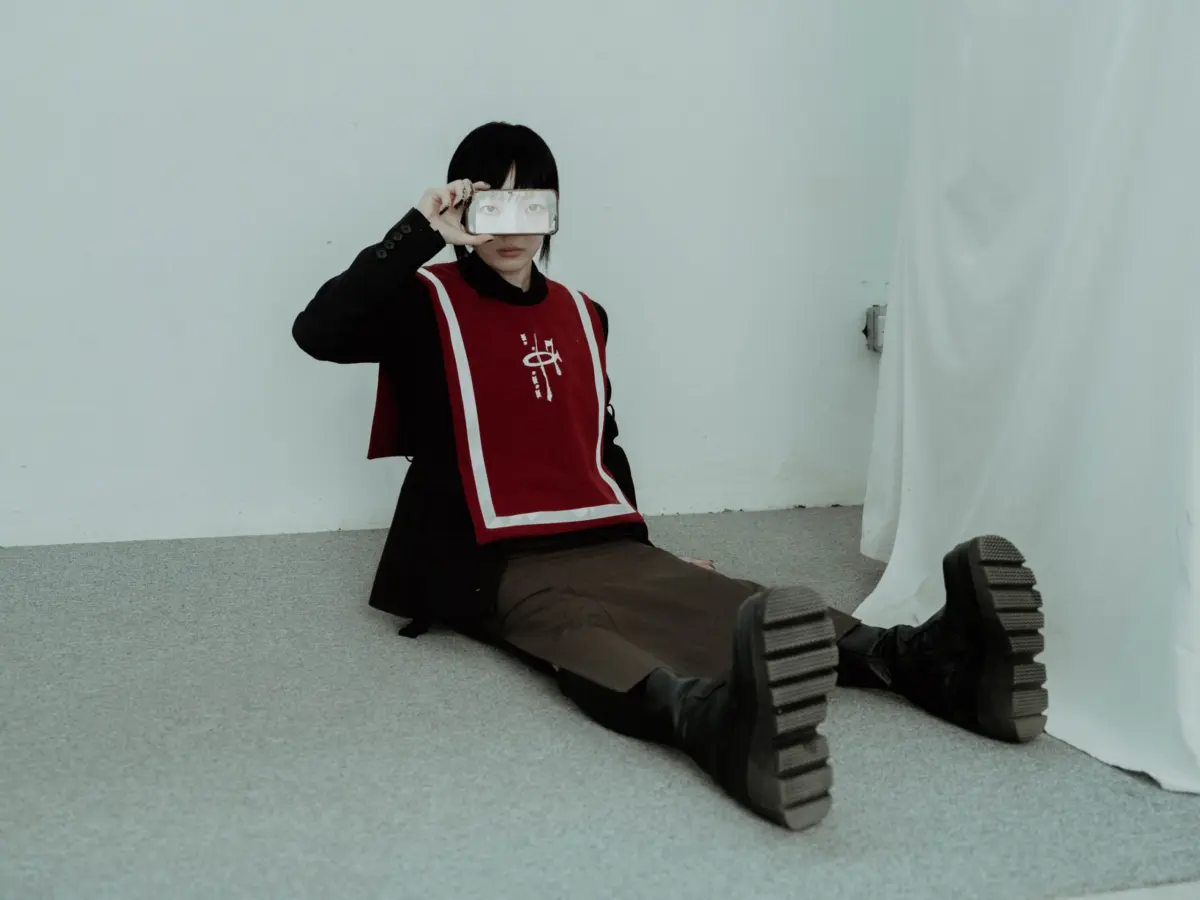

Executive Overview
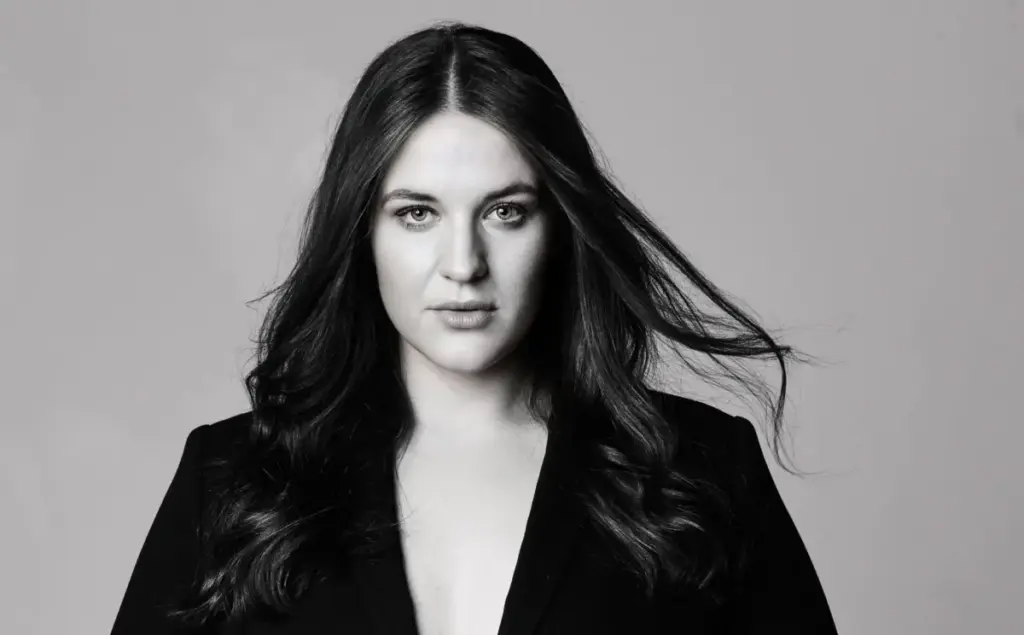
Ten years into a trailblazing career that has continually redefined the boundaries of Asian electronic music, the South Korean producer, vocalist, and visionary known as CIFIKA reached a creative crossroads. Grown weary of the predictable formulas, recurring arpeggio loops, and conventional song structures that saturate contemporary electronic production, the artist made a radical decision. She locked herself inside her immaculate, sound-insulated Seoul studio, cut off all external communication, and embarked on an uncompromising journey of creative introspection.
The resulting 7-track record, Old Fantasy, is not merely an album; it is a manifestation of artistic rebirth. In stripping away the safety nets of collaborative validation, external notes, and industry expectations, CIFIKA has crafted her most visceral, cerebral, and uncompromising work to date. From the ruby-red introspection of her lead single "HEX" to the revolutionary, politically charged urgency of opening track "Who"—born out of the trauma of South Korea’s brief December 2024 martial law crisis—Old Fantasy stands as a masterclass in independent sonic architecture.
This piece explores the exhaustive two-year genesis of the album, the mechanics of CIFIKA’s solitary recording process, the deep emotional weight of her past, and how this landmark project secures her legacy as one of experimental electronic music’s most uncompromising modern auteurs.
Detailed Chronology: The Evolution of Old Fantasy
Phase One: The Breaking Point and the Decision for Isolation
When CIFIKA first broke onto the international electronic music scene in 2016, she was heavily inspired by the undulating, groove-driven textures of producers like Flume. Early releases like "Oozoo" showcased an innate talent for crafting ear-pleasing pop hooks wrapped in left-field aesthetics. Over the next decade, her sonic palette continually mutated. She oscillated between the heavy, subterranean thump of "Heart Piece Collector" and the stark electronic minimalism of "My Ego," deploying a vocal range that could shift seamlessly from guttural, Björk-esque howls to delicate, spectral whispers.
Yet, despite her acclaim, an internal friction was growing. For years, CIFIKA’s creative process had relied on collaboration. She would write vocal lines over pre-existing chords, invite fellow producers into the studio, and adjust her kicks, basslines, and structural choices based on external feedback.
"I’d always change my kicks, bass lines, and vocal lines, based on my producer’s feedback," CIFIKA reflects, looking back from her Seoul studio. "Afterwards, I always had this small regret in my heart. I wanted to believe in myself and give myself a chance."
That quiet dissatisfaction metastasized into a definitive resolution two years ago. To mark her decade-long tenure in the industry, she resolved to strip away every filter. She shuttered her doors, placed her phone on "Do Not Disturb," and began crafting music entirely from scratch, entirely alone.
Phase Two: The Crucible of the Seoul Studio
The physical environment of CIFIKA’s workspace became the crucible for Old Fantasy. The bare walls of her studio, lined with neat squares of acoustic insulation pads, frame stacks of high-end electronic hardware. It was here, in absolute silence and isolation, that she recorded over 40 distinct demos across a grueling two-year period.
Working in total solitude imposed immense psychological pressure. Without a co-producer or an A&R representative to steer her back on course, every micro-decision—from the envelope of a synth patch to the structural cadence of a bridge—fell squarely on her shoulders.
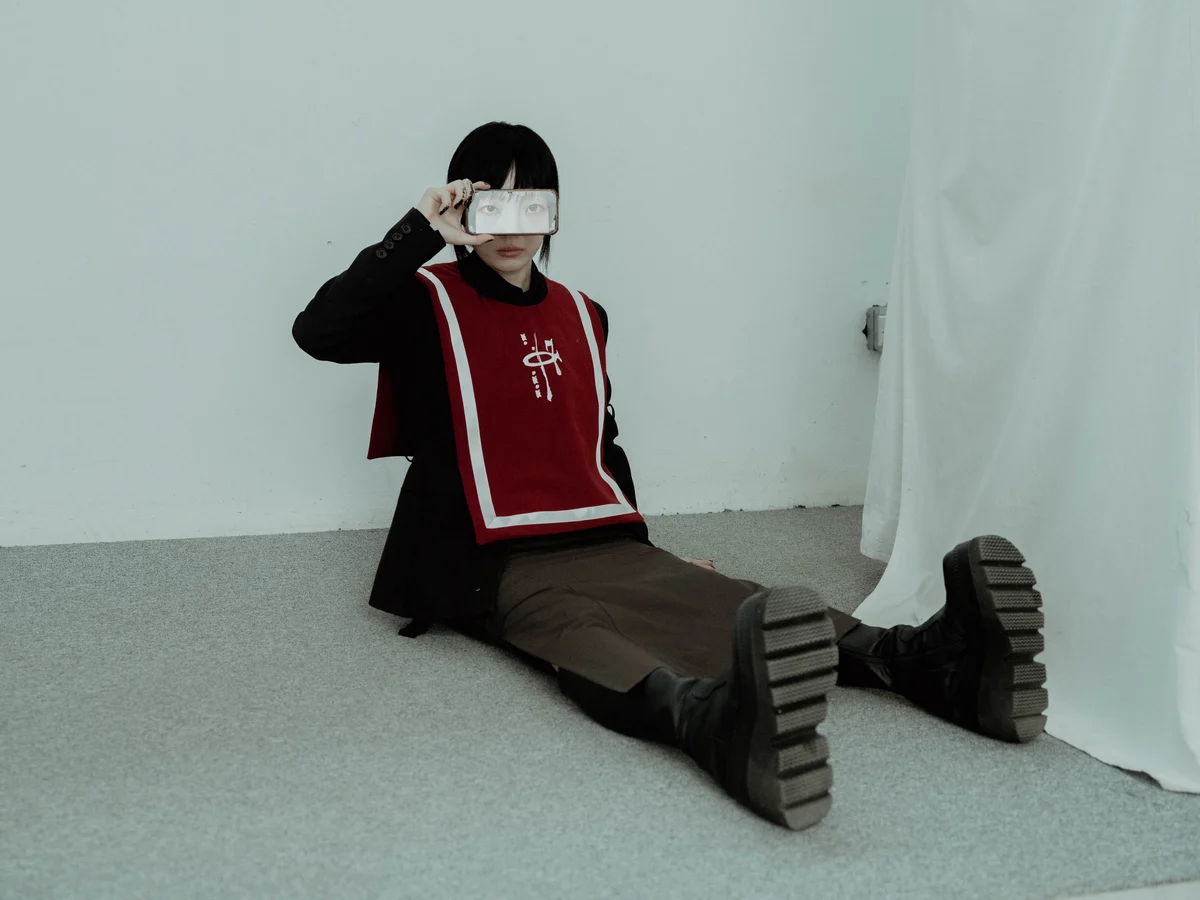
"It was a lot of pressure on myself. It was overwhelming to think about," she admits.
Out of the 40 raw sketches generated during this isolation, she whittled the tracklist down to 20 fully realized pieces before ruthlessly editing them into the 7 tightly cohesive tracks that constitute Old Fantasy. One of her core rules during this marathon of production was the absolute banishment of predictable composition. Having grown bored of standard four-chord loops and repetitive arpeggio patterns, she treated her melodies like interlocking Lego blocks. Every loop was forced to evolve, twist, and mutate, ensuring that no two bars ever sounded identical.
Phase Three: The Crucible of History – "Who" and the Martial Law Crisis
The timeline of Old Fantasy took an urgent, historical turn in December 2024, when South Korea was plunged into political chaos. Then-president Yoon Suk Yeol shocked the nation by declaring martial law, attempting to suspend civil liberties and grant sweeping powers to the military. Though the decree lasted a mere six hours—thwarted swiftly by courageous citizens flooding the streets to defend their democracy—the psychological shockwaves rippled across the country.
For CIFIKA, who lived mere minutes away from the central protest zones in Seoul, the impact was immediate and visceral.
"It was two months after I released my previous album, and I was thinking about starting the next project. Martial law happened, my live shows got cancelled. I was devastated, shocked, worried," she recalls. Witnessing soldiers and impassioned protesters clash in her immediate neighborhood left an indelible mark. "It was intense. No one was harmed, but we almost lost our freedom. I wanted to record that moment."
After the initial panic subsided and stability slowly returned to the streets, CIFIKA channeled her diary entries and letters into what would become the album’s dramatic opener, "Who." Channeling the defiant spirit of historic anti-fascist anthems like Italy’s "Bella Ciao," she built a marching rhythmic cadence overlaid with haunting, self-harmonized vocal layers. Singing lines like "Sometimes, I believe it’s the rapture / That breaks me solely / Break free," she matches the lyrical weight with martial drums, creating a revolutionary anthem born out of democratic survival.
Supporting Context & Metrics: Decoding "HEX" and the Ruby Aesthetic
While socio-political turmoil anchors tracks like "Who," psychological excavation defines the album’s thematic anchor: the lead single, "HEX."
"HEX" serves as a direct portal into CIFIKA’s psyche. The track opens with a clean, vulnerable vocal melody, gradually overtaken by swelling strings and thundering, cinematic piano chords. As the lyric "old fantasy" repeats, the tension tightens before the track undergoes an abrupt, breathtaking sonic fracture. In its place emerges a hypnotic riddle of piano keys interwoven with a chanted digital color code: "#e0115f"—repeated like an incantation.
The Science of the Color Code
To understand "HEX," one must understand CIFIKA’s synesthetic shift in songwriting methodology for Old Fantasy. Whereas previous records began with lyrics grafted onto chords, this project started with visual imagery.

While researching rubies for a visual concept representing emotional resilience, CIFIKA discovered that the finest, highest-grade rubies in the world are classified under the trade term "Pigeon Blood." Translating that organic, visceral concept into the digital domain, she discovered its exact Adobe hexadecimal color code: #e0115f.
"I really liked colours transforming into numbers on the internet," she explains.
Processing Toxic Legacies
The emotional architecture behind this color coding is deeply personal. "HEX" is, at its core, a love song—not in the conventional, romantic sense, but an exploration of survival through toxic interpersonal histories.
"It’s about the past relationships throughout my life. I look back and I had very toxic relationships… and I want to embrace those memories, as that’s also part of my life," she shares.
By taking the trauma of those experiences and metaphorically polishing them down until they crystallized into the enduring, blood-red value of a ruby, CIFIKA found closure.
"I’m ready to accept the fact of all the events that happened to me before, even though it’s a bad memory. I wanted to keep it, and those are my accessories now. That’s the story of the song."
Official Statements & Direct Insights from the Studio
Reflecting on her creative evolution during an exclusive discussion from her Seoul headquarters, CIFIKA articulated the philosophical necessity of her isolation:
"I always loved to work with other producers, but this marks my tenth year of debut as CIFIKA. I took time to actually discover what’s missing in my music. If I really want to make music that’s really pure, with no filter or no unnecessary embellishments, I should make music from scratch on my own without help from outside."
Her meticulous technical execution matches her philosophical clarity. Pointing toward the UB6 hardware synthesizer resting in her studio setup—the exact machine responsible for the pulsing, subterranean basslines of "HEX"—she reveals the staggering depth of her perfectionism:

"I recorded that around 300 times. I lock the door, even if there’s no one at home, I put my iPhone on Do Not Disturb. Completely alone, very quiet, focused."
This commitment to unpolished, raw emotional honesty extends to tracks like "All because of," where gurgling, menacing synths build beneath spoken-word verses before exploding into disorienting crescendos. The lyrics deliberately trail off, leaving listeners suspended in an unresolved existential inquiry: "We came to this end all because of—"
CIFIKA deliberately rejected the slick, over-processed polish that characterizes modern commercial pop production. She wanted the listener to feel the grit, the friction, and the raw working of her inner mind.
Future Outlook: Translating Solitude to the Stage and Beyond
Having completed the grueling, solitary marathon of recording Old Fantasy, CIFIKA faces the unique challenge of translating an intensely insular electronic record into a live performance environment. Rather than relying solely on playback tracks, she has boldly expanded her touring setup, enlisting an electric drummer and a live keyboardist to join her on stage.
"I was worried as this production is highly focused on electronic music elements, but live I wanted to sound very full acoustically. There’s a lot of piano, and even though it’s VST, there’s a lot of orchestral sounds. Live, it will sound more warm and organic, it feels very wholesome."
Looking further ahead, Old Fantasy serves as the foundational cornerstone for her next major artistic evolution. The producer has expressed a deep desire to master the acoustic piano—citing contemporary minimalist composers like Hania Rani as major inspirations—and intends to place acoustic instrumentation at the very forefront of her upcoming work.
Yet, whatever musical directions she chooses to explore in the future, the psychological victory of Old Fantasy remains secure. By daring to lock the studio door, silence the chorus of outside opinions, and trust her own singular vision, CIFIKA has emerged not only as a master of her craft, but as an artist entirely at peace with her past.
Next time she enters the studio to create, she will once again go it alone, entirely free from compromise. And, much like the pigeon-blood rubies encoded in her music, she will do so with zero regrets.