
Executive Overview
As the global music industry races through the final quarter of 2026, the landscape of music marketing continues to undergo a profound metamorphosis. Gone are the days when a standard-issue promotional rollout—consisting of a few radio singles, a coordinated press release, and a localized tour announcement—could guarantee commercial cut-through. Today, artists, labels, and independent marketing agencies are operating in an hyper-fragmented, algorithmically driven ecosystem where capturing genuine consumer attention requires unprecedented levels of creativity, technical savvy, and behavioral psychology.
Against this high-stakes backdrop, the countdown has officially begun for the industry’s most anticipated annual benchmark: Music Ally’s Best Marketing Campaigns of the Year report. With the submission deadline fast approaching on October 5, 2026, marketing teams from major labels, boutique imprints, and independent collectives around the globe are frantically compiling their proudest, most innovative work from the past twelve months.
To whet the industry’s appetite and provide a conceptual roadmap ahead of the main report, Music Ally has released its exclusive Sandbox Guide. This preview publication highlights the standout marketing campaign trends and avant-garde examples that have captivated critics and fans alike so far in 2026. Far from a mere retrospective, the Sandbox Guide serves as a masterclass in modern music promotion, illuminating how contemporary artists are breaking through the noise by blending immersive world-building, interactive technology, community-led activations, and psychological engagement.
This article provides an in-depth exploration of the trends defining 2026 music marketing, dissects the evolving criteria for industry recognition, and examines what the current crop of successful campaigns signals for the future of artist-fan relationships.
Detailed Chronology: The Road to the 2026 Marketing Awards
Understanding the gravity of Music Ally’s annual report requires tracing the systematic evolution of the music marketing calendar throughout 2026. The year began with a stark realization across boardrooms in London, Los Angeles, New York, and Tokyo: traditional digital advertising channels were experiencing severe diminishing returns. Ad fatigue, privacy updates restricting hyper-targeting, and algorithm shifts on major social platforms forced a paradigm shift toward earned media, organic community mobilization, and experiential marketing.
Q1 2026: The Pivot to Immersive World-Building
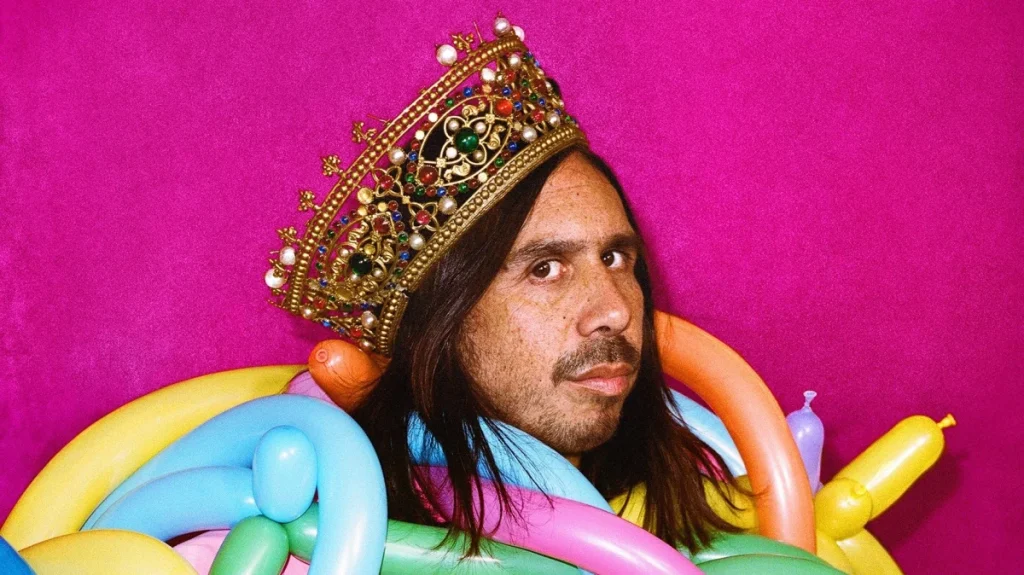
As winter turned to spring, the first major campaigns of the year abandoned linear promotional cycles in favor of immersive, transmedia narratives. Artists across alternative pop, indie rock (exemplified by artists like cover star Beabadoobee), and electronic genres stopped simply releasing albums; instead, they constructed digital and physical "worlds" months in advance. Marketing teams leveraged alternate reality games (ARGs), cryptic out-of-home (OOH) billboard placements, and localized scavenger hunts that forced fans to piece together tracklists and concept art themselves. This gamification of discovery proved immensely successful in driving initial engagement metrics and fostering deep-seated loyalty.
Q2 2026: Hyper-Segmentation and Micro-Communities
By the second quarter of the year, the focus shifted away from broad, mass-market reach and zeroed in on hyper-targeted micro-communities. Recognizing that Gen Z and Gen Alpha consumers increasingly congregate in closed digital ecosystems—such as specialized Discord servers, private WhatsApp broadcast channels, and niche subreddits—marketers pivoted their budgets. Rather than buying expensive ad space on mainstream feeds, campaigns invested in empowering superfans with exclusive digital assets, unreleased stem drops, and direct lines of communication to the artists. The metric of success transitioned smoothly from passive impressions to active, peer-to-peer amplification.
Q3 2026: Interactive Technology and Real-World Convergence
As the summer festival season reached its peak, campaigns throughout July and August demonstrated a seamless fusion of digital interactivity and physical presence. Augmented reality (AR) lenses deployed at festival grounds, geofenced audio drops triggered by physical locations, and interactive web-apps that allowed users to remix songs in real-time became the gold standard. Marketers realized that the modern fan does not want to be a spectator; they demand to be an active participant in the narrative arc of the music they consume.
September 2026: The Launch of the Sandbox Guide
Culminating months of observation and analysis, late September saw the official publication of the Sandbox Guide to the Smartest Campaigns So Far in 2026. Designed as a precursor to the comprehensive year-end report, the guide aggregates the most inventive case studies of the year to date. It highlights how agile independent teams and major label divisions alike are adapting to shifting consumer habits.
With the submission portal officially open and the hard deadline set for October 5, 2026, the industry is now in a state of high-octane frenzy, with agencies putting the finishing touches on their submission dossiers to vie for the ultimate industry accolade.
Supporting Context & Metrics: The Anatomy of Modern Campaign Success
What separates an ordinary album rollout from a shortlisted contender for Music Ally’s Campaigns of the Year? According to industry analysts contributing to the Sandbox Guide, success in 2026 is measured less by vanity metrics—such as raw streaming numbers or top-line follower counts—and more by qualitative depth and conversion efficiency.
1. The Death of the Passive Impression
For years, digital marketing strategies were evaluated based on reach and frequency: how many eyeballs saw a sponsored post, and how many times did they scroll past it. In 2026, those metrics are viewed with increasing skepticism. Modern audiences have developed an acute blindness to traditional digital advertisements.
- The Shift: Successful campaigns in the Sandbox Guide prioritize "dwell time" and "actionable engagement." Whether it is a fan spending 20 minutes solving a cryptic puzzle on a promotional website or a community spending hours coordinating a flash mob, the emphasis is on deep cognitive investment.
2. Superfan Monetization and Community Ownership
The economic bedrock of the contemporary music industry relies heavily on the monetization of superfans. The campaigns turning heads in 2026 are those that blur the line between consumer and collaborator.

- Data Point: Industry data indicates that campaigns incorporating direct-to-fan community components generate up to 3.5 times higher physical merchandise and vinyl sales compared to standard digital-only rollouts. By treating fans as stakeholders in the creative process—allowing them early access, voting power on track sequencing, or exclusive physical artifacts—marketers are unlocking unprecedented revenue streams.
3. Cross-Platform Synergy vs. Channel-Specific Native Content
A recurring theme in the Sandbox Guide is the rejection of the "copy-paste" content strategy. Marketers have learned the hard way that recycling the exact same 15-second vertical video across TikTok, Instagram Reels, YouTube Shorts, and Snapchat yields progressively weaker results.
- The Strategy: The smartest campaigns of 2026 build modular promotional assets tailored specifically to the native culture of each platform. A campaign might utilize TikTok for raw, behind-the-scenes human vulnerability; Discord for deep, intellectual lore-building and easter-egg hunting; and LinkedIn or Substack for sophisticated industry-facing narrative development when targeting press and tastemakers.
Official Perspectives and Industry Insights
As the music business prepares to evaluate the final submissions for the 2026 report, leading voices across the marketing and digital sectors have shared critical insights regarding the changing nature of cultural promotion.
Industry veterans note that the democratization of digital tools has simultaneously made marketing easier and infinitely more complex. While any independent artist with a laptop can now distribute music globally, cutting through the daily deluge of thousands of new tracks requires a level of psychological nuance that standard marketing textbooks simply do not cover.
"We are no longer just promoting songs; we are curating emotional ecosystems," notes one prominent digital strategist featured in industry roundtables. "When a fan falls in love with an artist today, they aren’t just buying audio files. They are buying an identity, a community, and a narrative that they want reflected in their own digital and physical lives. The campaigns that succeed are the ones that provide the canvas for that self-expression."
Furthermore, digital analysts emphasize that the rise of artificial intelligence and automated content generation in 2026 has paradoxically increased the value of human authenticity. Campaigns that lean too heavily into sterile, algorithmic optimization are being rejected by savvy audiences who crave flaws, spontaneity, and genuine human connection. The standouts in the Sandbox Guide are universally praised for their human-centric storytelling, even when utilizing advanced technologies to deliver them.
Future Outlook: Where Music Marketing Heads Next
As we look beyond the October 5 deadline and toward the publication of the final Music Ally Best Marketing Campaigns of the Year report, several overarching predictions can be made regarding the future trajectory of music promotion.
1. The Hyper-Personalization Era
Looking ahead to 2027 and beyond, marketing campaigns will increasingly leverage ethical, privacy-compliant AI tools to deliver personalized narrative experiences to individual fans. Imagine receiving a digital artifact, video message, or interactive experience tailored specifically to your listening history and geographical location. As technology matures, the "one-size-fits-all" campaign will become entirely obsolete.
2. The Resurgence of Physical-Digital Hybrids
While the digital realm will continue to expand, the campaigns winning industry acclaim in 2026 prove that physical spaces hold unmatched emotional resonance. Expect future rollouts to increasingly rely on experiential, place-based marketing—pop-up installations, secret listening rooms, and immersive real-world activations that bridge the gap between digital fandom and tangible community.
3. Sustainability and Purpose-Driven Marketing
Modern consumers, particularly Gen Z, demand alignment between their ethical values and the brands/artists they support. Future campaigns will need to integrate authentic social impact, sustainability in physical product manufacturing, and transparent community initiatives seamlessly into their promotional arcs, rather than treating them as afterthoughts.
Conclusion and Call to Action
The 2026 music marketing landscape is a testament to resilience, ingenuity, and relentless adaptation. As consumer habits shift at breakneck speed, the professionals steering the industry’s biggest rollouts continue to invent new ways to capture our collective imagination.
For those eager to dive deeper into the strategies shaping the current year, reading the full Sandbox Guide to the Smartest Campaigns So Far in 2026 is an absolute necessity for anyone working in modern music business, digital media, or brand promotion.
And for the trailblazing marketing teams, independent creators, and label executives who believe their work stands among the world’s finest this year, the window of opportunity is closing rapidly. Make sure to submit your campaigns ahead of the official deadline on October 5, 2026, to secure your place in this year’s definitive celebration of industry excellence.