
Executive Overview
The modern recorded jazz ecosystem exists in a perpetual state of tension between reverence for historical milestones and the relentless pursuit of uncharted sonic territories. In this comprehensive review of three recent releases, we examine how contemporary artists and archival curators navigate these competing imperatives.
From the subterranean depths of a 1999 master tape rescued from the archives of Scottish jazz luminary Tommy Smith, to the visceral, processing-heavy musical exorcism of London-based ensemble Onmo responding to the long-term impacts of global health crises, and finally to the idiosyncratic, sun-drenched, and eccentric Cuban stylings of veteran troubadour Pedro Luis Ferrer, this quarter’s releases offer a sweeping cross-section of modern improvisational art.
This analysis provides a rigorous examination of these distinct projects. By evaluating their production methodologies, underlying thematic imperatives, and commercial availability, we explore the health and diversity of the contemporary global jazz market.
Detailed Chronology
Tommy Smith: Four (Recalling 1999, Released 2026)
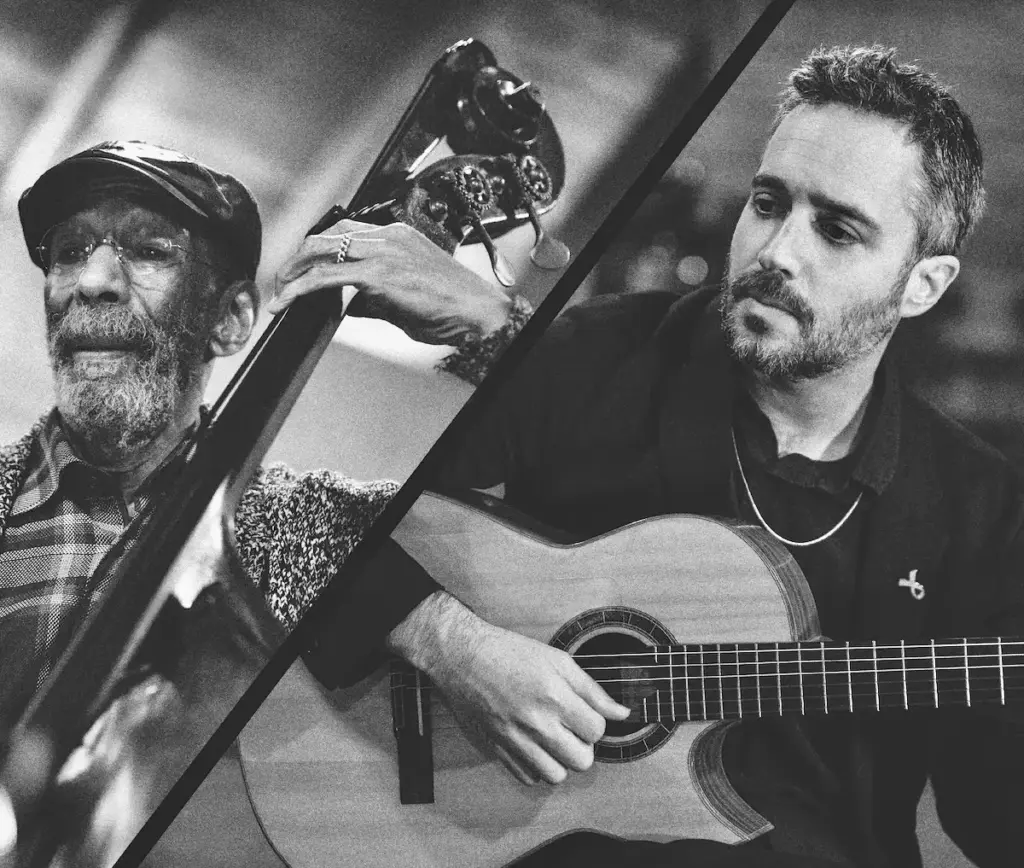
The genesis of Tommy Smith’s Four dates back over a quarter of a century to a live performance at the Gateshead Art Centre in 1999. At the time, Smith—already a monumental figure in British jazz with more than 30 albums as a leader and the eventual founder and director of the Scottish National Jazz Orchestra—was touring with a tightly knit, highly responsive acoustic quartet.
The lineup featured Steve Hamilton on piano, Orlando Le Fleming on double bass, and Sebastian De Krom on drums. Eschewing the conventional multitrack recording setups standard for high-profile live captures of the era, the audio engineer deployed a single, strategically placed microphone directly in front of the ensemble. The feed was routed straight to a portable MiniDisc recorder.
[Gateshead Art Centre, 1999]
       │
       ▼ (Single Microphone Capture)
[Portable MiniDisc Direct Feed]
       │
       ▼ (25-Year Archival Dormancy)
[Spartacus Records Digital Release (STS033)]
For over 25 years, the master recordings remained dormant in Smith’s personal archives. Recognizing a shift in listener appetite toward unvarnished, high-fidelity acoustic documents that prioritize performance energy over pristine studio polish, Smith opted for a digital-only release via Bandcamp on Spartacus Records (STS033). The resulting 65-minute collection captures a modern jazz ensemble operating at the absolute zenith of telepathic interplay.
Onmo: In Time And Spirit (Recorded 2026)
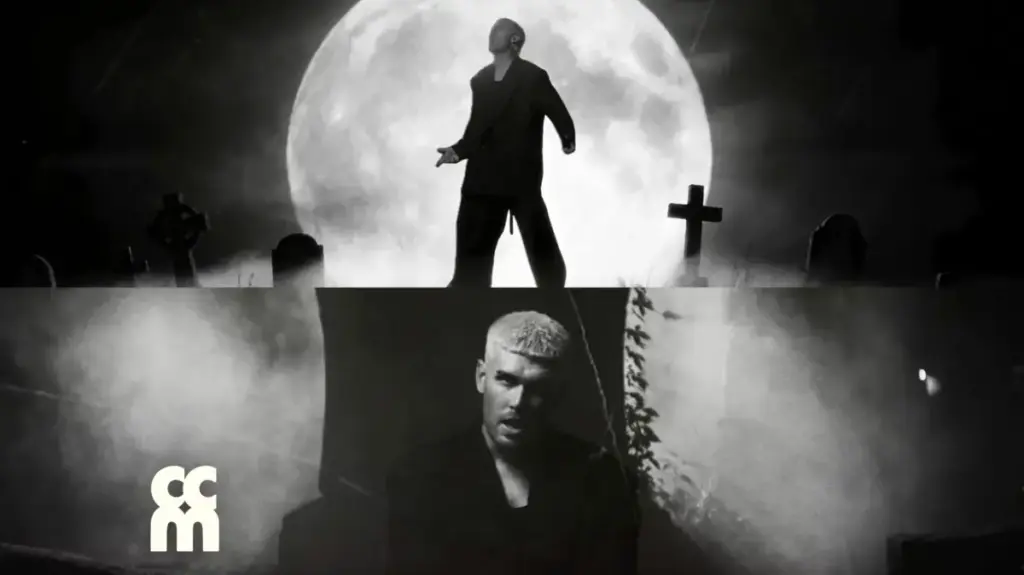
Fast-forwarding to the contemporary London scene, the genesis of Onmo—led by composer, arranger, and guitarist Jean de Talhouet—is inextricably linked to the socio-medical landscape of the post-pandemic era. Conceived as a boundary-pushing jazz ensemble blending elements of free jazz, funk, hip-hop, and minimalist composition, Onmo entered London’s Fish Factory Studios in early 2026 to record their debut full-length album, In Time And Spirit (Clonmell Jazz Social CJS012LP).
The album’s foundational catalyst emerged from Talhouet’s personal struggle with the debilitating, long-term physiological impacts of "long Covid." Channeling this trauma, isolation, and eventual psychological resilience into art, Talhouet composed Lapse, a nine-minute opening suite that mirrors the non-linear progression of chronic illness.
[Post-Pandemic Health Crisis: Long Covid]
       │
       ▼ (Creative Translation)
[Composition of "Lapse" & Studio Sessions at Fish Factory]
       │
       ▼ (Physical-Digital Hybrid Distribution)
[Clonmell Jazz Social Limited LP / Digital Suite]
The subsequent recording sessions brought together a formidable roster of contemporary British jazz talent, including saxophonists Jonathan Chung and George Crowley, trumpeter Mike Soper, keyboardist Rupert Cox, bassists Huw V Williams and Flo Moore, and drummer Joost Hendrickx. Eschewing standard digital distribution models alone, the ensemble matched their avant-garde sonic ambitions with tactile visual art, executing a four-hour pinhole camera exposure of rotating candles on turntables for the physical LP release.
Pedro Luis Ferrer: La Bunga (Released 2025)
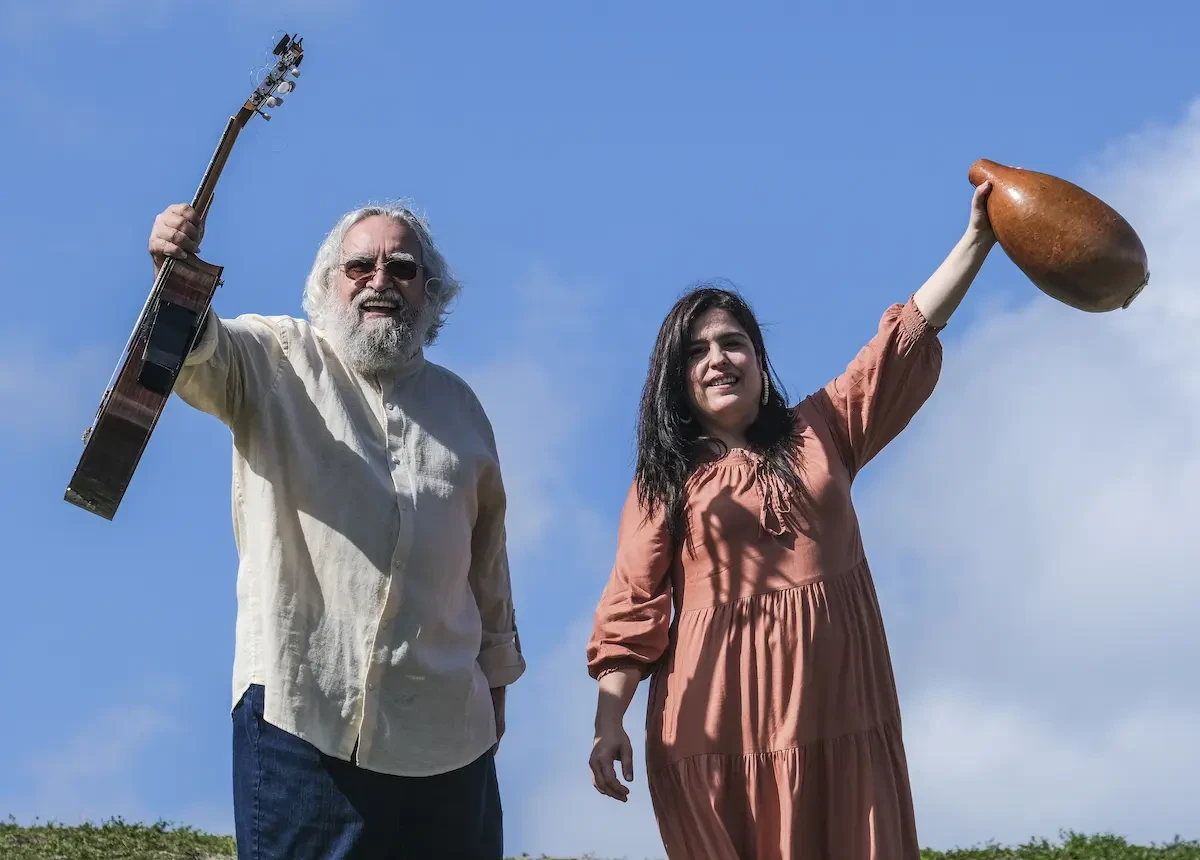
In stark contrast to the archival purity of Tommy Smith and the conceptual intensity of Onmo lies the latest offering from Cuban veteran Pedro Luis Ferrer. Active in the Latin and Caribbean music spheres since 1965, Ferrer represents a storied lineage of Trova musicianship. Recorded across Havana, Cuba, and Miami, Florida, and released via Dot Time Records (DT9196), La Bunga pairs Ferrer—a multi-instrumentalist virtuoso on Spanish guitar, percussion, and brass—with his daughter, Lena Ferrer, on vocals, keyboards, and acoustic percussion.
Spanning 14 tracks delivered in just under 44 minutes, the album was crafted as a lighthearted, breezy exploration of daily Caribbean life, culinary obsessions, and personal philosophy. However, the project’s production timeline and aesthetic choices—relying heavily on processed vocal harmonies and compressed digital arrangements—place it in a strange stylistic purgatory that has sparked debate among global roots music critics regarding artistic authenticity versus commercial pastiche.
Supporting Context & Metrics
To fully contextualize these releases, one must examine the production techniques, structural frameworks, and quantitative metrics that define each record.
Production Methodologies: Analog Purism vs. Digital Processing
| Release | Primary Recording Medium | Acoustic Environment | Distribution Format | Total Runtime |
|---|---|---|---|---|
| Tommy Smith – Four | Single Mic / MiniDisc | Gateshead Art Centre (Live) | Digital-Only (Bandcamp) | 65:43 |
| Onmo – In Time And Spirit | Studio Multitrack | Fish Factory Studios, London | Limited LP / Digital | 44:00 |
| Pedro Luis Ferrer – La Bunga | Multi-Location Digital | Havana / Miami Studios | CD / Digital (Dot Time) | 43:36 |
The methodological divide between these three releases highlights the shifting paradigms of modern music consumption. Tommy Smith’s Four relies on a "defensive" production philosophy: by stripping away mixing desks, PAs, amplifiers, and multi-microphone bleed, the recording preserves the raw, unadulterated room acoustics of 1999. The absence of modern compression creates a transient response that feels remarkably punchy, forcing the listener to lean into the performance rather than being engulfed in a wall of post-production polish.
Conversely, Onmo’s In Time And Spirit embraces complex studio architecture. The ensemble employs a dual-frontline horn section (Jonathan Chung and George Crowley on tenor saxophones, backed by Mike Soper on trumpet) layered over a rhythm section featuring dual bass configurations (Huw V Williams and Flo Moore). The resulting sonic architecture bridges the minimalist phasing of Steve Reich with the searing modal intensity of John Coltrane and Eric Dolphy.
Compositional Frameworks and Thematic Scope
- Tommy Smith’s Quartet: Operates within the classic hard-bop and post-bop paradigm. The setlist relies heavily on iconic standards reimagined through intense group synchronization. The opening 15-minute deconstruction of Miles Davis’s Four serves as a masterclass in modal stamina, followed by Smith’s original ballad When I’m All Alone, which explicitly invokes the breathy, low-register vibrato pioneered by Ben Webster in the 1950s.
- Onmo: Explores long-form, multi-movement compositions. The title track, In Time And Spirit, is partitioned into three distinct movements alongside a continuous digital suite. The thematic material navigates existential grief, geopolitical and personal resilience, and the sensory disorientation of chronic illness.
- Pedro Luis Ferrer: Utilizes micro-song structures. Across 14 tracks—none exceeding the four-minute mark—Ferrer deploys colloquial, highly eccentric poetry. From dietary strictures (Güirón Del Coco: "If you don’t eat coconut you’ll lose your wits") to domestic hygiene advisory (La Mandonga: "Don’t let your sweaty groin be anybody’s sorrow"), the lyrical content purposefully subverts traditional romantic tropes in favor of folk-satire.
Official Statements & Critical Analysis
Tommy Smith on the Archival Recovery of Four
Reflecting on the decision to exhume the 1999 Gateshead recording, Tommy Smith emphasizes the spontaneous nature of the session:
"Captured in the moment over 25 years ago, the album presents a quartet playing at an incredibly high standard. With no PA, amplifiers or mixing desk involved, the recording has a throwback audio appeal, which deadens some of the acoustics and yet at the same time gives the music an energy and presence it would have lost had more modern recording techniques been used."
Jazz critics have universally praised the release for its historical resonance. Despite being recorded in the industrial North East of England at the threshold of the millennium, the performance aesthetic transports the modern listener directly to the golden era of mid-century New York jazz clubs like Birdland. Steve Hamilton’s cascading piano harmonies, Orlando Le Fleming’s muscular bass foundations, and Sebastian De Krom’s kinetic drumming provide a masterclass in ensemble cohesion.
Jean de Talhouet on the Genesis of Onmo
Addressing the psychological underpinnings of Onmo’s debut, composer and guitarist Jean de Talhouet notes the therapeutic function of the ensemble’s music:
"Suffering from the impact of ‘long Covid,’ I needed to channel the experience of living with the condition into sound. Adaptability, hope, grief, and resilience are the emotions explored through the music, giving rise to a combination of angry, spiky sounds, tempered with more melodic and reflective content as some sort of resolution is reached."
Reviewers have noted that while the band’s intellectual influences are vast—spanning Reichian minimalism to contemporary urban funk and hip-hop beats—the execution remains remarkably cohesive. The physical LP packaging further underscores this commitment to tangible art, utilizing a 4-hour pinhole camera exposure that physically links the mechanical rotation of turntables to the enduring medium of vinyl.
Critical Reception of Pedro Luis Ferrer’s La Bunga
While Ferrer remains an institutional pillar of Cuban musical culture, critical consensus regarding La Bunga has been notably mixed. Musicologists point out the jarring juxtaposition between Ferrer’s legendary pedigree and the record’s commercial sheen:
"Both vocals sound as if they have been processed in some way, giving an artificial edge to some of the top notes and harmonies here and there. Unfortunately, they all sound the same, so any nuance and sense of variety is lost… Frothy and eminently forgettable, La Bunga serves up the kind of music you might encounter from a band of street musicians somewhere hot when you are trying to enjoy a quiet meal."
Despite the inclusion of English translations in the CD booklet—which highlight the whimsical and often bizarre lyrical obsessions of the Ferrer household—the album struggles to maintain sustained artistic engagement, functioning more as a stylistic curio than a substantive addition to the Cuban jazz canon.
Future Outlook
The trajectory of these three releases illuminates the broader economic and artistic currents shaping the global jazz landscape as it moves deeper into the digital age.
- The Rise of High-Value Archival Direct-to-Consumer Releases: Tommy Smith’s successful deployment of a 25-year-old MiniDisc master via Bandcamp demonstrates the viability of direct-to-fan archival distribution. As listeners increasingly reject over-compressed modern digital masters in favor of authentic, low-tech acoustic documents, legacy artists are incentivized to audit their personal vaults for unreleased live tapes. We can anticipate a rising wave of boutique, artist-curated archival drops that bypass traditional record label gatekeepers entirely.
- Cross-Genre Experimentation and Somatic Composition: Onmo’s synthesis of post-lockdown trauma with polyrhythmic jazz structures signals a vital new direction for metropolitan European jazz scenes. By integrating non-traditional thematic material—such as chronic illness and medical rehabilitation—into extended compositional frameworks, ensembles are expanding jazz’s emotional vocabulary. The physical-digital hybrid model (utilizing artisanal physical packaging like pinhole photography LPs alongside fluid digital streaming) will likely remain the gold standard for independent ensembles seeking to establish a distinct brand identity.
- Global Roots Music and the Danger of Hyper-Polishing: Conversely, Pedro Luis Ferrer’s La Bunga serves as a cautionary tale for veteran artists navigating contemporary production suites. As digital processing tools become ubiquitous, the temptation to artificially polish traditional acoustic performances risks alienating purists who value raw, organic regional textures. Future releases in the Latin jazz and Trova spheres will need to carefully balance commercial accessibility with the unvarnished authenticity that defines the genre’s historical core.
Ultimately, whether through the unmastered urgency of a 1999 British quartet, the cathartic avant-garde explorations of a post-pandemic London collective, or the eccentric street-corner poetry of Havana, jazz continues to prove its boundless capacity for reinvention, memory, and emotional expression.