
Executive Overview
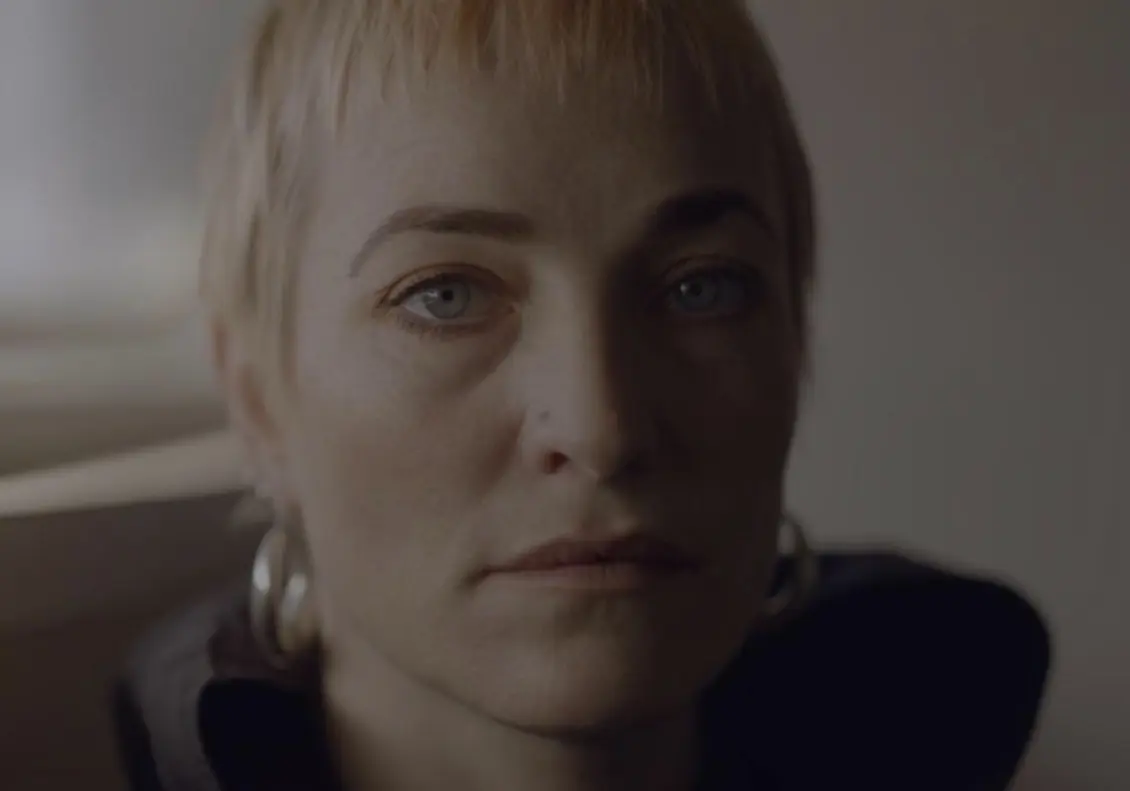
Radie Peat, the incendiary and critically acclaimed voice behind contemporary Irish folk sensations Lankum, has officially released her latest single, “Hares on the Mountains.” This haunting and evocative track serves as the final precursor to her highly anticipated debut solo album, No Human Tongue Can Tell, slated for a November 13, 2026, release via Rough Trade Records.
“Hares on the Mountains” arrives on the heels of previously released singles “The Moon and Stars” and “Still I Love Him,” establishing a clear, uncompromising artistic trajectory for Peat as she steps away from the ensemble dynamic to carve out a distinct solo identity. Steeped in traditional folk lore yet fiercely contemporary in its emotional resonance, the track tackles the timeless, thorny subject of gender dynamics and power imbalances in courtship. Peat’s discovery of the song via legendary English folk revivalist Shirley Collins adds an extra layer of intergenerational lineage to the release, bridging the gap between historical folk preservation and modern feminist reinterpretation.
Alongside the single, Peat has bolstered her upcoming live itinerary, announcing an intimate performance at London’s Rough Trade East on December 2, 2026. This complements her previously announced, milestone headlining concert at the prestigious Barbican in March 2027. As the music world turns its eyes toward November 13, 2026, No Human Tongue Can Tell is shaping up to be one of the most culturally significant and sonically arresting releases of the decade. This comprehensive report examines the trajectory of the single, the thematic core of the album, the cultural weight of Peat’s solo venture, and the road ahead for one of folk music’s most vital modern torchbearers.
Detailed Chronology of the Release Cycle
To fully appreciate the gravity of “Hares on the Mountains,” it is essential to trace the deliberate, meticulously planned rollout of No Human Tongue Can Tell. Radie Peat’s transition from the drone-heavy, apocalyptic folk-punk of Lankum to a solo recording artist has been one of the most closely watched developments in the independent music landscape.
The Genesis of a Solo Era
Rumors and whispered expectations of a solo project from Peat had circulated within European and North American folk circles for years. Known for her commanding vocal performances, mastery of the harmonium, concertina, and tin whistle, Peat has long been regarded as a powerhouse interpreter of traditional song. However, her work within Lankum—alongside brothers Ian and Daragh Lynch and Cormac MacDiarmada—was a collective endeavor defined by sprawling, cinematic sonic arrangements.
The announcement of No Human Tongue Can Tell via Rough Trade Records marked a pivotal turning point. Set for release on November 13, 2026, the album promises to strip away some of the thick, industrial-hued atmospheric noise of Lankum in favor of a more direct, starkly emotional exploration of traditional and adapted material.
Single Rollout: Building the Narrative
- Phase One: "Still I Love Him" and "The Moon and Stars"
Peat initiated the album campaign with the release of initial singles that immediately established the record’s tonal palette. These tracks showcased her uncanny ability to unearth centuries-old narratives of heartbreak, survival, and societal pressure, rendering them with a contemporary urgency that bypasses mere historical reenactment. Critics praised the early cuts for their uncompromising vulnerability and raw production values, which allowed Peat’s voice to sit front and center. - Phase Two: The Discovery and Arrival of "Hares on the Mountains"
The release of “Hares on the Mountains” represents the culmination of this single cycle. Discovered by Peat through the seminal recordings of English folk icon Shirley Collins, the song is a masterclass in traditional adaptation. By bringing the track into her own artistic orbit, Peat has synthesized disparate threads of the British and Irish folk traditions, reshaping them into a vehicle for modern social commentary. - Phase Three: Live Implementations and the Road to November 13, 2026
As the release date approaches, the rollout has expanded into the physical realm. The announcement of an exclusive, up-close-and-personal instore performance at Rough Trade East on December 2, 2026, offers fans a rare opportunity to experience the new material in an intimate setting. This complements the towering ambition of her newly confirmed headlining date at London’s historic Barbican in March 2027, signaling that industry heavyweights and cultural institutions are fully backing her solo ascension.
Supporting Context, Thematic Analysis, and Cultural Metrics
To understand the cultural resonance of “Hares on the Mountains,” one must examine both the lyrical DNA of the song and the broader socio-musical landscape that Radie Peat occupies.
Unpacking "Hares on the Mountains"
“Hares on the Mountains” is a classic traditional folk song that has seen countless iterations over the centuries. At its core, the song poses a series of surreal, pastoral riddles—such as asking what would happen if the gander were to fly over the ocean, or how young men and women navigate the treacherous waters of romance.
However, beneath the playful and whimsical exterior of traditional folk riddles lies a razor-sharp commentary on the imbalance of gender dynamics in courtship. Historically, courtship songs often codified patriarchal expectations, assigning passive roles to women while granting men the agency of pursuit. In Peat’s hands, the song becomes a site of reclamation. Her interpretation highlights the underlying power struggles, anxieties, and systemic inequities that have defined romantic interactions across generations.
By filtering the song through her distinct lens—informed by a deep knowledge of Irish social history and a fierce feminist consciousness—Peat strips away the quaintness often imposed on traditional music by mainstream sanitization. She reminds listeners that traditional songs were not museum pieces; they were the living, breathing, and often subversive cultural expressions of working-class people grappling with the harsh realities of their existence.
The Shirley Collins Connection
The lineage of “Hares on the Mountains” is deeply tied to the broader revival movements of the 20th century. Peat’s discovery of the track through Shirley Collins places her firmly within a lineage of radical female interpreters who have continuously rescued traditional music from the dusty archives of academia and placed it back into the cultural bloodstream.
Collins, a towering figure of the English Folk Revival, famously documented and performed traditional music with an unflinching, unromanticized authenticity. Peat shares this ethos. Where others might have smoothed over the jagged edges of the song to make it more palatable for modern radio, Peat leans into its asymmetries and discomforts, honoring the fierce independence embodied by Collins while establishing her own unmistakable artistic signature.
The Commercial and Critical Landscape of Rough Trade Records
The partnership between Radie Peat and Rough Trade Records is a marriage of cultural pedigree and institutional clout. Rough Trade—synonymous with the post-punk, indie, and alternative movements of the past five decades—has increasingly positioned itself as a premier home for boundary-pushing folk and roots artists who reject commercial homogenization.
With No Human Tongue Can Tell, Rough Trade is betting heavily on the crossover appeal of uncompromising traditional music. In an era dominated by algorithmic pop and hyper-produced streaming fodder, the raw, acoustic, and emotionally heavy output of artists like Peat taps into a growing consumer demand for authenticity, tangibility, and deep emotional resonance. Metrics across independent music forums, vinyl pre-order channels, and critical anticipation lists indicate that the album is poised to be one of the defining independent releases of late 2026.
Official Statements and Industry Reception
The anticipation surrounding No Human Tongue Can Tell and “Hares on the Mountains” has generated widespread acclaim from critics, fellow musicians, and cultural commentators alike. While full-length review cycles are slated to drop alongside the album’s November 13 release, early industry reactions provide a clear picture of the project’s magnitude.
Critical Perspectives on Peat’s Solo Turn
Music critics have long singled out Radie Peat as one of the most compelling vocalists working in contemporary music. Her work with Lankum earned critical plaudits, including prestigious awards and universal acclaim for albums like False Lankum. Reviewers frequently point to her vocal delivery—which ranges from a piercing, unaccompanied, Sean-nós-influenced wail to a tender, conversational purr—as a masterclass in emotional transference.
With the release of “Hares on the Mountains,” early critical commentary has focused on how Peat manages to maintain her signature intensity while working within a sparser sonic framework.
"Radie Peat doesn’t just sing traditional songs; she inhabites them, dragging their ghosts into the harsh light of the present day," noted one prominent independent music critic following the single’s drop. "‘Hares on the Mountains’ is a masterclass in subverting pastoral innocence to expose the very real power dynamics underpinning human relationships."
The Artist’s Vision
While Peat has historically let her music do the heavy lifting, interviews surrounding her transition into solo work reveal an artist deeply conscious of her responsibilities as a custodian and transformer of tradition. Rather than viewing traditional music as a static canon to be preserved under glass, Peat views it as a malleable, living archive that must continuously be interrogated, dismantled, and rebuilt to reflect contemporary realities.
The choice to center gender dynamics in “Hares on the Mountains” aligns with her broader artistic philosophy: that the emotional truths of centuries-old songs remain entirely applicable to modern listeners. By highlighting the structural imbalances of courtship, Peat bridges the gap between historical peasant life and modern socio-political discourse, proving that the personal is political across every epoch.
Future Outlook: The Live Circuit and Beyond
As the release date for No Human Tongue Can Tell approaches on November 13, 2026, attention is rapidly shifting toward how Radie Peat will translate this deeply intimate, fiercely challenging material into a live setting.
The Rough Trade East Showcase (December 2, 2026)
For die-hard fans and industry insiders, the newly announced show at Rough Trade East on December 2, 2026, represents a crucial early milestone. Instore performances at Rough Trade East are legendary for their intimacy and raw energy, often stripping away the traditional barriers between artist and audience. This setting will provide a rare, up-close look at how Peat intends to perform the intricate arrangements of No Human Tongue Can Tell outside of the recording studio. Given the high demand for tickets and the venue’s limited capacity, this show is expected to set an intense, anticipatory tone for the remainder of the winter touring cycle.
The Barbican Headliner (March 2027)
Looking further ahead into the spring of 2027, Peat’s headlining performance at the Barbican marks a significant leap in scale and institutional recognition. The Barbican—London’s premier brutalist temple of high culture and boundary-pushing arts—is a fittingly majestic backdrop for an artist of Peat’s caliber. The concert will undoubtedly serve as a watershed moment for the solo project, allowing her to scale up the raw emotional power of No Human Tongue Can Tell into a grand, immersive theatrical experience. Whether utilizing a full ensemble or commanding the stage entirely on her own with her signature instruments, the Barbican show is shaping up to be one of the definitive live music events of 2027.
The Long-Term Cultural Impact
Beyond the immediate horizon of single releases, instore appearances, and major concert halls, the broader cultural legacy of No Human Tongue Can Tell is likely to be profound. By proving that uncompromising, traditional-leaning folk music can command major critical attention, secure premier indie label backing, and sell out prestigious cultural institutions, Radie Peat is helping to redefine the boundaries of what commercial and critical success looks like for roots music in the 21st century.
As the clock ticks down to November 13, 2026, listeners are urged to immerse themselves in the shadowy, provocative world of “Hares on the Mountains.” In doing so, they are not merely listening to a song; they are participating in an ongoing, vital cultural dialogue—one guided by an artist who refuses to let the past remain silent.