
Executive Overview
For five critically acclaimed seasons, The Chosen has achieved the seemingly impossible: it has taken the most heavily studied, culturally ubiquitous texts in human history—the Gospels—and breathed authentic, living breath into them. Creator Dallas Jenkins and his cast have carefully constructed a gritty, historically grounded first-century Palestine. This is a world defined by the grit of film grain, dust-coated sandals, flickering oil lamps, complex familial friction, and the tense, ever-present weight of Roman occupation. Miracles happened, certainly, but they always felt intimately tethered to the dirt and sweat of the physical earth.
Now, as the series steps into its sixth season, that familiar paradigm is fundamentally upended.
With the shadow of Calvary looming large over the narrative, the first three episodes of Season 6 rip open the veil between the natural and the supernatural. Moving directly into the devastating aftermath of Judas’ betrayal, the chaotic arrest in the Garden of Gethsemane, and the harrowing commencement of the trials leading to the Crucifixion, the show takes a daring visual leap. Most notably, it introduces an army of angels entirely divorced from the soft-focus, haloed imagery of traditional Western Christian art.
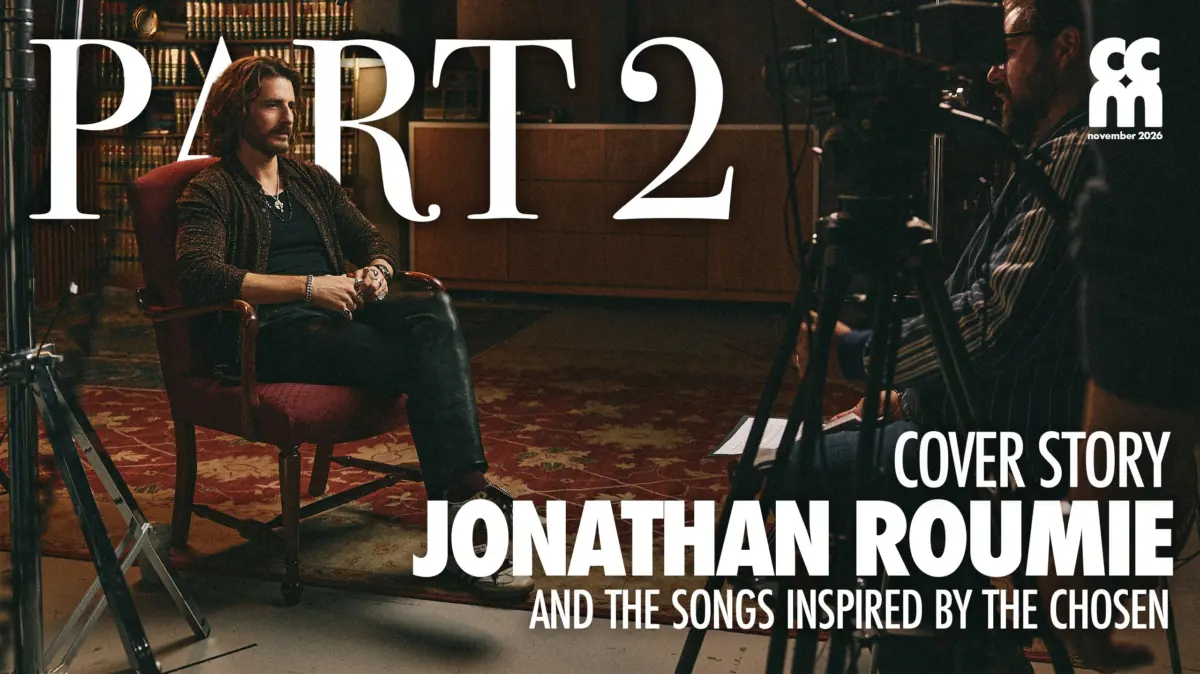
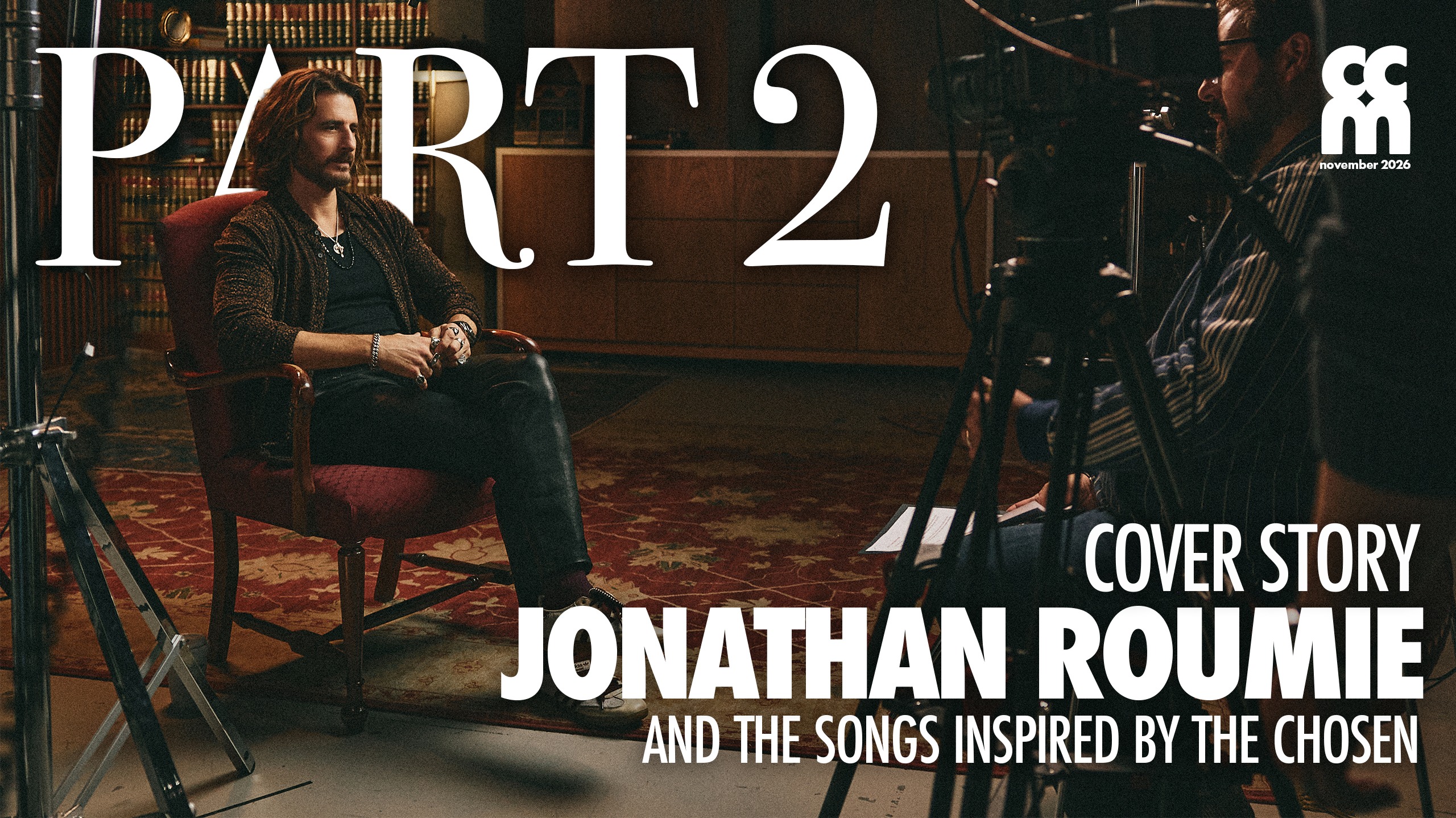
In an exclusive, deep-dive interview with CCM Magazine, series star Jonathan Roumie—who portrays Jesus of Nazareth—unpacked the seismic shifts defining Season 6. From his initial hesitations regarding the terrifying portrayal of celestial beings to the demanding physical and emotional toll of trading dense dialogue for heavy silence, Roumie offered a rare, behind-the-scenes look at the craftsmanship required to depict history’s most pivotal moments.
Furthermore, Roumie dissected the complex emotional architecture of Jesus’ final days, analyzing the quiet agony of Peter’s denial, the tragic fork in the road between Judas and Peter regarding divine grace, and why Matthew’s grounding presence serves as a vital proxy for the audience. As The Chosen navigates its darkest and most painful narrative stretch yet, Roumie delivers an urgent message to the global fanbase: do not look away, because there is no resurrection without the cross.
Detailed Chronology: From the Garden to the Precipice of Calvary
The opening trio of episodes of The Chosen Season 6 wastes no time plunging its characters—and its audience—into the darkest crucible of the Christian narrative. Moving past the heavy, dialogue-centric atmosphere of the Last Supper detailed in Season 5, the narrative timeline accelerates sharply toward the events of the Passion.
The Supernatural Intrusion
The season breaks convention almost immediately. As tension mounts in the Garden of Gethsemane, the series introduces a manifestation of angelic forces that defies centuries of comfortable religious iconography. Rather than comforting, cherubic figures draped in pristine white robes, the angels featured in Season 6 are imposing, strange, and intentionally unsettling.
Roumie admitted that even he harbored immediate doubts when reading the scripts for the first time. "When I first read it, I thought to myself… ‘How’s this gonna play?’" he shared with CCM Magazine.
However, those concerns evaporated the moment he experienced the sequence alongside a live test audience. Watching viewers react with overwhelming enthusiasm provided immediate validation. Roumie anchored his understanding of this bold directorial choice in scriptural accuracy rather than artistic convention, noting a recurring phrase from biblical texts: "Whenever they showed up, the first thing they said is, ‘Do not be afraid.’ So they must have been terrifying or something."
A Shift in Divine Authority
This supernatural awakening directly influences Roumie’s performance as Jesus. In earlier seasons, Jesus frequently displayed an approachable warmth, occasionally appearing to almost delight in the bewildered joy of witnesses experiencing miracles firsthand—such as the miraculous catch of fish, where Roumie’s performance was rooted in collaborative awe alongside the disciples.
Season 6 demands an entirely different execution. As the temple guards and Roman soldiers close in, Jesus assumes complete, unyielding command of the situation.
"The agenda is to assert a certain divine authority and to let the guys who are coming for Jesus know that he’s in charge," Roumie explained. While earthly authorities believe they are executing an arrest, Roumie’s portrayal emphasizes sovereign surrender: "They don’t have control… but he’s giving them the control intentionally."
The Weight of Silence
This assertion of control manifests paradoxically through a marked absence of words. Following the verbose exchanges of the Last Supper, Jesus spends significant portions of the opening episodes in profound, arresting silence.
While Roumie joked that a lighter script initially brought a sense of professional relief, he quickly realized that silence carried a much heavier artistic price tag. "The trade-off was what it was going to cost for the physicality and the emotional content," he noted. Without dialogue to carry the scene, every physical micro-expression had to communicate volumes. "Anytime the camera was on me, I had to be saying something even if I wasn’t saying anything."
Peter’s Denial and the Anatomy of Sorrow
That silent, communicative intensity reaches a devastating crescendo during Simon Peter’s first denial. Rejecting the temptation to turn the moment into an oversized, melodramatic set piece, the series portrays the interaction with haunting realism—a frantic attempt by a terrified man to blend into a hostile crowd.
Then comes the intersection of their paths. Their eyes meet. No grand speeches are uttered; no public pronouncements are made. Roumie encapsulated the internal emotional landscape of Jesus in that precise, agonizing split-second:
"It’s just sorrow. It’s, ‘I knew this was going to happen. I told him it was going to happen.’ And it still hurts when it happens."
Supporting Context & Metrics: Grace, Fragility, and Audience Proxies
To fully appreciate the narrative architecture of The Chosen Season 6, one must examine how the series contrasts its primary players during their moments of ultimate moral failure.
Peter vs. Judas: The Divergence of Grace
Season 6 forces a side-by-side examination of two disciples who ultimately broke under pressure: Peter, who verbally denied knowing Christ, and Judas, who handed Him over to the authorities. While both men committed profound betrayals, Roumie highlighted a single, defining theological differentiator that separates their trajectories: the posture of the heart toward divine grace.
"Peter was willing to accept God’s grace and Judas wasn’t," Roumie observed. Elaborating further, he noted that while Peter was crippled by shame, his foundational willingness to receive mercy kept him from total destruction. Both men stood at the exact same precipice of spiritual failure; it was their response to grace in the aftermath that altered their eternal stories.
Matthew as the Audience Proxy
Amid the panic, confusion, and infighting that grips the remaining disciples as their Master is systematically stripped away from them, Matthew emerges as a surprising anchor. Before Jesus is led away, He imparts words to Matthew designed to steady him against the coming storm.
As the group threatens to fracture under the weight of fear, Matthew steps forward, actively attempting to remind his peers of the actual teachings of Jesus. Roumie views this narrative choice as essential to the viewer experience:
"Matthew is us. Matthew needs to be the audience."
From the series’ inception, Matthew has functioned as the analytical outsider looking inward, processing divine mysteries alongside the global viewership. As the narrative plunges into its darkest valley, Matthew’s steadying presence serves as a surrogate voice, reminding both the characters on screen and the audience at home to hold fast to the light when physical certainty is stripped away.
Official Statements & Production Insights
The transition from a character-driven historical drama into the cosmic scope of the Passion narrative required intense collaboration between creator Dallas Jenkins, the writing room, and the lead actor.
Production insiders have noted that Season 6 represents the most technically and emotionally demanding block of episodes in the show’s history. Maintaining historical fidelity while integrating heavy supernatural elements—such as the aforementioned angelic hosts—required meticulous pre-visualization, practical effects, and nuanced performances that could withstand the scrutiny of both faith-based audiences and secular critics alike.
Jonathan Roumie’s reflections underscore the unique psychological burden of carrying a role of this magnitude through its darkest chapter. Speaking on the necessity of pushing through audience hesitation regarding the unfolding Crucifixion narrative, Roumie shared a powerful piece of wisdom that guided his approach to the season:
"We’re all called to pick up our cross, but we don’t get to pick out our cross."
This perspective forms the thematic bedrock of the season’s message. Roumie urges viewers not to turn away from the painful realities depicted on screen, reminding them of the inherent theological promise embedded within the narrative arc. "There’s no resurrection without the crucifixion," Roumie emphasized. "And as difficult as it’s going to be to watch that happen, trust me, it will be worth it. Go through it, pray through it, and know that there’s light on the other side."
Future Outlook: Walking Through the Darkness Toward the Light
As The Chosen Season 6 continues its rollout, the series stands at the absolute zenith of its cultural and narrative impact. What began as a crowdfunded passion project has blossomed into a global cultural phenomenon, touching hundreds of millions of lives across diverse demographics and international borders.
The successful pivot into overt supernaturalism in the opening episodes proves that the creative team is unafraid to push artistic boundaries, trusting their audience to mature alongside the story. By eschewing sanitized, overly-comfortable depictions of the divine in favor of awe-inspiring, textually accurate portrayals of angelic power, the show has elevated the stakes to a cosmic level.
Yet, even as the narrative embraces heavenly intervention, it remains anchored by the profound, agonizing humanity of its characters. The trials, the silent glances of heartbreak, the devastating failure and subsequent redemption of Peter, and the quiet resilience of Matthew all point toward an inevitable, unalterable destination: Calvary.
For the audience, watching these next episodes will undeniably require emotional fortitude. The comfort of the early seasons’ Galilean shorelines has given way to the oppressive dust of Jerusalem, the clinking of Roman armor, and the heavy thud of timber. But as Jonathan Roumie reminds us, this darkness is not the end of the story. It is the necessary, transformative passage every believer must traverse to reach the dawn of Easter morning.
As Season 6 presses forward, The Chosen continues to redefine what faith-based television can achieve—proving that when art meets uncompromising truth, the journey through the valley of the shadow of death remains profoundly, universally resonant.