
Executive Overview
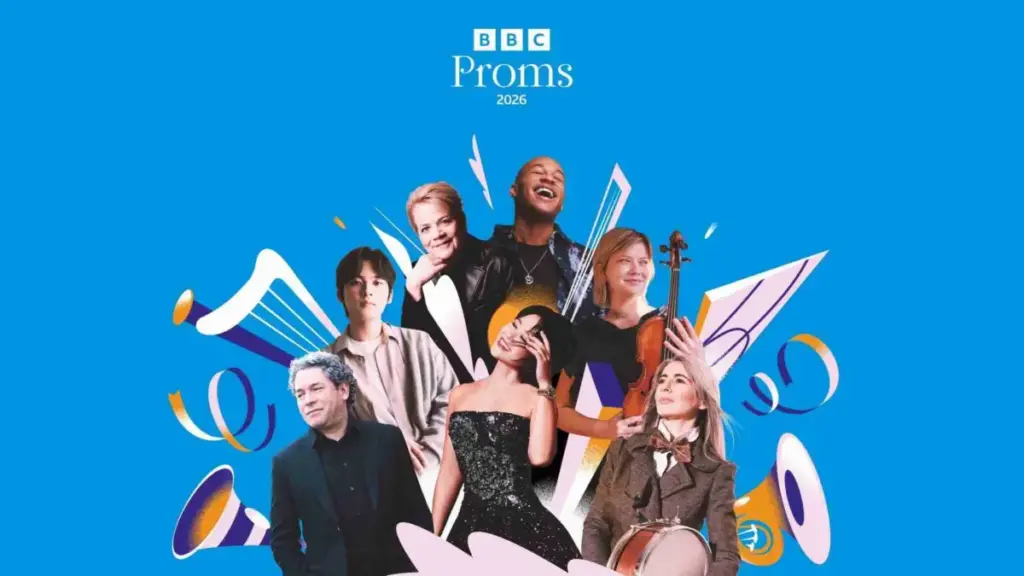
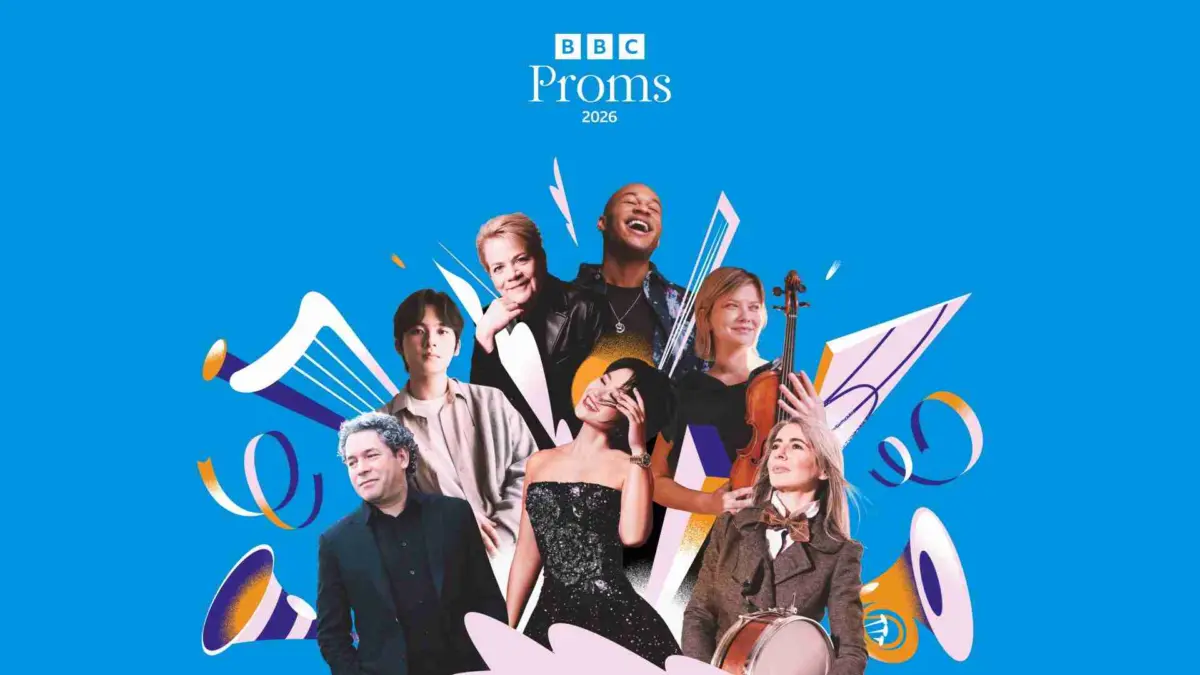
The BBC Proms has officially unveiled its expansive, globe-spanning programme for the summer of 2026, setting the stage for what promises to be one of the most ambitious chapters in the festival’s storied 131-year history. Running from 17 July to 12 September 2026, the upcoming season will anchor itself at the iconic Royal Albert Hall in London while simultaneously extending its footprint to venues nationwide.
In raw metrics, the 2026 season is staggering: 86 distinct concerts packed tightly across an eight-week window, uniting more than 3,000 musicians in a masterclass of artistic curation. Yet, beyond the sheer scale, the 2026 Proms is defined by a distinct narrative arc. Marking the 250th anniversary of the United States Declaration of Independence, this season leans heavily into an American thematic dialogue, foregrounding trans-Atlantic artistic exchanges, landmark international debuts, and major contemporary commissions.
Simultaneously, the festival doubles down on its founding democratic mission: to make classical music accessible to the widest possible public. With over 70,000 unreserved £8 standing tickets ("Promming" passes) made available and every single note broadcast across BBC Radio 3 and BBC iPlayer, the foundational vision of Henry Wood remains unmistakably alive. The 2026 season deftly balances international star power with deep-rooted British creativity, cross-genre experimentation, and an unprecedented expansion of its geographic footprint across the United Kingdom.
Detailed Chronology and Programming Highlights
The Opening Curtain: Setting the Transatlantic Tone
The festival bursts into life on 17 July 2026, with a First Night that immediately establishes the season’s dual identity: a nod to American repertoire paired with European orchestral mastery. Under the baton of Chief Conductor Sakari Oramo, the BBC Symphony Orchestra and Chorus will navigate the vibrant, syncopated idioms of Aaron Copland and George Gershwin, interwoven with the shimmering impressionism of Maurice Ravel. Crucially, the evening will also debut a brand-new orchestral commission by British composer Josephine Stephenson, signalling the BBC’s unwavering commitment to contemporary voices right from the opening chord.
Mid-Summer Crescendo: American Heavyweights and European Debuts
As the season progresses through August, the international programming reaches fever pitch. Marking nearly a quarter-century of absence from the Proms stage, the legendary Los Angeles Philharmonic returns under the electrifying direction of Gustavo Dudamel, widely anticipated to be one of the hottest tickets of the summer. Not to be outdone, the Metropolitan Opera Orchestra will make its historic Proms debut under Yannick Nézet-Séguin, bringing the monumental, soul-searching textures of Richard Strauss and Gustav Mahler to the reverberant acoustics of Kensington Gore.
The American narrative is further underscored by high-profile UK premieres. Wynton Marsalis’s ambitious Concerto for Orchestra and a sweeping new Cello Concerto by Jessie Montgomery highlight the BBC’s aggressive commissioning muscle. Meanwhile, conductor Marin Alsop anchors an unmissable "American Classics" showcase, and a specialized centenary tribute to jazz icon Miles Davis proves the Proms’ expansive, genre-fluid mandate.
Complementing the American focus is a stellar lineup of returning European royalty—including the Berlin, Munich, and Oslo Philharmonic orchestras—alongside notable festival debuts from the Spanish National Orchestra and the Mahler Academy Orchestra. Keyboard connoisseurs will find themselves spoiled for choice with a glittering piano roster featuring titans Martha Argerich, Yuja Wang, and Yunchan Lim, alongside violin virtuosos Augustin Hadelich and Leonidas Kavakos.
The Grand Finale: Breaking Traditions on the Last Night
The season draws to its raucous, celebratory close on 12 September 2026, with the Last Night of the Proms. Eschewing mere complacency, the programme features a historic Proms first: superstar pianist Yuja Wang tackling Samuel Barber’s virtuosic Piano Concerto. She will perform alongside the BBC Symphony Orchestra and Chorus, conducted by Sakari Oramo, blending the time-honored patriotic pageantry of the evening with cutting-edge virtuosity.
Supporting Context, Metrics, and Structural Analysis
Amplifying British Voices and Local Heritage
For all its international pageantry and transatlantic focus, the beating heart of the 2026 Proms remains resolutely British. The BBC’s internal ensembles form the backbone of the schedule, appearing no fewer than 42 times. In total, 41 UK-based orchestras and choirs contribute to a massive national effort.
Among the standout British highlights is a brand-new triple concerto written by Gwilym Simcock specifically for a trio of household names: Sheku Kanneh-Mason, Jess Gillam, and Ben Goldscheider. This performance marks a poignant decade since their respective breakthroughs on the BBC Young Musician platform. Elsewhere, brass-band heritage takes center stage with an appearance by the Black Dyke Band, and a comprehensive celebration marks the 50th anniversary of Benjamin Britten’s passing, surveying his output from early lyrical works to towering orchestral statements.
A Living Laboratory: 20 Premieres
The Proms continues to position itself not merely as a museum for canonical masterworks, but as a living laboratory for contemporary composition. The 2026 season boasts an impressive 20 premieres, including 17 brand-new BBC commissions.
This roster bridges generations with breathtaking breadth: nonagenarians Thea Musgrave and Betsy Jolas share space with established modern voices like Mark-Anthony Turnage and the next generation of talent showcased in the annual Young Composer platform. Spanning orchestral, chamber, and cross-genre formats, these works demonstrate that new music at the Proms is a vital, living art form rather than a box-ticking exercise.
Crossing Boundaries: Genre-Busting and Inclusivity
If any single trait defines the modern evolution of the Proms, it is its aggressive dismantling of traditional classical genre boundaries. The 2026 season doubles down on this pluralistic approach with a diverse array of late-night and themed events:
- A celebratory 40th-anniversary tribute to Paul Simon’s landmark album Graceland.
- A dedicated symphonic Prog Rock night exploring the intersection of rock arrangements and orchestral arrangements.
- Tributes to soul legend Marvin Gaye alongside immersive programmes dedicated to classic James Bond film scores.
- An eclectic exploration of Turkish psych-folk courtesy of the genre-bending ensemble Altın Gün.
Family programming is equally robust, ranging from accessible concerts featuring Disney composer Alan Menken to the educational and entertaining Horrible Science: The Big Bang Proms Experiment. Furthermore, structural accessibility initiatives—such as relaxed performances and the introduction of the pioneering Clarion concerto, played via tablet-based instruments—underscore a profound institutional commitment to inclusivity.
Beyond London: A Truly National Festival
Historically criticized as a London-centric institution, the Proms has systematically dismantled this perception over recent years. The 2026 festival expands its UK-wide footprint further than ever before, featuring dedicated residencies in Bristol and the North-East of England, alongside a historic, first-ever visit to Mold in North Wales. These regional strands are treated as core artistic components of the festival, bringing major international repertoire, world premieres, and innovative educational programming directly to communities far removed from the Royal Albert Hall.
Official Statements and Institutional Vision
While formal press releases from the BBC often emphasize the logistical triumphs of assembling over 8,000 artists and technicians, internal artistic planning for the 2026 season reveals a deeper philosophical objective. Proms organizers have framed the transatlantic narrative not as a political statement, but as an acknowledgment of how fluid musical borders have become over the past two and a half centuries.
Speaking on the curation of the American repertoire, festival programmers noted:
"Music has always been our most potent passport. As the United States marks its semiquincentennial, it offers us a profound mirror to examine how European classical traditions migrated, mutated, and cross-pollinated across the Atlantic to create a dynamic, restless new canon. To bring the Los Angeles Philharmonic and the Metropolitan Opera Orchestra to London in the same summer is a testament to the global respect the Proms commands."
Concurrently, BBC leadership has continually underscored the democratization of music as its North Star. In an era marked by economic headwinds across the cultural sector, the retention of over 70,000 standing tickets priced at just £8 remains a fierce statement of intent. The BBC reiterates that the Proms belongs as much to the seasoned listener squeezed into the Arena as it does to the millions streaming the performances on BBC iPlayer or tuning in via Radio 3 across the globe.
Future Outlook: The Summer Ahead
As the final preparations are made and the countdown to the First Night ticks down, the 2026 BBC Proms stands as a monumental achievement in cultural logistics and artistic ambition. It is a season that successfully negotiates competing demands: honoring age-old traditions while aggressively commissioning the future; celebrating British identity while opening its doors wide to American and international masters; and maintaining the solemnity of the classical canon while welcoming the electrifying energy of jazz, prog rock, and psych-folk.
In raw numbers, the festival remains peerless: 86 concerts, unmatched broadcast reach, and tens of thousands of live attendees. Yet its true legacy for 2026 will likely be measured in its elasticity—its ability to stretch the boundaries of what a classical music festival can be, where it can travel, and whom it can embrace.
Classical Source will be embedded throughout the entire eight-week festival, providing comprehensive reviews, critical assessments, and daily coverage of as many Proms as humanly possible. Expect rigorous insight, unbridled enthusiasm, and the occasional spirited critical debate as the world’s greatest classical music festival once again takes over the cultural heartbeat of the United Kingdom.