
Executive Overview
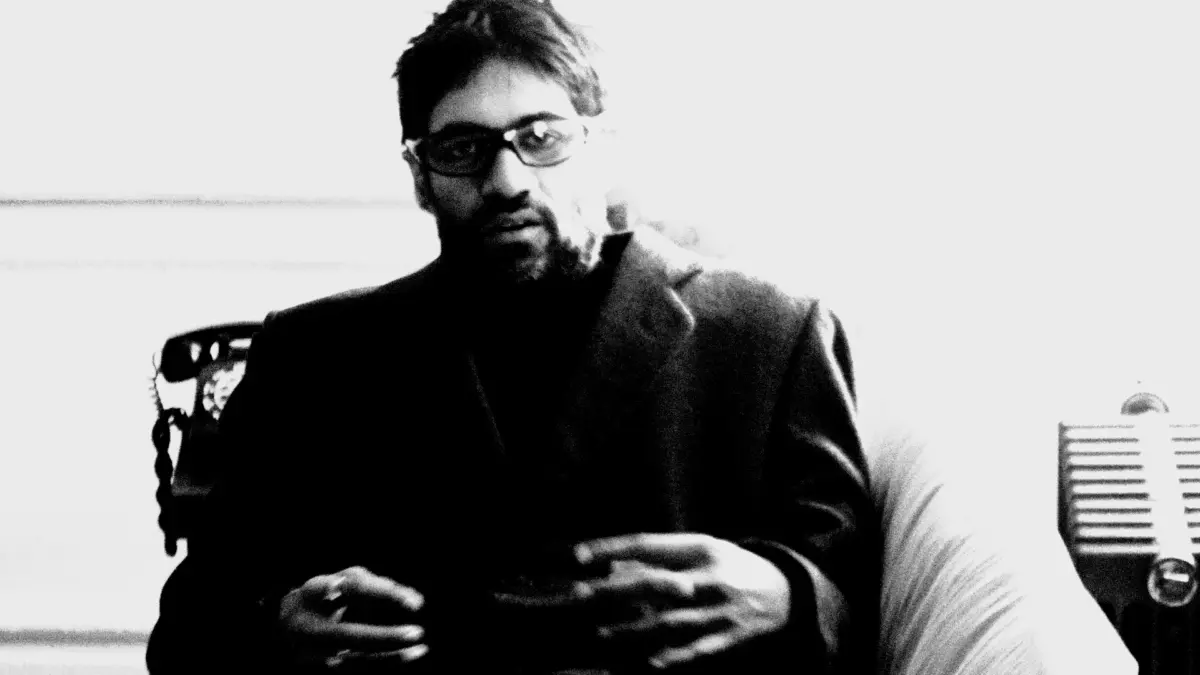
In an era dominated by high-powered digital audio workstations, infinite undo buttons, and hyper-precise software plugins, musician Anand has charted a radically tactile course for his latest release. Titled Different Rooms, his new seven-track long-player serves as the direct follow-up to his critically acclaimed 2020 record, Strawberry. Where the previous album found its genesis in the neon-lit sensory overload and field recordings of Tokyo, Different Rooms looks inward, capturing the grit, geometry, and contemplative solitude of Manhattan.
What elevates this release from a standard ambient piano record, however, is its unusual genesis. The entire seven-track collection was recorded and processed using a vintage tape machine that Anand literally rescued from a New York City dumpster. This discarded piece of hardware did not merely serve as a passive recording medium; it was actively resurrected to act as a vital, unpredictable send-and-return processing unit for MIDI pipe organs, acoustic piano lines, and ephemeral radio snippets.
Promoted as "weightless, contemplative music, ideal for solitary walks amid urban bustle," Different Rooms is an auditory study in contrasts. It marries the organic warmth of tape degradation with the rigid structures of urban architecture. Relocating to Manhattan’s Upper West Side provided Anand with the architectural muse he needed. Daily excursions to the Museum of Modern Art (MoMA) and contemplative strolls through the sprawling, leafy paths of Central Park directly informed the emotional and physical weight of the compositions.
Rather than relying on the cold, visual interface of a laptop screen—which the artist candidly refers to as "the worst part" of modern music-making—Anand opted for a painterly, physical engagement with sound. The resulting album is a masterclass in spatial sound design, treating audio frequencies as tangible building blocks. By routing his instruments through a broken-down, discarded machine, Anand has transformed urban detritus into an intimate, transportive sonic environment, offering listeners a sanctuary of calm amidst the relentless chaos of the modern metropolis.
Detailed Chronology: From the NYC Dumpster to the Upper West Side
To understand the sonic architecture of Different Rooms, one must trace the physical journey of both the artist and the machinery that made the record possible. The narrative begins in the unglamorous underbelly of New York City, amidst the city’s notoriously cutthroat waste disposal ecosystem.
The Resurrection of the Machine
Long before a single note of Different Rooms was written, Anand crossed paths with a discarded tape machine sitting abandoned in a New York dumpster. To most passersby, the battered piece of analog hardware was nothing more than electronic waste—obsolete, heavy, and presumably broken. Recognizing its potential intrinsic value, Anand salvaged the unit, bringing it back to his workspace.
Reviving the machine required patience and troubleshooting, turning the discarded unit into a bespoke instrument in its own right. Instead of using pristine digital plugins to color his sound, Anand repurposed the rescued tape machine as a hardware send-and-return unit. Into this machine, he fed a delicate tapestry of sounds: MIDI-controlled pipe organs, intimate acoustic piano performances, and drifting snatches of analog radio broadcasts. The tape’s natural compression, mechanical wow-and-flutter, and saturation imparted an unreplicable human warmth to the digital and acoustic sources alike.
The Upper West Side Migration
The creative momentum for the album accelerated dramatically following Anand’s relocation to Manhattan’s Upper West Side. Moving to this historic, architecturally rich neighborhood deeply altered his daily routines and compositional mindset. The neighborhood’s distinct blend of towering pre-war apartment buildings, limestone facades, and the sudden, sweeping green respite of Central Park created a striking duality between confinement and openness.
During this period, Anand established a routine of regular visits to the Museum of Modern Art (MoMA) and long, meandering walks through Central Park. These excursions were not merely recreational; they were deeply analytical field studies. He observed how light hit the stone architecture, how the claustrophobia of narrow Manhattan streets suddenly yielded to the vast open lawns of the park, and how the ambient roar of the city hummed underneath the quiet rustle of leaves.
These architectural and spatial observations directly translated into the compositional framework of Different Rooms. The piano-led arrangements began to mirror the physical spaces he inhabited: they possessed narrow corridors of tight melodies that eventually opened up into vast, echoing sonic chambers. The dumpster-rescued tape machine proved to be the ideal conduit for this artistic vision, smearing the edges of the piano notes and wrapping the organ tones in a warm, dusty analog haze that mirrored the weathered brick and mortar of New York itself.
Supporting Context & Metrics: The Mechanics of Spatial Ambient Music
Different Rooms enters a vibrant contemporary landscape of ambient, neoclassical, and experimental tape music, yet it carves out a distinct niche through its philosophy of physical construction and deliberate technological limitation.
The Tracklisting and Structural Design
The album’s minimalist tracklisting reflects its conceptual framework, divided cleanly into seven interconnected movements:
- "Room 1"
- "Room 2"
- "Room 3"
- "Room 4"
- "Room 5"
- "Room 6"
- "Room 7"
Each track functions less as a traditional verse-chorus song and more as an acoustic threshold—a distinct chamber within a larger sonic estate.
The Anti-Screen Philosophy and Analog Workflow
In contemporary music production, the computer monitor has become the central hub for creation. Producers and composers stare at timeline grids, MIDI piano rolls, and visual waveforms for hours on end. Anand’s deliberate pivot away from this digital paradigm represents a growing counter-movement among modern sound designers who seek tactile, unpredictable workflows.
By routing his audio through the resurrected tape machine, Anand bypassed the tyranny of the visual interface. In his creative process, the machine functioned as an analog palette. Audio signals sent into the device returned altered by the physical realities of magnetic tape, creating unpredictable sonic textures.
[MIDI Pipe Organ / Piano / Radio]
               │
               ▼
   [Rescued NYC Tape Machine] (Send & Return Unit)
               │
       (Analog Saturation & Tape Degradation)
               │
               ▼
     [Final Spatial Master: *Different Rooms*]
This workflow aligns with the broader ethos of modern ambient music curation, spearheaded by independent cassette and vinyl labels such as Quiet Time Tapes (the home of this release). These micro-genres prioritize physical media, intentional listening, and the acoustic mirroring of physical environments over algorithmic streaming optimization.
Official Statements and Artistic Vision
The conceptual depth of Different Rooms is best articulated through Anand’s own reflections on the spatial dimensions of sound, the physical construction of music, and his exhaustion with screen-bound production methods.
On Spatial Dimensions and Physical Construction
Elucidating the title and overarching theme of the album, Anand explained how he visualized the record in physical, architectural terms rather than temporal ones:
"I imagined the album in a spatial dimension, consisting of different rooms. The ceiling is low, the space is compressed, it leads you there, things open up. I was pursuing physical construction."
This quote provides a master key to listening to the record. When a listener experiences tracks like "Room 1" or "Room 4," they are guided through dynamic shifts in acoustic pressure. The compression of the tape mimics physical walls closing in, while the decay of the piano notes and the breathing register of the pipe organ simulate high ceilings and open doorways.
On Escaping the Digital Interface
Addressing his frustration with contemporary music technology, Anand offered a striking metaphor for his analog workflow:
"The sounds sent back were like pigments I could plop on a canvas. Now that I’m older, the computer is the worst part."
By viewing the tape machine as a literal canvas and the processed audio signals as physical pigments, Anand bridges the gap between sonic art and visual fine art. This perspective removes the clinical precision of digital editing, embracing instead the happy accidents, mechanical quirks, and warm imperfections that only physical machinery can provide.
Future Outlook: The Legacy of Tactile Ambient Soundscapes
As Different Rooms finds its audience via Quiet Time Tapes, its release prompts a broader conversation about the future of electronic and ambient composition. In an industry increasingly fascinated by artificial intelligence generation and hyper-clean digital production, Anand’s work stands as a defiant testament to the power of physical artifact and tactile process.
The success of Strawberry established Anand as an astute sonic documentarian capable of translating geographical travel—specifically the neon-soaked streets of Tokyo—into immersive audio. With Different Rooms, he has proven that this methodology is equally potent when applied to the micro-geographies of domestic life and urban wandering in Manhattan.
Looking forward, the album signals a promising trajectory for independent ambient artists who look beyond the confines of digital audio workstations. By finding beauty in discarded objects—transforming a piece of street trash into an instrument of profound emotional resonance—Anand demonstrates that innovation often lies not in acquiring the newest, most expensive technology, but in listening deeply to the forgotten machinery of the past.
Different Rooms invites listeners to slow down, put on their headphones, and embark on a solitary walk through the urban bustle, viewing their own concrete surroundings through the lens of a quiet, beautifully constructed sonic architecture.