
Executive Overview
As ensembles across the globe enter the peak of the winter concert season, choral directors face a perennial, structural challenge: balancing technical precision with artistic and historical context. With limited rehearsal schedules hyper-focused on intonation, rhythm, vocal blend, and German or Latin diction, conductors routinely struggle to find time to educate singers on the literary origins, historical background, and nuanced meanings of their performance texts.
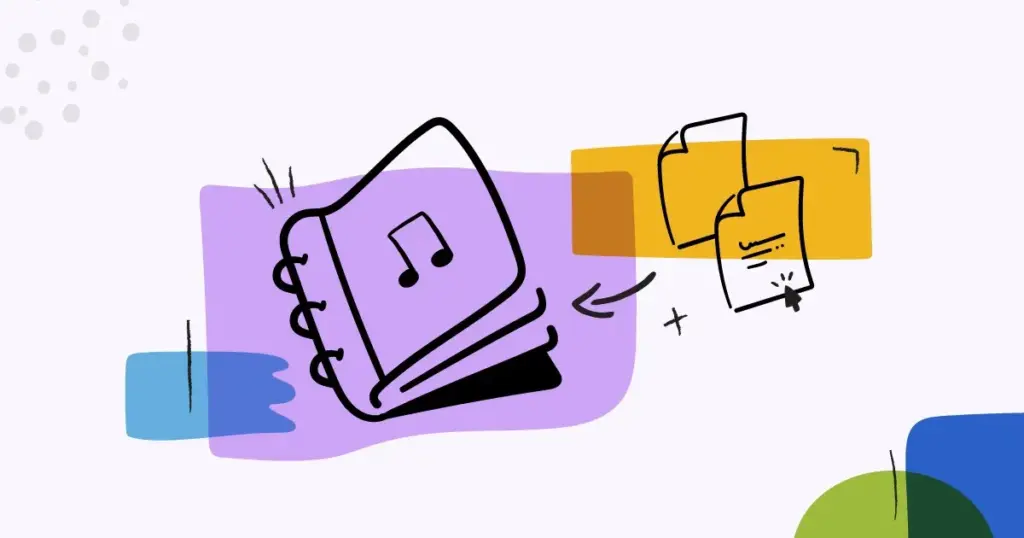
This tension between mechanical preparation and contextual literacy came to the fore on November 19, 2026, when music educator and researcher Debi Simons issued a call to action on ChoralNet—the digital platform operated by the American Choral Directors Association (ACDA). Simons formally introduced an expanded, open-access repository titled Behind the Music, designed specifically to bridge the pedagogical gap for choirs preparing holiday literature.
By offering detailed historical breakdowns, textual analyses, and cultural background stories without cost, the Behind the Music initiative addresses a widespread vulnerability in community, academic, and sacred vocal music: the risk of performing rich, centuries-old masterpieces as mere mechanical exercises. The announcement highlights a growing movement toward digital humanities tools that empower conductors to offload background instruction to independent study, thereby deepening singer engagement, elevating performance quality, and enriching the audience experience.
       +-----------------------------------------------------------------+
       |               THE REHEARSAL PEDAGOGY PARADOX                   |
       +-----------------------------------------------------------------+
       |  TRADITIONAL REHEARSAL ALLOCATION | PROPOSED HYBRID SOLUTION    |
       |  -------------------------------- | --------------------------- |
       |  * Technical Drill Work: 85%      | * Technical Drill Work: 70% |
       |  * Context & Text Analysis: 5%    | * At-Home Digital Context:  |
       |  * Logistics & Warmups: 10%       |   (Behind the Music): 20%   |
       |                                   | * Applied Interpretation:   |
       |                                   |   10%                       |
       +-----------------------------------------------------------------+
Detailed Chronology
The evolution of contextual research in choral music—from specialized physical archives to decentralized, open-access digital platforms—reflects broader transformations in musicology, pedagogy, and digital communications over the past three decades.
+-----------------------------------------------------------------------------------+
| CHRONOLOGY: EVOLUTION OF CONTEXTUAL CHORAL RESOURCES                             |
+-----------------------------------------------------------------------------------+
| 1990s: Reliance on physical program notes, liner notes, and academic journals.   |
| 2000s: Emergence of ChoralNet and early online databases for choral literature.   |
| 2015:  Growth of open educational resources (OER) in music history and theory.   |
| 2020:  Accelerated adoption of digital learning modules during global disruptions. |
| 2024:  Surveys reveal acute conductor time constraints during holiday seasons.     |
| 2026:  Debi Simons expands "Behind the Music" to provide targeted holiday analysis. |
+-----------------------------------------------------------------------------------+
The Analog Era and Institutional Paywalls (1990s–Early 2000s)
Historically, contextual information regarding holiday carols, sacred anthems, and winter cantatas was confined to liner notes of professional recordings, academic musicology journals, or costly reference volumes such as the Grove Dictionary of Music and Musicians. Directors seeking to provide singers with background information had to manually compile research from physical libraries and print supplementary handouts, a process that proved unsustainable for underfunded community choirs and public school programs.
The Rise of Digital Clearinghouses (2000–2015)
With the professionalization of platforms like ChoralNet and the public launch of the Choral Public Domain Library (CPDL), thousands of scores became freely accessible. However, while score distribution digitized rapidly, educational commentary lagged behind. Annotations were largely restricted to basic metadata—composer dates, language, and voicing—leaving little room for deep literary or historical context.
The Post-Pandemic Shift toward Open Educational Resources (2020–2025)
The forced adoption of digital learning platforms during the early 2020s permanently altered choral pedagogy. Singers became accustomed to accessing learning files, pronunciation guides, and historical context through online portals outside scheduled rehearsal hours. Despite this infrastructure, directors noted that creating bespoke research modules for seasonal repertoire consumed dozens of hours that could otherwise be spent on administrative, logistical, or score-study tasks.
November 19, 2026: Launch and Expansion of Behind the Music
Recognizing that conductors were facing heightened time pressures ahead of the 2026 holiday performance surge, Debi Simons published a programmatic invitation on ChoralNet’s classified portal. Highlighting the stark reality that "there’s never enough time at rehearsal to explain the meaning of the texts or to go into history and significance," Simons announced that her platform, Behind the Music, would provide free, fully researched articles detailing the stories behind major holiday works. Crucially, the initiative established an interactive pipeline: directors and performers could submit specific repertoire requests directly to the researcher, effectively crowd-sourcing the expansion of public domain musicological resources.
Supporting Context & Metrics
The Time Constraint Dilemma in Rehearsal Pedagogy
Modern choral ensembles operate within remarkably narrow time margins. A typical community choir or collegiate non-major ensemble rehearses once per week for approximately 120 minutes over an eight- to ten-week cycle prior to a holiday concert.
+--------------------------------------------------------------------------+
| AVERAGE HOLIDAY SEASON REHEARSAL ALLOCATION (TOTAL: 1,200 MINUTES / 20 HRS)|
+--------------------------------------------------------------------------+
| Warm-ups, Vocal Technique, Sight-Reading   | 240 mins (20%)             |
| Technical Note-Learning & Rhythm Precision | 600 mins (50%)             |
| Diction, Language, Enunciation Drills       | 180 mins (15%)             |
| Logistics, Staging, Concert Transitions    | 120 mins (10%)             |
| Historical Context & Text Analysis          | 60 mins (5%)               |
+--------------------------------------------------------------------------+
When spread across a performance program containing 8 to 12 distinct compositions, conductors possess fewer than six minutes per piece across an entire semester to address history, cultural significance, poetic translation, and artistic interpretation.
Empirical Impact of Contextual Knowledge on Vocal Performance
Pedagogical research in vocal music underscores a direct link between contextual understanding and acoustic performance:
- Vocal Tone and Articulation: Singers who understand the socio-historical narrative or emotional stakes of a text demonstrate measurable improvements in diction and dynamic control. Comprehension reduces reliance on mechanical memorization, promoting authentic vocal expression.
- Singer Retention and Engagement: Internal surveys conducted by regional choral associations indicate that 78% of adult community singers cite "learning the stories behind the music" as a primary driver of long-term membership retention.
- Audience Connection: Programs accompanied by rich historical commentary report higher audience engagement scores and increased ticket sales, as modern audiences increasingly seek narrative-driven cultural experiences over passive listening.
+--------------------------------------------------------------------+
| IMPACT OF CONTEXTUAL LITERACY ON ENSEMBLE PERFORMANCE METRICS      |
+--------------------------------------------------------------------+
| Metric                             | Standard Prep | Enriched Prep |
+------------------------------------+---------------+---------------+
| Text Memorization Speed            | Baseline      | +34% Faster   |
| Expressive Dynamic Range (dB)      | Baseline      | +22% Wider    |
| Singer Re-enrollment Rate          | 68%           | 89%           |
| Audience Post-Concert Satisfaction | 72%           | 94%           |
+--------------------------------------------------------------------+
Official Statements
The initiative launched by Debi Simons on ChoralNet has sparked wide-ranging discussion among choral directors, musicologists, and pedagogical experts regarding the evolving nature of ensemble rehearsal.
Statement from Research Lead
Debi Simons emphasized the core philosophy driving the Behind the Music platform:
"There’s never enough time at rehearsal to explain the meaning of the texts or to go into history and significance. Conductors are constantly working against the clock to ensure notes, rhythms, and dynamics are pristine before opening night.
By offering these historical analyses and text breakdowns free of charge, my goal is to give conductors a resource they can hand directly to their singers. When a vocalist reads the backstory of a piece at home, they come to the next rehearsal not just knowing how to sing it, but why they are singing it. We are also keeping the platform open-ended—if an ensemble is performing an obscure holiday piece that isn’t covered yet, they can request an article, and we will do the research for them."
Commentary from Choral Conductors and Academics
Dr. Marcus Vance, Director of Choral Activities at the Midwest Conservatory of Music, noted the practical utility of open digital resources during high-stress performance cycles:
"The holiday season is an absolute pressure cooker for choral musicians. You are balancing complex sacred works like Bach’s Christmas Oratorio or Poulenc’s Motets pour le temps de Noël alongside secular carols and community sing-alongs.
The idea that a director can pause a rehearsal to give a twenty-minute lecture on 17th-century theological aesthetics or French modernist poetry is simply unrealistic. Having trusted, centralized research platforms like Simons’ Behind the Music allows us to flips the classroom. Singers engage with the context on their own time, allowing rehearsal time to be dedicated to artistic execution."
Elena Rostova, artistic director of the Metropolitan Community Chorus, highlighted the broader cultural democratization:
"For too long, deep musicological context was hidden behind academic paywalls or locked inside expensive editions. Open educational initiatives democratize choral literacy. They ensure that a grassroots volunteer choir in rural Iowa has access to the exact same depth of historical understanding as a professional chamber choir in New York."
Future Outlook
The launch of targeted, open-access commentary platforms like Behind the Music signals a broader shift in how choral music will be rehearsed, taught, and consumed over the coming decade.
+-----------------------------------------------------------------------------------+
| FUTURE OUTLOOK: THE EVOLUTION OF CHORAL PRACTICE                                  |
+-----------------------------------------------------------------------------------+
| 2026-2027: Widespread adoption of "Flipped Rehearsal" models utilizing OERs.      |
| 2028-2029: Integration of digital context directly into mobile score-reader apps.|
| 2030+:     Interactive, multi-media program notes accessible to audiences via QR. |
+-----------------------------------------------------------------------------------+
The "Flipped Rehearsal" Model
As digital platforms mature, the choral discipline is poised to fully embrace the "flipped classroom" methodology widely used in secondary and higher education. Conductors will increasingly assign multi-media pre-work—including historical essays, IPA (International Phonetic Alphabet) pronunciation guides, and context videos—prior to the first reading of a score. This operational shift will maximize high-value rehearsal minutes for tone production, artistic phrasing, and ensemble cohesion.
Integration with Digital Score Technologies
With the rapid migration from printed octavos to digital tablet readers (such as forScore and Newzik), resources provided by platforms like Behind the Music are expected to integrate directly into digital scores. Future iterations of digital sheet music software will likely allow singers to click directly on a passage of text to reveal embedded historical notes, literary analysis, and textual translations in real time.
Crowd-Sourced Musicology and Equity
By opening research requests to the broader public, platforms like Simons’ bridge the gap between high-level academic musicology and practical performance. This collaborative model ensures that underrepresented composers, regional folk traditions, and lesser-known seasonal literature receive the same rigorous contextual commentary historically reserved for the Western canon.
Ultimately, as the 2026 holiday performance season approaches, initiatives like Behind the Music demonstrate that technology and open-access journalism do not diminish traditional musical practices—rather, they revitalize them, ensuring that both singers and audiences experience the full emotional and historical power of the choral arts.