
Executive Overview
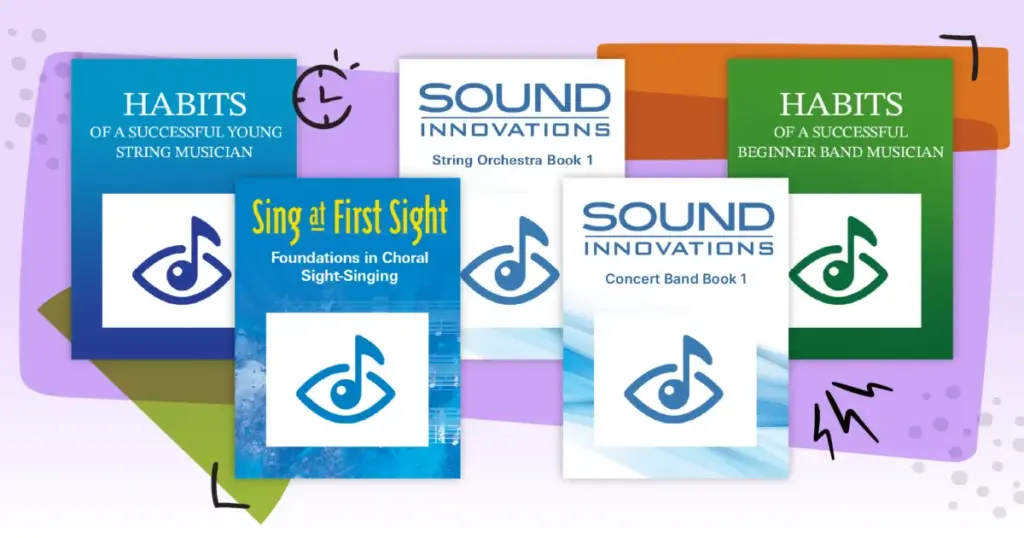
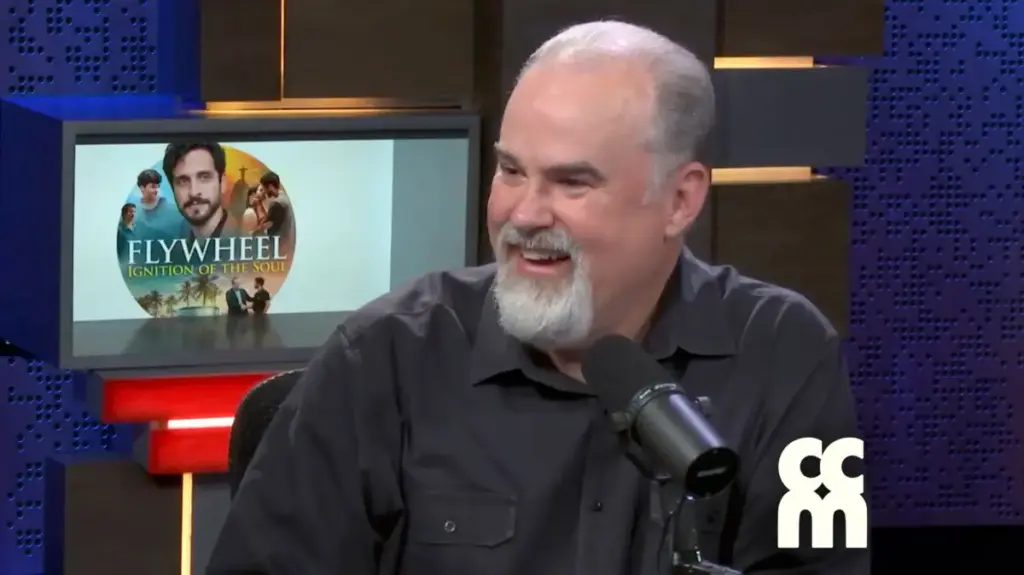
In a direct response to longstanding challenges in vocal music literacy, music education platform ToolsforConductors.com has launched a nationwide initiative offering comprehensive, open-access sight-reading samples across its entire pedagogical catalog. Spearheaded by veteran music educator Stuart Hunt, the program provides downloadable, printable, and projectable instructional materials tailored for ensembles spanning from kindergarten through the university level.
The initiative targets a persistent bottleneck in choral administration: the efficient development of musical literacy without sacrificing rehearsal time devoted to performance repertoire. By introducing structured, four-minute entrance activities, the methodology focuses on three foundational pillars of music reading: rhythmic counting, interval recognition, and independent part-singing.
Importantly, at a time when generative artificial intelligence is increasingly leveraged to synthesize instructional content, ToolsforConductors.com has explicitly positioned its platform around human-composed, pedagogically tested exercises. Designed by experienced educators, these materials prioritize age-appropriate vocal ranges, organic voice leading, and sequential skill acquisition, while remaining accessible enough to be led directly by student conductors. The framework is designed for rapid adoption by individual directors as well as district-wide institutional deployments seeking vertical alignment across elementary, secondary, and higher education music curricula.
Detailed Chronology: The Evolution of Choral Sight-Reading Methodology
The release of these open-access instructional materials marks a significant phase in the modern evolution of vocal sight-reading pedagogy. To understand the impact of this platform rollout, it is essential to trace the historical progression of choral sight-reading tools over the past several decades.
+-----------------------------------------------------------------------------------+
| HISTORICAL TRAJECTORY OF CHORAL SIGHT-READING INSTRUCTION                         |
+-----------------------------------------------------------------------------------+
| ERA                  | PRIMARY METHODOLOGY           | KEY LIMITATIONS            |
+----------------------+-------------------------------+----------------------------+
| Pre-2000s            | Static Octavos & Fixed Books  | High cost, visual fatigue, |
|                      | (Solfege/Fixed-Do systems)    | rigid linear progression   |
+----------------------+-------------------------------+----------------------------+
| 2000s–2010s          | Early Digital Projection &    | Licensing restrictions,    |
|                      | Software Supplements          | hardware reliance          |
+----------------------+-------------------------------+----------------------------+
| Post-2020            | Micro-Learning, Projection,   | AI content oversaturation, |
| (Current Era)        | Modular Entrance Routines     | quality inconsistency      |
+----------------------+-------------------------------+----------------------------+
Phase 1: Traditional Octavos and Print-Bound Constraints (Pre-2000s)
Historically, sight-reading instruction in the choral classroom relied on printed method books or static octavos. Directors were forced to allocate substantial budget portions to physical sheet music, which suffered from wear, loss, and inflexibility. Sequential learning was frequently disrupted when students missed foundational steps or when ensembles possessed mixed ability levels. Furthermore, physical books often diverted student posture downward, compromising vocal mechanics and eye contact with the conductor.
Phase 2: The Digital Projection Shift and Modular Exercises (2000s–2010s)
With the integration of interactive whiteboards, document cameras, and overhead projectors into performing arts classrooms, educators began moving away from physical sight-reading books. Projection allowed directors to unify ensemble posture, focusing all eyes on a single forward visual target. However, digital offerings during this era often suffered from fragmented licensing structures, overly complex software interfaces, or rigid, uninspiring musical examples that failed to hold student engagement.
Phase 3: Post-Pandemic Literacy Gaps and Micro-Dosing Instruction (2020–2023)
The disruption of in-person performance ensembles during the COVID-19 pandemic accelerated music literacy loss across K-12 and collegiate programs. Upon returning to physical classrooms, directors faced severe variability in students’ foundational skills. In response, modern pedagogical research advocated for "micro-dosing" skill delivery—utilizing brief, high-intensity learning routines at the very start of class rather than dedicating extended, continuous blocks of time to sight-reading drill work.
Phase 4: Open Access and Human-Centric Curriculum Launch (Present)
In response to current market demands for flexible, high-yield instructional design, ToolsforConductors.com introduced its comprehensive sample library. By making complete, multi-level curriculum samples freely downloadable and projectable, the platform seeks to standardize sight-reading warm-ups into a four-minute entrance routine. This rollout directly addresses the current industry push toward zero-friction visual delivery, district-level scalability, and human-crafted educational sequencing.
Supporting Context & Metrics: Deconstructing the Core Pedagogical Triad
The instructional model developed by Stuart Hunt and ToolsforConductors.com operates on the premise that vocal sight-reading fluency requires simultaneous mastery across three distinct cognitive and physical domains.
                        +--------------------------------+
                        |  HOLISTIC SIGHT-READING       |
                        |          MASTERY               |
                        +---------------+----------------+
                                        |
       +--------------------------------+--------------------------------+
       |                                |                                |
       v                                v                                v
+--------------+                +---------------+                +---------------+
| 1. COUNTING  |                | 2. INTERVAL   |                | 3. PART-      |
|  & RHYTHM    |                |   RECOGNITION |                |    SINGING    |
+--------------+                +---------------+                +---------------+
| * Subdivision|                | * Step vs.    |                | * Polyphonic  |
| * Pulse      |                |   Leap        |                |   holding     |
| * Meter      |                | * Tonal       |                | * Voice       |
|   Flexibility|                |   Anchoring   |                |   Leading     |
+--------------+                +---------------+                +---------------+
1. The Three Pillars of Vocal Literacy
Pillar 1: Rhythmic Literacy and Counting Systems
Rhythmic error accounts for a high percentage of sight-reading failures in competitive and non-competitive ensemble evaluations. The ToolsforConductors.com curriculum establishes rhythm as an independent, predictable framework. By isolating metric subdivisions, syncopation, and measure transitions, exercises ensure students establish a physical internal pulse before overlaying pitch complexity.
Pillar 2: Interval Recognition and Auditory Imagery
Unlike instrumentalists, who rely on key mechanisms or fretboards to locate pitches, vocalists must internally generate pitch targets before vocalizing them (audiation). The curriculum structures interval training through sequential step-and-leap progressions. By systematically training students to identify tonal distances visually and mentally, the exercises build a strong cognitive bridge between printed notation and vocal execution.
Pillar 3: Part-Singing and Polyphonic Independence
The ultimate test of choral sight-reading is the ability to maintain an independent line against competing harmonic voices. The platform’s advanced modules introduce contrapuntal resistance early in the process. By guiding students to hold their voice parts against contrasting melodies, the curriculum builds harmonic awareness and ensemble balance.
2. Efficiency Metrics: The 4-Minute Entrance Protocol
To minimize rehearsal friction, the curriculum relies on a structured, four-minute execution format. Rehearsal time efficiency can be calculated as follows:
$$textRehearsal Time Efficiency (%) = left( fractextTotal Class Time – textLiteracy Module DurationtextTotal Class Time right) times 100$$
For a standard 50-minute ensemble period:
$$textEfficiency = left( frac50 – 450 right) times 100 = 92%$$
This structure reserves 92% of active class time for core repertoire while ensuring that sight-reading instruction occurs consistently every day. Cognitive science demonstrates that daily four-minute micro-sessions yield significantly higher retention rates over a standard academic term compared to a single, weekly 20-minute instruction block.
+-----------------------------------------------------------------------------------+
| INSTRUCTIONAL EFFICIENCY & RETENTION COMPARISON                                   |
+-----------------------------------------------------------------------------------+
| FORMAT                  | TOTAL WEEKLY TIME | RETENTION RATE  | REHEARSAL IMPACT  |
+-------------------------+-------------------+-----------------+-------------------+
| Daily Micro-Routines    | 20 Minutes        | High (~85%)     | Low Friction      |
| (4 Min/Day)             | (Distributed)     |                 | (92% Time Free)   |
+-------------------------+-------------------+-----------------+-------------------+
| Weekly Block Session    | 20 Minutes        | Moderate (~40%) | High Friction     |
| (1 Day/Week)            | (Massed)          |                 | (Disrupts Flow)   |
+-------------------------+-------------------+-----------------+-------------------+
3. Human Composition vs. Algorithmic Generation
A central point of differentiation in the ToolsforConductors.com methodology is its insistence on human composition over computer-generated or AI-driven musical algorithms. While software platforms can instantly generate randomized rhythmic and melodic sequences, automated generators frequently overlook critical nuances of human vocal pedagogy:
- Vocal Tessitura and Register Transitions: AI algorithms often generate leaps across awkward vocal range boundaries (e.g., forcing young tenors or sopranos into abrupt register breaks without preparatory voice leading).
- Phrasing and Breath Support: Human-composed exercises incorporate natural musical phrasing that mirrors human breath capacity, whereas computer algorithms treat measures as mathematically isolated grids.
- Pedagogical Scaffolding: Automated generators struggle to build subtle, continuous connections between lessons, whereas veteran human educators design exercises that recycle specific interval challenges introduced in prior lessons.
+-----------------------------------------------------------------------------------+
| COMPARATIVE ANALYSIS: PEDAGOGICAL COMPOSITION VS. AI GENERATION                   |
+-----------------------------------------------------------------------------------+
| FEATURE                 | VETERAN HUMAN COMPOSERS   | ALGORITHMIC / AI GENERATORS |
+-------------------------+---------------------------+-----------------------------+
| Tessitura Management    | Highly optimized for age  | Mathematical; frequently    |
|                         | and voice type            | ignores register breaks     |
+-------------------------+---------------------------+-----------------------------+
| Phrasing & Breath       | Built around human breath | Grid-bound; lacks natural   |
| Mechanics               | mechanics                 | musical cadences            |
+-------------------------+---------------------------+-----------------------------+
| Progressive Scaffolding | Sequential reinforcement   | Randomized; lacks long-term |
|                         | across units              | memory continuity           |
+-------------------------+---------------------------+-----------------------------+
| Student Conductability  | Designed for visual       | Complex, unpredictable      |
|                         | clear-meter leadership    | metric shifts               |
+-------------------------+---------------------------+-----------------------------+
Official Statements and Pedagogical Perspective
In introducing the open-access sample collection to the national choral community, platform founder and veteran educator Stuart Hunt emphasized the imperative of making foundational, high-quality sight-reading materials universally available to music programs regardless of budget constraints.
"Our objective is to provide conductors with instant, frictionless access to instructional tools that deliver real results in under five minutes," stated Stuart Hunt. "Sight-reading shouldn’t be an intimidating, tedious chore tacked onto the end of a rehearsal. By structuring these exercises as brief four-minute entrance activities, we allow directors to establish immediate focus, train core literacy skills, and transition seamlessly into their main concert repertoire."
Addressing the decision to maintain human composition across the entire curriculum, Hunt highlighted the functional limitations of automated educational tools in vocal arts settings:
"There is a distinct difference between randomized musical notes and structured musical pedagogy. Every single line in our library is composed by seasoned educators who understand the physical reality of the human voice. Computer-generated exercises often produce awkward voice-leading and unmusical phrasing that frustrate young singers. Our materials are engineered to build vocal confidence, preserve healthy vocal technique, and systematically reinforce skills step-by-step."
Hunt also underlined the versatility and administrative scalability of the platform:
"Whether you are running a single elementary choir, managing a collegiate choral department, or overseeing music curriculum across an entire school district, these resources are built to scale. They are clear enough to project directly onto a screen, accessible enough for student leaders to conduct, and rigorous enough to foster true musical independence across all grade levels."
Future Outlook: Modernizing Choral Classrooms and Assessment Standards
The release of free, downloadable samples from ToolsforConductors.com comes at a critical time for music education, as school districts across North America work to update assessment metrics and modernize classroom technology integration.
Aligning with National and State Fine Arts Standards
Modern fine arts educational frameworks—such as the National Core Arts Standards (NCAS)—place explicit emphasis on artistic literacy, independent music making, and student agency. By providing sequential sight-reading frameworks that can be conducted by students themselves, the ToolsforConductors.com model directly supports these standards:
+-----------------------------------------------------------------------------------+
| ALIGNMENT WITH NATIONAL CORE ARTS STANDARDS (NCAS)                                |
+-----------------------------------------------------------------------------------+
| NCAS CORNERSTONE       | INSTRUCTIONAL MECHANISM IN CURRICULUM                     |
+------------------------+----------------------------------------------------------+
| Performing (Analyze)   | Student identification of meter, interval structures,    |
|                        | and key signatures during visual pre-scan.               |
+------------------------+----------------------------------------------------------+
| Performing (Rehearse)  | Daily 4-minute entrance exercises reinforcing accuracy,  |
|                        | tone quality, and ensemble balance.                      |
+------------------------+----------------------------------------------------------+
| Student Leadership     | Conductable layouts allowing student leaders to run      |
|                        | warm-up activities independently.                        |
+------------------------+----------------------------------------------------------+
Digital Infrastructure and District-Wide Adoption
As school districts phase out legacy physical textbooks in favor of centralized digital assets, sight-reading platforms capable of site-wide or district-wide licensing are positioned to become central components of fine arts curricula. Projected digital delivery eliminates recurring per-student sheet music costs while standardizing evaluation metrics across feeder schools—ensuring that middle school students enter high school programs with a uniform, shared sight-reading foundation.
Long-Term Impact on Collegiate Readiness
Higher education choral conductors consistently cite sight-reading fluency as a key determinant in audition performance and ensemble placement. By providing a continuous instructional path from elementary education through the university level, the sequential methodologies promoted by platforms like ToolsforConductors.com aim to close the literacy gap between secondary music education and collegiate performance expectations.
As music educators continue to balance time constraints, budgetary limitations, and shifting educational technologies, human-composed, highly focused pedagogical tools offer a clear path forward. By combining traditional human composition with modern visual projection methods, this approach offers a practical framework for building sustainable, lifelong musical literacy.
Program Specifications & Distribution Summary
- Platform: ToolsforConductors.com
- Curriculum Director: Stuart Hunt
- Target Scope: Kindergarten through University (K-12 + Higher Education)
- Format Options: Digital Download, Projection-Ready Display, Physical Print
- Core Pillars: 1. Rhythm/Counting, 2. Interval Recognition, 3. Part-Singing
- Execution Duration: 4-minute entry-level/warm-up activities
- Availability: Public access samples available at ToolsforConductors.com/samples