
Executive Overview
The 80th Annual Midwest Clinic, widely recognized as the premier international instrumental music education conference in the world, is officially returning to McCormick Place West in Chicago, Illinois. Scheduled for December 16–18, 2026, this monumental gathering will draw thousands of music educators, professional musicians, student performers, industry leaders, and composers from across the globe. Attendees will immerse themselves in a rigorous, multi-day itinerary featuring world-class concert performances, cutting-edge professional development clinics, and an expansive exhibit hall showcasing the latest innovations in musical instruments, technology, and literature.
However, beneath the inspiring melodies and networking opportunities lies a formidable logistical challenge: surviving and thriving during a Chicago winter. First-time attendees are frequently caught off guard by the aggressive Midwestern climate, where freezing temperatures, piercing wind tunnels, and relentless architectural drafts transform a simple walk between venues into an endurance test. Furthermore, the sheer physical demands of navigating the labyrinthine halls of McCormick Place West—coupled with the high-stakes environment of rehearsals, clinic presentations, and networking—require a level of preparation that goes far beyond standard business-casual travel packing.
This comprehensive guide serves as the definitive authoritative manual for music educators and industry professionals preparing for the 2026 Midwest Clinic. Moving beyond conventional packing lists, this article delivers tactical advice derived from veteran attendees, dissecting everything from thermal layering strategies and performance emergency kits to unconventional travel hacks like the deployment of localized compression wear and spot-cleaning chemical agents. By mastering these strategies, conference-goers can insulate themselves against environmental discomfort, physical fatigue, and logistical friction, ensuring that their focus remains squarely on the artistic and pedagogical mission of the conference.
Detailed Chronology and Event Landscape
To fully understand why meticulous packing is critical for the Midwest Clinic, one must first examine the temporal and spatial demands of the conference schedule. The event operates on an accelerated, highly dense timeline that leaves little room for mid-day returns to the hotel room once the morning sessions commence.
Day One: Arrival, Orientation, and the Chilling Reality
The opening day of the Midwest Clinic typically sets a frantic pace. Attendees arrive at O’Hare or Midway International Airports, navigate the transit systems or rideshares into downtown Chicago, and check into their respective accommodations. The immediate transition from climate-controlled transport into the frigid Chicago atmosphere serves as a rude awakening for the uninitiated.
Upon arrival at McCormick Place West, educators rush to register, pick up their badges, and map out their schedules. The first afternoon is characterized by high-energy exhibit hall grand openings, keynote speeches, and the initial wave of high-profile ensemble performances. Because schedules are packed tightly back-to-back—often requiring attendees to sprint from a clinic in one wing to a concert in another—returning to the hotel to change clothes or recover from the weather is rarely an option. Consequently, everything required for survival must be carried on your person or stowed strategically in an everyday carry bag.
Days Two and Three: The Marathon of Music and Mentorship
The subsequent days represent the crucible of the conference. Beginning as early as 8:00 AM and extending well into evening receptions past 10:00 PM, attendees subject themselves to a relentless schedule of reading sessions, conducting symposia, masterclasses, and networking dinners.
Physically, this translates to tens of thousands of steps logged daily on unforgiving concrete floors. The acoustic architecture of large performance halls, combined with the drafty corridors of convention centers, creates localized micro-climates where educators may transition from a sweltering, standing-room-only seminar room to a drafty, cavernous concert hall in a matter of minutes. Navigating this dynamic environment demands a sophisticated understanding of thermal management, physical endurance, and preventative health care.
Supporting Context & Metrics: The Anatomy of a Chicago Convention
Preparing for the Midwest Clinic requires looking at hard data regarding Chicago’s winter climate and the ergonomic realities of large-scale convention attendance.
Meteorological Realities of December in Chicago
Historically, mid-December in Chicago presents average high temperatures hovering around 35°F (2°C) and lows dipping into the mid-20s (-4°C to -6°C). However, these ambient figures fail to account for the "Windy City" factor. Wind speeds off Lake Michigan frequently generate wind chill values that plunge well below zero, causing exposed skin to freeze within minutes. Furthermore, the urban canyon effect created by Chicago’s skyscrapers funnels cold air down streets at accelerated velocities, turning short walks from hotels to shuttle stops into frigid expeditions.
Ergonomic and Physical Toll Metrics
Conventions held at mega-venues like McCormick Place West present hidden physical costs. Industry studies on convention center ergonomics indicate that attendees walk an average of 6 to 9 miles per day across unyielding concrete and thin-carpeted industrial flooring. Without proper footwear and circulatory support, this volume of impact leads to acute lower-limb fatigue, plantar fasciitis flare-ups, and severe joint stiffness.
Moreover, the low humidity levels inside heated convention centers—combined with outdoor sub-freezing air—cause rapid moisture depletion in human skin. Dehydration and epidermal cracking are among the leading minor ailments reported by first-time conference travelers, directly impacting comfort and focus.
Essential Packing Protocols: The Master Checklist
To combat the unique environmental and physical challenges of the Midwest Clinic, experienced attendees adhere to a rigorous, battle-tested packing protocol. The following sections outline the essential categories every professional should integrate into their travel preparations.
1. The Multi-Tiered Layering Strategy
Relying solely on a heavy winter coat is a fundamental mistake when attending an indoor-outdoor convention. The key to thermal regulation in Chicago is modular layering:
- Base Layer (Thermals): Invest in high-quality moisture-wicking thermal tops and bottoms (merino wool or synthetic synthetics). These trap body heat without adding bulk, ensuring you remain comfortable when transitioning into heated buildings.
- Mid Layer: Sweaters, cardigans, or fleece pullovers that can be easily unzipped or shed when indoor temperatures spike.
- Outer Shell: A wind-resistant, waterproof winter coat with a deep hood.
- Accessories: Windproof gloves or mittens, a heavy wool or cashmere scarf, and thermal ear warmers or a lined beanie. For those engaging in extended outdoor transit, electronic, rechargeable hand warmers are an invaluable luxury that fits discreetly into coat pockets.
2. The Performance Emergency Kit
Music directors and performers live by the adage "be prepared." When traveling for performances or high-stakes clinics, a localized emergency kit prevents minor equipment or wardrobe malfunctions from turning into disasters. This compact pouch should include:
- Extra performance socks (black dress socks).
- Hair ties, bobby pins, and discreet styling tools.
- Instrument-specific consumables (reeds, valve oil, cork grease, valve brushes, swabs, pencils with erasers, and extra strings).
- A miniature sewing kit with safety pins and pre-threaded needles.
3. Combatting Environmental Dehydration: Lip Balm and Heavy-Duty Lotion
The combination of brutal outdoor winds and dry indoor heating systems rapidly strips moisture from the skin. Standard hotel-provided lotions are rarely sufficient for severe winter conditions.
- Actionable Advice: Procure a travel-sized tube of heavy-duty, glycerin- or shea butter-based therapeutic hand cream. Keep it in an easily accessible pocket or bag to treat micro-cracks on knuckles and wrists before they escalate into painful splits.
- Lip Protection: Pack high-potency, medicated lip balm containing SPF and beeswax to prevent windburn and chapping.
4. Circulatory Support: Compression Socks as a Game Changer
Perhaps the single most transformative recommendation for veteran convention-goers is the adoption of graduated compression socks.
- The Science: Prolonged standing and walking cause blood to pool in the lower extremities, leading to venous stasis, swollen ankles, and severe muscular fatigue.
- The Solution: Medical-grade or athletic compression socks (15-20 mmHg) actively assist venous return, pushing blood back toward the heart against gravity.
- Aesthetic Integration: Modern compression socks are available in sleek, matte-black designs that blend seamlessly with standard "concert black" professional attire, allowing educators to protect their physical health while maintaining formal dress codes.
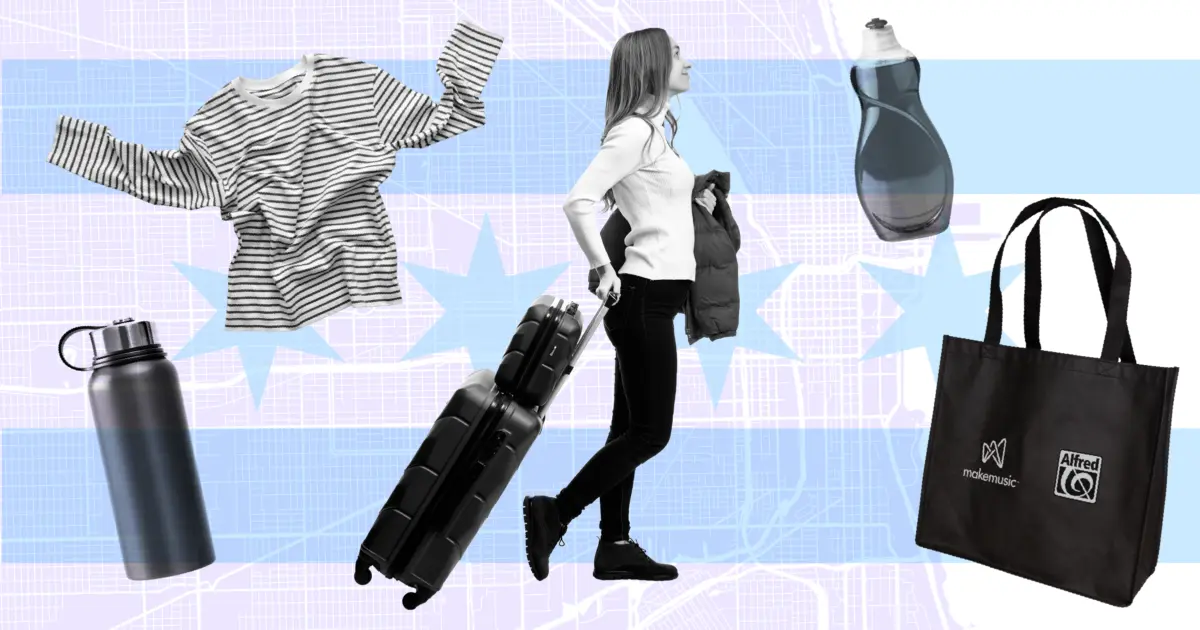
5. Unconventional Chemical Defense: The Utility of Dish Soap
While traveling companions may question the logic of packing liquid dish soap, experienced road warriors recognize it as an indispensable multi-use tool.
- Bottle Hygiene: Reusable water bottles used over multiple days develop bacterial films; a drop of dish soap and hot hotel tap water ensures sanitary hydration.
- Stain Remediation: Conference receptions and quick lunches are fraught with hazard—coffee spills, ink leaks, and food drops are occupational hazards. A small, silicone travel bottle of concentrated dish soap, combined with a hotel hair dryer, serves as an emergency spot-treatment kit that can lift grease and food oils from blazers, ties, and skirts on short notice.
6. Hydration Management: Reusable Water Bottles
Venues like McCormick Place West provide modern water refilling stations, but purchasing bottled water commercially in downtown Chicago can incur exorbitant markups. Bringing a durable, insulated reusable water bottle ensures constant hydration throughout long lecture blocks while insulating personal finances from inflated convention center pricing.
7. The Dual-Purpose Dirty/Clean Canvas Bag
Managing laundry during a multi-day trip is notoriously messy.
- Inbound Transit: Use a sturdy canvas tote bag inside your primary suitcase to house unwashed footwear (such as gym shoes or casual sneakers) separated from clean garments.
- On-Site Utility: Once unpacked at the hotel, hang the canvas bag in the bathroom to serve as a designated laundry hamper for worn garments. At the conclusion of the event, the entire bag—dirty clothes and all—drops directly back into your luggage, streamlining repacking and simplifying post-trip laundry execution.
8. Logistics for Literature: Securing Space for Music and Souvenirs
The Midwest Clinic exhibit hall is a treasure trove of new scores, pedagogical texts, promotional merchandise, and publisher giveaways. Packing a rigid carry-on to capacity on the outbound journey guarantees spatial deficits on the return trip.
- Mitigation: Pack a compressible space bag or a lightweight, foldable duffel bag tucked into an exterior pocket. On the return flight, check the expanded bag or utilize it to accommodate bulky winter garments while keeping delicate scores protected in your primary carry-on.
Official Statements and Industry Insights
As the 80th anniversary milestone approaches, organizers of the Midwest Clinic emphasize the importance of holistic attendee preparation. In official conference communications, logistics coordinators stress that maximizing the educational value of the event relies heavily on mitigating external stressors.
"The Midwest Clinic is designed to be an intensive, transformative professional development experience," notes the organizing committee in briefing materials. "When educators are physically comfortable, properly nourished, and logistically prepared, they are entirely free to absorb the pedagogical brilliance and musical artistry presented on our stages. Preparation is the foundation of inspiration."
Industry partners echo this sentiment. Representatives from major exhibiting organizations highlight the value of direct engagement on the convention floor, encouraging attendees to utilize on-site ordering platforms when luggage capacities are reached. For instance, manufacturing and publishing leaders point out that educators do not need to physically lug heavy octavos and full band arrangements through airports; digital integration allows conference-goers to secure materials on-site for direct shipment to their school districts.
Future Outlook: The Evolution of the Midwest Clinic Experience
As the Midwest Clinic enters its ninth decade of operation, the profile of the modern music educator continues to evolve. The integration of advanced music technology, hybrid pedagogical methodologies, and global repertoire curation has expanded the scope of what attendees seek to gain from the annual pilgrimage to Chicago.
Looking toward future iterations of the conference, organizers are continually refining venue logistics, transit partnerships, and digital resource availability to streamline the attendee experience. Yet, despite technological advancements and expanded convention center amenities, the fundamental human elements of the conference remain unchanged: it is an intensive, deeply personal gathering driven by human connection, live performance, and shared pedagogical passion.
By adopting professional-grade packing strategies—addressing everything from thermal physics and ergonomic preservation to chemical stain removal and spatial logistics—attendees can insulate themselves from the friction of winter travel. Armed with the insights detailed in this guide, music educators are fully equipped to step out of the Chicago cold, walk confidently onto the convention floor, and extract every ounce of educational and artistic value from the historic 80th Annual Midwest Clinic.
Conference Quick-Reference Directory
- Event Dates: December 16–18, 2026
- Venue: McCormick Place West, Chicago, IL
- Official Website: midwestclinic.org
- Exhibitor Resources & Direct Ordering: Visit MakeMusic at Booth 1139 or explore digital solutions via the MakeMusic Shop.