
Executive Overview
For many, the human voice is an invisible yet deeply defining signature of identity. When it fails, the consequences ripple far beyond physical communication, touching self-esteem, professional
viability, and emotional well-being. This is the narrative of Mary Ellen Stoll, a resident of Brockville, Ontario, whose lifelong aspiration to sing was stifled for decades by medical intervention gone awry. Diagnosed with a vocal cord nodule at the tender age of 22, Stoll underwent conventional surgical procedures that unfortunately left her speaking voice permanently altered and compromised.
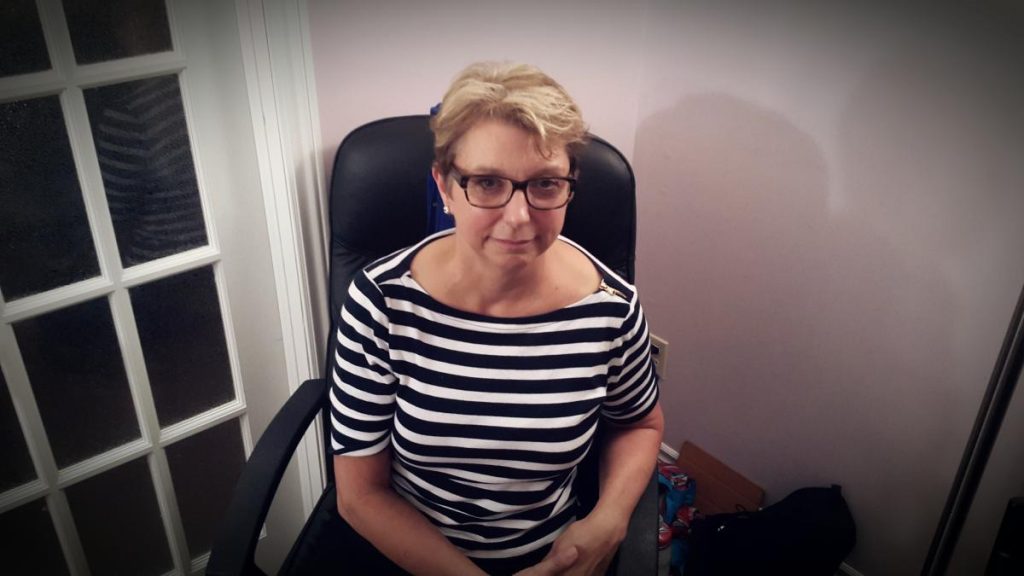
For forty years, Stoll navigated life with a damaged voice, eventually building a successful, albeit high-stress, career as a manager for the Government of Ontario. Upon her retirement at age 62, she faced a crossroads familiar to many retirees: a wealth of newly acquired free time paired with an unfulfilled secret desire. Stoll wanted to learn how to sing and, ultimately, join a local community choir.
What followed was a remarkable journey of vocal rehabilitation, resilience, and transformation. Guided by specialized non-surgical voice repair methodologies, Stoll traversed a grueling four-to-five-hour commute through all seasons—including treacherous winter storms—to rebuild her vocal anatomy from the ground up. Today, Stoll not only speaks with crisp, articulate clarity, but she is an active, performing member of a regional choir, competing and singing harmoniously in an ensemble. This report examines the mechanics of her recovery, the underlying philosophy of the Vocal Science™ method utilized in her restoration, and the broader implications of voice repair for individuals dealing with chronic vocal trauma.
Detailed Chronology: The Journey from Trauma to Triumph
The Genesis of a Vocal Injury
The roots of Mary Ellen Stoll’s vocal struggles trace back more than four decades. At 22 years old, Stoll received a clinical diagnosis that would alter her acoustic reality: a nodule on her vocal cord. In an era when surgical interventions for vocal pathologies were often invasive and less refined than contemporary protocols, Stoll underwent an operation designed to excise the growth.
While the surgery medically addressed the nodule, it failed to preserve the natural acoustics and physiological integrity of her vocal production. Her speaking voice never returned to its baseline normality. Instead, she adapted to a compromised acoustic output, navigating personal and professional interactions with a voice that lacked proper projection, structural support, and resonance. For decades, this became her accepted normal—a persistent reminder of a medical procedure that left her vocal apparatus structurally and functionally diminished.
Retirement and the Spark of Ambition
Decades passed as Stoll dedicated her professional energies to her demanding career as a manager for the Government of Ontario. It was an environment that required constant communication, yet the chronic strain on her compromised vocal cords added a hidden layer of fatigue to her daily responsibilities.
By age 62, facing the threshold of retirement, Stoll decided it was time to confront the dreams she had long deferred. With the heavy burdens of her government career lifted, her latent desire to learn how to sing resurfaced with urgency. She envisioned herself stepping into a rehearsal hall, blending her voice with others, and experiencing the communal joy of choral music.
The Catalyst: Meeting the Brockville Choir Director
Stoll’s first tangible step toward her dream brought her face-to-face with reality. She visited a local barbershop-style choir in Brockville to speak with the choir director about membership. Upon listening to her speak, the director gave an honest, albeit sobering, assessment. He informed her that she could not join the chorus in her current state; her speaking voice was visibly and audibly damaged, lacking the foundational health required for musical performance. He advised her that she would have to repair and develop her speaking voice before even considering choral participation.
Rather than being deterred, Stoll treated this feedback as a directive. She turned to the internet in search of specialized vocal remediation, leading her to discover the advanced voice repair programs offered through the Vocal Science™ studio. Following an initial phone consultation, Stoll committed to the process wholeheartedly, embarking on a grueling four-to-hour drive to the studio to begin her transformation.
The Rigorous Path of Voice Repair
The rehabilitation process commenced with a rigorous diagnostic evaluation of Stoll’s vocal habits. Traditional vocal training often focuses strictly on musicality, but true voice repair demands an investigative approach to speech mechanics. The methodology deployed began with the reconstruction of Stoll’s speaking voice—the fundamental building block of all vocal production.
Using specialized speech exercises synchronized with precise body movements, the training focused on establishing proper anatomical support, structural alignment, and vocal placement. Voice production is not an isolated muscular event; it is an integrated systemic process that involves the entire body. By retraining Stoll to engage her core support structures and optimize resonance chambers, the strain was systematically removed from her delicate vocal anatomy.
This phase of the journey demanded immense physical and mental stamina. Weekly sessions required deep concentration and physical discipline. Compounding the challenge was geography: Stoll undertook regular journeys to the studio, enduring harsh winter conditions where drives frequently stretched beyond five hours each way. Yet, her tenacity matched the intensity of the regimen.
The Breakthrough and Choral Integration
Months of disciplined application yielded undeniable results. Stoll’s voice transitioned from strained and compromised to crisp, resonant, and clearly articulated. Confident in her progress, she returned to the Brockville choir director who had initially turned her away.
Upon hearing her voice, the director was astonished by the transformation. The structural damage that had once barred her entry was replaced by a healthy, vibrant acoustic profile. He issued the green light: continue her vocal development, and she would be welcomed into the chorus.
Stoll integrated into the choir, where she has remained an active participant ever since. Her journey evolved from basic rehabilitation to artistic expression, culminating in regular participation in regional competitions, public performances, and community concerts. The "impossible dream" had materialized into lived reality.
Supporting Context & Metrics: The Anatomy of Vocal Health
To fully comprehend the magnitude of Mary Ellen Stoll’s achievement, it is essential to examine the physiological and methodological framework that made her recovery possible. Voice repair, particularly following surgical trauma and decades of compensatory misuse, requires an absolute paradigm shift in how an individual perceives and utilizes their vocal anatomy.
Understanding Vocal Cord Nodules and Surgical Aftermath
Vocal cord nodules are benign, callus-like growths that typically develop on the middle third of the vocal folds due to chronic vocal abuse, misuse, or strain. When singers or speakers push their voices without proper physiological support, the vocal folds collide with excessive force, leading to localized swelling and eventual fibrotic tissue buildup.
While surgical removal remains a common medical option, surgery alone rarely corrects the underlying habits that caused the nodule in the first place. If a patient returns to pre-surgical speaking and singing patterns—characterized by breath mismanagement, excessive laryngeal tension, and lack of resonant support—the vocal tissue remains vulnerable to re-injury, or, as in Stoll’s case, leaves the residual acoustic mechanism permanently altered and underpowered.
The Vocal Science™ Methodology: Voice by Design
The rehabilitation protocol utilized in Stoll’s recovery is rooted in the principles of the Vocal Science™ technique. Developed as an integrative approach to voice mechanics, this methodology treats the human voice as a holistic instrument governed by precise laws of physics, anatomy, and kinesiology.
Key components of this methodology include:
- Holistic Body Integration: Recognizing that the voice does not live in the throat alone. Posture, spinal alignment, pelvic support, and diaphragmatic engagement are foundational to sound production.
- Acoustic Efficiency: Maximizing the natural resonance of the vocal tract (pharynx, oral cavity, and nasal passages) to project sound effortlessly, bypassing the need for muscular force or vocal cord compression.
- Simultaneous Speech and Song Optimization: Establishing that a healthy speaking voice is the prerequisite for a healthy singing voice. If an individual maintains poor postural and respiratory habits while speaking, those same destructive habits will inevitably manifest—often magnified—when they attempt to sing.
- Non-Surgical Remediation: Utilizing targeted neuromuscular re-education and vocal calisthenics to restore flexibility, tone, and endurance to compromised vocal tissue without invasive procedures.
The Metrics of Commitment
Stoll’s recovery can also be quantified through metrics of sheer dedication and physiological endurance:
- Duration of Injury: Approximately 40 years of living with a compromised, post-surgical voice.
- Age of Onset of Recovery: Initiated at age 62, proving that neuroplasticity and vocal tissue responsiveness persist well into senior years.
- Travel Commitment: Regular round trips exceeding 8 to 10 hours of driving, maintained through all seasonal variations, including severe Canadian winters.
- Transformation Timeline: A comprehensive multi-season progression that successfully bridged the gap from clinical remediation to public performance.
Official Statements & Reflections
Reflecting on the milestone, the narrative of Mary Ellen Stoll stands as a testament to what can be achieved when professional expertise meets unwavering personal resolve.
"This story is about one of my very dear clients, and now friend, Mary Ellen Stoll of Brockville, Ontario," notes her vocal coach and mentor. "Mary Ellen came to me sometime in Spring of 2016… with a secret desire always to learn how to sing and, perhaps, even join a choir, especially since she’s got some free time via her retirement from a very stressful job."
The transformation was neither accidental nor easy. It required a mutual commitment to a demanding, highly technical process.
"No doubt, it requires a lot of effort and energy from both parties involved—my client and myself," the coach explains. "The reward, however, is priceless—as the voice begins to sound crispy clear with the words well announced and pronounced."
When Stoll finally achieved her goal, stepping onto the stage as a functioning member of a choir, the achievement transcended mere artistic accomplishment. It represented a fundamental restoration of personal autonomy and health.
"Once the ‘impossible dream’ came true, it gave my dear client and friend health of voice (not to mention the health in general)," the coach reflects. "It also gave her the knowledge of a completely new application of the speaking and singing voice while using the voice by design—concurrently complying with all of the components of the Vocal Science™ method and technique!"
Future Outlook and Broader Implications
Mary Ellen Stoll’s journey from a 22-year-old facing post-surgical vocal impairment to a vibrant 64-year-old chorist offers profound implications for the fields of vocal pedagogy, speech pathology, and elder wellness.
Redefining Vocal Limitations Across the Lifespan
Society frequently operates under the assumption that physical deterioration with age is inevitable, and that physiological damage sustained decades prior is permanent. Stoll’s case shatters these assumptions. By demonstrating that significant vocal rehabilitation and skill acquisition are entirely possible in one’s sixties, her story opens new horizons for mature adults who have abandoned childhood or lifelong dreams due to perceived physical limitations.
The Integration of Speech and Performance Training
Stoll’s initial encounter with the Brockville choir director highlights a critical gap in traditional music education. Choral directors and music educators frequently encounter prospective members whose vocal ambitions are hindered by underlying speech pathologies or poor conversational voice mechanics. Stoll’s trajectory emphasizes the necessity of cross-disciplinary collaboration between voice repair specialists and choral directors. Ensuring that chorists possess a healthy, structurally sound speaking voice is the most reliable precursor to achieving balanced, harmonious choral blend and preventing vocal fatigue across ensemble members.
Preventing Chronic Vocal Strain in High-Stress Professions
Furthermore, Stoll’s background as a government manager underscores the silent epidemic of occupational voice strain. Professionals in management, education, law, and public service frequently rely on their voices as primary tools of trade without receiving formal education in acoustic ergonomics. The resulting strain mirrors the early stages of the vocal pathologies Stoll experienced. Her successful post-retirement rehabilitation serves as a powerful case study for the value of proactive vocal maintenance and the viability of corrective intervention, regardless of how long poor vocal habits have been entrenched.
Conclusion
As Mary Ellen Stoll continues to rehearse, perform, and compete with her choir, her journey remains an inspiring beacon for anyone told that their aspirations are out of reach. What began as a medical setback in youth and hardened into a decades-long compromise was ultimately transformed through discipline, specialized science, and unwavering tenacity.
Way to go, Mary Ellen! Keep on singing, girl! Best of voice and best of health now, in the New Year, and ALWAYS!