
Executive Overview
The Ojai Music Festival, globally renowned as a crucible for boundary-pushing contemporary composition and fearless curation, has officially announced its vanguard lineup for the 2027 season. Set against the serene, sun-drenched backdrop of the Ojai Valley in Southern California, the upcoming festival leans heavily into the human voice, vocal experimentation, and cross-genre synthesis. With a schedule meticulously architected to challenge traditional boundaries between classical performance, jazz, folk, and theatrical storytelling, the 2027 edition positions vocal ensembles and singer-songwriters at the very epicenter of the classical conversation.
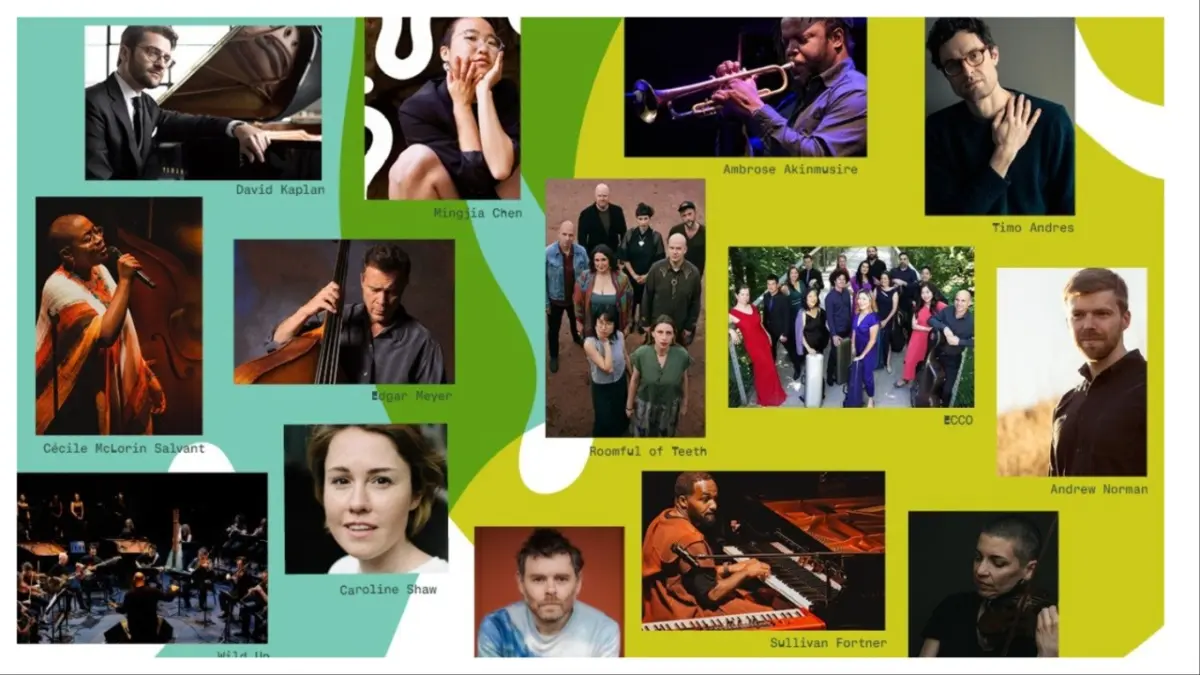
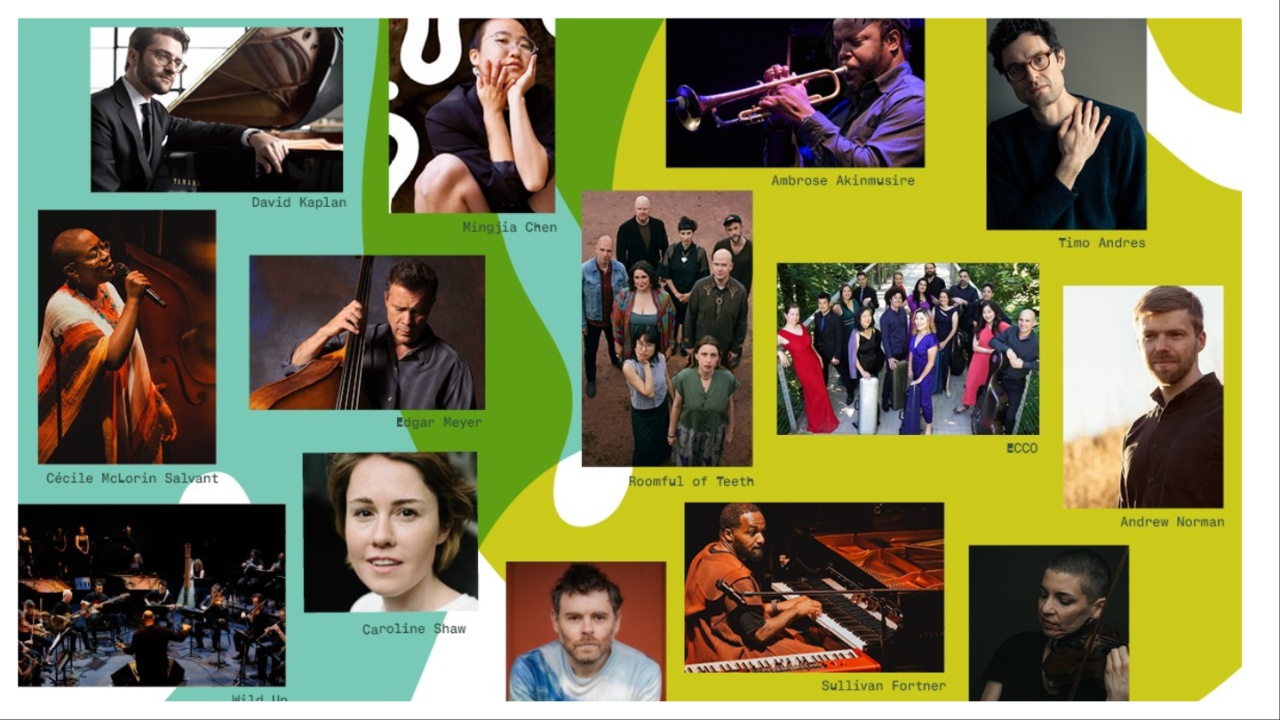
At the heart of this year’s curatorial vision is a dynamic interplay between masterworks of the 21st century and daring new world premieres. Audiences making the annual pilgrimage to the historic Libbey Bowl and the intimate amphitheaters of the Ojai Valley School will be treated to a masterclass in modern musicianship. The 2027 roster boasts an extraordinary assemblage of visionary artists, including the Grammy-winning vocal band Roomful of Teeth, visionary composer-performers Caroline Shaw and Gabriel Kahane, vocalist Cécile McLorin Salvant, pianist Sullivan Fortner, violinist and composer Carla Kihlstedt, and conductor Chris Rountree leading the combined forces of Wild Up and the East Coast Chamber Orchestra (ECCO).
Most notably, the festival will serve as the launchpad for a highly anticipated world premiere: a completely reimagined concert version of Kurt Weill’s classic The Threepenny Opera, spearheaded by Festival Music Director Chris Thile alongside McLorin Salvant and Fortner. By placing vocal art front and center, the 2027 Ojai Music Festival is not merely presenting a series of concerts; it is actively redefining the parameters of what classical voice events can achieve in the modern era.
Detailed Chronology of Voice Events
The 2027 classical voice programming is structured as a chronological journey through intimacy, theatricality, and acoustic architecture. Each day of the festival offers a distinct lens through which the human voice is explored, bending genres and redefining the relationship between composer, performer, and listener.
June 10, 2027: The Opening Convergence
The festival opens on June 10 at the iconic Libbey Bowl, setting an uncompromised artistic tone for the days ahead. The opening night spotlight falls squarely on the boundary-defying vocal ensemble Roomful of Teeth, who will deliver a performance of Caroline Shaw’s Pulitzer Prize-winning masterpiece, Partita for 8 Voices.
Originally released to critical acclaim and widely recognized as a watershed moment in contemporary vocal writing, Partita utilizes the full spectrum of the human voice—employing everything from traditional choral harmony and Gregorian chant to throat singing, wailing, whispering, and speech-singing. Hearing this modern classic performed in the open-air acoustics of the Libbey Bowl under the warm Southern California night sky promises an immersive sensory experience that bridges ancient vocal traditions with hyper-modern sonic exploration.
June 11, 2027: Intimacy and Architectural Resonance
The second day of the festival, June 11, offers a study in contrasts, shifting audiences between intimate interior spaces and sweeping outdoor amphitheaters across two distinct performances.
- Morning/Afternoon Intimacy at the Greenberg Center: The day begins at the Greenberg Center (Ojai Valley School), where Gabriel Kahane and Roomful of Teeth join forces to present Kahane’s acclaimed song cycle, Elevator Songs. Known for his deeply personal, narrative-driven lyricism that blends indie-folk sensibilities with classical composition, Kahane’s work explores the fleeting, often profound human interactions that occur in cramped, transitional spaces. Stripped of the grand theatricality of a main-stage orchestra, this performance highlights the microscopic nuances of text-setting and vocal blending, allowing the pristine acoustics of the Greenberg Center to amplify every breath and harmonic micro-shift.
- The Evening Expansion at Libbey Bowl: Later that evening, the festival returns to the Libbey Bowl for a reunion with Roomful of Teeth, who will tackle another major vocal work by Caroline Shaw: The Isle. Drawing inspiration from literary and natural landscapes, The Isle further expands upon Shaw’s fascination with spatialized sound and textural layering. The juxtaposition of Kahane’s urban-intimate Elevator Songs earlier in the day with Shaw’s expansive, evocative soundscapes in the evening underscores Ojai’s commitment to presenting the full emotional and stylistic range of contemporary vocal art.
June 12, 2027: The World Premiere Landmark
Perhaps the most eagerly anticipated event of the entire 2027 festival takes place on June 12 at the Libbey Bowl. This date marks the global debut of a groundbreaking, newly commissioned concert version of Kurt Weill’s The Threepenny Opera.
This ambitious undertaking brings together an elite cross-genre creative team. Festival Music Director and mandolin virtuoso Chris Thile, jazz vocal luminary Cécile McLorin Salvant, and virtuosic pianist Sullivan Fortner anchor the artistic vision, infusing Weill’s biting, satirical Weimar-era masterpiece with fresh improvisational fire, folk-infused idioms, and jazz-inflected phrasing.
To bring this massive reimagining to life on stage, conductor Chris Rountree takes the podium, leading a powerhouse instrumental collaboration between the avant-garde collective Wild Up and the prestigious East Coast Chamber Orchestra (ECCO). By fusing the theatrical grit of Weill’s original score with the collective genius of Thile, Salvant, Fortner, and Rountree, this world premiere is poised to be one of the most talked-about classical events of the decade.
June 13, 2027: Narrative Depth and Closing Resonance
The vocal programming culminates on June 13 at the Libbey Bowl with a performance of composer, violinist, and vocalist **Carla Kihlstedt’s *26 Little Deaths**.
A multidisciplinary work that delves into the fragile, fleeting nature of existence, 26 Little Deaths showcases Kihlstedt’s rare ability to weave haunting vocal melodies with intricate instrumental accompaniment. Adding another layer of collaborative synergy to the festival, the performance will be conducted by Gabriel Kahane, bringing his sensitive ear for narrative pacing to Kihlstedt’s darkly whimsical and deeply poignant musical world. This closing vocal event serves as a fitting culmination to a festival that refuses to separate high art from deep human emotion.
Supporting Context & Metrics: The Ojai Curatorial Model
To fully understand the weight of the 2027 classical voice lineup, one must examine the unique structural DNA of the Ojai Music Festival. Founded in 1947, Ojai has long distinguished itself from traditional summer music festivals by operating under a rotating Music Director model. Rather than adhering to a rigid, institutionally driven permanent repertoire, each year’s festival is curated by a visionary artist given carte blanche to shape the aesthetic, philosophical, and programmatic direction of the event.
The 2027 season continues this tradition of radical autonomy, channeling it specifically into the mechanics of the human voice. Voice is historically treated in classical music through the binary lens of grand opera houses or traditional lied recitals. Ojai’s 2027 programming systematically dismantles these silos:
- Genre Fluidity: By pairing artists like Cécile McLorin Salvant (a multi-Grammy-winning jazz vocalist) with Chris Thile (a MacArthur Fellow known for his work in bluegrass, folk, and classical crossover) and contemporary chamber ensembles like Wild Up, the festival reflects the listening habits of the modern 21st-century audience. Statistics from cultural consumption studies consistently show that younger demographics do not consume music along strict genre lines; Ojai’s programming mirrors this reality without sacrificing artistic rigor.
- Acoustic Versatility: The utilization of contrasting venues—from the intimate, wood-and-glass enclosure of the Greenberg Center at the Ojai Valley School to the breezy, open-air expanse of the Libbey Bowl—allows vocal works to be experienced across different acoustic parameters. Micro-vocalizations (such as those in Kahane’s Elevator Songs) thrive in enclosed spaces, while massive multi-ensemble forces (like the Wild Up/ECCO collaboration on The Threepenny Opera) find their natural home under the stars.
- Ensemble Residencies: The heavy presence of ensembles like Roomful of Teeth highlights the festival’s dedication to deep artistic immersion. Rather than flying artists in for a single, isolated cue, Ojai provides vocal groups the runway to present multiple works across several days, allowing audiences to witness the full breadth of an ensemble’s technical and expressive vocabulary.
Official Statements and Artistic Vision
While formal full-season press releases continue to roll out, the underlying philosophy of the 2027 Ojai Music Festival is articulated clearly through the selection of its leadership and collaborating artists.
The appointment of Chris Thile as a driving force behind the programming—alongside the heavy participation of genre-fluid creators like Gabriel Kahane, Cécile McLorin Salvant, and Caroline Shaw—points to an institutional ethos centered on collaboration over hierarchy.
In conversations surrounding contemporary curation, Ojai’s leadership has consistently emphasized that the festival is designed to be a laboratory rather than a museum. The world premiere of The Threepenny Opera under Chris Rountree’s baton exemplifies this philosophy. Speaking broadly about the ethos of bringing disparate musical worlds together, festival organizers and participating artists have frequently championed the idea that the human voice is the ultimate bridge between abstract instrumental composition and concrete human storytelling.
By granting artists the space to reinvent historical pillars like Kurt Weill while simultaneously championing contemporary masterworks by Shaw, Kihlstedt, and Kahane, the festival honors its storied 80-year heritage while aggressively charting a course for the future of classical music performance.
Future Outlook: The Legacy of Ojai 2027
As the classical music world looks toward the summer of 2027, the Ojai Music Festival is once again proving why it remains an indispensable fixture on the global cultural calendar. In an era where performing arts institutions often lean toward safe, crowd-pleasing programming to offset economic uncertainties, Ojai’s 2027 lineup doubles down on artistic bravery.
The structural emphasis on vocal arts—spanning the micro-tonal wizardry of Roomful of Teeth, the jazz-infused theatricality of Cécile McLorin Salvant and Sullivan Fortner, the indie-classical lyricism of Gabriel Kahane, and the avant-garde instrumental firepower of Wild Up and ECCO—creates a blueprint for how modern festivals can engage with vocal music.
When the first notes of Caroline Shaw’s Partita echo across the Libbey Bowl on June 10, 2027, they will signal more than just the opening of a summer festival. They will mark the beginning of a week-long interrogation of what the human voice can express, how communities can gather to listen, and why live performance remains an irreplaceable human necessity. For commissioners, performers, and passionate concertgoers alike, Ojai 2027 is already shaping up to be a watershed moment in contemporary classical music history.