
Executive Overview
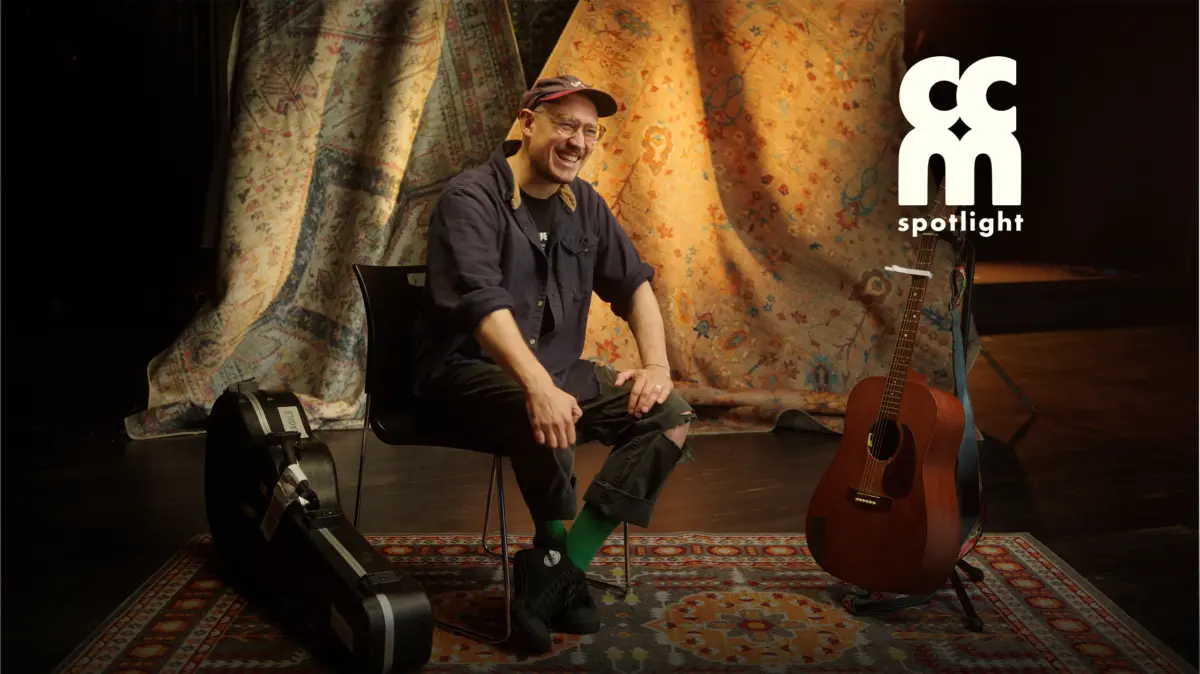
In an era dominated by the algorithmic tyranny of the single—where modern music executives preach the gospel of the six-week release cycle, micro-hooks, and attention-span optimization—indie-rock stalwart John Van Deusen has committed an act of joyful, monumental rebellion.
While the broader Christian music industry and contemporary worship landscape march steadily toward streamlined, radio-friendly anthems designed for Sunday morning compliance, Van Deusen has released a sprawling, uncompromising, 36-track double album. Titled As Long As I Am In The Tent Of This Body I Will Make A Joyful Noise, the project is less of a traditional record and more of a sonic monument. Released via Anotherland Records—with Part 2 dropping on August 28—this massive body of work proudly rejects the Nashville machinery, opting instead for the eclectic, melancholic, and deeply personal textures of 90s indie-rock, the Garden State soundtrack aesthetic, and the artistic ethos of Tooth & Nail Records.
Van Deusen, formerly the frontman of the critically acclaimed, major-label-courting indie outfit The Lonely Forest, now lives and records as a local worship pastor on Washington’s remote Fidalgo Island. From this quiet, introspective corner of the Pacific Northwest, he has crafted what he jokingly—yet accurately—describes to peers as the Christian equivalent of The Smashing Pumpkins’ Mellon Collie and the Infinite Sadness.
Rather than chasing streaming numbers or catering to passive playlist curators, Van Deusen has engineered a project that demands endurance, patience, and active listening. It is a bold statement on the nature of devotion, creativity, and spiritual stamina. This feature delves into the anatomy of Van Deusen’s unprecedented release, the historical trajectory of his career, the philosophy behind his anti-algorithm crusade, and what the arrival of Part 2 means for the future of alternative Christian music.
Detailed Chronology: From Indie-Rock Near-Stardom to Fidalgo Island Solitude
To understand the scope and weight of As Long As I Am In The Tent Of This Body I Will Make A Joyful Noise, one must trace the winding artistic and geographical path of its creator.
The Early Years: Chasing the Indie-Rock Dream with The Lonely Forest
Long before he was penning unconventional devotional records from a makeshift home studio, John Van Deusen was cutting his teeth as the dynamic frontman of The Lonely Forest. During the peak years of the mid-2000s indie boom, the band was on a steady trajectory toward major-label success. They toured relentlessly, packed sweaty underground clubs, and captured the attention of tastemakers who saw them as standard-bearers for a new wave of emotive alternative rock.
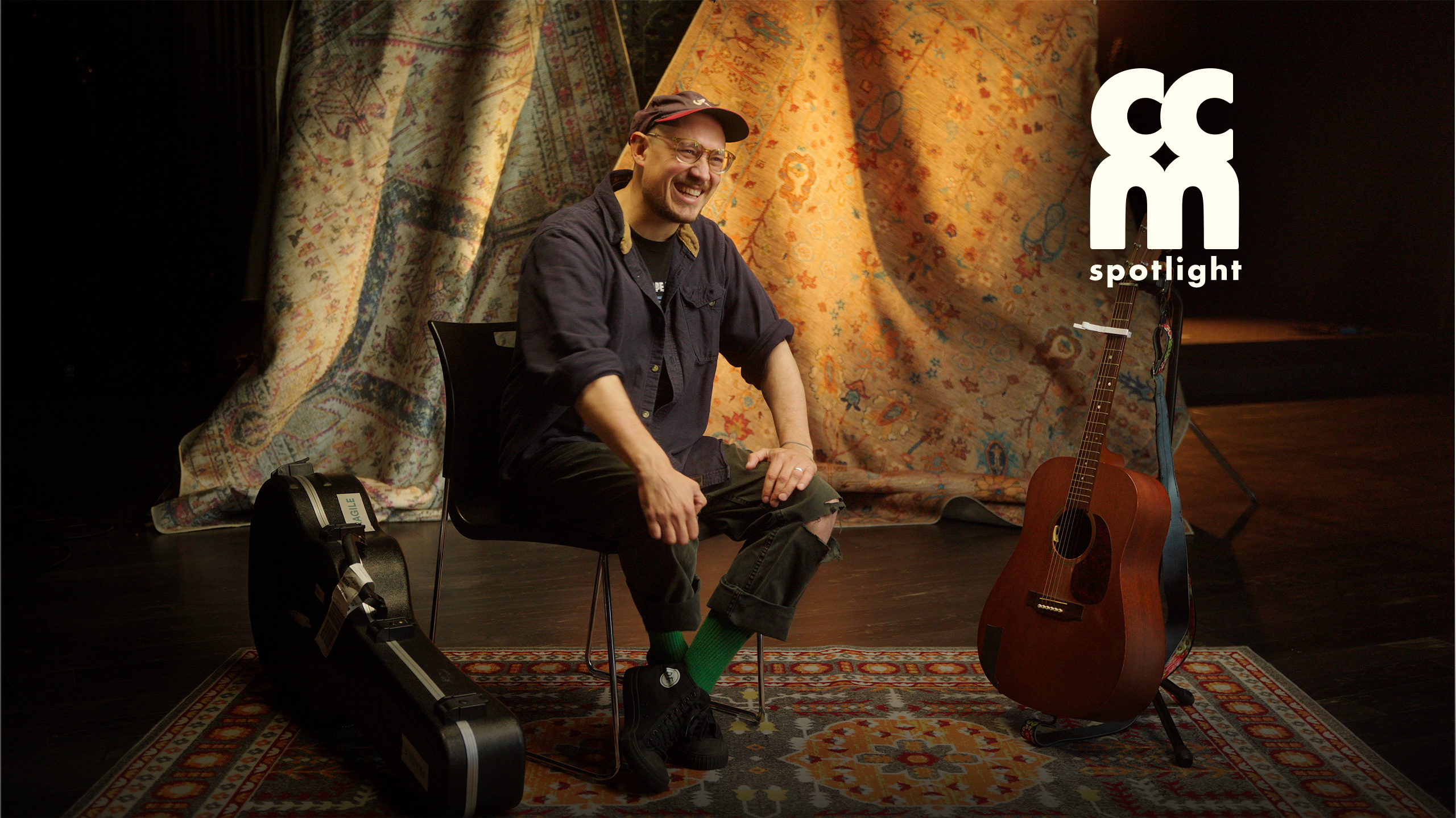
Yet, as the machinery of the music industry accelerated, Van Deusen found himself face-to-face with the empty calorie count of chasing secular validation and mainstream acceptance. The relentless cycle of touring, pressure, and branding began to erode the pure joy of creation. In the crucible of that artistic chase, Van Deusen experienced a profound pivot—not away from music, but deeper into its spiritual roots.
Relocation and Exile: The Fidalgo Island Years
Van Deusen eventually settled on Fidalgo Island in Washington State, where he has now lived for 38 years. For an ambitious artist, isolation can feel like a sentence, and Van Deusen has frequently admitted to pleading with God for a way out.
"I’ve lived there for 38 years and I’ve pleaded with the good Lord, ‘Let me leave,’ so many times, and He has not. And that’s that," Van Deusen reflects.
While the island’s misty, pine-heavy landscapes might evoke mental imagery of Stephen King’s The Shining—or, conversely, the heartwarming family drama Free Willy, which was also filmed in the area—it became the crucible for Van Deusen’s artistic renaissance. Tucked away inside a cozy closet serving as a makeshift vocal booth, surrounded by recording gear, Van Deusen found a different kind of freedom. Away from the bright lights of Los Angeles or Nashville, he discovered a divine permission slip to simply be himself.
"I feel a lot of permission from Him to be myself in the studio," Van Deusen notes, "and it’s an act of worship."
The Birth of a 36-Track Vision
Over the ensuing years, Van Deusen began quietly accumulating songs at an astonishing rate. Rather than trimming the fat to meet industry-standard 10-track album limits, he realized these diverse movements, acoustic sketches, and towering indie-rock anthems belonged together.
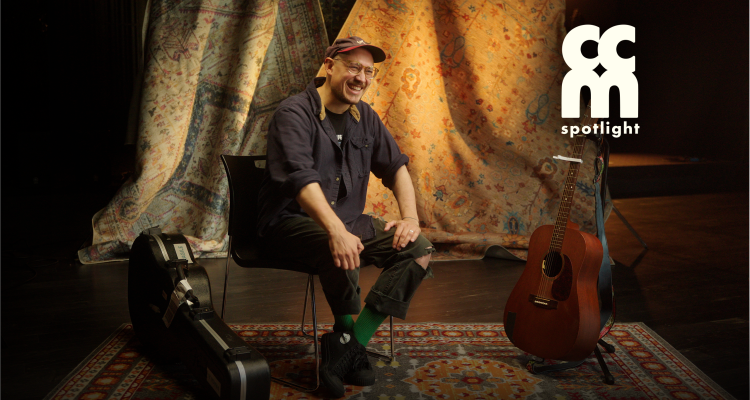
When he finally brought the concept of a 36-track double album to Anotherland Records, expecting hesitation, he was met with immediate, unconditional support. "I remember telling Anotherland Records that I wanted to make the Christian Mellon Collie and the Infinite Sadness," Van Deusen recalls. "And they said, ‘Sure, let’s do it.’"
Supporting Context & Metrics: The Death of the Algorithm and the Rise of Physical Collectors
The modern music economy is governed by invisible gatekeepers: algorithms that reward brevity, high skip-rates on introductory verses, and the continuous drip-feed of singles designed to keep user engagement locked into curated streaming ecosystems. In this landscape, a 36-track, two-part concept album is nothing short of economic heresy.
The Anti-Playlist Strategy
Van Deusen’s music deliberately refuses to fit into the homogenized aesthetic of Sunday morning congregational worship. It doesn’t sound like Nashville, it doesn’t utilize standard chord progressions designed for easy transposition by volunteer church bands, and it resists smooth integration into passive background playlists.
"I genuinely felt… that I needed to collect all of these songs… and filter them through my aesthetic, which is not worship," Van Deusen explains.
Instead of chasing the broad evangelical radio crowd, Van Deusen has cultivated a fiercely loyal, organic audience. These are not casual listeners algorithmically funneled toward his tracks via auto-play features; they are dedicated fans who invest in quadruple-vinyl editions and treat album listening as a tactile, ritualistic experience. They buy records, listen to them front-to-back, and champion independent artists through word-of-mouth networks.
The Psychology of Exhaustion
Perhaps the most fascinating metric of the project is Van Deusen’s explicit desire to challenge his listeners’ endurance. In an age of instant gratification, he purposefully designed the record to test the audience’s patience.

"I really wanted the average listener to listen to a handful of songs and go, ‘I can’t do this’… and maybe a year later decide they wanted to try again."
This strategy shifts the relationship between artist and listener from a transactional entertainment model to a long-term artistic journey. Van Deusen is not offering fast-food pop; he is serving a multi-course feast that requires time to digest.
Official Statements & Artistic Breakdown: Inside "Only Living If I’m Abiding"
The release of Part 2 on August 28 brings this monumental project into sharper focus, anchored by its lead single, "Only Living If I’m Abiding."
An Exclusive Premiere and Bridge to the Masses
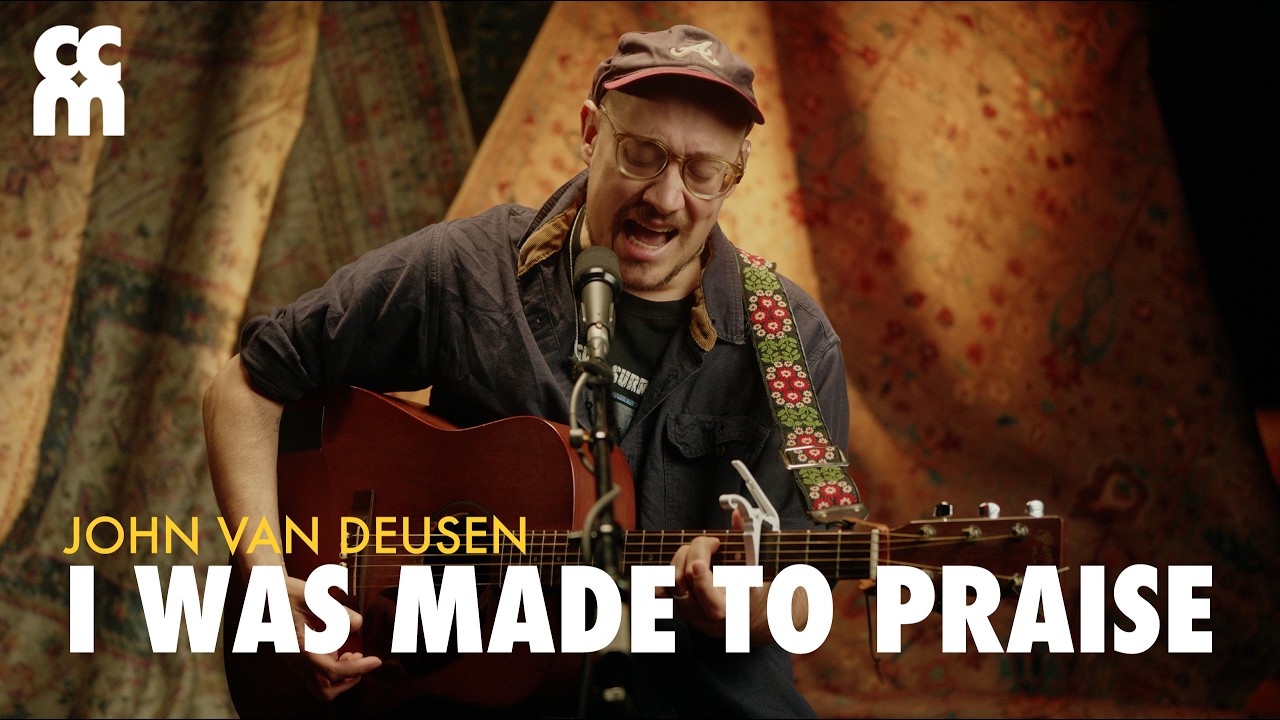
Premiering exclusively via the CCM Magazine YouTube channel alongside a live performance session, "Only Living If I’m Abiding" serves as an ideal gateway drug into Van Deusen’s sprawling universe. While it honors the grand proportions of the overarching 36-song concept, it stands on its own as an infectious, accessible indie-rock anthem.
During recent interviews, Van Deusen likened the studio production of the track to the breezy, melancholic alternative rock of Nada Surf. Lyrically, the song balances accessibility with depth, utilizing verses that are "moderately cryptic" before opening up into a soaring, unambiguous chorus focused on the spiritual discipline of abiding in Christ.
The resulting track bridges two worlds: it feels entirely natural spinning alongside your favorite 90s and 2000s indie records on a turntable, yet it retains a deeply personal devotional heart. For newcomers encountering Van Deusen for the first time through this release, the single acts as a portal, frequently turning a casual single-listen into an afternoon-long deep dive into his extensive catalog.
Future Outlook: The Legacy of Unconventional Devotion
As the final chapters of As Long As I Am In The Tent Of This Body I Will Make A Joyful Noise settle into the public sphere, the ripples of John Van Deusen’s project will likely be felt across the independent Christian music landscape.
In a cultural moment where artists are increasingly burnt out by the hamster wheel of rapid single releases and social media content creation, Van Deusen offers a compelling alternative blueprint. His success proves that authenticity, creative freedom, and artistic ambition still hold immense currency with audiences starved for depth.
By refusing to truncate his vision for the sake of algorithms or commercial convenience, Van Deusen has not only crafted his definitive artistic statement—he has created a sacred space where the weary listener can step off the treadmill, slow down, and experience a joyful, unhurried noise. Whether listeners are hooked on first listen or return to the sprawling 36 tracks months later, John Van Deusen has permanently expanded the boundaries of what modern worship music can sound like.