
Executive Overview
Half a century ago, the subterranean basement of Oxford Street’s 100 Club reverberated with a visceral, chaotic energy that would irrevocably alter the landscape of modern music, fashion, and social politics. On September 20–21, 1976, the historic London venue hosted the now-mythical 100 Club Punk Special—a two-day festival of largely unsigned, raw, and fiercely independent acts that galvanized a generation. It was an incubator for raw talent, a crucible where the foundational architects of British punk first collided with a public hungry for revolution.
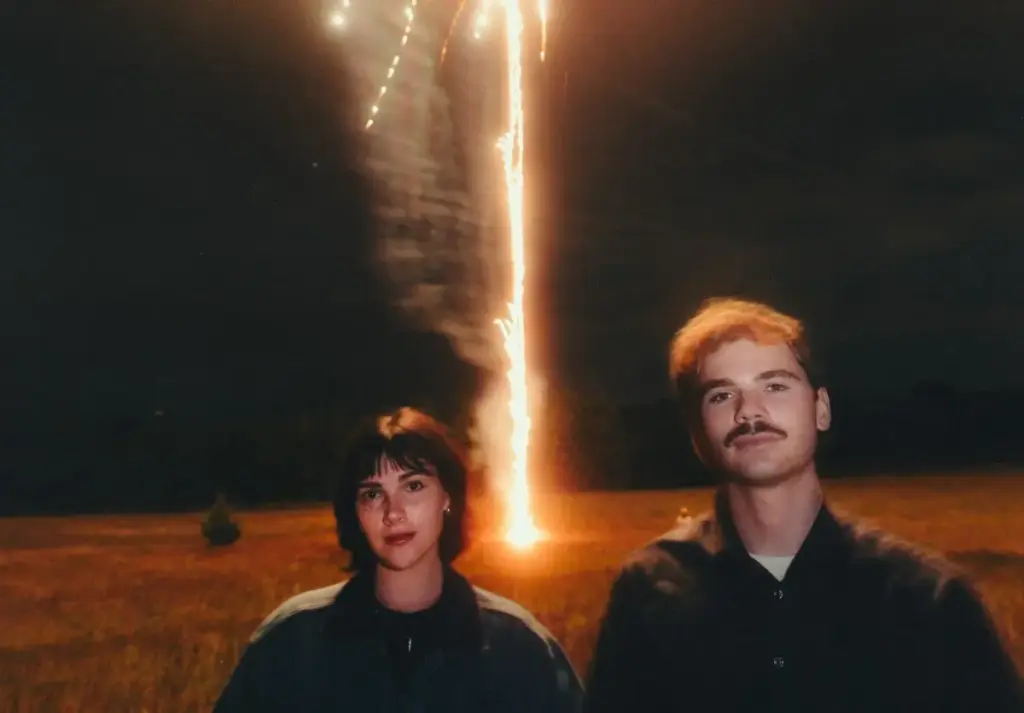
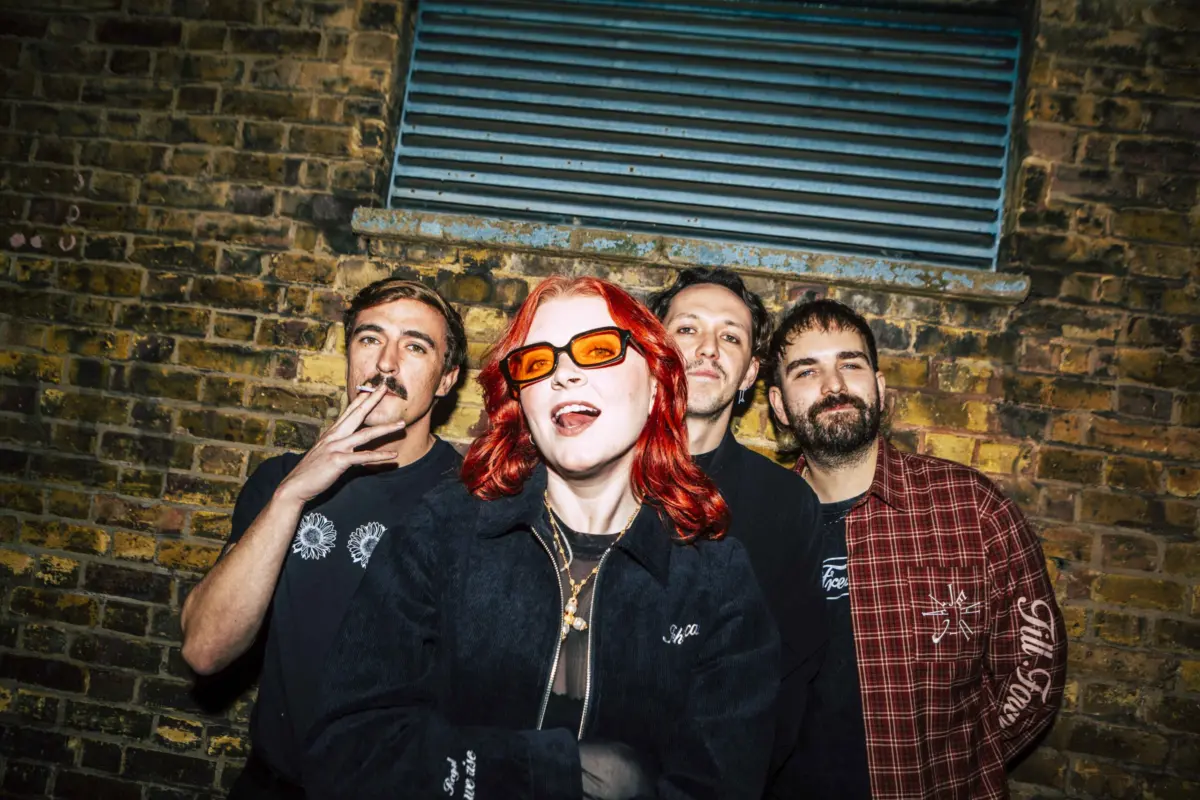
Now, as the calendar turns toward this monumental golden jubilee, the venue is preparing to honor that seismic cultural shift. In a breathtaking nod to authenticity, the 100 Club has announced a two-day commemorative weekender for September 20–21, 2026. Anchored by contemporary trailblazers Sprints and Maruja, the event bridges the chasm between the genre’s explosive birth and its vibrant, evolving modern iterations.
In a move that has sent shockwaves of excitement through the underground music community, tickets for both milestone shows will be sold at £1.50—the exact, inflation-defying price charged at the doors back in September 1976. This gesture is more than a clever marketing ploy; it is a profound philosophical statement about accessibility, grassroots culture, and the enduring anti-establishment ethos that birthed the movement.
As tickets go on sale at 2:00 PM BST on Friday, September 4, music historians, lifelong punks, and a new generation of disaffected youths are bracing for what promises to be one of the most culturally significant live music events of the decade.
Detailed Chronology: The Genesis of the 100 Club Punk Special (1976)
To understand the weight of the upcoming 2026 anniversary, one must journey back to the sweltering late summer of 1976. Britain was a nation gripped by deep economic stagnation, industrial strikes, and social unrest. Amidst this bleak backdrop, a subterranean youth movement was coalescing, fueled by boredom, frustration, and a visceral rejection of bloated 1970s stadium rock.
The 100 Club Punk Special, organized by Malcolm McLaren and Ron Watts, was designed to showcase an emerging scene that mainstream promoters and venues wouldn’t touch with a ten-foot pole. Over the course of two nights, the venue became a pressure cooker of acoustic violence and stylistic reinvention.
Night One: September 20, 1976
The opening night set a ferocious precedent. The lineup featured a roster of acts that would soon become household names, though on that September evening, they were largely unpolished, dangerous unknowns.
- The Sex Pistols, already gaining notoriety for their volatile performances and incendiary media presence, delivered a set of chaotic, high-octane nihilism.
- The Clash, blending raw rock-and-roll urgency with nascent sociopolitical consciousness, commanded the stage with a desperate intensity.
- Subway Sect and Chris Spedding & The Vibrators added layers of jagged guitar work and rhythmic pounding, pushing the boundaries of what live performance could achieve.
- Adding an international dimension, Parisian outfit Stinky Toys brought a Continental, avant-garde edge to the proceedings, proving that the punk virus was already leaping across borders.
Night Two: September 21, 1976
If the first night broke the ground, the second night planted the flag.
- Siouxsie and the Banshees delivered a hypnotic, shadowy, and confrontational performance that laid the groundwork for the ensuing post-punk and gothic rock movements.
- The Damned, fresh off releasing the UK’s very first punk single ("New Rose"), unleashed a whirlwind of speed and theatrical panic.
- Buzzcocks, hailing from Manchester, injected a sharp, melodic, yet furiously abrasive pop sensibility into the evening, demonstrating that punk could be both catchy and catastrophic.
The Audience and the Cultural Aftermath
The audience inside the 100 Club was as influential as the musicians performing on its stage. Among the crowd were key architects of the burgeoning subculture, including a young Paul Weller (who would soon form The Jam) and fashion visionary Vivienne Westwood, whose designs alongside Malcolm McLaren at SEX on King’s Road were actively defining the visual uniform of the movement.
This wasn’t merely a music festival; it was a cultural nexus. The performances over those two nights crystallized a shifting zeitgeist, providing a platform for voices that had been systematically ignored or marginalized by polite British society.
Supporting Context & Metrics: Bridging 1976 to 2026
The decision to host the 2026 anniversary weekender is not born of mere nostalgia; it is a critical examination of punk’s enduring legacy and its capacity for reinvention. The 100 Club has curated a lineup that reflects the spirit of the original festival—spotlighting vital, boundary-pushing acts rather than cashing in on legacy acts playing heritage tours.
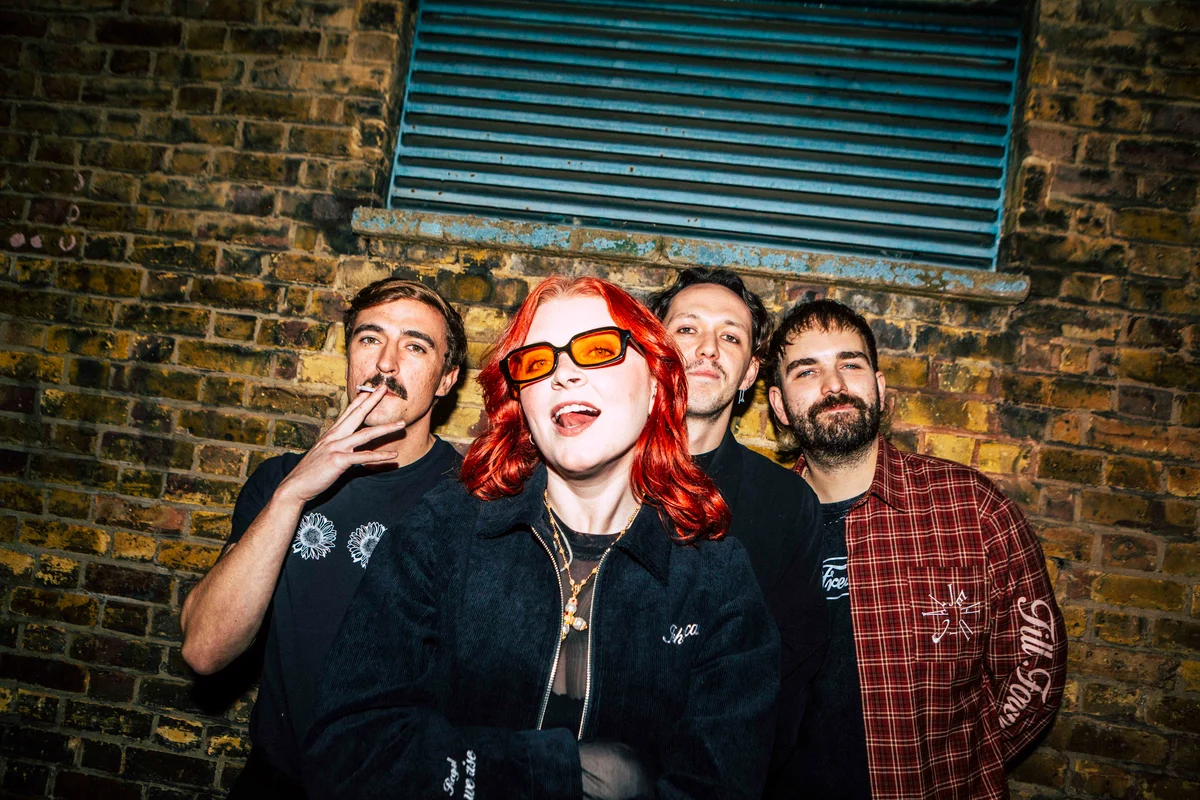
The 2026 Headliners: Sprints and Maruja
- Sprints (September 20): Hailing from Dublin, this fierce Irish punk outfit has spent the last few years carving out a reputation as one of the most blistering live acts in Europe. Merging raw garage-punk aggression with deeply personal, socially conscious lyricism, Sprints channel the unfiltered catharsis of 1976 while tackling the complexities of the modern mental health crisis, identity, and socio-political disillusionment.
- Maruja (September 21): Representing the experimental edge of contemporary punk, Manchester’s Maruja defy easy categorization. Infusing traditional punk instrumentation with searing saxophone melodies, hypnotic spoken-word elements, and crushing post-rock crescendos, they embody the restless, genre-defying experimentation that characterized the second wave of the 1976 scene.
Both headliners will be supported by specially selected secret guests, keeping true to the element of surprise and grassroots discovery that defined the original weekender.
The Economics of Rebellion: The £1.50 Ticket Phenomenon
Perhaps the most striking detail of the 2026 anniversary is the ticket price. In an era dominated by dynamic pricing, exorbitant booking fees, and hundreds of pounds spent on arena nosebleed seats, the 100 Club is rolling back the clock.
Charging £1.50 for admission is a direct ideological challenge to the corporate commodification of live music. It ensures that the shows remain accessible to students, working-class youth, and dedicated fans—reasserting the foundational punk tenet that music belongs to the people, not the corporate balance sheet.
Official Statements: The Soul of the Venue
Jeff Horton, the custodian and owner of the legendary 100 Club, offered a passionate reflection on the milestone, contextualizing why the venue continues to champion underground music half a century later.
"In my personal opinion, Punk is THE most important genre and subculture that the UK, or anyone else has ever produced or invented," Horton states, his voice carrying the weight of decades spent preserving independent music history. "And its longevity is testament to that. The list of good it’s done is endless. When you consider the background of despair, racism, poverty and sexism it grew from, its carried the flag for and supported people that need it continuously."
Horton elaborates on the deliberate curation of the upcoming anniversary bills, emphasizing that the focus remains on the future of the genre rather than a museum-piece retrospective:
"And that is why we have chosen the line up we have, on 20th and 21st September 2026 to celebrate 50 years of this incredible subculture and genre," he continues. "Call it what you like, its distinct values, style, incredible music, fashion and ethos set it apart from mainstream culture. And these bands perfectly reflect what Punk means in 2026."
His words serve as a rallying cry. They remind the modern music industry that punk was never a static artifact preserved behind glass; it is a living, breathing mechanism for dissent, community, and artistic survival.
Future Outlook: The Next Fifty Years of Counterculture
As tickets for the 100 Club Punk Special anniversary weekender prepare to go on sale this Friday, September 4 at 2:00 PM BST, the global music community is watching closely. In an age where physical venues are continually threatened by gentrification, rising operational costs, and post-pandemic economic pressures, the endurance of the 100 Club is nothing short of miraculous.
This golden jubilee is more than a celebration of past glories. It is a stress-test for contemporary counterculture. By placing Sprints and Maruja on the same historic stage that once hosted the Sex Pistols and The Clash, the 100 Club is asserting that the fires of independence and creative defiance are burning as brightly today as they did in the autumn of 1976.
For those fortunate enough to secure a £1.50 ticket, September 20–21, 2026, will offer more than just two nights of exceptional live music. It will be a visceral reminder that when society feels fractured, oppressive, and uncertain, the underground rises to meet it—armed with guitars, amplifiers, and an unyielding refusal to conform.