
Executive Overview
In the fast-paced, high-stakes ecosystem of modern independent rock music, few bands have maintained the unrelenting velocity of South London’s post-punk standard-bearers, Shame. Emerging from the fertile, gritty soil of the capital’s Windmill-associated scene a decade ago, the five-piece outfit has carved out a visceral, uncompromising space for themselves across the global alternative landscape. However, after years of continuous writing, recording, and an exhausting live schedule supporting their critically acclaimed output, the band has officially announced that they are pressing pause.
In a joint statement released via their official Instagram channel, Shame revealed to their dedicated global fanbase that they have decided to take a much-needed hiatus. Addressing the community with characteristic candor, the band admitted that while they initially considered stepping away quietly without a formal announcement, they ultimately felt a deep sense of accountability to their supporters. Transparency, they reasoned, is paramount.
Crucially, this development comes with a wave of reassurance for the faithful: this is explicitly not a euphemism for a permanent disbandment or a stealth-dissolution disguised as an indefinite hiatus. Far from calling it quits, Shame has explicitly promised their audience that their time away is purely regenerative. The band intends to recharge, recalibrate, and return to the studio and stage with renewed ferocity. As they put it to their followers, they plan to return "badder and better than ever to deliver you all the fifth shame record of your dreams."
This announcement marks a watershed moment for the group, closing out a rigorous chapter defined by their 2023 studio album Cutthroat and an intensive global touring campaign that saw them perform well over 100 live shows. As the band steps back into the shadows to rest, the music industry is left to reflect on the immense physical and psychological tolls exacted by the modern DIY-to-major-indie pipeline, even upon its most resilient practitioners.
Detailed Chronology: From South London Roots to International Acclaim
To fully understand the weight of Shame’s current hiatus, one must trace the arc of their improbable, sweat-soaked ascent. Formed in 2014 in the crucible of Brixton’s legendary Windmill pub—a venue that has served as ground zero for a radical renaissance in British guitar music—Shame coalesced around a shared ethos of aggressive instrumentation, jagged social commentary, and theatrical, chaotic live performances.
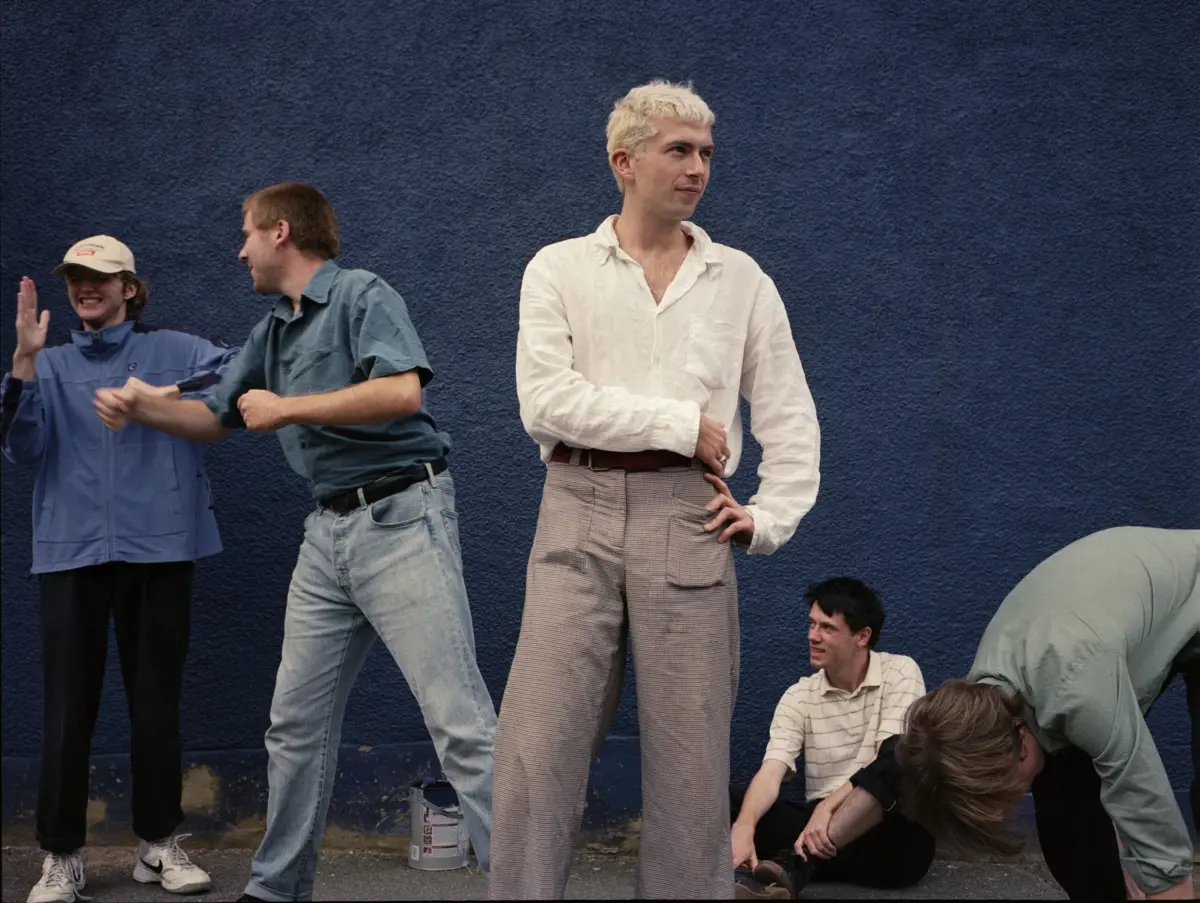
Comprising vocalist Charlie Steen, guitarists Sean Coyle-Smith and Eddie Green, bassist Josh Finerty, and drummer Charlie Forbes, the band quickly distinguished themselves from their contemporaries. While many bands in the post-punk revival leaned heavily into detached, intellectual irony, Shame offered something raw, confessional, and aggressively physical. Their early live shows were legendary for their unpredictability; Steen would frequently strip to the waist, scale the venue’s rafters, and hurl himself directly into the mosh pit, transforming every gig into a communal exorcism.
The Dead Oceans Partnership and Early Records
By the late 2010s, the band’s local buzz had translated into international label interest. They signed with the esteemed independent record label Dead Oceans, a home they have shared throughout their recorded career.
In 2018, Shame released their debut studio album, Songs of Praise. The record was met with widespread critical acclaim, lauded for its vitriolic energy and surprisingly sharp lyricism regarding British youth culture, modern alienation, and political apathy. It established them not merely as a hyped-up London buzz band, but as a serious artistic force capable of translating their volatile live energy into a cohesive, enduring recorded medium.
Rather than resting on their laurels, the band returned in 2021 with their sophomore effort, Drunk Tank Pink. Recorded under the shadow of the COVID-19 pandemic and the psychological constraints of lockdown, the album represented a significant sonic expansion. Incorporating angular art-rock textures, jagged rhythms, and more introspective, vulnerable lyricism, Drunk Tank Pink proved that Shame were not interested in repeating themselves. The record climbed charts globally and cemented their reputation as innovators within the genre.
The Cutthroat Era and Relentless Touring
The stakes were raised yet again in September of last year with the release of their third album, Cutthroat. The record showcased a leaner, meaner iteration of the band—honing their songcraft while retaining the abrasive edge that had defined their early output. Cutthroat proved to be a commercial and critical success, breaking into the UK Official Charts and landing at an impressive number 8 on the UK Independent Albums Chart.
However, the modern music industry demands a heavy pound of flesh from independent artists who achieve chart success. The release of Cutthroat triggered an exhaustive, high-intensity touring cycle. Over the past twelve months alone, the band has traversed continents, playing well over 100 high-octane shows across international festival stages, sweaty clubs, and sprawling theatre venues. The physical and emotional stamina required to sustain such a relentless pace—especially for a band whose live performances demand total bodily exhaustion—ultimately reached a tipping point, leading directly to today’s announcement.
Supporting Context & Metrics: The Human Cost of the Touring Machine
While the public-facing narrative of an indie rock band often focuses on glamour, critical accolades, and chart placements, the behind-the-scenes reality of sustaining an independent touring act in the 2020s is punishingly difficult. Analyzing the metrics surrounding Shame’s recent run provides vital context for their decision to step away.
The Numbers Behind the Burnout
- 10+ Years Active: Formed in 2014, the band has spent a decade of their formative young adult lives continuously writing, recording, and touring.
- 4 Full-Length Studio Albums: Maintaining a release schedule of a major album every two to three years, alongside extensive promotional cycles, requires immense creative output.
- 100+ Shows in a Single Cycle: Executing over a hundred live performances in the wake of Cutthroat means the band has spent the vast majority of the last year living out of suitcases, navigating post-Brexit European touring restrictions, inflationary travel costs, and the grueling logistics of global transit.
- Chart Success: Peaking at number 8 on the UK Independent Albums Chart with Cutthroat demonstrated that their commercial viability is at an all-time high, creating a natural pressure to capitalize on momentum rather than step back.
The Broader Independent Music Crisis
Shame’s hiatus is symptomatic of a much larger, systemic issue plaguing the contemporary music landscape. In an era where streaming revenues offer fractional financial returns, independent and alternative bands are forced to rely almost entirely on touring and merchandise sales to survive. This economic reality has created a vicious cycle: artists must tour longer, harder, and more frequently just to break even, often at the direct expense of their mental health, physical well-being, and creative inspiration.
By choosing to voluntarily pump the brakes before burning out entirely, Shame is setting a healthy, sustainable precedent. In an industry that historically glorifies self-destruction and endless labor under the guise of "paying your dues," Shame’s transparent pivot toward self-care and artistic preservation is both commendable and necessary.
Official Statements: Transparency and Connection
The manner in which Shame communicated their hiatus highlights the unique relationship they have cultivated with their audience over the past decade. Eschewing the sterile, corporate-sounding PR statements typical of major-label acts, the band opted for raw, unvarnished communication via their social media channels.
The Instagram announcement, accompanied by a dedicated post link for fans to engage with directly, read in part:
"We’ve decided it’s time to take a little break," they wrote, acknowledging the gravity of the decision before addressing their initial hesitation to make any formal declaration at all. "However we think we owe it to you as fans to be transparent and let you know what’s going on in our world."
This commitment to honesty is emblematic of the DIY ethics that birthed the South London scene. Shame has never hidden behind a veneer of untouchable rock-star mystique; instead, they have built their career on accessibility, mutual respect, and shared catharsis with their audiences.
Crucially, the band anticipated the anxieties such an announcement would inevitably trigger among their followers. Breakup announcements in the music world are frequently obfuscated by corporate jargon like "indefinite hiatus"—a phrase that often spells the quiet, permanent end of a group. Shame preemptively shattered any such speculation by explicitly confirming their future intentions:
"It would appear that this is not one of those breakups delivered under the guise of the dreaded indefinite hiatus. The post mentions the possibility of more music in the future. We will be back badder and better than ever to deliver you all the fifth shame record of your dreams."
By framing the hiatus not as an end, but as a necessary incubation period for Album Number Five, the band has transformed what could have been a moment of mourning for their fanbase into an anticipated, hopeful interlude.
Future Outlook: What Lies Ahead for Shame and the Scene?
As the dust settles on this major announcement, music critics, industry analysts, and fans alike are left to ponder what the future holds—both for Shame and for the wider post-punk movement they helped spearhead.
Creative Regeneration and Album Number Five
For a band as sonically restless as Shame, stylistic evolution has always been their lifeblood. Moving from the raw, garage-punk fury of Songs of Praise to the sophisticated, art-rock arrangements of Drunk Tank Pink and the lean aggression of Cutthroat, the group has consistently refused to plateau creatively.
However, creative evolution requires lived experience outside of the recording studio and the tour bus. By stepping away from the relentless cycle of content creation and live performance, the members of Shame—Charlie Steen, Sean Coyle-Smith, Eddie Green, Josh Finerty, and Charlie Forbes—will finally have the mental space to absorb the world around them, live normal lives, and draw inspiration from new sources. When they eventually reconvene in the studio to begin work on the fifth record of their career, they will do so with refreshed perspectives and unhurried creative energy.
The Impact on the Windmill Legacy
Shame’s temporary departure also marks a notable chapter for the broader South London music ecosystem. Alongside contemporaries like Black Midi, Squid, Fontaines D.C. (by association), and Idles, Shame proved that British guitar music was not a relic of the past, but a living, breathing, and fiercely vital art form. With some peers also experiencing shifting line-ups or exploratory hiatuses, the landscape of modern alternative rock is undeniably shifting.
Nevertheless, the foundation Shame has laid over the past ten years is rock-solid. Four celebrated studio albums, a legion of fiercely loyal fans, and a reputation as one of the most electrifying live acts of their generation ensure that their legacy during this hiatus remains secure.
Final Thoughts
Ultimately, Shame’s decision to take a break is a victory for artistic longevity over commercial exploitation. In a cultural climate that demands constant productivity, choosing to pause is a radical act of self-preservation. Fans can rest easy knowing that the boys from South London are simply taking a well-earned breath.
When the time is right, the amplifiers will power back up, the feedback will howl, and Shame will return—badder, better, and ready to write the next vital chapter in modern independent music.