
Executive Overview
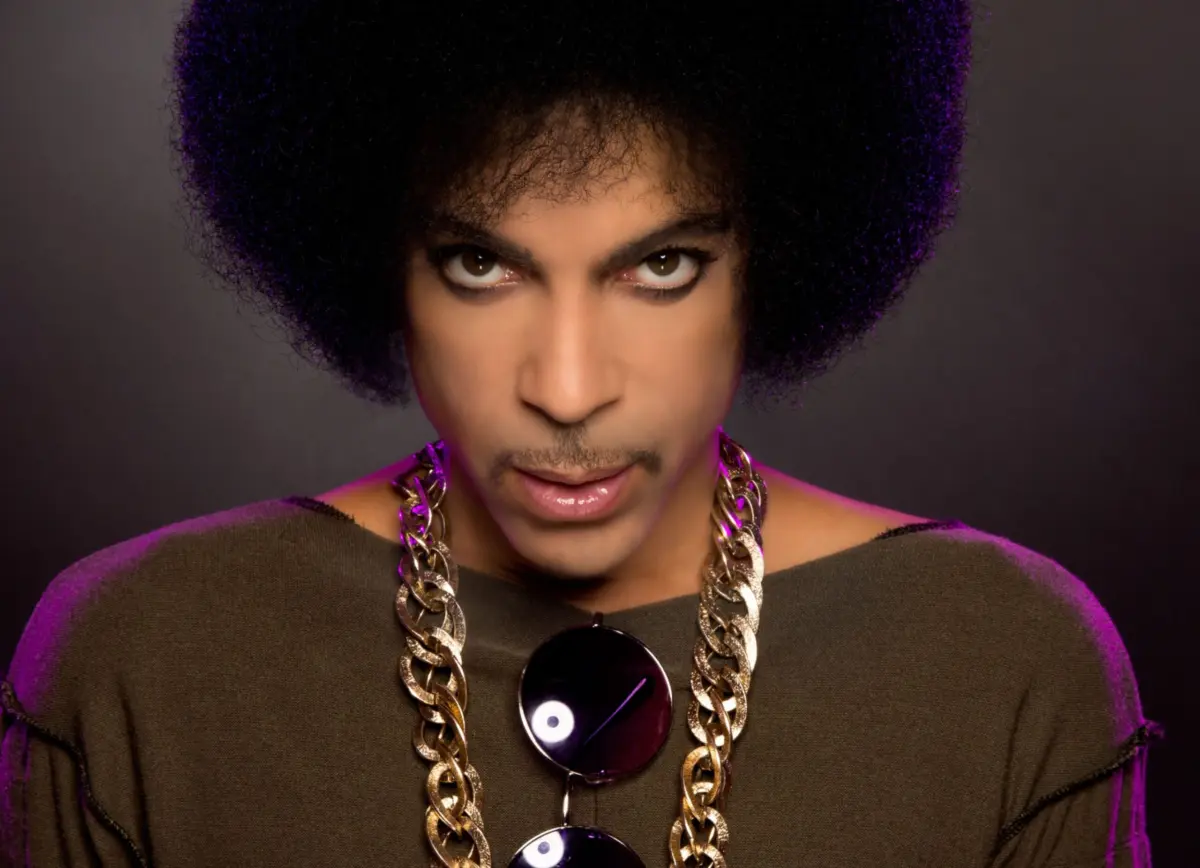
Ten years after the sudden and tragic passing of the global icon known simply as Prince, the legendary artist’s estate continues to carefully unpack one of the most culturally significant and heavily guarded audio vaults in modern music history. In an announcement that has sent ripples of excitement through the global community of devoted fans and musicologists alike, Prince Legacy LLC has officially detailed the upcoming release of Timeless, a meticulously curated ten-track posthumous album designed to capture the breathtaking breadth, staggering versatility, and unyielding artistic autonomy of the Minneapolis maestro.
Initially teased during the annual Prince Celebration 2026 at the sprawling Paisley Park estate in Minnesota, Timeless is far more than a routine posthumous cash-in or a scattered compilation of digital scraps. Instead, it operates as a curated retrospective, bridging the vast expanse of Prince’s legendary career. The collection spans from some of the earliest, rarest recordings of his formative years all the way through to a stirring, emotionally resonant live performance captured during his final concert tours.
At the vanguard of this new release is "The Guilty Ones," a previously unreleased studio track originally committed to tape in 2007. Accompanied by a brand-new music video, the single serves as a vibrant reminder of Prince’s perpetual creative engine. Recorded by longtime engineer Ian Boxill within the hallowed, mythic walls of Paisley Park—the estate where Prince lived, worked, and eventually passed away, and which has since been transformed into a pilgrimage-worthy museum—the track encapsulates the sleek, funk-infused rock edge that defined his mid-career output.
The executive production team behind Timeless features a formidable trio: entertainment attorney and music executive L. Londell McMillan, co-owner of Prince Legacy LLC Charles F. Spicer Jr., and veteran audio engineer Chris James, who also handled the mixing and mastering for the entire project. James brings an intimate, insider’s understanding of Prince’s sonic architecture to the table, having previously lent his engineering talents to major studio projects such as Art Official Age (2014) and HITnRUN Phase Two (2015), alongside recording the Timeless track "Bestest Friend" at Paisley Park in 2012.
Set against the backdrop of the tenth anniversary of the artist’s death, Timeless arrives at a pivotal moment of cultural reflection and institutional stewardship. As the estate balances the preservation of an intimidatingly vast archive with the demands of a modern consumer base, Timeless offers a definitive statement: Prince Rogers Nelson was an artist who operated entirely on his own terms from the first note to the very last.
Detailed Chronology: Spanning the Decades of a Musical Genius
To truly understand the weight and ambition of Timeless, one must examine the sweeping timeline of the material it encompasses. The sequencing of the album was not designed merely to string together hits or fan-favorite bootlegs; rather, it functions as an auditory documentary, charting the evolution of a self-taught multi-instrumentalist who forever altered the trajectory of pop, rock, R&B, and funk.
The Formative Years and Early Explorations
While the tracklist balances eras, the inclusion of early career recordings provides a fascinating glimpse into the incubation period of the Minneapolis Sound. Prince began building his mythos in the late 1970s, famously playing every instrument on his debut albums and establishing a standard of total creative control that few artists in music history have ever managed to replicate. Tracks chosen for Timeless from these foundational windows highlight an insatiable young talent blending Minneapolis funk rhythms with soaring pop hooks and blistering, Hendrix-inspired guitar solos.
As the tracklist unfolds, listeners are taken on a chronological and stylistic rollercoaster. Cuts like "I Am You," "Tick Tick Bang," and the soaring balladry of "Heaven" and "I Wonder" showcase the dizzying speed at which Prince’s songwriting matured. During the 1980s and 1990s, Prince was famously prolific, reportedly recording hundreds—if not thousands—of unreleased songs that sat gathering dust in the vault beneath Paisley Park. These sessions were legendary for their marathon hours, often stretching from dusk until dawn, fueled by pure caffeine and an inexhaustible devotion to the muse.
The Middle Period and Vault Treasures: "The Guilty Ones"
Moving deeper into the tracklist, Timeless arrives at its crown jewel discovery: "The Guilty Ones." Recorded in 2007, this track captures Prince during a fascinating phase of his career—long after his landmark battles with Warner Bros. and his adoption of artistic independence, yet during a period when he was constantly experimenting with new sonic textures and distribution models.
Recorded by Ian Boxill inside the pristine acoustic environment of Paisley Park, "The Guilty Ones" displays the razor-sharp precision of Prince’s mid-2000s output. By 2007, Prince had cemented his legacy as a live phenomenon (highlighted by his iconic, rain-soaked Super Bowl XLI halftime show that very year), but his studio output remained fiercely contemporary. "The Guilty Ones" combines driving percussion with dense vocal arrangements, proving that even decades into his career, Prince possessed the ability to craft compelling, hook-laden rock-funk hybrids that sounded fresh and vital.
The inclusion of "Bestest Friend," recorded by Chris James at Paisley Park in 2012, further anchors the middle-to-late era of the collection. By 2012, Prince was touring with his powerhouse all-female backing band, 3rdeyegirl, stripping down his sound to raw, high-voltage garage rock and deep-groove funk. "Bestest Friend" captures this visceral, amp-buzzing energy, demonstrating that Prince’s creative fires burned just as intensely in the twilight of his life as they did during his commercial peak in the 1980s.
The Final Curtain: The Live Epilogue
Perhaps the most emotionally charged aspect of Timeless is its sequencing conclusion. The album closes with a searing, visceral live performance of "How Come U Don’t Call Me Anymore?"—a track that originally began as a B-side to 1999’s "1994" (later re-released and covered widely) but takes on an entirely new emotional resonance in this live context.
Choosing a live track to close a studio-heavy compilation was a deliberate, highly calculated artistic choice by the album’s producers. It captures the intimate, almost electric communion that Prince unfailingly shared with his audiences. As Charles F. Spicer Jr. noted, hearing the crowd sing along word-for-word, followed by the swelling waves of applause at the final chord, encapsulates the raw kinetic energy and profound emotional bond that defined the Prince live experience. It serves as a fittingly transcendent final note for an artist whose concerts were regularly described as spiritual revivals.
Supporting Context & Metrics: Navigating the Paisley Park Archive
The release of Timeless does not occur in a vacuum; it represents a major milestone in the complex, highly scrutinized management of the Prince estate. Since the artist’s passing from an accidental fentanyl overdose on April 21, 2016, at the age of 57, questions surrounding the disposition of his unreleased catalog have loomed large over the music industry.
The Scale of the Vault
To grasp the magnitude of Timeless, one must understand the sheer volume of material stored within the Paisley Park vault. Industry insiders and estate archivists have long whispered about the legendary subterranean room filled with thousands of master tapes, unreleased albums, filmed concert performances, and music videos. Entire unreleased LPs—such as Camille (1986) and The Flesh (1986)—have attained mythical status among collectors.
For years, sorting through this labyrinthine archive has been a meticulous archaeological endeavor. Prince rarely threw anything away, saving rough mixes, alternate takes, and fully realized master tracks across multiple formats, ranging from two-inch analog tape to early digital workstations. The formation of Prince Legacy LLC and partnerships with major distribution entities have been vital in systematically cataloging, restoring, and releasing these historical artifacts to the public without compromising their sonic integrity.
Engineering Excellence: The Role of Chris James
Restoring and mixing archival Prince material is a daunting task that requires technical mastery and a deep psychological understanding of the artist’s workflow. Enter Chris James, whose credits on Art Official Age (2014) and HITnRUN Phase Two (2015) position him as one of the few modern engineers trusted with the Prince sonic signature.
Mixing a posthumous album involves balancing historical accuracy with modern sonic expectations. Modern listeners expect high dynamic range and crisp separation, yet tampering too aggressively with vintage analog recordings risks stripping away the raw, authentic atmosphere of the original sessions. James, alongside co-producers L. Londell McMillan and Charles F. Spicer Jr., navigated this tightrope with surgical precision. By utilizing modern mastering techniques while respecting the raw analog warmth captured by engineers like Ian Boxill in 2007 and 2012, the team successfully unified disparate recordings spanning decades into a singular, cohesive listening experience.
The Complete Timeless Tracklisting
For purists and collectors, the definitive tracklist for the collection tells a story all its own:
- "I Am You"
- "Tick Tick Bang"
- "Heaven"
- "I Wonder"
- "With This Tear"
- "Stone"
- "Calabama"
- "The Guilty Ones"
- "Bestest Friend"
- "How Come U Don’t Call Me Anymore? (Live)"
Each track represents a distinct chapter in the unending saga of Prince’s musical vocabulary, moving effortlessly from delicate acoustic vulnerability to thunderous, rhythm-section-driven funk workouts.
Official Statements: Behind the Curators’ Vision
The philosophy guiding Timeless was articulated clearly by the key architects of Prince Legacy LLC. In promotional briefings surrounding the announcement, co-owner Charles F. Spicer Jr. emphasized that the primary goal of the project was to showcase the limitless boundaries of Prince’s imagination.
"From one of the earliest recordings of his career to one of his final live tour performances, these ten songs reveal Prince as an artist who was always fearless, innovative and creative on his own terms," Spicer stated, cutting straight to the core of the artist’s enduring ethos.
Prince never chased trends; rather, the industry spent decades chasing him. Whether he was battling corporate record labels for ownership of his master recordings, pioneering early digital internet distribution models in the late 1990s and early 2000s, or staging impromptu, late-night pop-up jam sessions across the globe, Prince maintained total sovereignty over his creative output. Timeless is designed to be a monument to that fierce independence.
Spicer also elaborated on the profound emotional resonance of the album’s closing moments, highlighting the relationship between Prince and his devoted fanbase:
"Ending the album with a final tour performance felt especially meaningful because it captures the connection Prince had with his audience, with everyone singing along and the applause at the end reflecting the love and energy in the room."
This sentiment strikes a chord with anyone who ever witnessed the Purple One command a stage. Prince concerts were legendary endurance tests—often featuring multiple encores that stretched past the three-hour mark, moving seamlessly from roaring funk jams to intimate piano ballads. By capturing that specific acoustic synergy on Timeless, the estate ensures that the interactive, communal spirit of a Prince show remains alive and well for future generations.
Future Outlook: A New Era of Purple Renaissance
The arrival of Timeless in 2026 is far from an isolated event; it anchors a massive, multi-year resurgence in global interest surrounding Prince’s life, art, and cultural footprint. As the music world marks the somber ten-year milestone of his passing, the estate and affiliated entertainment entities are rolling out high-profile initiatives designed to introduce his genius to entirely new generations of consumers.
The Broadway Adaptation of Purple Rain
Chief among these upcoming cultural touchstones is the highly anticipated Broadway stage adaptation of Purple Rain, slated to begin its run in March 2027. Based on the iconic 1984 semi-autobiographical film and feature album that catapulted Prince into undisputed global superstardom, the theatrical production promises to translate the vibrant, neon-lit energy of Minneapolis club culture onto the Great White Way.
The synergy between the release of Timeless in the tenth-anniversary window and the impending launch of the Purple Rain Broadway musical is unmistakable. It signals a sophisticated, coordinated campaign by the estate to maintain cultural momentum, ensuring that Prince remains not merely a nostalgic historical footnote, but a living, breathing force in contemporary pop culture.
The Ongoing Archival Mission
Looking beyond Timeless and Broadway, the broader outlook for the Prince archive remains blindingly bright—and overwhelmingly vast. Industry observers note that despite the release of various archival projects, deluxe album reissues (such as the sprawling box sets for 1999, Sign o’ the Times, and Diamonds and Pearls), and standalone singles, only a fraction of the legendary vault has seen the light of day.
As long-term legal settlements regarding his estate have stabilized, management teams are now positioned to roll out archival material with greater consistency and curatorial polish. Projects like Timeless prove that the estate is moving away from scattershot releases in favor of thematic, narrative-driven compilations that respect the artistic integrity of the original recordings.
In the final analysis, Timeless stands as a testament to an immutable truth: Prince Rogers Nelson was an artist outside of time. Whether mining recordings from decades past or capturing the fading reverberations of a final arena tour, his music refuses to age. As Timeless hits turntables and digital streaming platforms worldwide, it issues a timely reminder to a listening public that the purple reign is far from over—and the vault still holds wonders yet to be unveiled.