The passing of Tim Curry in August 2026 at the age of 80 marked the end of an extraordinary era in global entertainment. Over a career spanning more than five decades, Curry established himself as a chameleon of the highest order, seamlessly transitioning between magnetic, genre-defining film performances and virtuosic theatrical turns across Broadway and the West End. From his unforgettable embodiment of the "sweet transvestite" Dr. Frank-N-Furter in The Rocky Horror Picture Show to his Tony-nominated theatrical work in productions like Spamalot, Amadeus, and Travesties, Curry carved out a unique space in popular culture defined by high theatricality, rich vocal resonance, and undeniable charisma.
In tribute to his monumental contributions to the arts, Playbill’s editorial team, led by Meredith Taylor Ammons, curated a comprehensive retrospective and interactive quiz exploring the late icon’s diverse catalog of roles. This feature not only tests the public’s institutional knowledge of Curry’s career milestones but also serves as a poignant reminder of his breathtaking range—spanning rock musicals, classical drama, avant-garde comedy, and grand operetta. As the theatrical community continues to mourn his loss, this deep dive examines the architecture of Curry’s career, the enduring cultural footprint of his performances, and the legacy he leaves behind for generations of performers.
Detailed Chronology: The Evolution of a Master Performer
Early Beginnings and the Phenomenon of Rocky Horror (1970s)
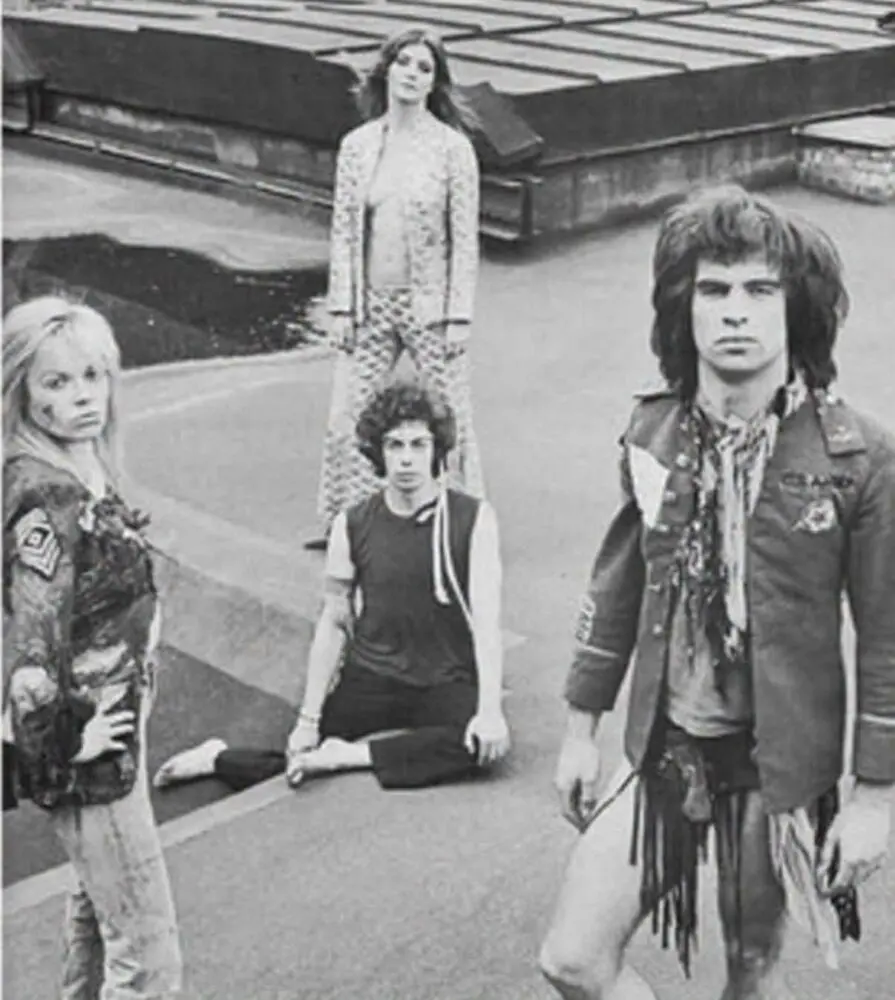
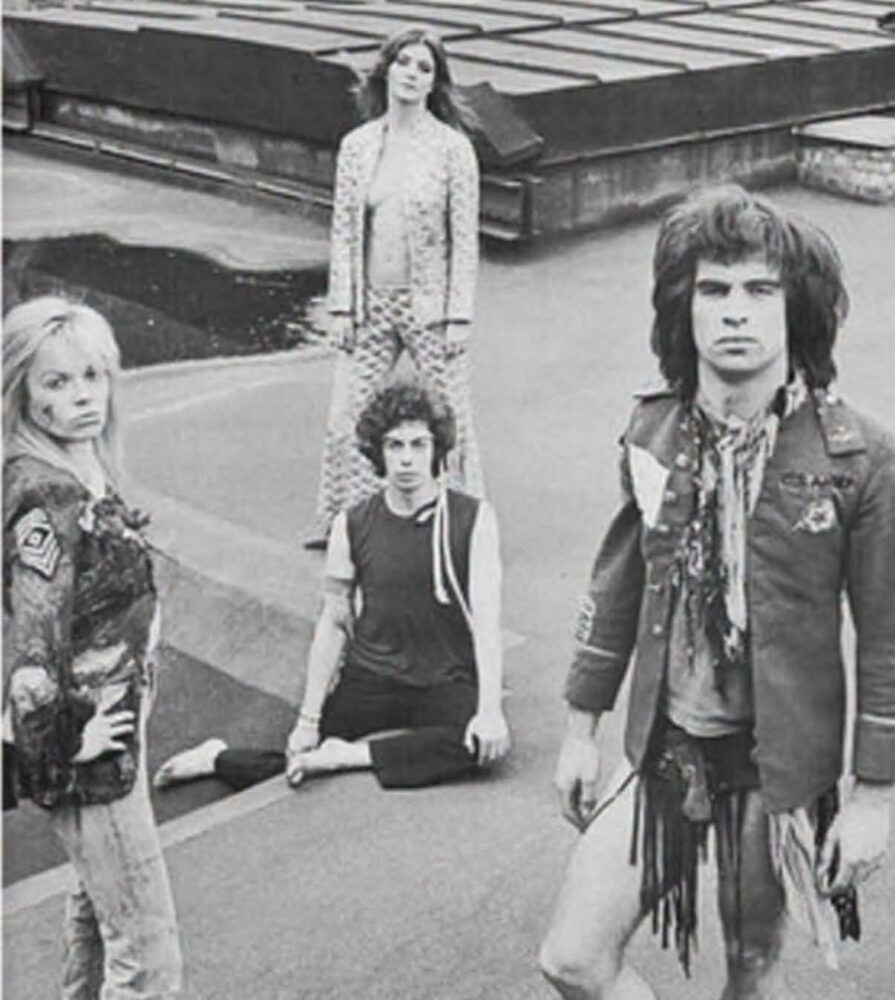
Born in Cheshire, England, in 1946, Curry’s early trajectory pointed steadily toward the stage. A graduate of the University of Birmingham with a degree in Drama and English, he quickly immersed himself in the vibrant London theatre scene. His professional breakthrough came in 1973 when he originated the role of Dr. Frank-N-Furter in Richard O’Brien’s musical horror-comedy The Rocky Horror Show at the Royal Court Theatre Upstairs.
Curry reprised the role for the 1975 cinematic adaptation, The Rocky Horror Picture Show. Though initially a box office disappointment, the film evolved into a historic midnight-movie phenomenon, fueled by audience participation, countercultural celebration, and Curry’s commanding, gender-bending performance. Frank-N-Furter cemented Curry’s status as an icon of midnight cinema and established a signature performance style characterized by predatory elegance, vocal agility, and razor-sharp comedic timing.
Establishing a Broadway Footprint (1980s)
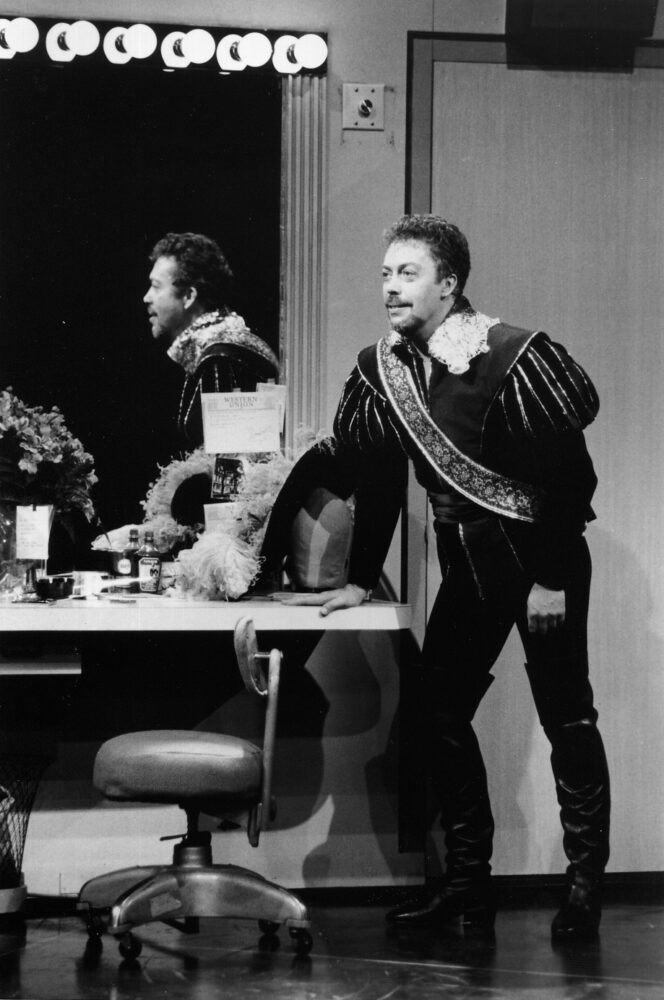
Buoyed by his international film success, Curry turned his attention toward conquering the Great White Way. His American stage debut arrived in Tom Stoppard’s intellectually dazzling play Travesties (1975–1976), where he portrayed the avant-garde artist Tristan Tzara. This set the stage for a series of high-profile Broadway and regional theatre engagements throughout the 1980s.
In 1981, Curry took on the role of Wolfgang Amadeus Mozart in Peter Shaffer’s masterpiece Amadeus on Broadway. His interpretation of the manic, brilliant, and tragic composer earned widespread critical acclaim, showcasing his ability to anchor heavy dramatic material with psychological depth. Shortly thereafter, he demonstrated his flair for classic musical theatre, starring as the Pirate King in the Joseph Papp-produced Broadway revival of Gilbert and Sullivan’s The Pirates of Penzance (1981–1982). His swashbuckling, tongue-in-cheek rendition became a high point of the production, further proving that Curry was as comfortable singing operetta as he was belting rock and roll.
Cinematic Diversification and Critical Acclaim (1990s)
The 1990s saw Curry expand his repertoire across mediums. On screen, he delivered indelible performances as the terrifying clown Pennywise in the television miniseries adaptation of Stephen King’s It (1990) and as the concierge Mr. Hector in Home Alone 2: Lost in New York (1992).
Simultaneously, Curry maintained a robust presence in the theatre. In 1992, he returned to Broadway to star as Alan Swann in the short-lived but beloved musical adaptation of My Favorite Year. His performance as the fading, charismatic movie star earned him a Tony Award nomination for Best Actor in a Musical, capturing the precise blend of vulnerability and larger-than-life persona that defined his career.
The Triumph of Spamalot and Later Stage Years (2000s–2010s)
Curry’s theatrical career reached a crowning achievement in 2005 when he originated the role of King Arthur in Eric Idle and John Du Prez’s monster hit Spamalot, directed by Mike Nichols. Based on the film Monty Python and the Holy Grail, the musical required Curry to anchor a madcap comedy with deadpan authority. His performance earned him a second Tony Award nomination for Best Actor in a Musical. Curry led the production through much of its initial smash-hit run, cementing his reputation as a master of musical-comedy farce.
Even as health challenges later in life limited his on-stage appearances—following a major stroke in 2013—Curry remained an active and beloved figure within the artistic community. He transitioned seamlessly into prolific voice-acting work, lending his distinctive baritone to animated classics, video games, and audiobooks, while occasionally participating in celebratory retrospectives and charity table reads.
To fully appreciate the scope of Tim Curry’s career, one must look at the breadth of his professional output across multiple distinct disciplines. Data compiled from theatrical archives, film registries, and cultural databases highlights the staggering variety of his resume:
Medium Diversification: Curry’s career spans over 200 screen credits (film and television), dozens of major stage productions across London and New York, and a vast portfolio of voice-over work in animation and video games.
Award Recognition: Across his illustrious career, Curry garnered multiple prestigious accolades, including two Tony Award nominations (My Favorite Year, Spamalot), three Drama Desk Award nominations, and an Emmy Award nomination for his voice-acting work in The Adventures of Peter Pan & Wendy.
Cultural Longevity:The Rocky Horror Picture Show holds the Guinness World Record for the longest-running theatrical release in film history, having played in cinemas continuously since its premiere in 1975—a milestone inextricably linked to Curry’s anchoring performance.
The Playbill Archives: Playbill’s dedicated interactive quizzes and galleries featuring Curry—such as the recent 14-slide retrospective highlighting his roles in Hair, Amadeus, Travesties, The Pirates of Penzance, and Spamalot—consistently rank among the most-engaged editorial features on the platform, demonstrating the timeless public fascination with his body of work.
Official Statements and Industry Tributes
Following the news of his passing, figures from across the entertainment industry—ranging from former co-stars to contemporary Broadway creators—shared heartfelt tributes acknowledging his seismic impact on the arts.
"Tim Curry was a force of nature, an actor of infinite resource, and a gentleman of unmatched wit. He brought a danger, a beauty, and an absolute commitment to everything he touched—whether he was wearing corsets, playing a monarch, or voicing an animated villain. The stage feels markedly quieter without him."
— Retrospective Statement from The Broadway League
"Working alongside Tim was a masterclass in theatricality. He didn’t just inhabit a character; he rewired the entire room around him. His legacy is etched permanently into the DNA of modern musical theatre."
— Colleague and Collaborator Tribute
Theatre historians and institutions have similarly praised his fearlessness. Unlike many performers who find a comfortable niche and remain within it, Curry actively sought out artistic peril, moving effortlessly from high camp to classical tragedy, and treating every role with the same meticulous dedication.
Future Outlook: Preserving a Legacy for Future Generations
As the theatrical community enters a post-Curry era, the imperative shifts toward preservation and education. Cultural organizations, university drama departments, and digital archives are increasingly utilizing retrospectives—such as Playbill’s interactive quizzes and photographic collections—to introduce younger generations of aspiring artists to Curry’s body of work.
The lessons embedded in Curry’s career trajectory are manifold:
Genre Fluidity: The modern performer must be adaptable, capable of moving between stage, screen, and voice work without losing artistic integrity.
Embracing Boldness: Curry proved that audiences respond to fearless choices. His willingness to lean into the extravagant and the eccentric redefined the boundaries of theatrical performance.
Enduring Archives: As demonstrated by the ongoing popularity of retrospective features, digital preservation ensures that ephemeral art forms like theatre continue to inspire long after the curtain falls.
Tim Curry’s voice, visage, and theatrical spirit remain etched into the cultural consciousness. Whether through the midnight screenings of Rocky Horror, cast recordings of Spamalot, or archival Playbill pages documenting his transformative stage runs, his brilliance continues to burn brightly—inviting audiences forever to step into the lab, do the Time Warp, and marvel at a true master of his craft.