
Executive Overview
In an era defined by digital detachment, genuine acts of selflessness stand out with striking clarity. For Ashley Taunton, a 42-year-old certified nursing assistant and mother of three from Connecticut, a routine drive down Interstate 95 transformed into a life-altering test of character. Confronted with a chaotic scene of stranded teenagers following a terrifying hydroplaning accident during a torrential New England rainstorm, Taunton did not hesitate. Stepping out into the perilous elements to shepherd vulnerable youths to safety, she ultimately absorbed the catastrophic impact of a secondary vehicular collision, placing her own body between an oncoming car and a young teenager.
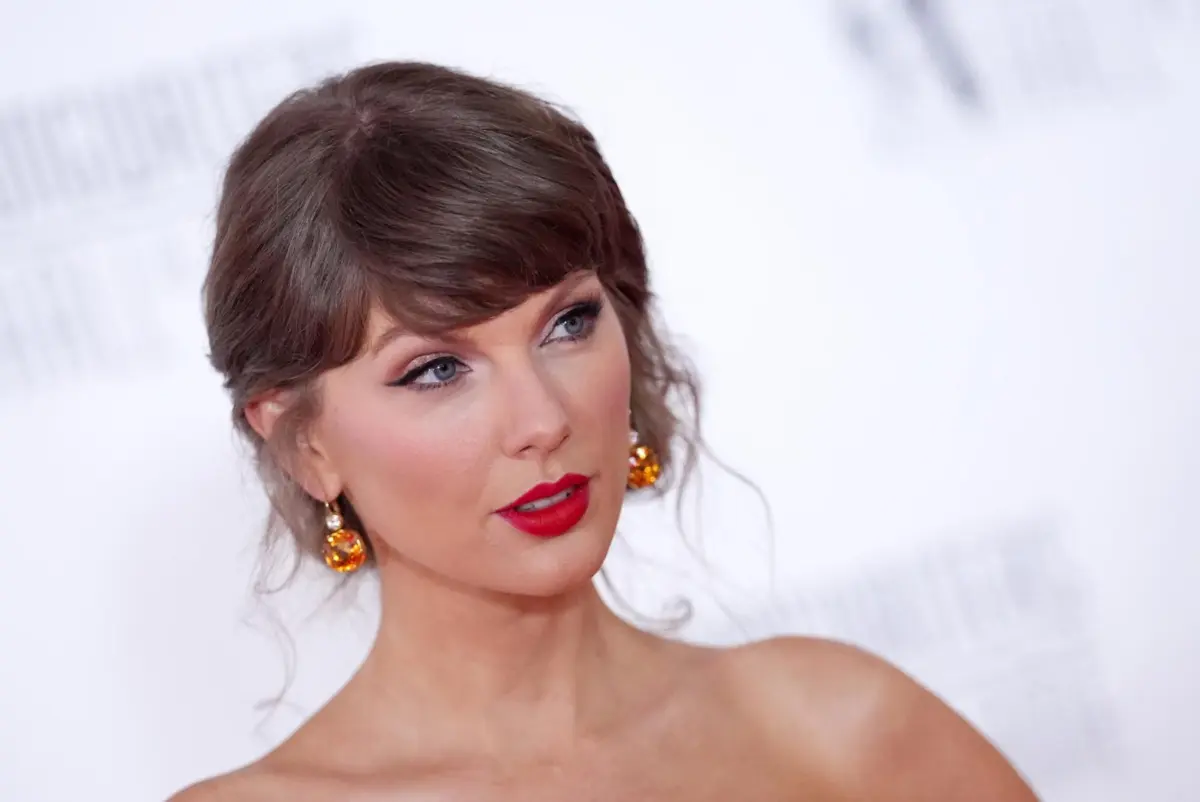
Months after the harrowing July incident, Taunton’s battle for survival has captured the attention of the nation—and the heart of one of the world’s most influential artists. Pop icon Taylor Swift has donated $50,000 to a GoFundMe campaign established to support Taunton’s exhaustive medical and rehabilitation journey. The substantial gift, corroborated by major entertainment outlets including Rolling Stone and People, represents the single largest contribution to the fundraiser, elevating public awareness and rallying a community around a family facing up to a year of arduous recovery.
This comprehensive report examines the anatomy of the tragic accident on I-95, the heroic intervention executed by Taunton, the outpouring of financial and emotional support galvanized by Swift’s quiet philanthropy, and the broader pattern of charitable giving that defines the pop superstar’s public footprint.
Detailed Chronology: The Anatomy of a Tragedy on I-95
The events of that fateful July afternoon began like countless other summer commutes across the American Northeast. Gray skies loomed heavy over the highway corridor, and intermittent downpours quickly transformed asphalt arteries into slick, unpredictable hazards.
Ashley Taunton was traveling southbound on Interstate 95, accompanied by her youngest daughter. Ahead of them, a vehicle carrying a group of teenagers fell victim to the treacherous conditions, hydroplaning across lanes before coming to a violent and disorienting halt amidst the fast-moving traffic. Visibility was severely compromised, and the risk of a high-speed multi-car pileup was immediate.
Rather than driving past the wreckage—a tragic instinct often observed on modern highways—Taunton acted with the innate conditioning of a mother and a healthcare professional. She pulled her vehicle over, secured her daughter, and stepped out into the blinding rain to render aid.
According to eyewitness and family accounts, Taunton quickly took charge of the chaotic scene, directing the disoriented teenagers toward the relative safety of the highway shoulder. It was during these critical moments of evacuation that the storm claimed a secondary victim. Another motorist, similarly overwhelmed by the standing water and poor visibility, lost control of their vehicle, which began hydroplaning directly toward the cluster of stranded youths.
Displaying split-second heroism, Taunton lunged forward and physically shoved one of the teenagers out of the path of the oncoming vehicle. The kinetic force of the impact was absorbed almost entirely by Taunton. The collision inflicted devastating, life-threatening injuries, turning a Good Samaritan act into a desperate fight for survival.
Emergency services arrived swiftly at the scene, transporting Taunton to a trauma center where she began the first of what would become a grueling series of medical interventions.
Supporting Context & Metrics: The Road to Physical and Financial Recovery
The physical toll exacted by the collision has been staggering. Taunton, whose livelihood as a certified nursing assistant depended on physical mobility and stamina, has already undergone two major, high-risk surgical procedures. Medical professionals have indicated that additional operations will be necessary in the coming months as orthopedic and neurological specialists work to repair the extensive trauma caused by the impact.
Because Taunton’s injuries are severe enough to preclude employment for the foreseeable future, her family’s financial stability has been severely compromised. To address mounting medical debt, specialized home care requirements, and everyday household expenses, loved ones established an official GoFundMe campaign titled "Support Ashley Taunton’s Brave Recovery."
As of Friday, August 28, the campaign had successfully surpassed $64,000 in direct contributions from sympathetic strangers, community members, and concerned citizens touched by her selflessness. Simultaneously, a parallel initiative—a Meal Train organized to provide daily sustenance to Taunton’s children and family members during her extended hospitalization—has drawn upwards of $16,000 in community support.

Despite these vital contributions, family representatives note that the financial mountain is steep. Medical prognostications suggest that a full recovery could easily stretch across twelve months of intensive physical therapy, rehabilitation, and adaptive living adjustments. It was against this backdrop of mounting fiscal strain and physical uncertainty that Taylor Swift’s intervention materialized.
Official Statements and the Power of Quiet Philanthropy
When a global megastar steps into a crowdfunding campaign, the digital landscape shifts. Swift’s $50,000 donation shattered previous funding ceilings for the Taunton family’s GoFundMe page, instantaneously elevating the campaign into national headlines.
Eschewing public press releases or self-congratulatory social media declarations, Swift elected to make the contribution anonymously regarding corporate fanfare, leaving a simple, heartfelt message in the public comments section of the fundraiser:
"Wishing you the best recovery possible and sending love to your family! Taylor."
The authenticity of the contribution was subsequently verified by representatives close to the artist, echoing a long-standing pattern of quiet, targeted philanthropy. For years, Swift has maintained a documented history of monitoring grassroots fundraising platforms—frequently identifying individuals facing acute medical crises, natural disasters, or family tragedies, and delivering substantial, unannounced financial relief.
Sociologists and media analysts often point to these targeted interventions as a masterclass in modern parasocial relationship management; however, those closest to the beneficiaries view them through a far simpler lens: immediate, life-saving utility. In Taunton’s case, the infusion of capital removes the immediate specter of medical bankruptcy, allowing the family to focus entirely on rehabilitation and emotional healing rather than ledger sheets and unpaid bills.
This latest act of generosity arrives mere weeks after another monumental philanthropic milestone for the pop superstar and her husband, Travis Kelce. Ahead of their high-profile July wedding at New York’s iconic Madison Square Garden, the couple directed a staggering $26 million across 20 distinct charitable organizations spanning the United States, cementing their status as among the most active high-net-worth philanthropists of their generation.
Future Outlook: Healing, Community, and Resilience
As Ashley Taunton enters the next phase of her recovery, the road ahead remains arduous. Rehabilitation from multi-site traumatic injuries requires not only physical endurance but also profound psychological fortitude. Yet, the narrative surrounding her ordeal has evolved from one of pure tragedy into a testament of human resilience.
The teenagers she saved on that rainy July afternoon remain unharmed, a living testament to her split-second sacrifice. Meanwhile, the community of supporters—bolstered by the magnifying lens of mainstream media and the transformative generosity of figures like Taylor Swift—has ensured that Taunton and her children will not walk the path of recovery alone.
Medical teams continue to monitor her post-surgical progress closely, with hopes that outpatient physical therapy can begin before the winter months set in. For Taunton’s family, the outpouring of love serves as an anchor in an otherwise turbulent storm.
As the public continues to monitor the GoFundMe and Meal Train portals, Ashley Taunton’s story remains etched into the collective consciousness as a reminder of the extraordinary heights of everyday heroism—and the profound impact that a single act of kindness, met with an equally profound wave of support, can achieve in the darkest of hours.