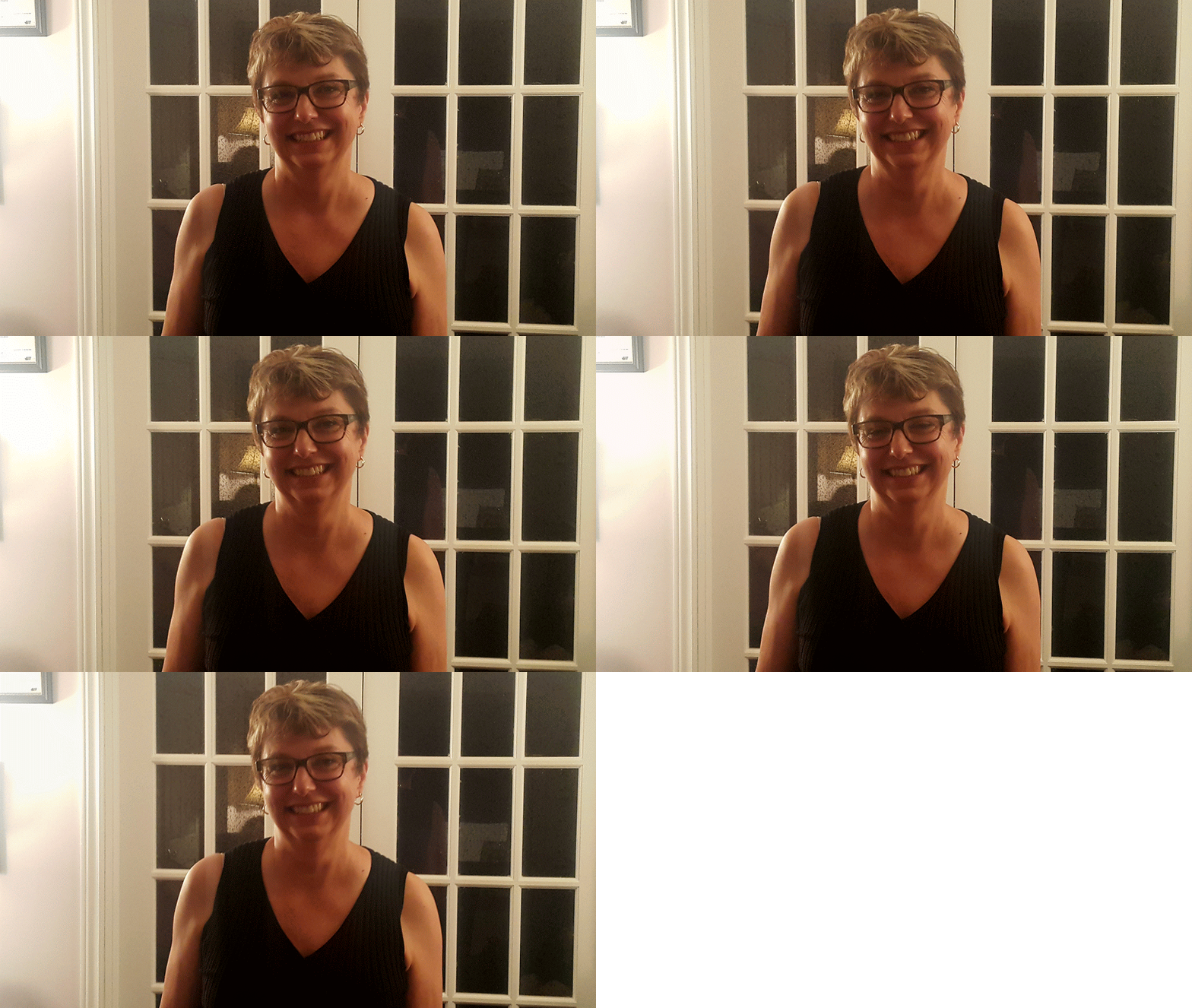

DATELINE: OTTAWA/KINGSTON, ONTARIO — In the realm of vocal performance and speech rehabilitation, chronic injury is frequently treated as a permanent career ceiling. For decades, individuals who have suffered severe vocal cord trauma—such as the formation and surgical removal of nodules—have been told to temper their expectations, scale back their ambitions, and accept a diminished vocal range.
However, a recent comprehensive testimonial and case evaluation originating from the Ottawa and Kingston regions of Ontario challenges this conventional medical paradigm. The account details the remarkable recovery of Mary Ellen Stoll, a retired professional with a background in the biological sciences, who overcame over thirty years of chronic vocal dysfunction, recurrent laryngitis, and post-surgical fragility through the application of the proprietary Vocal Science™ methodology developed by renowned specialist Diana Yampolsky.
This investigative report examines the chronology of Stoll’s rehabilitation, analyzes the structural mechanics of the revolutionary technique she encountered, explores the integration of holistic and herbal support systems in vocal health, and evaluates the broader implications of alternative voice repair for aging adults seeking to reclaim their artistic passions.
Executive Overview
For Mary Ellen Stoll, the path to vocal restoration was neither immediate nor conventional. More than three decades prior to seeking specialized intervention, Stoll underwent invasive surgery to remove nodules from her vocal cords—a common occupational hazard for heavy voice users, singers, and educators, typically caused by chronic phonotrauma.
While the surgery successfully removed the pathological tissue, it left behind a legacy of vulnerability. Encumbered by the relentless demands of raising a family and maintaining a demanding career in the biological sciences, Stoll relegated her passion for singing to the background. Her voice remained unreliable, prone to rapid exhaustion, and susceptible to complete laryngitis multiple times per year.
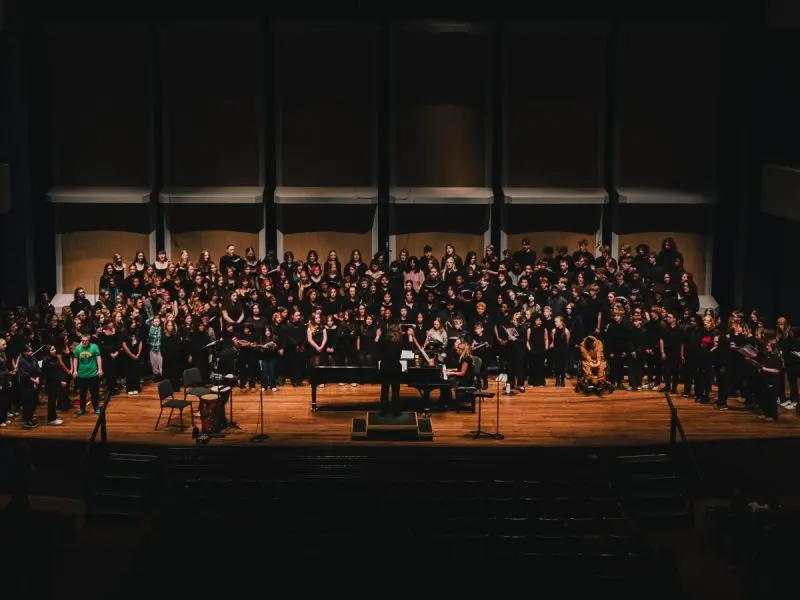
The tipping point arrived in retirement. Eager to fulfill a long-held aspiration, Stoll auditioned for and joined a local ladies’ barbershop chorus. Yet, the physical reality of choral participation quickly exposed her lingering vulnerabilities. The chorus director expressed legitimate concern that Stoll might permanently damage her vocal cords, and Stoll herself experienced alarming post-rehearsal soreness following standard two-hour practice sessions.
Faced with what she perceived as her final opportunity to resolve decades of vocal compromise, Stoll traveled to undergo an intensive 20-hour program with Diana Yampolsky. What followed was a transformative journey that not only eliminated her physical pain and vocal fatigue but unlocked a level of vocal projection, clarity, and control she had not experienced in her adult life.
This article explores the anatomy of her recovery, breaking down the mechanical shifts, holistic protocols, and psychological dedication required to reverse thirty years of vocal deterioration.
Detailed Chronology: From Post-Surgical Frustration to Artistic Rebirth
Phase One: The Decades of Compromise (The Pre-Intervention Era)
To understand the magnitude of Stoll’s recovery, one must first examine the cumulative impact of chronic vocal cord injury. When vocal cord nodules develop, they do so as callous-like growths resulting from repetitive, high-impact collision of the vocal folds. Surgical removal is often necessary, but surgery alone does not correct the underlying biomechanical habits that caused the nodules in the first place.
For over thirty years, Stoll lived in a state of precarious vocal health:
- Chronic Fatigue: Her voice tired easily during routine conversation, making prolonged social or professional interactions exhausting.
- Unreliability: She could never fully trust her vocal apparatus to respond predictably under pressure.
- Recurrent Pathology: She suffered complete bouts of laryngitis several times annually, often triggered by minor environmental stressors or moderate vocal use.
- Suppressed Ambition: The combination of family duties, professional workloads, and physiological fear effectively silenced her singing voice.
Phase Two: The Catalyst of Retirement and Choral Ambition
Retirement often serves as a crucible for personal reinvention. For Stoll, this life transition presented the psychological space necessary to confront her long-dormant vocal issues. Upon joining the local ladies’ barbershop chorus, however, the collision between her ambitious artistic goals and her compromised physiological reality became starkly apparent.
Barbershop music demands precise intonation, blend, vocal agility, and sustained projection—often in a cappella settings where singers must support their pitch without instrumental cues. During standard two-hour rehearsals, Stoll felt acute physical soreness in her throat. Her chorus director, acting out of professional caution, voiced deep anxieties regarding the potential for catastrophic, irreversible vocal cord damage.
Realizing that conventional choir warm-ups were insufficient to protect her post-surgical anatomy, Stoll began searching for specialized intervention. Her research ultimately led her to Diana Yampolsky and the Vocal Science™ methodology—a step she now describes as her "only avenue out there to help."
Phase Three: The 20-Hour Intensive Immersion
Stoll committed to an intensive regimen consisting of 20 hours of one-on-one instruction with Yampolsky over the course of several weeks. This immersion was designed to dismantle decades of maladaptive muscle memory and replace them with precise, biomechanically sound vocal production techniques.
Unlike traditional classical voice training—which often focuses purely on aesthetic output—the Vocal Science™ approach functions as an applied science of voice mechanics, closely aligned with anatomical and physiological realities. Stoll noted that the initial physical sensations of the work were localized entirely outside the throat:
"After several hours with her, my vocal cords do not hurt or aren’t tired—just my cheek muscles! You can feel the difference in how you produce sound and volume."
This shift—moving the muscular effort away from the delicate laryngeal tissues and transferring it to the facial structure, respiratory support system, and resonant cavities—forms the core of Yampolsky’s proprietary methodology. By engaging the facial musculature and optimizing vocal tract resonance, the physical friction on the vocal folds is dramatically minimized.
Phase Four: The Breakthrough and Artistic Revelation
The culmination of the intensive program arrived during the final sessions, when Stoll was permitted to sing for the first time using the newly acquired techniques. The result was nothing short of revelatory.
For a woman who had spent thirty years anticipating vocal failure, pain, and instability, experiencing effortless acoustic projection was emotionally and physically staggering. Stoll reported:
"I could not believe that I could produce that sound, that volume and clarity and length to hold a note without any change in pitch."
The transformation proved that her vocal cords were not inherently incapable of producing beautiful sound; rather, they had simply been subjected to decades of inefficient, harmful biomechanical usage due to the compensatory habits formed after her initial nodule surgery.
Supporting Context & Metrics: The Science of Voice Repair
To contextualize Stoll’s success, it is vital to examine the physiological and structural principles underpinning advanced voice mechanics, holistic support systems, and the economics of specialized rehabilitation.
Biomechanical Re-Education vs. Traditional Training
Traditional vocal instruction frequently assumes a baseline of healthy, uncompromised vocal anatomy. For students with a history of vocal cord nodules, scarring, or chronic laryngitis, standard pedagogical approaches ("sing from your diaphragm," "open your throat," "project from the chest") can actually exacerbate the underlying trauma if the foundational neuromuscular pathways are misaligned.
The Vocal Science™ technique approaches voice repair through rigorous micro-observation. According to Stoll, Yampolsky operates with acute sensory perception:
"She has an amazing eye and ear and is observing you the whole time, and quick to tell you when something is wrong with your voice or your body."
This hyper-vigilant coaching style interrupts bad habits the microsecond they manifest, forcing the central nervous system to remap how the vocal mechanism interacts with the rest of the body. The resulting reduction in vocal fold fatigue is not a matter of luck; it is the direct consequence of shifting acoustic amplification from laryngeal muscle tension to resonant skeletal cavities (such as the facial bones, hard palate, and cranial sinuses).
The Integration of Holistic and Herbal Protocols
A fascinating aspect of Stoll’s case is her professional background in the biological sciences. Trained to evaluate empirical evidence through a strictly scientific lens, Stoll candidly admits that she was initially skeptical of herbal remedies and alternative treatments.
However, under Yampolsky’s guidance, she incorporated several specific herbal treatments designed to reduce inflammation, soothe mucosal tissues, and support immune and respiratory health. Observing the tangible physiological benefits firsthand caused a shift in her perspective:
"Diana also suggested several herbal treatments for me and I can really see how they are helping me (and that’s for someone who spent her life in the biological sciences and have been a little skeptical of herbal treatments)."
In professional voice repair, botanical and herbal supports are frequently utilized to manage sub-clinical inflammation, control post-nasal drip, and maintain optimal hydration of the vocal fold lamina propria—the delicate, gelatinous layer essential for smooth vocal fold vibration. When combined with correct biomechanics, these adjunct therapies create an optimal internal environment for tissue recovery.
The Economic and Psychological Investment
Specialized, intensive voice repair is a significant commitment—both financially and personally. Stoll addresses this reality without euphemism:
"As for the cost—it is not insignificant. You WILL get results and I would do it all again with Diana. I wish I had looked for and found her about 20 years ago. It would have saved me years of frustration with my voice."
In the landscape of modern health and wellness, specialized vocal rehabilitation often falls outside the coverage of standard provincial healthcare plans or private insurance, positioning it as an out-of-pocket investment. However, when evaluated against the alternative—decades of ongoing frustration, failed auditions, medical consultations, and the psychological toll of a silenced voice—the return on investment for individuals like Stoll is profound.
Official Statements and Testimonial Analysis
Mary Ellen Stoll’s reference letter serves as an unfiltered primary document, providing invaluable qualitative data regarding the efficacy of alternative voice repair methodologies. Below is a structured analysis of key thematic elements extracted from her public statement:
1. The Rigor of the Methodology
"She is a dedicated to your improvement but in a taskmaster sort of way. You have to dedicate yourself as well."
Advanced voice repair is not a passive medical treatment where the patient lies back and receives a cure. It is an active, rigorous athletic training regimen for the vocal and respiratory systems. Yampolsky’s demanding ("taskmaster") approach is framed not as punitive, but as an essential catalyst for overcoming ingrained neurological pathways formed over decades of improper vocal use.
2. Validation of Industry Claims
"From what I have experienced I would say all the testimonials you read on the Vocal Science and Repair Your Voice website are accurate. Diana has spent over 30 years of her life creating and fine tuning her techniques and it shows."
In an industry replete with exaggerated claims and unverified miracle cures, Stoll’s verification provides authoritative validation. As a retired biological scientist, her analytical background lends additional credibility to her assessment that the outcomes advertised by Vocal Science™ are empirically reproducible in real-world subjects.
3. The Regret of Delay
"I wish I had looked for and found her about 20 years ago. It would have saved me years of frustration with my voice."
This sentiment echoes through the case histories of many chronic voice injury sufferers. The cultural tendency to normalize vocal fatigue ("I’m just hoarse because I talked too much") frequently delays critical intervention, allowing minor functional imbalances to entrench themselves into chronic physiological trauma.
Future Outlook: Implications for Aging Artists and Voice Professionals
Mary Ellen Stoll’s successful rehabilitation from decades of post-surgical vocal trauma carries significant implications for several key demographics:
- Aging and Retired Adults: As life expectancy increases, retirees are increasingly seeking to re-engage with creative arts, community choirs, and theatrical groups. The assumption that aging inevitably brings vocal decline is challenged by cases demonstrating that functional vocal decay is often postural and biomechanical rather than strictly chronological.
- Post-Surgical Vocal Patients: Individuals who have undergone surgery for nodules, polyps, or cysts often require specialized rehabilitative bridges to transition from medical healing to high-performance voice use. Traditional speech-language pathology excels at clinical restoration of basic speech, but advanced methodologies are frequently required to restore high-demand artistic capabilities such as singing and public speaking.
- The Integration of Science and Holism: Stoll’s evolution from biological science skeptic to advocate for targeted herbal support underscores the growing convergence between rigorous biomechanical training and evidence-based complementary wellness protocols in modern vocal pedagogy.
Conclusion
The case of Mary Ellen Stoll stands as a powerful testament to human resilience, the adaptability of the human neuromuscular system, and the efficacy of specialized, non-surgical voice repair methodologies. By confronting thirty years of post-surgical trauma, overcoming deep-seated skepticism, and committing to an intensive regimen of physical re-education and holistic care, Stoll successfully reclaimed her voice and her place in the artistic community.
For future clients navigating the frustrating labyrinth of chronic vocal injury, her message is clear: recovery requires financial investment, unwavering personal dedication, and the guidance of an uncompromising expert. But for those willing to do the work, the reward is nothing less than a second artistic life.
For further information regarding advanced voice repair, specialized vocal mechanics, and consultation inquiries, interested parties may visit the official Vocal Science™ and Repair Your Voice platforms.