

Executive Overview
As the humid haze of late August yields to the crisp, unmistakable chill of early autumn, New York City stands at the precipice of its most vital cultural ritual: the launch of the fall theatrical season. Traditionally anchored by the Labor Day weekend—a symbolic demarcation line that signals the end of summer vacations, the reopening of academic institutions, and the extraction of wool sweaters from cedar chests—this period marks the true starting gun for Broadway and Off-Broadway producers, creators, and performers.
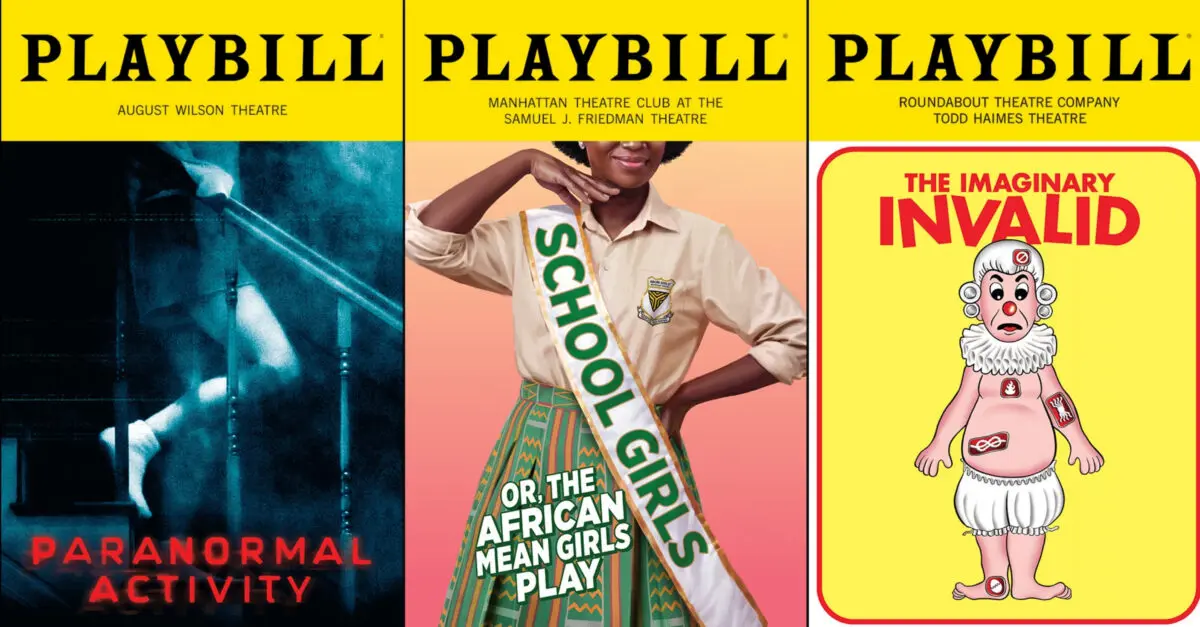
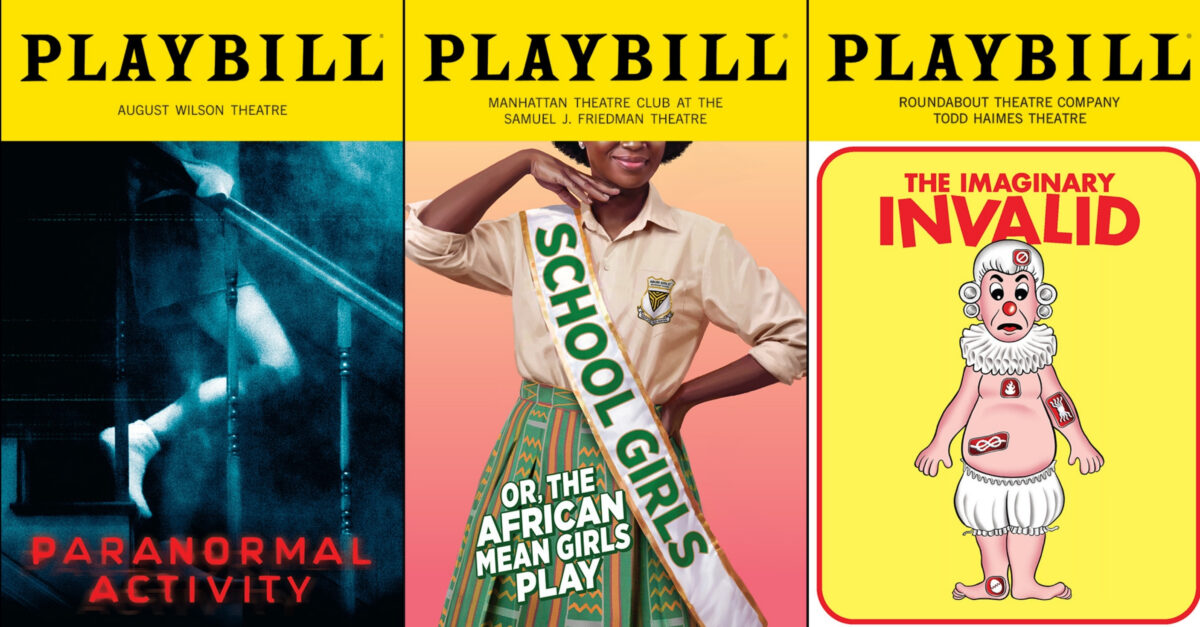
The 2026 fall season arrives with an extraordinary sense of momentum, buoyed by a diverse slate of programming that marries high-concept revivals with urgent contemporary storytelling. At the forefront of this seasonal pivot is the coveted reveal of the official Playbill cover art for the autumn’s flagship productions. Among the first batch of collectibles released to the public are the distinctive yellow-and-white programs for Jocelyn Bioh’s razor-sharp cultural satire School Girls; Or, the African Mean Girls Play and a boldly reimagined, contemporary staging of Molière’s timeless farce The Imaginary Invalid.
Yet, these two productions represent merely the tip of the theatrical iceberg. Industry insiders, critics, and avid theatergoers are currently navigating an embarrassment of riches, weighing a robust schedule featuring high-profile plays, boundary-pushing musicals, and star-studded limited engagements. This comprehensive report offers an exhaustive look at the 2026 fall season, examining the economic currents, artistic milestones, and must-see productions that will define the upcoming months across the Great White Way and beyond.
Detailed Chronology: The Road to the Fall Curtain
The transition from the slow-paced summer months to the frantic energy of the autumn theatrical calendar does not happen overnight. It is the culmination of a meticulously orchestrated timeline designed to maximize audience engagement, tourism, and critical impact.
Late August: The Warm-Up and Artifact Reveal
As the final weeks of August wind down, production offices across Midtown Manhattan shift into overdrive. Tech rehearsals move from off-site studios into their respective Broadway and Off-Broadway houses. Concurrently, marketing departments execute the rollout of key promotional assets.
August 31, 2026, marked a crucial milestone in this timeline with the initial publication of the season’s first wave of Playbill covers. For collectors and theater purists, the digital and physical distribution of these pamphlets signals that the season is officially underway. The unveiling included the vibrant, culturally resonant branding for School Girls; Or, the African Mean Girls Play, alongside the striking, eccentric aesthetic chosen for the newly adapted The Imaginary Invalid.
Labor Day to Mid-September: Load-Ins and Previews
The official arrival of Labor Day weekend serves as the psychological catalyst for New York’s theatergoers. Box offices historically experience a surge in ticket sales as locals return from coastal retreats and out-of-town visitors capitalize on the holiday weekend.
Immediately following the holiday, the pace accelerates exponentially. Load-ins—the complex logistical process of moving physical sets, lighting rigs, and costumes into historic theater buildings—reach a fever pitch. Previews begin for the vanguard of the fall crop, offering creative teams a vital window to gauge audience reactions, trim fat, and fine-tune technical cues before opening night red carpets roll out in late September and October.
October and November: The Peak Crucible
By mid-October, the season reaches its zenith. Multiple shows open per week, creating a vibrant, high-stakes ecosystem where critics, influencers, and gala-goers crisscross Times Square nightly. This is the crucible period that dictates the trajectory of the theatrical year, establishing early favorites for the subsequent awards season while testing the economic viability of ambitious, non-traditional works.
Supporting Context & Metrics: The Anatomy of the 2026 Season
To fully appreciate the scope of the 2026 fall season, one must examine the quantitative and qualitative data shaping the contemporary New York theater landscape. Industry metrics point toward a season characterized by calculated risks, targeted demographic expansion, and a healthy balance between commercial juggernauts and intimate artistic statements.
The Play vs. Musical Divide
A thorough analysis of the upcoming calendar reveals a fascinating bifurcation in audience appeal. While large-scale musicals continue to serve as the financial engine of the Broadway ecosystem, commanding massive tourists dollars and occupying the largest houses, the autumn slate boasts an unusually muscular lineup of straight plays.
According to seasonal metrics tracked by industry analysts, the fall calendar features:
- 8 Must-See Plays: Ranging from intimate psychological dramas to biting social satires, these productions prioritize textual depth and ensemble-driven acting. Many of these works are housed in smaller Broadway or prominent Off-Broadway venues, allowing for intense, immersive audience experiences.
- 12 Must-See Musicals: Spanning both Broadway stages and influential Off-Broadway incubators, these productions showcase everything from sprawling historical epics to inventive contemporary song cycles.
Economic Indicators and Tourism
The health of the New York theatrical economy remains closely tied to international and domestic tourism, alongside robust local subscription bases. Early autumn historically represents one of the most lucrative periods for the Broadway League, benefiting from favorable weather, school-calendar alignments, and the absence of major holiday distractions.
Average ticket prices continue to reflect both inflationary pressures and the high cost of mounting physical productions in historical, unionized Broadway houses. However, producers have increasingly leaned into dynamic pricing models and digital lottery programs to maintain accessibility for younger and more diverse audiences—a demographic shift heavily emphasized in the marketing of plays like School Girls.
Spotlight Productions: The Flagship Works of Fall 2026
While dozens of productions will light up marquee bulbs over the coming months, certain titles have captured the collective imagination of the theatrical community.
School Girls; Or, the African Mean Girls Play
Jocelyn Bioh’s breakout comedy has achieved modern classic status since its initial premiere, and its revival/return this fall is generating immense excitement. Set at an exclusive boarding school in Ghana, the play brilliantly juxtaposes universal adolescent insecurities—colorism, bullying, and the desperate quest for social validation—against the backdrop of the 1986 Miss Universe pageant. The production’s new Playbill art captures the sharp wit and vibrant energy that has made Bioh one of the most vital voices in contemporary American theater.
The Imaginary Invalid
Molière’s biting 1673 satire on hypochondria, medical malpractice, and familial greed receives a daring, contemporary overhaul this season. By stripping away centuries of dusty neoclassical convention, the creative team behind this reimagined staging aims to highlight the timeless absurdity of human vanity and institutional corruption. The resulting production promises to be as visually arresting as it is textually subversive, offering a fresh entry point for audiences unfamiliar with French farce.
Navigating the Guidebooks
For theatergoers feeling overwhelmed by the sheer volume of options, industry curators have released definitive roadmap guides. For those seeking intellectual stimulation, character-driven narratives, and gripping dialogue, the curated list of 8 Must-See Plays Heading to Broadway This Fall offers an invaluable itinerary. Conversely, those looking for soaring vocal performances, elaborate choreography, and sweeping orchestration can consult the companion guide detailing the 12 Must-See Musicals to See This Fall on Broadway and Off-Broadway.
Future Outlook: What Lies Beyond the Fall Horizon
As the curtain rises on the 2026 fall season, industry leaders are already casting their gaze toward the horizon, mapping out a trajectory that extends well into the spring and summer of the following year.
The success of this autumn’s programming will serve as a critical bellwether for the health of commercial theater in an era marked by shifting consumer habits and rising operational costs. If early ticket sales and the enthusiastic reception of pioneering works like School Girls and The Imaginary Invalid are any indication, the appetite for live, communal storytelling remains robust and insatiable.
Furthermore, the integration of innovative digital marketing, enhanced accessibility initiatives, and a conscious effort to diversify the stories told on major stages suggest a resilient industry actively shaping its own future. As the leaves turn and the marquee lights shine a little brighter against the darkening autumn skies, New York City reaffirms its status as the undisputed theatrical capital of the world—ready to challenge, comfort, and captivate audiences for months to come.