
Executive Overview
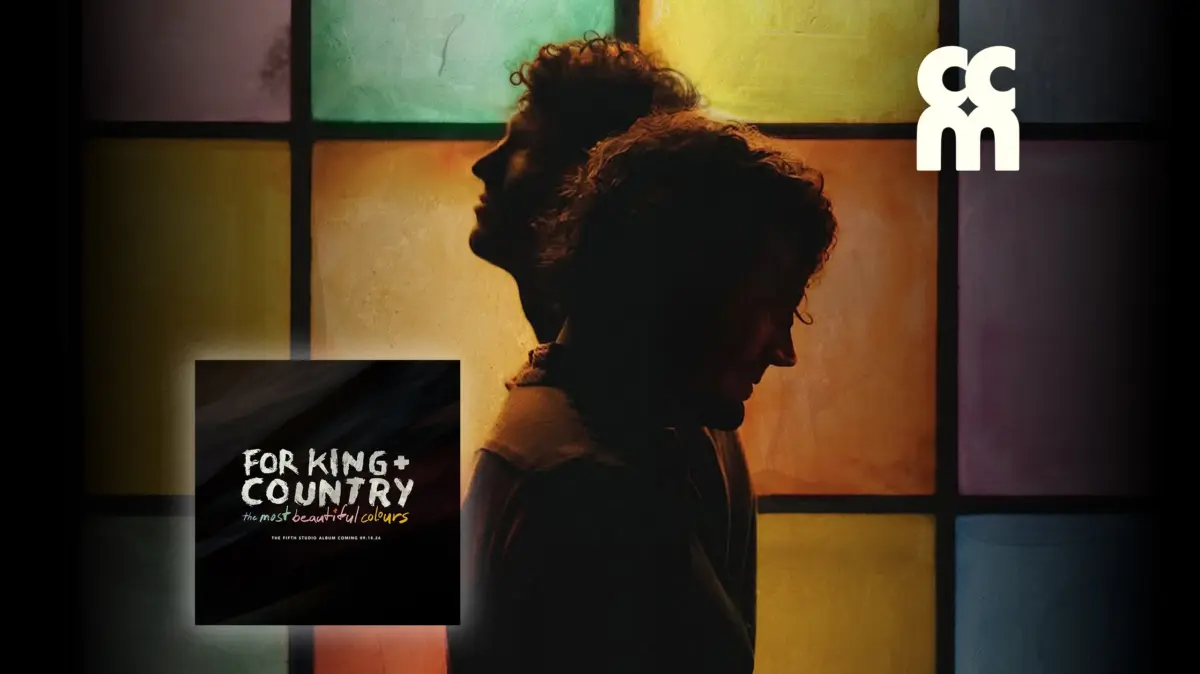
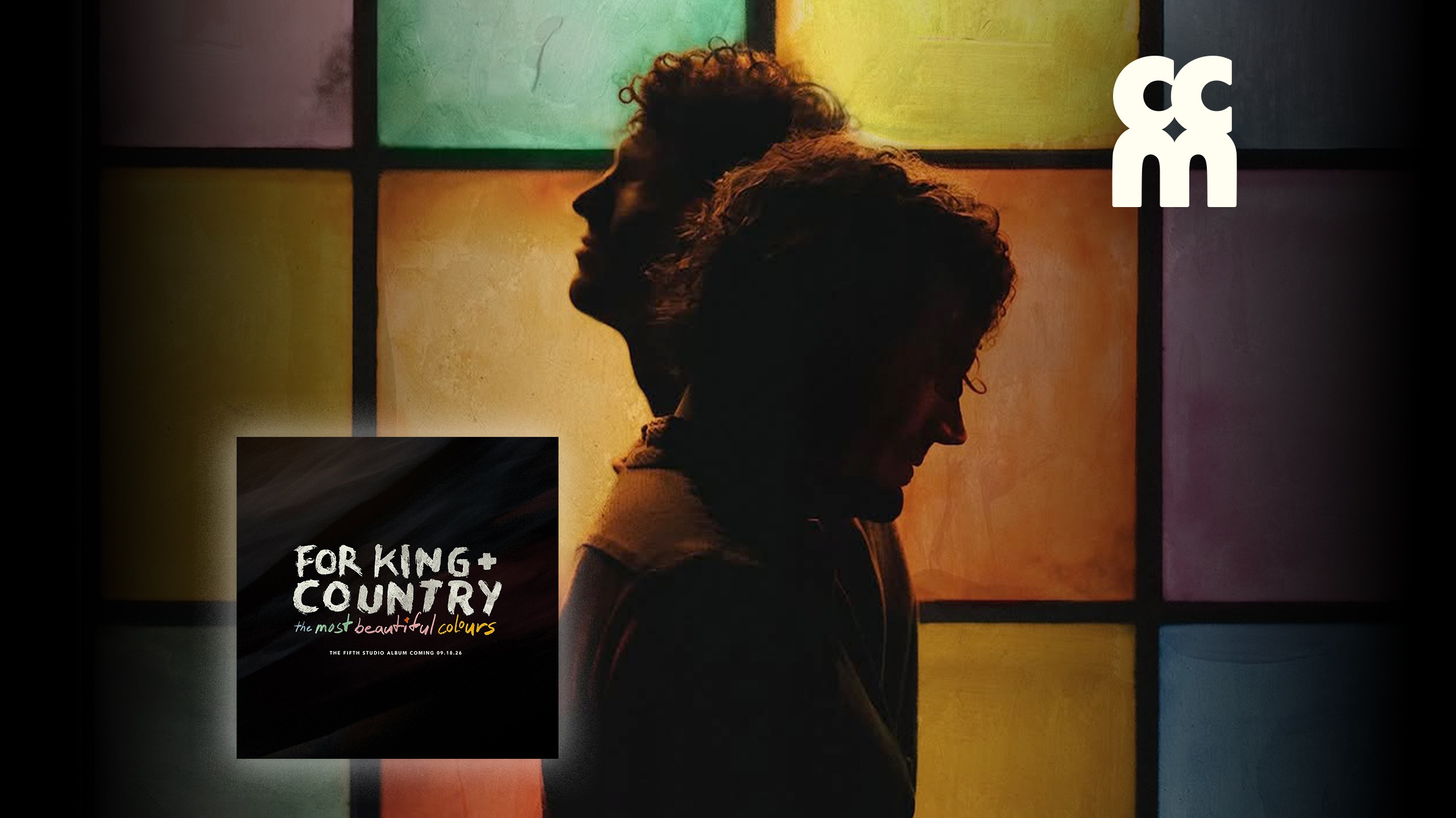
As the contemporary Christian music landscape shifts toward ever-more polished, standardized sounds, few acts continue to challenge the boundaries of scale and ambition quite like the multi-Grammy-winning sibling duo for KING + COUNTRY. Comprising brothers Joel and Luke Smallbone, the band has built a reputation on high-octane, arena-filling spectacles that marry faith-driven lyrics with the theatricality of modern stadium rock. Yet, with their upcoming full-length studio release, The Most Beautiful Colors—slated for release on September 18—the brothers are pivoting from youthful anthems toward a deeply grounded, structurally adventurous examination of the middle chapters of life.
An exclusive early listen to the complete project reveals a record that is paradoxically massive yet intimately ordinary. While its sonic architecture relies on stadium-sized drums, sweeping synths, and global rhythms, its thematic core focuses on the messy, unvarnished realities of aging: marriage, divorce, parenting, legacy, the friction of family life, and the quiet realization that adult life rarely resembles the pristine blueprints drawn up in one’s youth. Far from a standard Sunday-morning congregational record, The Most Beautiful Colors reads more like the book of Proverbs than Psalms—practical, wise, and forged in the fires of actual human experience.
Moreover, the project playfully teeters on the edge of a Broadway musical, incorporating a bewildering yet brilliant array of influences. From organic goatskin percussion and 1980s-inspired keyboard solos to an unexpected, career-redefining guest appearance by pop icon Jessica Simpson, the album establishes an ambitious sonic sandbox. This comprehensive review examines the anatomy of The Most Beautiful Colors, breaking down its thematic resonance, musical evolution, and the strategic positioning of for KING + COUNTRY as they step into a remarkably mature phase of their artistic trajectory.
Detailed Chronology and Track Architecture
To understand the trajectory of The Most Beautiful Colors, one must trace the rollout and sequential flow of its tracklist. The album’s genesis began nearly a year prior with the release of its lead single, "World on Fire," which serves as the album’s grand opening statement.
Phase One: Global Rhythms and the Opening Statement
"World on Fire" established early on that the brothers were looking outward, leaning heavily into world-music influences. Much like Paul Simon’s iconic structural pivots, for KING + COUNTRY traded some of their signature digital sheen for organic, goatskin-driven percussion. Listening to the track within the context of the full album highlights its role as an expansive horizon-line setter. It is a song that begs for large-scale theatrical interpretation, prompting speculation that it could easily anchor a mission-trip curriculum or a narrative stage production.
As the album progresses past its initial phase, "Miracle" initiates a deliberate, slow-burning return of the band’s unmistakable synthesizer textures. The track possesses a Greatest Showman quality—unapologetically optimistic and operatic in its scale. Just as the listener settles into this grand pop sensibility, the track shifts gears, introducing a soaring keyboard solo reminiscent of 1980s adult-contemporary pop, executed with a sincerity that disarms any cynical critique.
Phase Two: Boy-Band Nostalgia and Relational Realism
Moving deeper into the record, "What If I Told You" erupts with heavier melodic textures and distinct early-2000s boy-band energy. Traces of classic TobyMac-style maximalism run through its veins, showcasing the Smallbones’ ability to bridge disparate eras of Christian and mainstream pop.
However, the real emotional pivot of the record occurs when the bombast makes room for domestic reflection. In an era where contemporary Christian music rarely ventures into the territory of genuine, secular-style romance, for KING + COUNTRY delivers "Ever and ever before." Written as a dedicated love song featuring multiple generations of the Smallbone family, the track is explicitly tailored for the wedding-video market. It is unashamedly sentimental, grounding the album’s grand production in the sacred spaces of marriage and lifelong commitment.
Phase Three:| Acoustic Introspection and the Jessica Simpson Collaboration
Balancing out the arena-ready pop numbers is "A Good Man," a track that strips away the towering production in favor of acoustic reflection. Driven primarily by the guitar, this millennial-dad anthem serves as a meditation on aging, fatherhood, and legacy. If "Ever and ever before" belongs at the altar, "A Good Man" belongs at a milestone family gathering or a memorial service, anchoring the album’s overarching thesis that life’s most meaningful moments happen around the dinner table, not under the stadium lights.
Perhaps the most culturally significant milestone on the tracklist is "My Mosaic," featuring pop vocalist Jessica Simpson. Set against the backdrop of Simpson’s well-documented public and tabloid history, the collaboration sounds on paper like an unexpected crossover. In execution, however, it is a masterstroke. The track provides Simpson with a genuine, autobiographical platform rather than a hollow novelty cameo, allowing her formidable vocal prowess to blend seamlessly with the Smallbones’ signature harmonies.
Supporting Context & Thematic Metrics
To fully appreciate The Most Beautiful Colors, it is vital to evaluate the demographic and cultural shifts happening within the band’s core audience and creators alike.
The Millennial Transition: From Youth Group to Middle Age
Both Joel and Luke Smallbone, alongside a massive swath of their initial fanbase, have entered their early forties. The psychological landscape of this demographic has fundamentally shifted. The high-stakes adventures of teenage years—characterized by abstract idealism and boundless futures—have been replaced by the grounded, day-to-day friction of adult responsibilities.
- The Staking of Dreams: Mortgages, raising children, watching parents age, navigating marital friction, and confronting personal shortcomings now form the backdrop of daily life.
- The "Proverbs" Aesthetic: Rather than focusing on ethereal worship, the lyrics on this record deal with actionable wisdom. The album’s themes explore how to live a life of integrity when circumstances refuse to align with youthful expectations.
- Relational Transparency: The Smallbones have intentionally stripped away layers of ambiguity. A song about their father is explicitly about their father; a song about marriage directly addresses the realities of public and private partnership.
The Broadway Hypothesis
One of the most striking elements of The Most Beautiful Colors is its structural fluidity. Observers of the early listening sessions frequently noted a recurring thought: Is this the soundtrack to a Broadway musical?
Given the brothers’ established track record as impresarios of theatrical staging—complete with elaborate costumes, narrative lighting, and arena-rock dramaturgy—the leap to a theatrical stage feels organic. The album functions much like Sgt. Pepper’s Lonely Hearts Club Band did for the Beatles: it establishes a rich, contained sonic universe early on, then exercises the creative freedom to populate that world with whatever musical vocabulary it desires, ranging from acoustic folk to 80s synth-pop and musical theater.
Official Statements and Industry Insights
While the official promotional rollout is meticulously managed by the label leading up to the September 18 release date, early feedback from music industry insiders points to a deliberate artistic evolution.
Industry analysts note that The Most Beautiful Colors represents a calculated risk for a duo known for dominating Christian radio formats. By blending high-art theatrical production with uncomfortably honest domestic storytelling, for KING + COUNTRY is consciously redefining what contemporary faith-based music can achieve commercially and culturally.
Furthermore, insiders have emphasized that the inclusion of high-profile collaborators like Jessica Simpson was not designed as a mere chart-chasing gimmick. Instead, it serves a thematic purpose: illustrating that brokenness, redemption, and artistic reinvention are universal human experiences that transcend genre boundaries. The collaborative spirit of the album reinforces the idea that the Smallbones are shifting from being purely inspirational speakers through music to becoming conversational storytellers inviting the audience into their living rooms.
Future Outlook
As September 18 approaches, anticipation for The Most Beautiful Colors continues to build across both contemporary Christian music circles and the broader adult contemporary landscape. Several key milestones define the road ahead for for KING + COUNTRY:
- The Live Tour Translation: For a band whose studio albums serve merely as blueprints for their live performances, the upcoming tour cycles will be the ultimate test of this material. How these intimate reflections on aging and family translate into arena spectacles will dictate the visual and narrative direction of the band’s upcoming tours.
- The Theatrical Frontier: Whispers of a potential Broadway adaptation or an expanded theatrical stage production linger. Should the Smallbones pursue a limited theatrical run or a narrative stage show built around The Most Beautiful Colors, it could pioneer an entirely new revenue and artistic model for faith-based musicians.
- Mainstream Crossover Potential: Tracks like "My Mosaic" and "Ever and ever before" possess the structural DNA to cross over into mainstream adult contemporary and mainstream pop charts, widening the band’s footprint beyond traditional Christian music ecosystems.
Ultimately, The Most Beautiful Colors proves that for KING + COUNTRY is not content to simply rest on the formula that brought them multi-platinum success. By embracing the messy, beautiful complexities of middle age, the Smallbones have crafted a record that is as emotionally resonant as it is musically audacious—setting a new benchmark for their career and the genre as a whole.