
Executive Overview
The Great White Way has long served as the cultural barometer of New York City, a dazzling ecosystem where artistic ambition intersects with brutal commercial realities. For a production to achieve legendary status on Broadway, it must transcend the fleeting nature of standard theatrical runs, outlasting economic downturns, shifting demographic trends, and the notoriously fickle tastes of theatergoers.
As of August 30, 2026, the pantheon of theatrical endurance is defined by an elite group of productions: those that have surpassed the monumental threshold of 1,000 regular performances. Compiled through authoritative data from The Broadway League and The Otis Guernsey/Burns Mantle Theatre Yearbook, this milestone tracking reveals the staggering longevity required to enter Broadway’s record books. With standard playing schedules typically demanding eight performances a week—translating to roughly 416 shows per year—crossing the 1,000-performance mark represents nearly two and a half years of continuous, unbroken operational excellence.
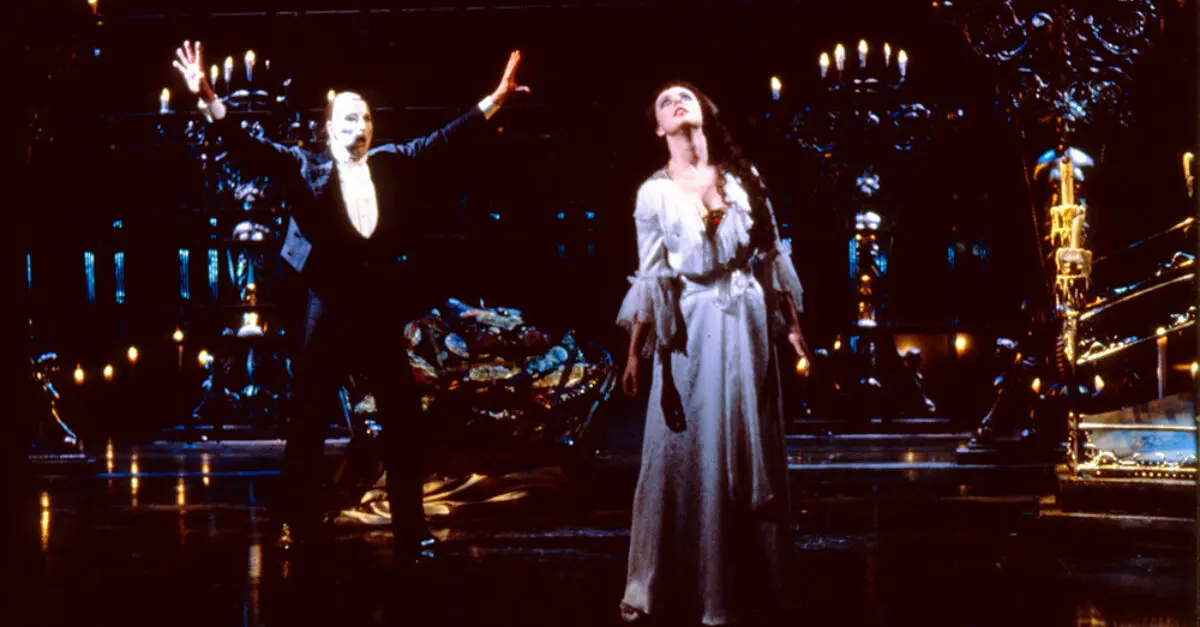
At the absolute zenith of this hierarchy sits Andrew Lloyd Webber’s The Phantom of the Opera, boasting an untouchable 13,981 performances during its historic original run at the Majestic Theatre. Yet, the landscape is far from static. Active juggernauts such as Chicago (the legendary 1996 revival), Disney’s The Lion King, Wicked, The Book of Mormon, Aladdin, Hamilton, Hadestown, Six: The Musical, MJ The Musical, & Juliet, and Harry Potter and the Cursed Child continue to push the boundaries of endurance, actively rewriting history night after night.
This comprehensive report examines the structural anatomy of Broadway’s longest-running productions, analyzing the historical context, metrics, operational strategies, and future trajectory of the shows that have successfully conquered the New York stage.
Detailed Chronology and Performance Metrics
To understand the scope of Broadway longevity, one must trace the chronological milestones of the productions that have shaped the medium. The following comprehensive index encompasses all Broadway shows that have crossed the 1,000-performance threshold as of August 2026. Unless otherwise noted, totals reflect original Broadway runs, exclude preview performances, and denote active productions with an asterisk (*):
- The Phantom of the Opera – 13,981 performances
- * Chicago (1996 Revival) – 11,744 performances
- * The Lion King – 11,370 performances
- * Wicked – 8,907 performances
- Cats – 7,485 performances
- Les Misérables – 6,680 performances
- A Chorus Line – 6,137 performances
- Oh! Calcutta! (1976 Revival) – 5,959 performances
- Mamma Mia! – 5,758 performances
- * The Book of Mormon – 5,731 performances
- Beauty and the Beast – 5,461 performances
- Rent – 5,123 performances
- Jersey Boys – 4,642 performances
- * Aladdin – 4,533 performances
- Miss Saigon – 4,092 performances
- * Hamilton – 3,973 performances
- 42nd Street – 3,486 performances
- Grease – 3,388 performances
- Fiddler on the Roof – 3,242 performances
- Life with Father – 3,224 performances
- Tobacco Road – 3,182 performances
- Hello, Dolly! – 2,844 performances
- * Harry Potter and the Cursed Child – 2,740 performances
- My Fair Lady – 2,717 performances
- Hairspray – 2,642 performances
- Mary Poppins – 2,619 performances
- Avenue Q – 2,534 performances
- Kinky Boots – 2,507 performances
- The Producers – 2,502 performances
- * Hadestown – 2,444 performances
- Beautiful: The Carole King Musical – 2,416 performances
- Cabaret (1998 Revival) – 2,377 performances
- Annie – 2,377 performances
- Man of La Mancha – 2,328 performances
- Rock of Ages – 2,328 performances
- Abie’s Irish Rose – 2,327 performances
- * Moulin Rouge! The Musical – 2,297 performances
- Oklahoma! – 2,212 performances
- Smokey Joe’s Cafe – 2,036 performances
- * Six: The Musical – 2,033 performances
- Pippin – 1,944 performances
- South Pacific – 1,925 performances
- The Magic Show – 1,920 performances
- * MJ The Musical – 1,909 performances
- Aida – 1,852 performances
- Gemini – 1,819 performances
- Deathtrap – 1,793 performances
- Harvey – 1,775 performances
- Dancin’ – 1,774 performances
- La Cage aux Folles – 1,761 performances
- Hair – 1,750 performances
- The Wiz – 1,672 performances
- Dear Evan Hansen – 1,672 performances
- Come From Away – 1,669 performances
- Born Yesterday – 1,642 performances
- Crazy For You – 1,622 performances
- Ain’t Misbehavin’ – 1,604 performances
- The Best Little Whorehouse in Texas – 1,584 performances
- * & Juliet – 1,579 performances
- Monty Python’s Spamalot – 1,575 performances
- Mary, Mary – 1,572 performances
- Evita – 1,567 performances
- The Voice of the Turtle – 1,557 performances
- Matilda The Musical – 1,554 performances
- Waitress – 1,544 performances
- Jekyll & Hyde – 1,543 performances
- Barefoot in the Park – 1,532 performances
- 42nd Street (2001 Revival) – 1,524 performances
- Dreamgirls – 1,521 performances
- Mame – 1,508 performances
- Grease (1994 Revival) – 1,505 performances
- Same Time, Next Year – 1,453 performances
- Arsenic and Old Lace – 1,444 performances
- The Sound of Music – 1,443 performances
- Me and My Girl – 1,420 performances
- How to Succeed in Business Without Really Trying – 1,417 performances
- Hellzapoppin – 1,404 performances
- The Music Man – 1,375 performances
- Funny Girl – 1,348 performances
- Mummenschanz – 1,326 performances
- Oh! Calcutta! – 1,316 performances
- Billy Elliot: The Musical – 1,312 performances
- School of Rock – The Musical – 1,309 performances
- Movin’ Out – 1,303 performances
- Brighton Beach Memoirs – 1,299 performances
- Angel Street – 1,295 performances
- Lightnin’ – 1,291 performances
- Promises, Promises – 1,281 performances
- The King and I – 1,246 performances
- Cactus Flower – 1,234 performances
- Sleuth – 1,222 performances
- Torch Song Trilogy – 1,222 performances
- 1776 – 1,217 performances
- Equus – 1,209 performances
- Sugar Babies – 1,208 performances
- Guys and Dolls – 1,200 performances
- In the Heights – 1,185 performances
- Amadeus – 1,181 performances
- Once – 1,168 performances
- Memphis – 1,166 performances
- Cabaret – 1,165 performances
- Mister Roberts – 1,157 performances
- Annie Get Your Gun – 1,147 performances
- Guys and Dolls (1992 Revival) – 1,143 performances
- The Seven Year Itch – 1,141 performances
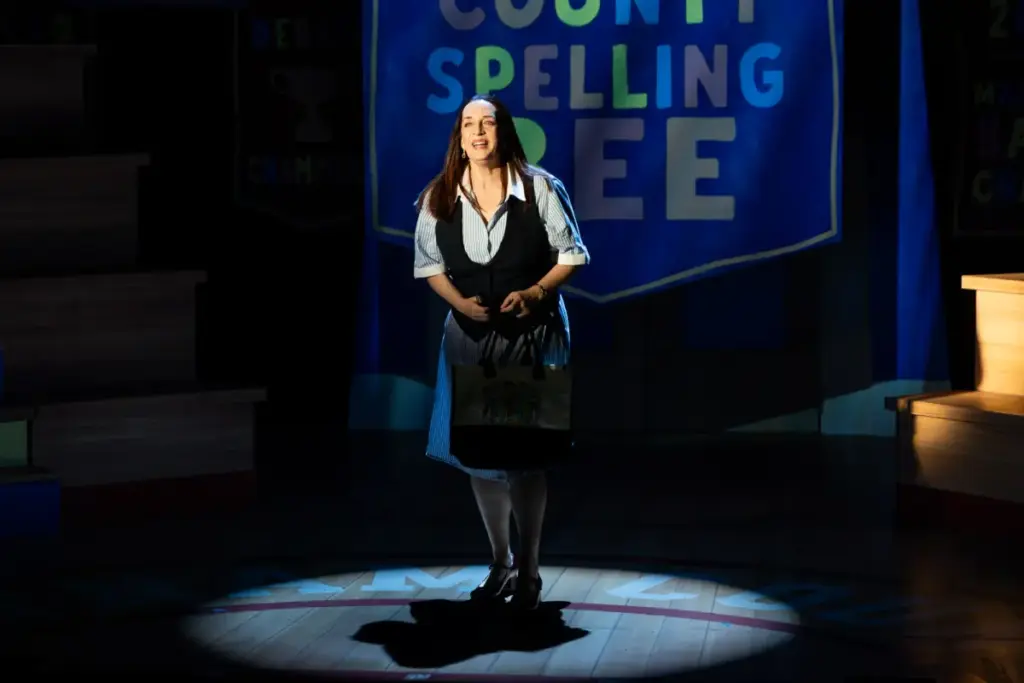
- The 25th Annual Putnam County Spelling Bee – 1,136 performances
- Bring in ’da Noise, Bring in ’da Funk – 1,135 performances
- Butterflies Are Free – 1,128 performances
- Pins and Needles – 1,108 performances
- Plaza Suite – 1,097 performances
- Fosse – 1,093 performances
- They’re Playing Our Song – 1,082 performances
- Kiss Me, Kate – 1,077 performances
- Spider-Man Turn Off the Dark – 1,066 performances
- Don’t Bother Me, I Can’t Cope – 1,065 performances
- The Pajama Game – 1,063 performances
- Shenandoah – 1,050 performances
- Annie Get Your Gun (1999 Revival) – 1,045 performances
- The Teahouse of the August Moon – 1,027 performances
- Les Misérables (2014 Revival) – 1,024 performances
- Damn Yankees – 1,019 performances
- Grand Hotel – 1,017 performances
- Contact – 1,010 performances
- Never Too Late – 1,007 performances
- Beatlemania – 1,000+ performances (1,006)
- Big River – 1,005 performances
- Newsies – 1,004 performances
Supporting Context & Metrics: The Anatomy of a Long Run
Achieving longevity on Broadway requires much more than critical acclaim; it demands an intricate alignment of economic, logistical, and sociological factors. Industry analysts tracking The Broadway League metrics emphasize several core pillars that dictate whether a show becomes a transient attraction or a generational institution.
1. The Tourism Engine and Repeatability
The lifeblood of a long-running Broadway show is domestic and international tourism. Productions that cross the 5,000-performance threshold—such as The Lion King, Wicked, and Chicago—function as cultural landmarks. Much like visiting the Empire State Building or the Metropolitan Museum of Art, attending these flagship productions is integrated into the itinerary of travelers visiting New York City. Furthermore, "repeatability" is essential. Shows featuring family-friendly narratives, accessible musical scores, and high visual spectacle draw audiences back across multiple generations.
2. The Mechanics of Revivals
While original productions dominate the upper echelons of the list, theatrical revivals occupy a vital space in longevity tracking. The paradigm example is the 1996 revival of Chicago, which has surpassed 11,744 performances to become the second-longest-running show in Broadway history. Unlike traditional stagings that rely on massive, intricate set changes, Chicago’s minimalist concert-style staging has allowed it to adapt fluidly to cast changes, economic shifts, and changing theater spaces, proving that conceptual ingenuity can outlast physical spectacle.
3. Financial Sustainability and Operating Costs
As weekly operating costs for Broadway houses escalate due to inflation, labor agreements, and union requirements, long-running shows face stringent financial pressures. A production must maintain a consistent capacity percentage—typically above 75% to 80%—to break even after capitalizing its initial investment. Shows that secure long-term resident status benefit from reduced marketing costs over time, as brand recognition largely replaces active promotional campaigns.
Official Statements and Industry Insights
Reflecting on the psychological and cultural weight of these milestones, theater historians and institutional leaders frequently note the rare nature of theatrical endurance.
Charlotte St. Martin, former President of The Broadway League, has frequently highlighted the profound economic impact these anchors bring to New York City. "When a show runs for thousands of performances, it is not merely an artistic triumph; it is an economic engine that supports hundreds of backstage workers, musicians, actors, front-of-house staff, and local hospitality businesses," St. Martin noted in previous organizational assessments. "Shows that cross these milestones define epochs in American entertainment."
Producers of long-running active titles often point to the rigorous discipline required to maintain artistic integrity over years of performance. Keeping a show fresh after thousands of iterations requires meticulous understudy integration, regular performance oversight, and an ensemble culture that prevents complacency. As casting directors for long-standing titans like The Lion King and Wicked frequently observe, the challenge is maintaining the illusion that every performance is opening night for an audience experiencing the story for the very first time.
Future Outlook: The Next Generation of Marathoners
As the theatrical landscape evolves through the mid-2020s and beyond, the criteria for longevity are shifting. Contemporary audiences increasingly gravitate toward dynamic, culturally resonant storytelling that leverages digital connectivity and diverse creative voices.
Several recent additions to the 1,000-performance club are well-positioned to climb higher into the record books. Hamilton, which transformed the American musical lexicon, sits comfortably near the 4,000-performance mark and continues to command international fascination. Meanwhile, contemporary pop-culture powerhouses like Hadestown, Six: The Musical, MJ The Musical, and & Juliet demonstrate robust staying power, proving that the appetite for innovative theatrical forms remains undiminished.
Looking ahead, the primary threats to future longevity records are not necessarily a lack of audience interest, but rather the rising costs of real estate in the Theater District and the fierce competition for Broadway’s limited physical playhouses. Producers aiming for long runs must navigate complex scheduling dynamics, shifting tourism patterns, and the ever-present demand for fresh theatrical real estate.
Nevertheless, the enduring appeal of the stage ensures that new contenders will continue to emerge. Whether through ground-breaking revivals, cinematic adaptations, or completely original masterworks, the pursuit of the 1,000-performance milestone—and the hallowed ground occupied by titans like The Phantom of the Opera and The Lion King—remains the ultimate benchmark of theatrical immortality on Broadway.