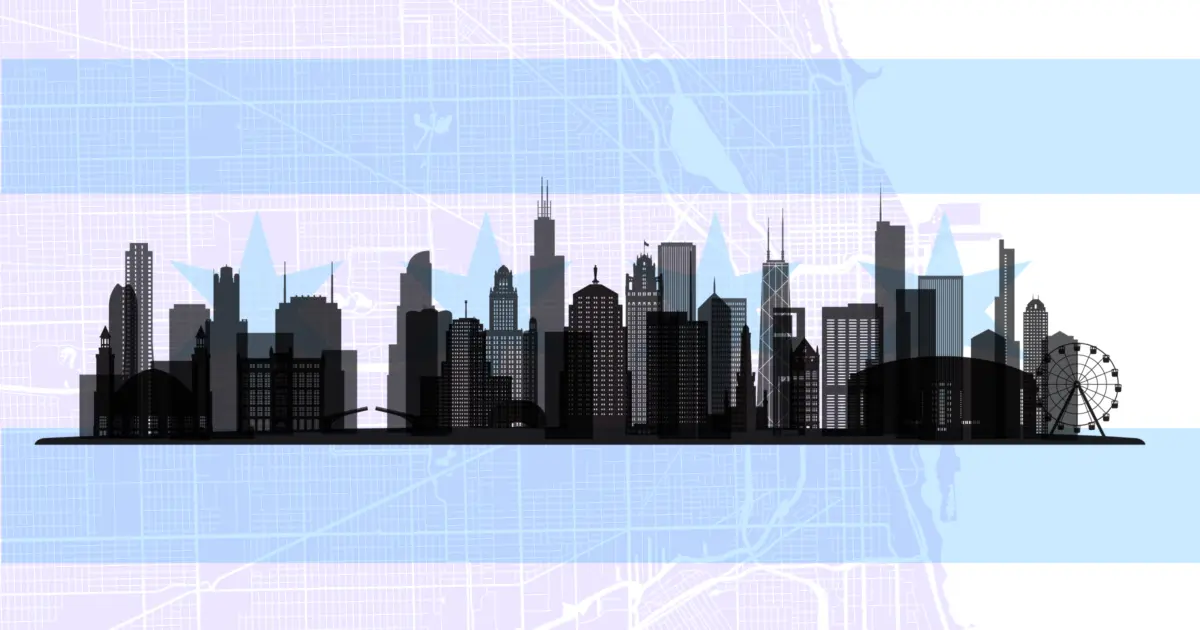

CHICAGO — As the lazy days of August slowly give way to the impending flurry of a new academic calendar, music educators, professional instrumentalists, and industry leaders are already turning their attention toward the horizon of the winter season. For nearly a century, December has meant one thing above all else to the global band and orchestra community: a pilgrimage to the Windy City for the world’s most prestigious gathering of music professionals.
The stage is officially set for the milestone 80th Annual Midwest International Band, Orchestra and Music Conference, scheduled to take place from December 16–18, 2026. Transforming downtown Chicago into a living, breathing conservatory of wind and string literature, this year’s convention promises to shatter previous attendance records as nearly 20,000 musicians, conductors, composers, and publishers converge on the shores of Lake Michigan.
Drawing upon decades of collective institutional memory navigating Chicago’s sub-zero December climate, deep-dish pizzerias, and sprawling convention halls, the seasoned team at MakeMusic has curated an authoritative, comprehensive blueprint. Designed for both first-time attendees and veteran convention-goers, this guide breaks down precisely how to maximize every single minute of the upcoming four-day conference.
Executive Overview: The Scale and Significance of the 2026 Midwest Clinic
To understand the magnitude of the Midwest Clinic, one must first look at the sheer scale of the operation. Founded in 1946 in a modest hotel room, the conference has evolved into the largest international instrumental music education conference on earth. It serves as a vital nexus where pedagogy meets performance, bridging the gap between foundational classroom teaching and world-class artistic execution.
The 2026 milestone carries added emotional and cultural weight. Marking eight decades of continuous operation, this year’s installment will reflect on the historical evolution of school music programs while aggressively charting a course forward into an era dominated by digital music notation, advanced hybrid rehearsal tools, and rapidly shifting scholastic funding models.
Yet, for all its prestige, navigating an event featuring hundreds of clinics, legendary guest performance ensembles, and an exhibit hall spanning multiple football fields of floor space can quickly overwhelm even the most meticulously organized educator. Success at the Midwest Clinic is rarely accidental; it is the product of early logistics planning, strategic scheduling, and an acute understanding of how to pace oneself amidst the sensory overload of downtown Chicago.
Detailed Chronology: Phase-by-Phase Preparation Timeline
A successful Midwest Clinic experience is constructed in distinct chronological phases. To ensure a seamless trip, attendees are encouraged to map their preparation across a structured timeline rather than scrambling during the frantic weeks of late November.
Phase 1: August to September — Securing Foundations
While December feels a world away, the window for locking down optimal accommodations at reasonable rates is closing rapidly. Chicago during the holiday season is a premier tourist destination, and when nearly 20,000 musicians flood the loop, centrally located hotels near the convention headquarters experience severe inventory bottlenecks and surging rates.
- Lodging & Logistics: Finalize hotel reservations immediately. Booking early grants peace of mind and shields your personal or school budget from last-minute spikes.
- Budget Allocations: Secure institutional travel approvals, purchase advance registration badges, and outline your financial parameters for professional development stipends.
Phase 2: October to November — Crafting the Itinerary
The official Midwest Clinic organizing committee has already released the comprehensive schedule of events on their official web portal.
- Session Mapping: Cross-reference the clinic slate with your professional growth goals. Whether you are looking to refine jazz rhythm section pedagogy, implement modern string techniques, or integrate music technology into Title I classrooms, prioritize your sessions now.
- Performance Selections: Review the roster of performing organizations. Note which middle school, high school, university, and military bands or orchestras you intend to hear.
- The Clinician Lineup: Anticipation is already mounting around premier industry clinicians such as Brian Balmages, Bob Phillips, and Chris Bernotas, whose sessions traditionally draw standing-room-only crowds. Make sure these are bolded in your preliminary itineraries.
Phase 3: Early December — Digital Integration and Final Packing
- App Deployment: Download the official Midwest Clinic mobile application the moment it goes live on app stores. This dynamic tool allows you to sync your schedule, receive real-time room change notifications, and navigate the sprawling exhibit spaces digitally.
- Wardrobe Strategy: Pack for Chicago winter weather. This means serious outerwear, thermal layers, comfortable walking shoes (you will easily log 15,000+ steps a day), and water-resistant boots.
Supporting Context & Metrics: Navigating the Exhibit Hall and Beyond
The beating economic and technological heart of the Midwest Clinic is its massive Exhibit Hall. For music educators, this space represents a rare, concentrated opportunity to interact directly with the entities that drive the industry forward.
+-----------------------------------------------------------------+
|              EXHIBIT HALL STRATEGIC NAVIGATION MATRIX           |
+-----------------------+-----------------------------------------+
| Target Sector         | Primary Objective                       |
+-----------------------+-----------------------------------------+
| Music Publishers      | Secure score inspection copies; review  |
|                       | newly released repertoire for Spring.   |
+-----------------------+-----------------------------------------+
| Software Developers   | Test-drive cloud notation, assessment   |
|                       | tools, and digital learning platforms.  |
+-----------------------+-----------------------------------------+
| Instrument Dealers    | Evaluate flagship brass, woodwind, and  |
|                       | string inventories; discuss school bids.|
+-----------------------+-----------------------------------------+
The MakeMusic Experience: Booth 1139
Among the fixtures of the exhibit floor is MakeMusic. Positioned prominently at Booth 1139, the MakeMusic team invites all convention attendees to experience exclusive show discounts, interactive software demonstrations, and daily giveaways.
Recognizing the logistical nightmare of hauling heavy or bulky pedagogical materials back home on flights or buses, MakeMusic has implemented a friction-free convention policy: Shop your show discounts directly inside Booth 1139, and have your purchases shipped straight to your home or school address. This innovation liberates educators from baggage-weight anxiety, allowing them to focus entirely on the educational offerings around them.
Leveraging University Alumni Networks
Beyond commercial publishers and hardware dealers, the exhibit floor serves as an informal national reunion for higher education institutions. Many colleges, universities, and conservatories maintain active presences on the convention floor.
- Beyond Recruitment: While prospective undergraduate and graduate students use these booths for admissions inquiries, seasoned alumni should treat them as professional networking hubs.
- After-Hours Engagement: Inquire at your alma mater’s booth regarding off-site alumni happy hours, private receptions, and university-hosted breakfasts. These gatherings are invaluable for reconnecting with old colleagues, forging new mentorship pathways, and embedding yourself deeper into the national instrumental music education fraternity.
Official Insights & Expert Perspectives
To glean the absolute maximum value from the Midwest Clinic, veteran attendees emphasize the critical balance between intellectual stimulation and physical preservation.
"The first time I attended the Midwest Clinic, I completely underestimated the sheer physical toll of the environment," notes a veteran music educator and long-time conference attendee. "You are running from session to session, absorbing revolutionary ideas on conducting technique, testing instruments, and trying to catch up with colleagues you haven’t seen in a year. If you don’t pace yourself by day two, you burn out."
Industry experts consistently advocate for "real-time course correction." The conference schedule is dense, featuring overlapping masterclasses, reading sessions, and panel discussions. Attendees should grant themselves permission to pivot. If a scheduled clinic is standing-room-only and you are suffering from fatigue, opting to slip into the exhibit hall or take a restorative break is often a far better professional choice than fighting exhaustion.
Furthermore, educators are reminded to step outside the convention center bubble to experience the cultural fabric of Chicago itself.
- The Christkindlmarket: An annual tradition for many conference-goers, downtown Chicago’s authentic German-style outdoor market offers hand-crafted holiday trinkets, artisanal foods, and a much-needed breath of crisp winter air.
- Symphonic Interludes: For those extending their stay past the final gavel of the conference, checking out the current touring productions via Broadway in Chicago or catching a breathtaking evening performance by the world-renowned Chicago Symphony Orchestra at Symphony Center provides an artistic benchmark that recharges any musician’s creative battery.
Future Outlook: The Evolution of Music Pedagogy in the Next Decade
As the Midwest Clinic marks its historic 80th anniversary, the conversations echoing through the convention halls carry profound implications for the next decade of music education.
The integration of artificial intelligence in music notation, the expansion of remote and hybrid rehearsal methodologies, and the continuous struggle for equitable funding in school arts programs will take center stage in panel discussions and formal seminars. The data gathered from vendor interactions, publisher showcases, and peer-to-peer networking at the 2026 conference will directly influence curriculum design across American middle schools, high schools, and universities heading toward 2035.
By preparing early, mapping out a targeted itinerary, engaging deeply with technological innovators at spaces like Booth 1139, and balancing professional ambition with personal wellness, attendees of the 80th Midwest Clinic will position themselves at the vanguard of this evolution.
For continuous updates regarding performing groups, housing blocks, and registration details, consult the official portal of the International Band, Orchestra and Music Conference at midwestclinic.org.