
Executive Overview
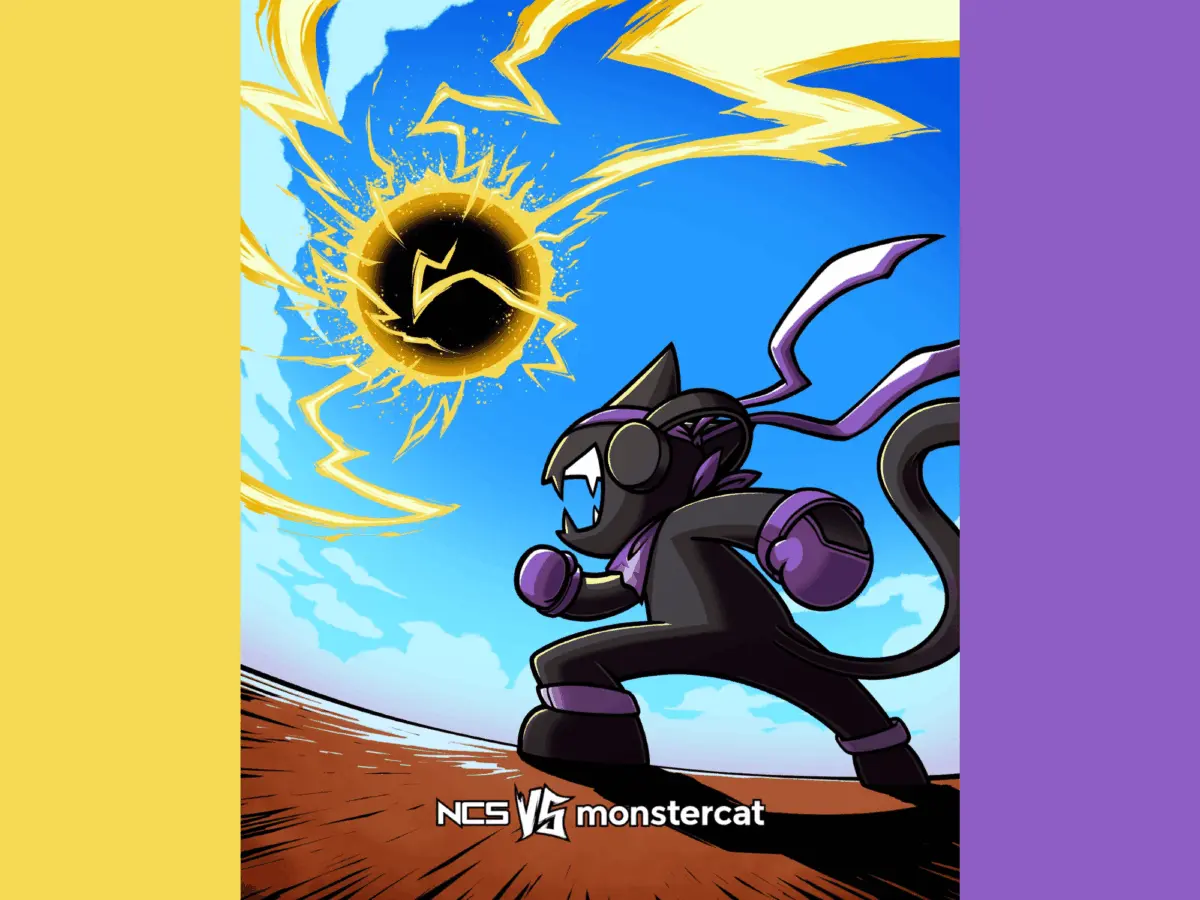
In the rapidly evolving ecosystem of independent electronic dance music, longevity is a rare and hard-fought achievement. Two of the genre’s most influential digital-first pioneers, NCS (NoCopyrightSounds) and Monstercat, are marking their momentous 15th anniversaries in 2026. Rather than opting for standard retrospective playlists or quiet corporate milestones, these two powerhouses have chosen a radically collaborative yet playfully combative path: a six-week, community-driven "friendly rivalry" marketing campaign designed to pit their rosters against one another in a battle for digital supremacy.
This unique face-off, which kicked off on August 12, 2026, features a series of themed head-to-head track releases. Fans across the globe are tasked with voting to crown a weekly winner, bridging a long-standing, community-fueled rivalry that has simmered beneath the surface of the internet music scene for over a decade.
Beyond the marketing brilliance of the campaign lies a profound testament to how both labels fundamentally transformed the relationship between independent music, gaming culture, and content creators. Long before sync licensing and creator-economy monetization became mainstream industry buzzwords, NCS and Monstercat built empires on openness, accessibility, and community integration.
Yet, as they celebrate this milestone, both companies navigate a complex current landscape. Monstercat operates under the corporate umbrella of Create Music Group following its high-profile May 2025 acquisition, while NCS continues to defend its intellectual property and corporate sovereignty through high-stakes litigation in the UK High Court. This comprehensive deep-dive explores the origins, cultural impact, monumental metrics, leadership perspectives, and future trajectories of two labels that helped define the sound of the internet generation.
Detailed Chronology: From Garage Projects to Global Powerhouses
The 2011 Genesis: A New Paradigm for Electronic Music
To understand the significance of the 2026 anniversary, one must journey back to 2011—a watershed year for digital media and electronic music. YouTube was rapidly ascending as a cultural touchstone, Twitch (then Justin.tv’s gaming offshoot) was in its infancy, and independent creators were starving for high-quality, copyright-compliant music to soundtrack their gameplay videos, vlogs, and streams.
In this environment, both NCS and Monstercat emerged with distinct, disruptive visions:
- Monstercat was founded in Canada by Mike Darlington and Ari Paunonen in July 2011. Frustrated by the rigid gatekeeping of traditional electronic music labels, they envisioned a collective model that treated tracks like singles, promoted artists collaboratively, and embraced the nascent digital creator economy. Monstercat pioneered the album-compilation model and established early, deep ties with the gaming community—most notably through strategic partnerships with titles like Rocket League and Roblox.
- NCS was launched in the UK in 2011 by Billy Woodford as a YouTube curation channel that provided free-to-use music for content creators under Creative Commons frameworks. It quickly evolved from a digital curation hub into a fully fledged record label, championing the "no copyright" (or copyright-free/creator-safe) business model. By allowing YouTubers and streamers to use their catalog without fear of copyright strikes—provided they credited the artists—NCS tapped into an unprecedented viral growth loop.
The Rise of the Creator Economy (2012–2020)
Throughout the 2010s, both labels scaled alongside the explosive growth of YouTube and Twitch. While major record labels viewed unauthorized use of music on digital platforms as piracy to be aggressively litigated or flagged, NCS and Monstercat treated digital platforms as marketing funnels and discovery engines.
Monstercat built a fiercely loyal community around its distinct brand identity, characterized by its iconic Monstercat mascot and color-coded genre branding (orange for electro, blue for drum & bass, green for glitch hop, etc.). The label expanded globally, opening offices in Los Angeles and Tokyo, launching its own 24/7 Twitch radio channels, and curating massive stages at international festivals like Tomorrowland and ADE.
Simultaneously, NCS became a juggernaut of scale. Tracks like Alan Walker’s "Fade" (which launched via NCS before becoming a global multi-platinum phenomenon as "Faded") demonstrated the label’s uncanny ability to unearth and amplify raw electronic talent. NCS tracks soundtracked billions of gaming montages, let’s-plays, and tech tutorials, cementing the label’s music as the unofficial soundtrack of the 2010s internet experience.
Maturation and Corporate Evolution (2021–Present)
Entering the 2020s, both labels faced the challenges of maturity in a streaming-dominated economy. The lines between copyright-free music and traditional monetized streaming began to blur, requiring sophisticated rights-management frameworks and direct-to-creator licensing platforms (such as Monstercat Gold).
In May 2025, a major structural shift occurred when Create Music Group acquired Monstercat, integrating the independent giant into Create’s expansive digital rights and distribution network. This acquisition provided Monstercat with deeper financial backing and technological infrastructure to expand its roster and global reach.
Meanwhile, NCS has remained proudly independent, though not without its legal battles. In recent years, NCS has found itself embroiled in complex litigation—most notably a high-profile intellectual property and partnership dispute in the UK High Court against former partners AEI Music and Featherstone Music, demonstrating the high-stakes reality of protecting a pioneering digital catalog.
Supporting Context & Metrics: By the Numbers
The 15th-anniversary "friendly rivalry" campaign is underpinned by staggering statistics that highlight the sheer cultural footprint of both labels. In an era where listener attention is heavily fractured, the cumulative reach of NCS and Monstercat places them on par with major label conglomerates.
| Metric / Milestone | NCS (NoCopyrightSounds) | Monstercat |
|---|---|---|
| Founding Year | 2011 | 2011 |
| Lifetime / Monthly Reach | 12+ Billion lifetime YouTube views | 200 Million monthly audio streams |
| Core Business Model | Creator-safe / Copyright-free music ecosystem | Multi-genre label, sync partnerships, and creator subscriptions |
| Primary Digital Hubs | YouTube, TikTok, Gaming Ecosystems | Spotify, Apple Music, Twitch, Gaming Integrations |
| Key Corporate Status | Independent operation; active IP litigation | Acquired by Create Music Group (May 2025) |
The Mechanics of the 2026 Anniversary Campaign
Launched on August 12, 2026, the six-week campaign is structured as an interactive digital tournament. Key elements include:
- Weekly Themed Showdowns: Every week, NCS and Monstercat release competing tracks centered around specific electronic sub-genres or thematic moods (e.g., bass house, melodic dubstep, cyber-punk techno).
- Community Voting: Fans cast votes across Instagram Reels, TikTok, and YouTube Community tabs.
- Cross-Pollination: Artists from both stables have engaged in playful banter across social media, driving massive engagement and cross-fanbase discovery.
Industry analysts note that this campaign is a masterclass in modern music marketing. By reframing a competitive business landscape as a sports-style rivalry, both labels have weaponized nostalgia while introducing their massive catalogs to a new generation of Gen-Z and Gen-Alpha content creators.
Official Statements & Industry Perspectives
The partnership and rivalry have elicited warm, reflective commentary from the leadership teams steering both organizations through this milestone year.
Orri Sachar, Vice President of Monstercat, highlighted the surreal nature of the collaboration, remarking:
"This partnership feels so unexpected it’s almost taboo, like the kind of fan fiction crossover that would never actually happen."
Sachar’s sentiment resonates deeply within a music industry historically defined by cutthroat competition and territorial exclusivity. By leaning into the absurdity and excitement of a crossover, Monstercat has reinforced its reputation as a culturally agile brand willing to break industry norms.
Echoing this perspective, Charlotte Lee, General Manager of NCS, emphasized that the rivalry is fundamentally a creation of the audience:
"The rivalry was never something we created — it was built by the community, fuelled by incredible artists, unforgettable records, and millions of fans championing the label they loved."
Lee’s observation strikes at the heart of both labels’ success: neither NCS nor Monstercat achieved their scale through traditional top-down radio promotion or major-label playlist payola. Instead, their growth was organic, decentralized, and co-created by millions of gamers, video editors, and independent streamers who adopted the music as their own.
Future Outlook: The Next 15 Years of Independent Electronic Music
As NCS and Monstercat celebrate their crystal anniversaries, the digital media landscape looks vastly different from the one they entered in 2011. Artificial intelligence-generated music, shifting social media algorithms, and the fragmentation of the creator economy present both unprecedented opportunities and existential challenges.
However, the 2026 anniversary campaign demonstrates that both labels possess a vital asset: authentic community equity.
Strategic Imperatives for the Future:
- Navigating the AI Era: As generative AI tools flood platforms with synthetic background music, human-curated, artist-driven independent labels like NCS and Monstercat must lean harder into brand identity, artist storytelling, and community loyalty—areas where algorithms cannot compete.
- Deepening Gaming and Immersive Integration: With the metaverse, interactive gaming worlds (such as Fortnite and Roblox), and live-streaming continuing to dominate youth culture, both labels are exceptionally positioned to remain the premier sonic architects of virtual spaces.
- Corporate Synergy vs. Independence: While Monstercat leverages the muscle of Create Music Group to scale its commercial operations, NCS doubles down on its agile, independent identity. Both models will provide fascinating case studies on how independent dance music can thrive in an increasingly consolidated music industry.
Conclusion
Fifteen years after uploading their first tracks to a nascent internet, NCS and Monstercat have proven that independent vision, when aligned with the needs of digital creators, can rival the might of traditional major labels. Their 2026 "friendly rivalry" is not merely a marketing gimmick; it is a celebration of a shared musical epoch—a reminder of the tracks that powered a decade of gaming, the communities that built two distinct empires, and the enduring power of electronic music to unite the digital world.