
Executive Overview
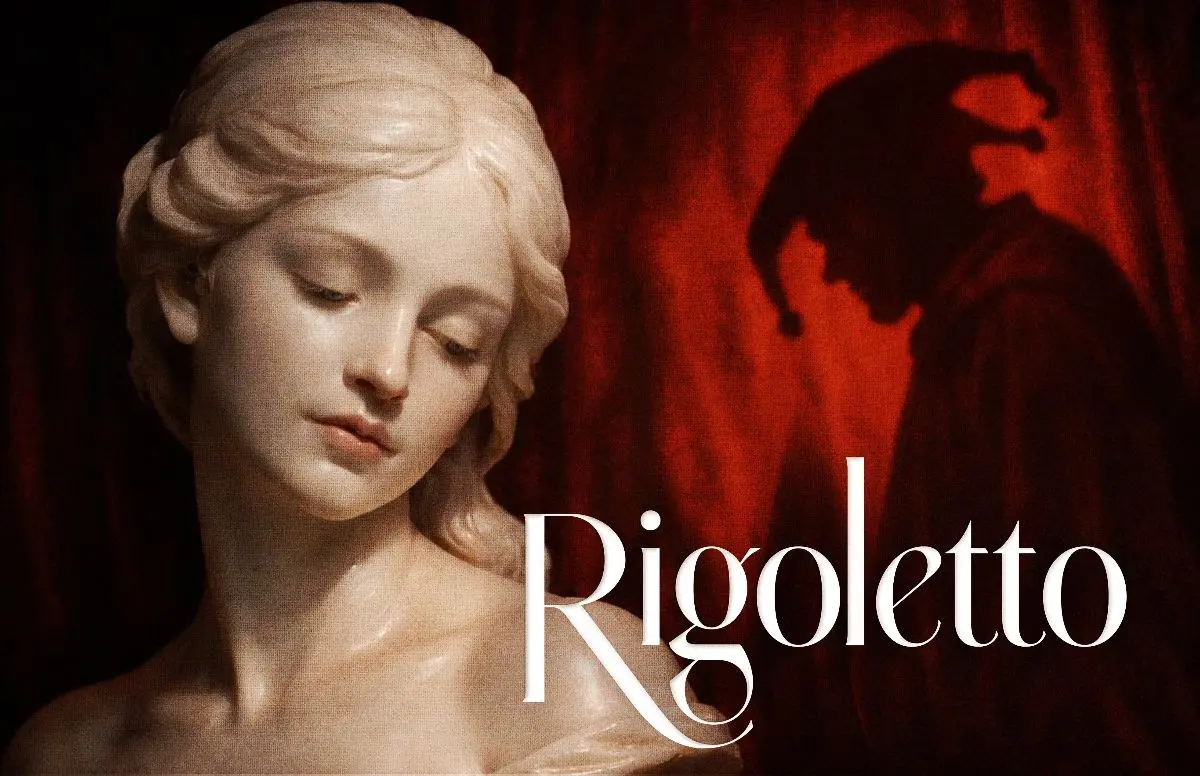
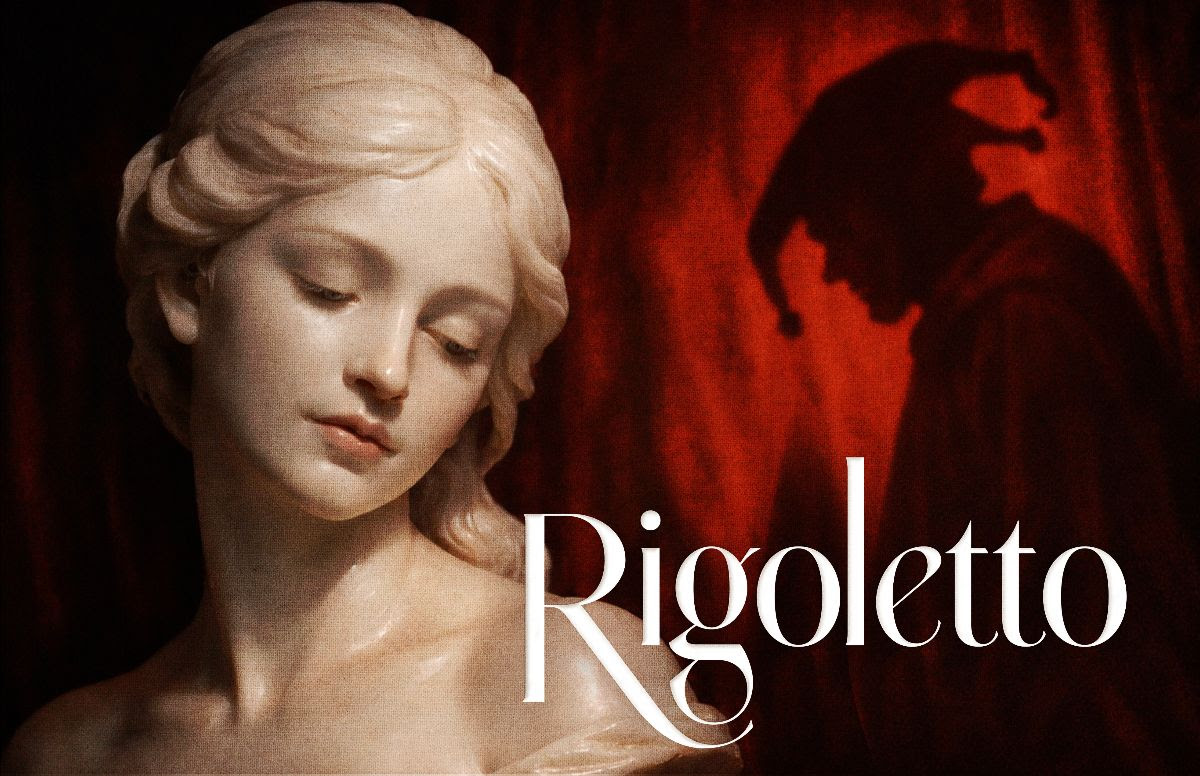
The San Diego Opera has officially announced a major theatrical highlight for its upcoming seasons, confirming that Giuseppe Verdi’s timeless masterpiece Rigoletto will be staged for a three-performance run from October 23 to October 25, 2026. Set against the architectural backdrop of the San Diego Civic Theatre, this anticipated production promises to combine grand-scale theatricality with deep, psychological intimacy.
To bring this towering pillar of the Italian repertoire to life, the company has assembled an international roster of world-class vocalists, visionary creative leadership, and instrumental brilliance. Acclaimed baritone Michael Chioldi—hailed globally for his harrowing and nuanced interpretations of the tormented jester—will step into the title role. He will be joined by a powerhouse cast featuring Madison Leonard as the tragic Gilda, Jose Simerilla Romero as the predatory Duke of Mantua, Peixin Chen as the chilling assassin Sparafucile, Craig Colclough as the vengeful Count Monterone, and Guadalupe Paz as Maddalena.
Musically, the production will be anchored by the renowned maestro Yves Abel, who will lead the exceptional musicians of the San Diego Symphony Orchestra. On the directorial front, Christopher Mattaliano returns to helm the staging, utilizing Robert Dahlstrom’s striking, critically praised scenic designs originally showcased during the company’s acclaimed 2019 season.
This comprehensive preview explores the artistic dimensions of the upcoming 2026 production, delves into the rich historical context of Verdi’s melodic and dramatic triumph, examines the creative vision articulated by director Christopher Mattaliano, and highlights the logistical and cultural significance of this operatic event within the broader landscape of American regional theater.
Detailed Chronology and Production Framework
The 2026 Performance Schedule
The San Diego Opera has structured the engagement of Rigoletto as a concentrated, high-impact weekend run at the San Diego Civic Theatre, a premier cultural venue known for its exceptional acoustics and grand proscenium arch. Performances are scheduled as follows:
- Opening Night: Friday, October 23, 2026
- Mid-Run Performance: Saturday, October 24, 2026
- Closing Matinee/Evening: Sunday, October 25, 2026
This tightly curated schedule is designed to maximize audience engagement, drawing regional opera enthusiasts, cultural tourists from across the Southwestern United States, and dedicated aficionados of the Italian Romantic canon.
A Visual and Architectural Legacy: Robert Dahlstrom’s Designs
A defining pillar of this upcoming production is the return of Robert Dahlstrom’s evocative scenic design. First unveiled to critical acclaim during the San Diego Opera’s 2019 season, Dahlstrom’s visual framework strikes a delicate balance between Renaissance grandeur and oppressive architectural enclosure.
In Rigoletto, setting is not merely a backdrop; it is an active participant in the narrative. The opulent, morally decadent halls of the Duke of Mantua’s palace must sharply contrast with the shadowed, claustrophobic alleyways where the curse of the jester finds its bloody fulfillment. Dahlstrom’s design utilizes shifting perspectives, imposing verticalities, and stark lighting dynamics to mirror the psychological imprisonment of the characters. By bringing back this celebrated physical production, the San Diego Opera ensures a high degree of visual continuity while offering a fresh canvas for the incoming cast and director to reinvent the blocking, micro-interactions, and dramatic tension.
Cast and Creative Team: World-Class Talent on the West Coast
Michael Chioldi as Rigoletto
At the beating heart of the production is baritone Michael Chioldi, whose mastery of the title role has earned him universal acclaim across the globe. Chioldi has made the complex, psychologically fractured character of Rigoletto a signature vehicle of his illustrious career, commanding stages at the Metropolitan Opera, the Santa Fe Opera, and the Irish National Opera.
Chioldi’s vocal instrument possesses the heft, dark coloring, and razor-sharp dramatic inflection required to navigate Verdi’s punishing vocal writing. Yet, what truly sets his interpretation apart is his ability to balance the character’s dual nature: the venomous, biting court jester who mocks the pain of others, and the fiercely tender, terrified father whose entire existence is anchored to the safety of his daughter, Gilda. His performance is expected to be a masterclass in vocal acting, anchoring the emotional architecture of the entire opera.
Supporting Cast Excellence
Surrounding Chioldi is a constellation of rising stars and established vocal powerhouses:
- Madison Leonard as Gilda: Taking on the role of the innocent, love-struck daughter is soprano Madison Leonard. Celebrated for her crystalline high notes, agile coloratura, and profound dramatic vulnerability, Leonard is uniquely equipped to capture Gilda’s transition from sheltered naive youth to self-sacrificing martyr. Her delivery of the iconic aria "Caro nome" is anticipated to be one of the musical high points of the engagement.
- Jose Simerilla Romero as the Duke of Mantua: Tenor Jose Simerilla Romero steps into the velvet-lined boots of the charming, sociopathic Duke. Boasting a brilliant, soaring upper register and a commanding stage presence, Romero will effortlessly navigate the arrogant charm and moral corruption of a ruler who views women as disposable commodities. His rendition of "La donna è mobile" will undoubtedly captivate and provoke the audience in equal measure.
- Peixin Chen as Sparafucile: Bass Peixin Chen brings his resonant, cavernous low notes and chillingly understated stage presence to the role of the professional assassin. Chen’s portrayal promises to emphasize the transactional, cold-blooded nature of evil that permeates the shadowy fringes of Mantua society.
- Craig Colclough as Count Monterone: Bass-baritone Craig Colclough embodies the righteous fury of Monterone, the grieving father whose public curse shatters the psychological armor of Rigoletto in the opening scene. Colclough’s booming projection and searing theatrical intensity will set the dramatic stakes sky-high right from the outset.
- Guadalupe Paz as Maddalena: Mezzo-soprano Guadalupe Paz rounds out the principal cast as Sparafucile’s alluring, pragmatic sister. Paz brings a rich, velvety lower register and theatrical magnetism to the quartet in Act III—one of the greatest masterpieces of ensemble writing in operatic history.
Maestro Yves Abel and the San Diego Symphony Orchestra
In the pit, renowned conductor Yves Abel will lead the exceptional musicians of the San Diego Symphony Orchestra. Abel’s extensive international career spans the world’s most prestigious opera houses, including the Metropolitan Opera, La Scala, the Royal Opera House Covent Garden, and the Vienna State Opera.
Known for his brisk yet deeply lyrical pacing, Abel possesses an innate understanding of Verditia—the unique theatrical pulse of Giuseppe Verdi’s music. Under his baton, the San Diego Symphony will navigate the razor-thin line between the roaring brass explosions of courtly debauchery and the delicate, weeping woodwinds that accompany Rigoletto’s domestic anguish.
Directorial Vision: Christopher Mattaliano on the Eternal Power of Rigoletto
Stage director Christopher Mattaliano brings decades of visionary operatic direction to this production. In an official statement reflecting on his deep connection to the piece, Mattaliano emphasized the enduring relevance and emotional directness of Verdi’s masterwork:
“Rigoletto is one of my great loves. Rigoletto remains endlessly fascinating because Verdi’s genius comes together so completely here. There is a white-hot intensity to the drama, an extraordinary emotional directness, and one ravishing melody after another. The opera’s exploration of the relationship between Rigoletto and his daughter, Gilda, is especially striking. Beneath the larger-than-life, Shakespearean drama is an intimate and deeply human story about a father whose overwhelming love and need to protect his child ultimately leads to tragedy. Verdi portrays that parent-child bond with extraordinary tenderness, creating some of the most beautiful and personal music he ever wrote.”
Mattaliano’s approach prioritizes psychological realism within grand theatrical framing. By stripping away superficial ornamentation in favor of laser-focused character motivations, his direction aims to expose the raw nerve of Victor Hugo’s original source material (Le Roi s’amuse), translating its 19th-century romantic turbulence into timeless, universally resonant human truths.
Supporting Context & Historical Metrics
The Genesis of a Masterpiece
Premiering at Teatro La Fenice in Venice on March 11, 1851, Rigoletto marked a massive turning point in Giuseppe Verdi’s compositional evolution. Having already achieved international fame with operas like Nabucco and Ernani, Verdi sought a subject that was daring, modern, and psychologically complex. He found it in Victor Hugo’s controversial play Le Roi s’amuse, which had been banned in France for its unflattering depiction of monarchical debauchery.
Navigating fierce battles with Austrian censors—who controlled Venice at the time and objected to the portrayal of a licentious monarch—Verdi and his librettist, Francesco Maria Piave, were forced to compromise. The king of France was demoted to the Duke of Mantua, and the hunchbacked jester’s name was changed from Triboulet to Rigoletto (derived from the French rigoler, meaning to laugh or make merry).
Despite these bureaucratic hurdles, the premiere was an unmitigated triumph. The audience went wild, and within a few short years, Rigoletto conquered opera houses across Europe and the Americas, cementing itself as one of the most frequently performed works in the entire canon.
Musical Innovation and Dramatic Structure
Rigoletto broke new ground by rejecting traditional operatic conventions in favor of continuous, fluid musical action. Rather than relying solely on isolated, static showpieces, Verdi integrated arias, recitatives, and orchestral motifs into a seamless narrative flow.
Key structural and musical highlights include:
- The Curse (La Maledizione): The orchestrally heavy, ominous motif that underpins the entire opera, acting as a structural spine that binds cause and effect from the first scene to the final tragic tableau.
- "Caro nome": Gilda’s ethereal, soaring coloratura aria in Act I, which captures the breathless, ecstatic innocence of first love while displaying the technical brilliance required of the soprano role.
- "La donna è mobile": The deceptively jaunty, infectious tune sung by the Duke in Act III. Verdi recognized its immense catchy potential so acutely during rehearsals that he swore the orchestra and cast to absolute secrecy to prevent the tune from leaking onto the streets of Venice before the premiere—a strategy that paid off when the entire city was humming it the morning after opening night.
- "Bella figlia dell’amore": The monumental Act III quartet. Here, Verdi achieves polyphonic perfection, weaving four entirely distinct emotional perspectives simultaneously: the Duke’s seductive promises, Maddalena’s teasing amusement, Gilda’s heartbroken despair, and Rigoletto’s furious vow of vengeance. It stands as one of the supreme achievements of Western classical music.
Future Outlook: The Cultural Impact on San Diego
The announcement of this high-profile revival of Rigoletto underscores the San Diego Opera’s ongoing commitment to artistic excellence, financial resilience, and community enrichment. As regional opera companies across the United States navigate a post-pandemic cultural landscape defined by shifting audience demographics and rising production costs, the San Diego Opera continues to chart a bold course.
By pairing proven box-office masterworks with top-tier international artists—such as Michael Chioldi, Madison Leonard, and Yves Abel—the company successfully bridges the gap between traditional operatic gatekeepers and new generations of theatergoers. Furthermore, utilizing existing high-quality physical assets like Robert Dahlstrom’s scenic designs demonstrates fiscal responsibility without compromising on visual splendor.
As ticket sales open and anticipation mounts for the October 2026 engagement, the cultural spotlight of Southern California will undeniably turn toward the San Diego Civic Theatre. For three nights, audiences will bear witness to the devastating collision of paternal love, royal corruption, and musical genius—proving, once again, that Verdi’s Rigoletto remains as vital, urgent, and emotionally devastating today as it was nearly two centuries ago.