

Executive Overview
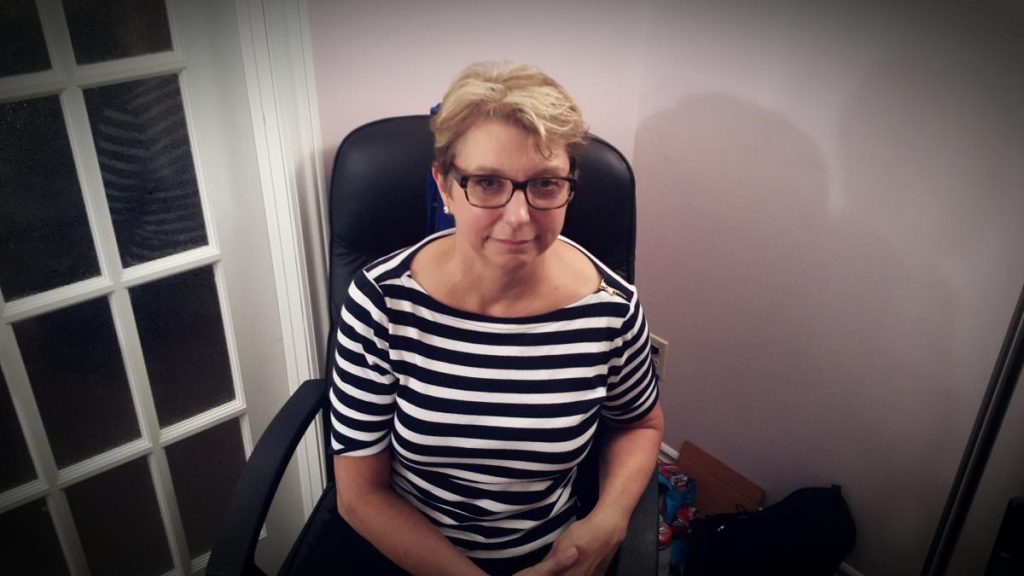
The human voice is an intricate marvel of biological engineering, capable of conveying profound emotion, nuance, and strength. Yet, when injury or medical intervention compromises this delicate instrument, the path back to vocal health can feel insurmountable. This is the chronicle of Mary Ellen Stoll of Brockville, Ontario—a narrative that bridges medical adversity, unwavering personal determination, and the transformative power of specialized vocal mechanics.
Diagnosed with a vocal cord nodule at the tender age of 22, Mary Ellen endured decades of diminished vocal capacity following a traditional surgical intervention that left her speaking voice permanently altered. Decades later, upon retiring from a demanding, high-stress career as a manager for the Government of Ontario, she faced a pivotal crossroads. Harboring a lifelong, secret aspiration to learn how to sing and join a community choir, she was initially rebuffed by the realities of vocal damage.
However, through a rigorous, multi-year rehabilitation journey utilizing the holistic Vocal Science™ methodology, Mary Ellen achieved what many deemed impossible. This in-depth report explores her inspiring trajectory from vocal impairment to choral performance, examining the anatomical, technical, and psychological dimensions of voice repair.
Detailed Chronology: From Diagnosis to Redemption
The Genesis of Injury (Age 22)
In her early twenties, Mary Ellen Stoll received a diagnosis that would alter her relationship with her own voice: a nodule had developed on her vocal cord. In an era when surgical options were often invasive and lacked the nuanced, rehabilitative support available today, she underwent a standard vocal operation. While the medical procedure sought to remove the pathological tissue, it failed to restore the natural resonance, timbre, and health of her speaking voice. For decades, Mary Ellen lived with the lingering acoustic and physiological consequences of this surgery, navigating professional and personal spaces with a voice compromised by strain and structural imbalance.
The Retirement Catalyst and the Choral Ambition (Age 62)
Fast-forward four decades: Mary Ellen concluded a distinguished, albeit high-pressure, career as a manager for the Government of Ontario. Stepping into retirement at age 62 granted her a precious commodity she had long sacrificed—time. With this newfound freedom, she decided to confront a long-suppressed dream: learning to sing and integrating into a local musical community.
Driven by this ambition, she approached the director of a prominent barbershop-style choir in Brockville. Upon hearing her speak, the director immediately identified underlying vocal distress. He advised her that before any aspirations of choral participation could be realized, she needed to fundamentally rehabilitate her speaking voice, which bore the audible scars of chronic strain and historical trauma.
The Turning Point: Discovering Vocal Science™
Undeterred by the director’s assessment, Mary Ellen conducted intensive research, which led her to discover a specialized voice repair studio known for handling complex, seemingly intractable vocal injuries. Contacting the studio via telephone, she made a resolute decision: she packed her bags and drove over four hours from Brockville for her inaugural, face-to-face consultation. This marked the official commencement of her rigorous voice repair journey.
[Age 22: Vocal Nodule Diagnosis & Surgery]
       │
       ▼
[Decades of Compromised Speaking Voice]
       │
       ▼
[Age 62: Retirement & Choral Rejection]
       │
       ▼
[4-Hour Commute to Vocal Science™ Studio]
       │
       ▼
[Holistic Voice Repair & Mechanics Training]
       │
       ▼
[Triumphant Return to the Brockville Choir]
The Rehabilitation Crucible
The work began with a meticulous focus not on singing, but on speech. Utilizing specialized speech exercises coupled with targeted body movements, the instructional regimen was designed to establish proper anatomical support, structural alignment, precise placement, and healthy vocal projection.
This multi-season commitment required immense dedication. Living hours away in Brockville, Mary Ellen routinely endured grueling winter commutes, driving over five hours round-trip through harsh weather conditions to reach the studio. Through systematic, intelligent labor, the collaborative effort between client and practitioner began to yield undeniable results: her voice cleared, words gained crisp articulation, and the chronic strain that had plagued her for decades dissipated.
Triumph and Integration
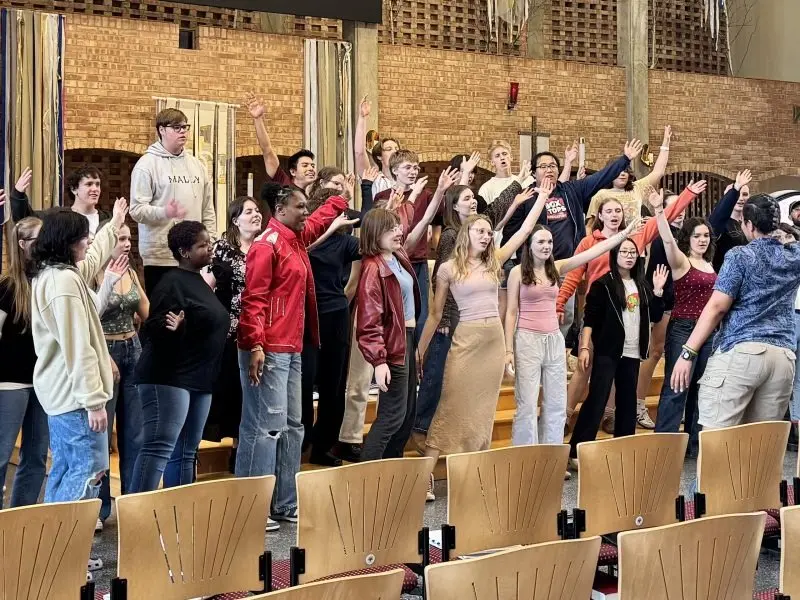
With her speaking voice successfully restored, Mary Ellen returned to the Brockville choir director. Struck by the dramatic transformation in her vocal tone and resilience, the director gave her the green light to continue her development and audition for the chorus. Having integrated the core tenets of the Vocal Science™ technique—learning to use her voice "by design" rather than by habit—she successfully joined the group. Today, she actively participates in regional competitions and performances, living proof that an "impossible dream" can indeed become reality.
Supporting Context & Metrics: The Mechanics of Voice Repair
To fully appreciate Mary Ellen’s transformation, one must examine the physiological architecture of the human voice and the diagnostic challenges associated with vocal cord nodules.
The Pathology of Vocal Nodules
Vocal cord nodules are benign, callus-like growths that develop on the middle portion of the vocal folds resulting from continuous, mechanical trauma (such as chronic yelling, speaking over background noise, or improper vocal production). When a nodule forms, the vocal folds cannot close completely, leading to a breathy, hoarse, or strained voice. Traditional surgery can remove the physical lesion, but if the underlying behavioral mechanics—how the individual breathes, supports, and projects sound—remain unchanged, the vocal strain persists, and compensatory habits often lock the anatomy into a state of chronic tension.
The Holistic Approach: Voice by Design
Standard speech therapy often focuses narrowly on rehabilitation exercises. In contrast, advanced holistic methodologies—such as the Vocal Science™ technique utilized in Mary Ellen’s case—treat the entire human body as an interconnected acoustic chamber.
- Anatomical Support: Engaging the diaphragm and core musculature to relieve pressure on the laryngeal area.
- Structural Alignment: Utilizing deliberate body movements to optimize posture, allowing the vocal tract to open naturally.
- Sound Placement: Directing acoustic energy away from the vulnerable vocal cords and toward resonance cavities in the facial structure.
- Pain-Free Projection: Amplifying volume through aerodynamic efficiency rather than muscular force.
As noted in historical media coverage, such as a 1999 feature by the Toronto Star titled "Not As Easy As It Sounds," true vocal transformation demands rigorous, disciplined effort. It requires reprogramming muscle memory that has been reinforced over decades of improper usage.
| Phase | Focus Area | Key Methodologies | Primary Objective |
|---|---|---|---|
| Phase 1 | Speaking Voice | Speech exercises, postural alignment, core support | Eliminate strain and restore foundational clarity |
| Phase 2 | Acoustic Optimization | Resonance placement, aerodynamic projection | Achieve crisp, well-pronounced articulation |
| Phase 3 | Choral Integration | Application of "Voice by Design" principles | Transition safely from speech to synchronized singing |
| Phase 4 | Performance | Competitive participation, group harmony | Sustain long-term vocal health and artistic expression |
Official Statements & Testimonials
The journey of Mary Ellen Stoll highlights the profound emotional and psychological dividends of physical rehabilitation. Below are key perspectives capturing the essence of her milestone achievement.
"This story is about one of my very dear clients, and now friend, Mary Ellen Stoll… Her secret desire always was to learn how to sing and, perhaps, even join a choir… Once the ‘impossible dream’ came true, it gave my dear client and friend health of voice (not to mention the health in general). It also gave her the knowledge of a completely new application of the speaking and singing voice while using the voice by design!"
— Vocal Science™ Practitioner & Mentor
Reflecting on her journey, Mary Ellen’s transition from a patient burdened by a decades-old medical intervention to an active, competing choral singer underscores the viability of non-traditional, highly disciplined vocal coaching regimens. Her perseverance through grueling winter commutes stands as a testament to the value she placed on reclaiming her artistic voice.
"Continue your vocal development and you will be able to join the chorus."
— Brockville Choir Director (upon evaluating Mary Ellen’s post-rehabilitation voice)
Future Outlook: Implications for Vocal Health and Aging
Mary Ellen Stoll’s case offers broader implications for vocal pedagogy, geriatric wellness, and holistic health management. As populations age, the preservation of communicative faculties becomes paramount to mental health, social engagement, and overall quality of life.
Redefining Vocal Limitations in Later Life
Society often harbors misconceptions regarding aging and physical capability, assuming that injuries sustained in youth or vocal decline associated with advancing years are permanent. Mary Ellen’s triumph at age 62—and her continued active participation in musical ensembles into her mid-sixties and beyond—shatters these arbitrary boundaries. It demonstrates that with precise biomechanical instruction and persistent effort, the human vocal mechanism retains a remarkable capacity for neuroplastic adaptation and functional recovery.
The Future of Preventive Vocal Mechanics
As integrative health practices gain prominence, the convergence of medical intervention and specialized vocal coaching is poised to become a gold standard for patients recovering from vocal pathology. Rather than relying solely on surgical intervention, future paradigms increasingly emphasize pre- and post-operative functional training—ensuring that patients do not merely heal, but learn to operate their voices "by design."
Conclusion
Mary Ellen Stoll’s journey from a scarred vocal cord nodule in her twenties to a vibrant choral performer in her sixties is nothing short of inspirational. It serves as a resounding reminder that passion, paired with rigorous, expert guidance, can indeed make the impossible possible.
Way to go, Mary Ellen! Keep on singing! Best of voice and best of health now, in the New Year—and ALWAYS!