
Executive Overview
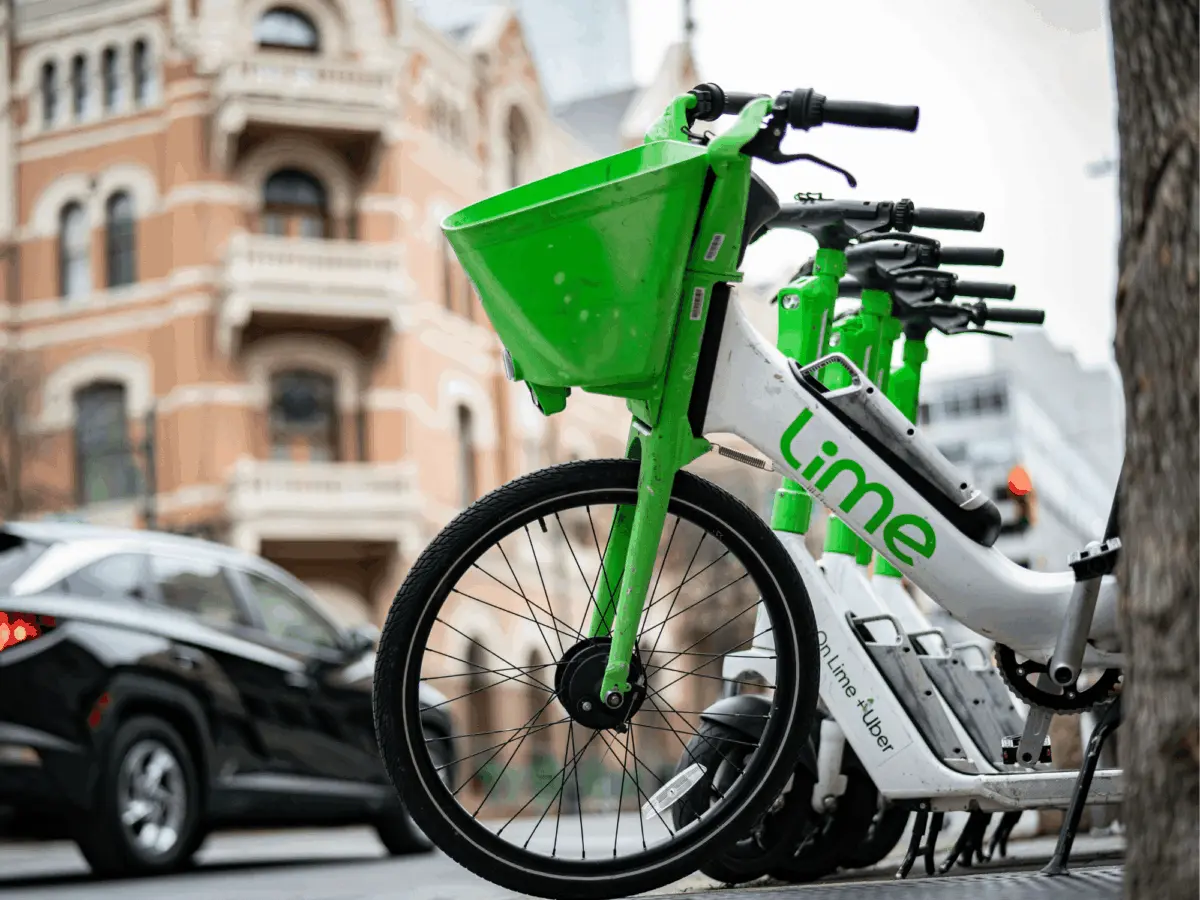
For millions of urban commuters, the most ubiquitous acoustic marker of London life is no longer the chime of Oyster card barriers, the rumble of the Underground, or the iconic double-decker bus engine. Instead, it is the persistent, electronic chirp of a Lime e-bike. Often colloquially dubbed the “Hackney birdsong,” this familiar audio cue typically signals a standard, legitimate unlock—or, as city dwellers have sadly come to expect, the unmistakable hacking noise of a bypassed security lock being forced into free-of-charge circulation.
However, a sudden transformation has taken over London’s streets. For one week only, selected Lime e-bikes across the British capital are ditching their traditional startup tones in favor of something decidedly more musical: a snippet of RAYE’s highly anticipated new single, “Joy.”
This unprecedented audio takeover forms the cornerstone of a groundbreaking cross-promotional partnership between the multi-award-winning British singer-songwriter and the micro-mobility giant. Coinciding with the official release of the music video for “Joy”—which features RAYE and her sisters navigating the chaotic energy of London on two wheels (complete with a lighthearted tumble)—the campaign marks a watershed moment in music marketing.
According to Lime representatives, this is the first time an artist has successfully hijacked the iconic unlock audio signature to launch new music. By turning thousands of rental bikes across London into localized, mobile sound systems, RAYE and Lime have redefined the boundaries of experiential out-of-home (OOH) advertising, turning everyday transit into an interactive listening party.
Detailed Chronology: From Street-Level Hacks to Mainstream Marketing
The genesis of this unorthodox collaboration bridges the worlds of underground urban culture, viral social media phenomena, and high-budget music video production. To understand how RAYE’s new single found its way into the firmware of London’s e-bikes, one must look at how the public already interacts with the brand.
The Evolution of the Lime Bike Aesthetic
Over the past several years, Lime e-bikes have transformed from mere municipal transport options into cultural touchstones of modern city life. In cities like London, where micro-mobility adoption has surged, the bikes occupy a unique space in youth culture and internet memes.
TikTok and Instagram have long been saturated with content dedicated to the quirks of Lime bike ownership—ranging from the aforementioned “Hackney birdsong” of modified beeps to grassroots electronic music tracks like Koherent’s viral drum-and-bass anthem, “Lime Bike Riddim.” The public consciousness has firmly adopted the green-and-white fleet as an extension of the urban landscape.
Conceptualizing the “Joy” Campaign
When RAYE and her creative team began mapping out the promotional strategy for her latest single, “Joy,” the goal was to root the release deeply in the fabric of London culture. Given that the track radiates an infectious, high-energy vibrancy, the visual accompaniment needed to reflect authenticity, sisterhood, and the unvarnished realities of navigating city life.
The resulting music video, which dropped yesterday, features RAYE alongside her sisters riding Lime bikes through the streets of London. In a charmingly human touch, the visual even captures the singer taking an unscripted, minor tumble off the bike—a moment that instantly grounds the superstar in relatable, everyday experiences.
Executing the Audio Takeover
Behind the scenes, RAYE’s label and Lime’s marketing division, spearheaded by Ellie Bird, were engineering a technological coup. Modifying the firmware of a localized fleet of e-bikes to play a proprietary audio clip upon unlocking required delicate coordination between software engineers and logistics teams.
Unlike traditional billboard advertising or localized Spotify takeovers, this initiative required physical touchpoints. When commuters walked up to a participating Lime bike this week, scanned the QR code, and waited for the familiar handshake between smartphone and vehicle, they were greeted not by the factory-default beep, but by RAYE’s unmistakable vocals singing “Joy.”
The rollout immediately sent shockwaves across social media platforms. Within hours of the first bikes going live, TikTok creators—such as @chloe__willis—began uploading videos capturing commuters’ reactions of surprise and delight upon unlocking their rides, catapulting the campaign into organic viral territory.
Supporting Context & Metrics: The Intersection of Music and Micro-Mobility
The partnership between RAYE and Lime is more than just a clever marketing stunt; it highlights a broader evolution in how artists must capture consumer attention in an oversaturated digital landscape.
The Crisis of Traditional Advertising Fatigue
Consumers today are bombarded with thousands of digital ads daily, leading to widespread ad-fatigue and the ubiquitous use of ad-blockers. Traditional out-of-home advertising—such as billboards, bus wraps, and digital transit screens—has become so common that it often blends into the background of urban commuters’ daily routines.
By contrast, experiential and interactive marketing disrupts routine. When an everyday utility—a rental e-bike used for commuting, running errands, or heading home after a night out—suddenly becomes an active participant in an artist’s campaign, it commands genuine attention. The element of surprise triggers dopamine releases, fostering a positive emotional association between the consumer, the brand, and the artist.
The Power of Micro-Mobility as a Media Channel
With fleets numbering in the tens of thousands across major global capitals, micro-mobility operators like Lime possess a powerful, untapped physical media network. These vehicles are ridden by desirable demographic cohorts: digitally native, Gen-Z and millennial urbanites who are heavy consumers of streaming media, festival attendees, and tastemakers.
By transforming their hardware into dynamic audio speakers, Lime has effectively unlocked a new revenue stream and value proposition: turning transit fleets into audio-visual brand platforms. Industry analysts are already speculating whether other major music labels will attempt to secure similar partnerships for upcoming album rollouts.
Official Statements and Industry Reception
The campaign has received widespread praise from industry insiders, marketing professionals, and music fans alike.
In an official statement released on behalf of the company, Lime’s Ellie Bird emphasized the historic nature of the collaboration:
"This is the first time an artist has taken over the iconic Lime unlock sound to release new music."
The statement underscores a strategic shift within Lime’s corporate marketing division. No longer viewing their vehicles purely as utilitarian transportation devices, management increasingly recognizes the cultural capital their brand holds. By aligning with credible, chart-topping British artists like RAYE—an independent powerhouse who won big at the BRIT Awards—Lime cements its status as an authentic pillar of modern British youth culture.
From the music industry’s perspective, the campaign has been hailed as a masterclass in guerrilla marketing. Creative agencies have noted that the synergy between the music video’s visual narrative (featuring the artist physically riding the bikes) and the real-world activation (consumers riding the exact same type of bike and hearing the song upon unlock) creates a closed-loop immersive experience that digital-only campaigns simply cannot replicate.
Future Outlook: What This Means for Music Marketing and Urban Transit
As the dust settles on RAYE’s week-long audio takeover in London, industry stakeholders are already looking ahead to the future implications of this campaign. Several key trends are expected to emerge as a direct result:
1. The Rise of Experiential Audio Branding
Audio branding has long been utilized by corporations (think of the Intel chime or Netflix’s “Ta-dum”). However, extending this concept into localized, programmatic audio takeovers for third-party entertainment products opens up entirely new horizons. We are likely to see movie studios, gaming franchises, and major label music acts bidding for audio-prime real estate on municipal transit fleets.
2. Deepening Integration Between Tech Hardware and Pop Culture
As micro-mobility platforms incorporate more advanced IoT (Internet of Things) capabilities, the software driving these vehicles will become increasingly flexible. Future updates could allow for geo-fenced audio triggers—imagine a Lime bike playing a localized artist’s track as a rider crosses into a specific neighborhood, or dynamic playlists that adapt to the time of day and weather conditions.
3. Regulatory and Public Reception Considerations
While the RAYE campaign has been overwhelmingly well-received, rapid commercialization of public utility hardware will inevitably invite scrutiny from city councils and urban planners. Ensuring that promotional audio takeovers remain tasteful, non-disruptive to public peace, and compliant with local noise ordinances will be crucial for operators like Lime moving forward.
Final Thoughts
RAYE and Lime have proven that even the most mundane elements of urban infrastructure can be reimagined as canvases for artistic expression. As commuters continue to unlock their rides across London this week, the traditional mechanical chirp has been temporarily eclipsed by the sound of “Joy.”
And as for the industry suggestion that Lime give drum-and-bass duo Koherent a call to operationalize “Lime Bike Riddim”? Well, city authorities might need to brace themselves for a very different kind of urban soundscape if that ever becomes a reality.