
Executive Overview
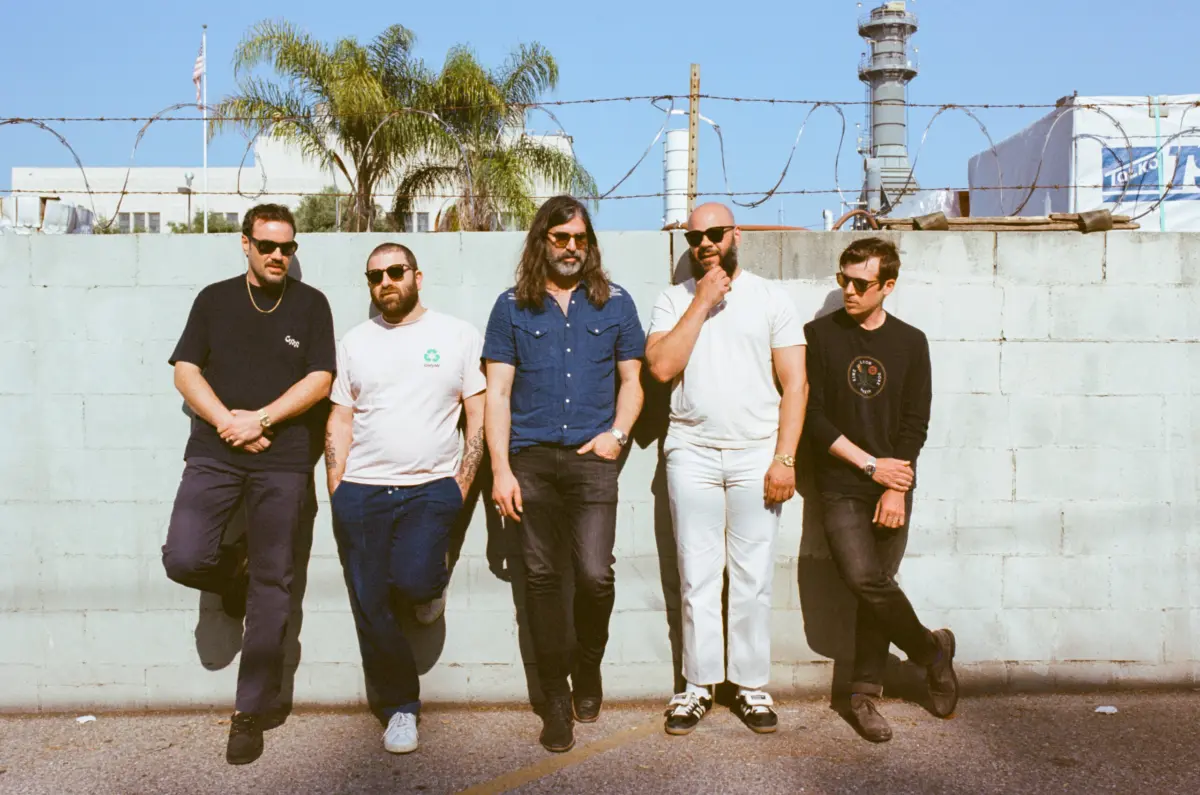
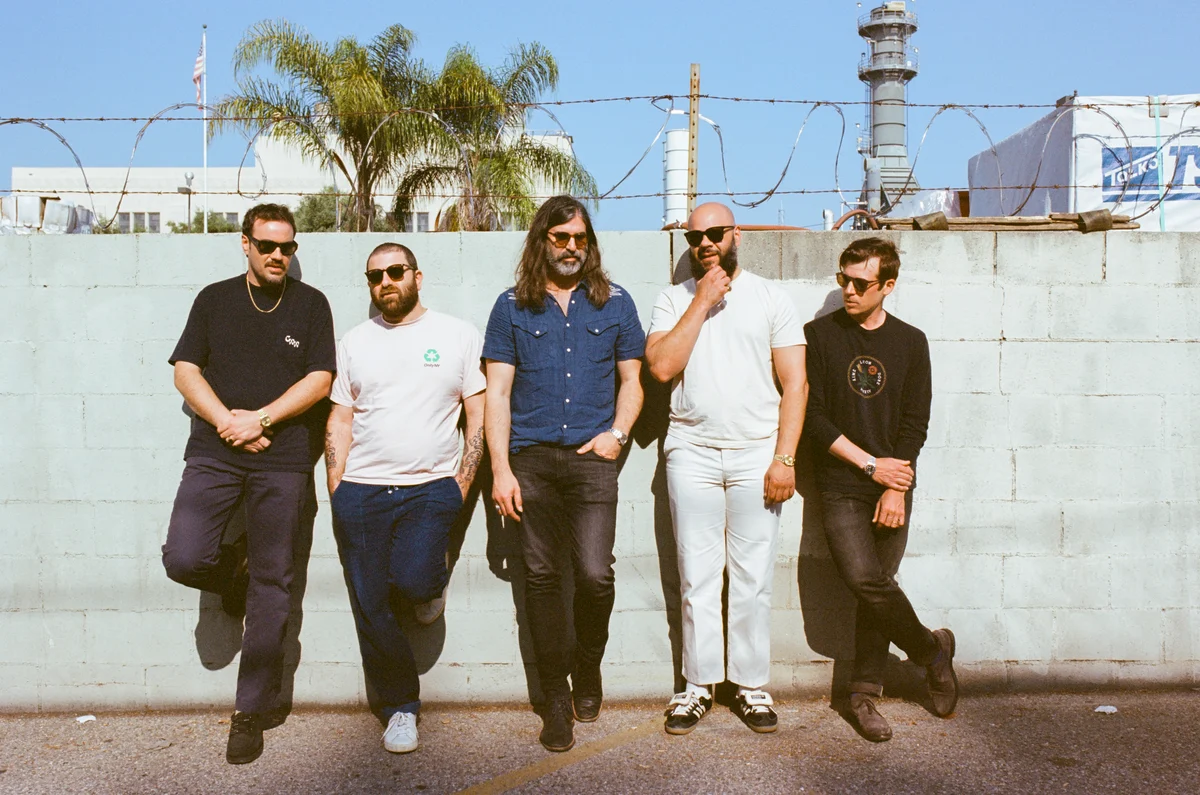
In the fast-paced ecosystem of modern popular music, a decade away from the spotlight is often a permanent farewell. For groups built on the fleeting chemistry of analog recording sessions and tight-knit touring schedules, the passage of ten years usually solidifies divergent career paths, geographic separation, and creative burnout. Yet, rare is the ensemble whose members are so deeply embedded in the bedrock of contemporary soul, funk, and hip-hop that their absence only amplifies the yearning for their return. Enter the Menahan Street Band—the undisputed architects of dark, cinematic soul—who have officially broken a silence stretching over ten years with the announcement of their forthcoming studio album, Illusions.
Due out on guitarist and producer Tommy Brenneck’s esteemed Diamond West Records, Illusions represents far more than a routine collection of new songs. It is a triumphant reunion of musical heavyweights who spent the intervening years shaping the soundscape of modern music from behind the scenes. From holding down the rhythm section for late-night television’s most culturally influential house band to steering premier independent record labels and releasing celebrated solo projects, the members of the Menahan Street Band have individually dominated the vanguard of the global soul revival.
Yet, as Brenneck and his collaborators discovered upon returning to the studio, the distinct creative spark that forged their early classics—such as Make the Road by Walking (2008) and The Crossing (2012)—remains undimmed. Recorded with a blistering, instinctive energy that bypassed the pitfalls of overthinking, Illusions leans heavily into the evocative power of instrumental music. Enhanced by legendary Brazilian arranger Arthur Verocai, the record elevates the band’s signature blend of driving drums, melancholic horns, and razor-sharp guitar lines into uncharted territories of orchestral sophistication.
This comprehensive report examines the anatomy of the Menahan Street Band’s monumental return, tracing the members’ individual journeys over the past decade, exploring the making of Illusions, and analyzing the cultural impact of an ensemble that continues to define the gold standard of modern instrumental soul.
Detailed Chronology: From the Shadows of Brooklyn to a Decade of Divergence
To understand the weight of Illusions, one must first retrace the lineage of the Menahan Street Band. Emerging from the fertile Brooklyn independent music scene in the mid-2000s alongside sister acts like Sharon Jones & The Dap-Kings, Budos Band, and El Michels Affair, the Menahan Street Band carved out a distinct niche. While other revivalist outfits focused on high-octane funk or raw northern soul, the Menahan Street Band embraced a cinematic, melancholic aesthetic. Their music felt custom-built for moody crime thrillers, Blaxploitation retrospectives, and smoky underground lounges.
Their distinct sound quickly caught the ears of hip-hop’s elite. Most notably, their haunting instrumental track "Make the Road by Walking" was famously sampled by Jay-Z for his critically acclaimed 2007 single "Roc Boys (And the Winner Is)," instantly launching the band into a broader cultural consciousness. Subsequent releases cemented their reputation as a premier instrumental collective capable of blending the grit of 1970s soul with the sophisticated arrangements of film soundtracks.
However, following the release of their sophomore album, The Crossing, in 2012, the relentless demands of the music industry and the expanding solo ambitions of the band’s members pulled them in different directions. What began as a brief hiatus stretched into a sprawling, decade-long intermission.
During this extended absence, the individual members did not rest; rather, they became foundational architects of the modern American soul and R&B renaissance:
- Dave Guy (Trumpet): Transitioned into one of the most visible horn players in the industry. As a core member of The Roots and the house band for The Tonight Show Starring Jimmy Fallon, Guy’s horn lines are beamed into millions of American households every week. Furthermore, his touring and session credits read like a who’s who of contemporary music, spanning collaborations with Amy Winehouse, Mark Ronson, and Anderson .Paak.
- Homer Steinweiss (Drums): Maintained his status as a first-call rhythm section powerhouse. Beyond his foundational work with Sharon Jones & The Dap-Kings and Mark Ronson (including laying down the iconic groove for "Uptown Funk"), Steinweiss expanded his artistic palette by releasing acclaimed solo records and contributing to groundbreaking pop and alternative projects.
- Nick Movshon (Bass): Cemented his reputation as one of the most in-demand, groove-centric bassists in contemporary music. Movshon’s unmistakable basslines have anchored recordings for Lee Fields, Lana Del Rey, and Dan Auerbach, bringing an organic, weighty foundation to everything he touches.
- Leon Michels (Keyboards/Saxophone): Evolved into a multi-hyphenate musical powerhouse. Alongside leading the cinematic-funk outfit El Michels Affair, Michels serves as the co-founder and driving creative force behind Big Crown Records, an independent label that has rapidly become a sanctuary for modern soul, roots, and psychedelic music.
- Tommy Brenneck (Guitar/Production): Focused his efforts on production, songwriting, and establishing Diamond West Records, the very home that has now welcomed the Menahan Street Band back into the fold.
For ten years, these artists operated at the highest levels of the commercial and independent music industries, absorbing new influences, mastering their respective crafts, and accumulating a wealth of musical wisdom. Yet, the gravitational pull of their original collaborative project remained a constant hum in the background.
Supporting Context & Metrics: The Making of Illusions
When the members finally reconvened under the umbrella of Diamond West Records, the reunion was not born out of calculated commercial strategy, but out of a visceral need to reconnect with their creative roots. According to Tommy Brenneck, the sessions for Illusions were characterized by a rare, lightning-in-a-bottle velocity that contrasted sharply with the painstaking perfectionism that often plagues veteran acts.
"This time the energy was incredible," Brenneck reflects, detailing the writing and recording process. "These songs were written and recorded very fast, without any time for second guessing, and something about it brought out the best in the band."
This rapid-fire creative burst allowed the band to bypass over-intellectualization. Instead of laboring over arrangements for months, the musicians relied on the telepathic chemistry they had developed over years of touring and recording together in their formative years. Drummer Homer Steinweiss frequently remarked during the sessions that the creative atmosphere felt identical to their earliest days as a band—rekindling the raw excitement and uninhibited exploration that defined their artistic genesis.
Expanding the Sonic Palette: The Arthur Verocai Collaboration
While the core of the Menahan Street Band remains rooted in the classic triumvirate of driving drums, emotive horns, and textured guitars, Illusions introduces a breathtaking new dimension to their sonic architecture: the legendary Brazilian arranger and composer Arthur Verocai.
Verocai, a titan of Brazilian popular music (MPB) whose 1972 self-titled debut album is hailed as a holy grail by crate-diggers, producers, and hip-hop samplers worldwide, was brought in by Brenneck to contribute string arrangements for the album’s standout centerpiece, "Palace of Illusions."
For Brenneck, collaborating with Verocai was the realization of a lifelong artistic aspiration. "The combination of Verocai’s arrangements with Menahan Street Band horn melodies was a total dream for me," Brenneck notes with palpable reverence. "I think it took the music to another level of sophistication that we’ve never had before."
The introduction of Verocai’s lush, sweeping string textures into the band’s inherently earthy, funk-inflected framework creates a striking juxtaposition. It bridges the gap between gritty American street soul and cinematic, tropical orchestration, resulting in a soundscape that feels both timeless and startlingly fresh.
The Power of Instrumental Narration
Unlike the vast majority of popular music released today, which relies heavily on vocal hooks and lyrical narratives to guide the listener, the Menahan Street Band has steadfastly championed the expressive purity of instrumental composition. On Illusions, this commitment to the wordless narrative is front and center.
"Instrumental music can really let the mind wander because there are no lyrics to tell the story," Brenneck explains, shedding light on the psychological landscape of the album. Without a vocalist dictating the emotional arc, the listener is invited to project their own experiences, memories, and cinematic visions onto the music. The songs function as emotional canvases, driven forward by dynamic shifts in tempo, harmonic tension, and instrumental dialogue between Guy’s soaring trumpet, Brenneck’s cutting guitar, and Michels’ atmospheric keyboards.
Official Statements & Tracklist Analysis
As anticipation builds for the album’s official release, Diamond West Records has unveiled the complete tracklist for Illusions, offering a glimpse into the thematic and sonic journey the band has crafted. The ten-track collection balances high-energy grooves with introspective, atmospheric interludes:
Illusions Tracklist
- "Palace of Illusions"
- "Aurora Was Her Name"
- "Gentleman’s Getaway"
- "El-Onta’s Dance"
- "Sound of Distant Thunder"
- "The Emerald Courtyard"
- "Crystal Crown"
- "Another Magic Morning"
- "There Before the Sun"
- "City After City"
From the evocative opening notes of the title track—bolstered by Arthur Verocai’s majestic string arrangements—to the rhythmic propulsion of cuts like "El-Onta’s Dance" and the brooding atmosphere of "Sound of Distant Thunder," the tracklist reads like a sequence for an unmade film noir masterpiece. Each song title evokes a distinct visual geography, reinforcing the band’s mastery over mood and atmosphere.
Future Outlook: A New Chapter for Analog Soul
The return of the Menahan Street Band with Illusions arrives at a fascinating cultural juncture. In an era dominated by algorithmic music creation, streaming-optimized micro-tracks, and digital perfectionism, the organic, analog-drenched ethos of Brenneck, Guy, Steinweiss, Movshon, and Michels serves as a vital antidote. Their commitment to capturing human chemistry in a physical room—without safety nets or digital quantization—remains a masterclass in authenticity.
More than just a nostalgic victory lap for die-hard fans of the Daptone/Big Crown universe, Illusions represents a creative evolution. By inviting master arrangers like Arthur Verocai into their fold and leaning fearlessly into spontaneous, uninhibited composition, the Menahan Street Band has proven that their decade-long hiatus did not diminish their creative fire; rather, it stoked it.
As Illusions prepares to hit record store shelves and streaming platforms via Diamond West Records, the music community is reminded of why this collective captured imaginations in the first place. They are musicians’ musicians—artists who speak the universal language of groove, shadow, and light. For a world currently navigating its own labyrinth of modern anxieties, the cinematic escape promised by the Menahan Street Band could not have arrived at a more vital moment.