
High in Canada’s rugged Abitibi-Témiscamingue region, roughly an eight-hour bus ride north of Montreal on the ancestral lands of the Anishinaabe peoples, the former mining town of Rouyn-Noranda undergoes a remarkable transformation every late summer. For four days, the industrial municipality—celebrating its centenary—becomes the epicenter of the underground music world as it hosts the Festival de Musique Émergente en Abitibi-Témiscamingue (FME). Now in its 24th year, FME is a cultural tour de force that bridges the gap between major indie-label showcases and intimate, block-party-style camaraderie.
Operating under the bilingual tourism slogan "douce et rebelle" (sweet and rebellious), Rouyn-Noranda is a landscape of stark contradictions. It is a vibrant hub for the arts, boasting a university, a booming independent cinema and comedy scene, and an eclectic roster of international musicians who willingly fly thousands of miles just to board a coach bus for a subterranean garage gig. Yet, it is equally defined by the Horne Smelter, a massive metal-processing complex operated by Glencore. The smelter drives the local economy while simultaneously casting a long, toxic shadow over the municipality due to historical failures to meet arsenic emissions targets—a friction that fuels ongoing class-action lawsuits and guerilla protest art across town.
For a monolingual U.S. writer navigating this francophone stronghold, FME offers a profound lesson in cultural immersion. Language barriers dissolve in the presence of noise-pop, black metal, avant-garde jazz, and punk rock. From pre-festival warmup gigs in Montreal cocktail bars to impromptu parking-lot sets where artists play wine bottles and metal bowls, FME operates on a logic entirely its own. It is a celebration of linguistic preservation, regional pride, and musical defiance.
Detailed Chronology: From Montreal’s Warmups to Rouyn-Noranda’s Grand Finale
The Prelude: L’Escogriffe Bar, Montreal
The journey into FME begins hundreds of miles south of the main stages, inside Montreal’s L’Escogriffe Bar. Here, the festival’s pre-game sets set an ironic and fitting tone for an outsider. Canadian-Swiss electronic pop artist Camilla Sparksss plays her pulsating, heart-rate-accelerating track "Backflip" while a pre-recorded voice asks over the speakers: "Do you speak French?"
"No," Sparksss responds in the recording, "but I understand it."
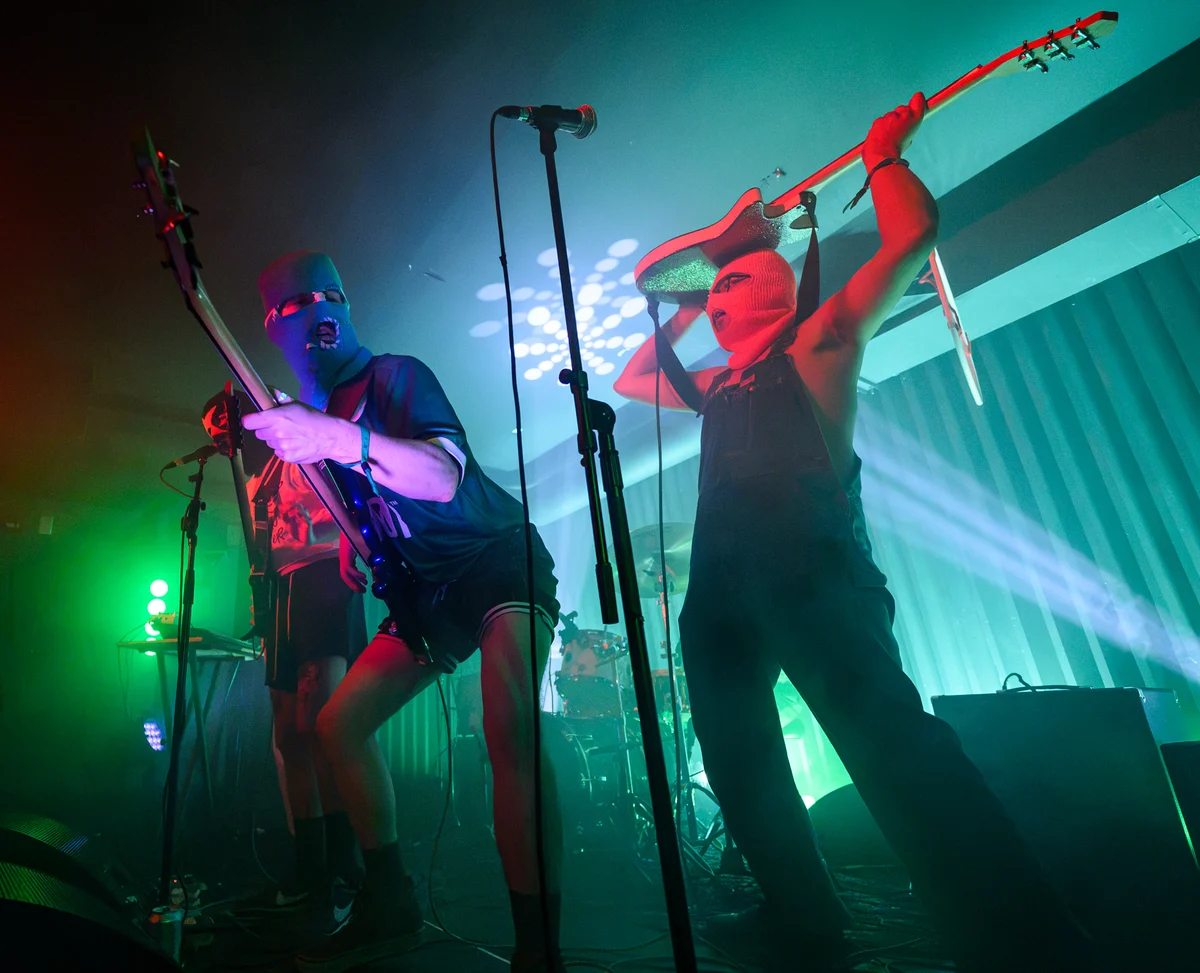
As the evening unfolds with sets from local punks Thee Soreheads screaming feminist anthems and New York City’s Balaclava delivering distorted motorik psych-punk, Sparksss takes the turntable. She sings her native English before bidding the crowd au revoir and directing them to the merch table, playfully exposing the track’s spoken-word prompt as a joke: she does speak French. This lighthearted linguistic dance foreshadows the weekend ahead, where language serves as both a barrier and a bridge.
Days 1–3: The Influx and the Improvised Stages
Upon arriving in Rouyn-Noranda via the mandatory eight-hour northern transit, the true scale of FME reveals itself. Over four days, 80 musical acts occupy the streets, bars, theaters, and parking lots of a city where the towering smokestacks of the Horne Smelter line up almost seamlessly with 7e Rue, the thoroughfare hosting the festival’s largest open-air stages.
The scheduling is a masterclass in controlled chaos. One afternoon at an artist barbecue hosted by Montreal record label Bonsound by a backyard pool, Hélène Barbier and her band deliver wonky indie-rock tunes. Later, Mothland—the booking and management agency steering FME’s lineups since 2020—hosts conversations beside a jumbo chess set overlooking Osisko Lake, while the smelter smokes away in the background.

Highlights arrive in rapid succession:
- The Contrast of Genres: Toronto singer-songwriter Charlotte Cornfield performs a spellbinding solo acoustic set, while the Japanese black metal rave band Violent Magic Orchestra incites a strobe-lit, basement-level crowd-surfing frenzy.
- Surprise Venues: Noise-rap duo Haha Laughing flies from Austin to Montreal, enduring the grueling eight-hour bus ride north just to execute a secret guerrilla performance inside a NAPA Autopro local garage.
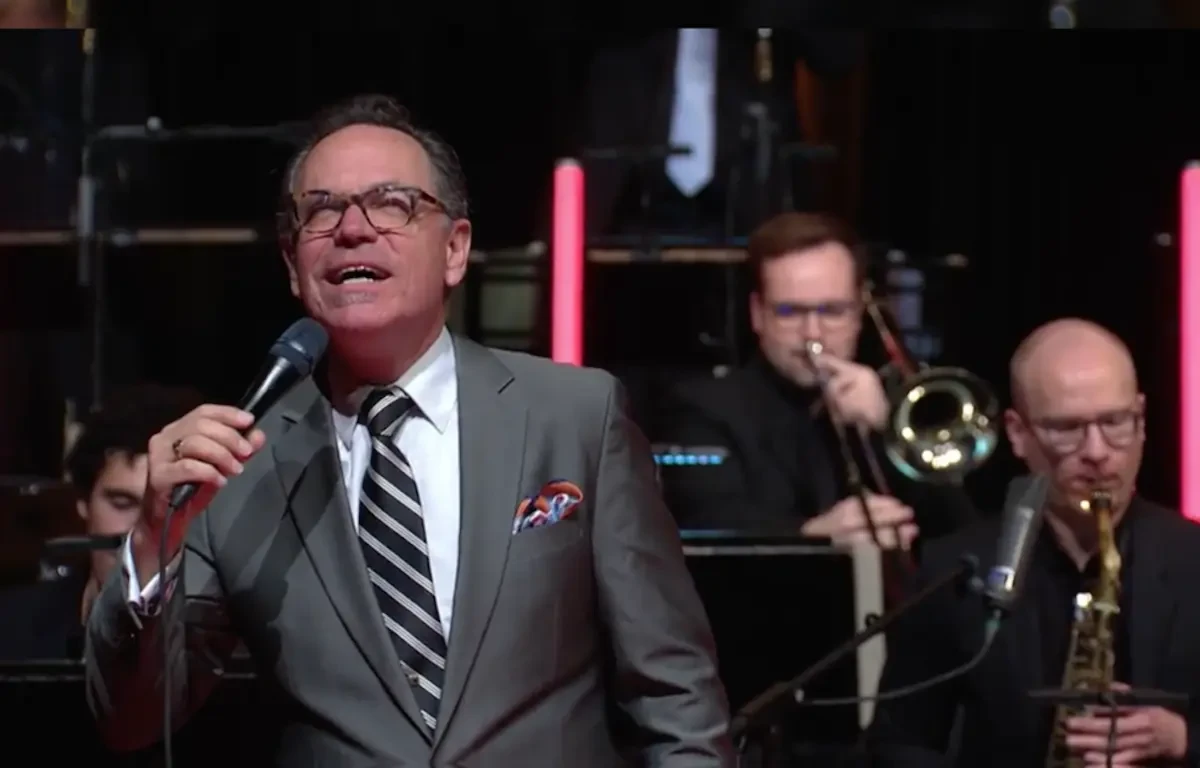
- The Theatrical and the Traditional: At the Scène Paramount, monolingual curiosity draws the writer to Étienne Coppée’s "Show Dassin," a loving tribute to 1960s and ’70s French pop icon Joe Dassin. The theater erupts into a collective sing-along of classics like "Les Champs-Élysées," inspiring even the non-francophones in attendance to join the chorus. This comes at the opportunity cost of missing Belgian dance-punk outfit Mek’Dr’Dr, though fate intervenes when Mek’Dr’Dr performs the following day in a downtown parking lot, utilizing wine bottles, beer jugs, and metal bowls as percussion instruments.
Day 4: The Centennial Climax and the Final Flag
Sunday afternoon transitions the festival from its indie roots into community-wide spectacle. Following a blistering country-rock set by Toronto veterans The Sadies, the crowd converges on the towering scaffolding structure that marks the 7e Rue entrance.
Converted for the city’s centennial celebration, the scaffolding features DJs, a culinary showcase, and aerial silk acrobatics. A projector screen displays surreal local imagery, culminating in an unprompted, joyous grand finale where a concentrated jet of popcorn showers down from the concession rooftop. Monolingual visitors and native Quebecers alike raise their cups and hands to the sky, united by the sheer absurdity and warmth of the moment.
The festival closes at an outdoor stage off 7e Rue, where Montreal punk band Taxi Girls spark an organic mosh pit. As singer-bassist Vera Bozickovic waves a checkered flag—the universal signal that FME has drawn to a close—the crowd breaks into a deafening chant of "Olé, Olé, Olé," drowning out all linguistic distinctions in a roar of communal exhaustion and euphoria.

Supporting Context & Metrics
| Festival Metric / Data Point | Detail / Description |
|---|---|
| Event Duration | 4 Days of immersive underground music programming |
| Artists Featured | Approximately 80 diverse musical acts per year |
| Location | Rouyn-Noranda, Abitibi-Témiscamingue region, Quebec (Anishinaabe territory) |
| Historical Milestone | Marking Rouyn-Noranda’s 100th anniversary |
| Economic/Logistical Footprint | ~8-hour bus transit north of Montreal; approximately $2,000 estimated total value for travel, lodging, and passes |
| Primary Booking Partner | Mothland (booking agency responsible for lineups since 2020) |
| Corporate Sponsor Tension | Horne Smelter / Glencore (key festival sponsor amid ongoing environmental protests and class-action litigation) |
The Geopolitical and Industrial Landscape
Rouyn-Noranda’s identity is inextricably bound to the mining industry. Billed in tourism pamphlets as "douce et rebelle"—sweet and rebellious—the town captures a frontier spirit encapsulated by the regional slogan: "We’re not at the end of the world, but we can see it from here."
However, this frontier romance is complicated by the industrial reality of the Horne Smelter. As the largest copper and precious metals smelter in eastern Canada, it is a primary economic engine providing hundreds of local jobs. Yet, its historic failure to meet government-mandated targets for reducing toxic arsenic emissions has created deep societal friction. In 2023, the Quebec government relocated roughly 200 households to establish an environmental buffer zone around the complex, and the Quebec Superior Court subsequently authorized a class-action lawsuit filed by residents against the smelter’s multinational parent company, Glencore.
This tension permeates FME. Walking through town, visitors encounter a stark visual dialogue pasted across traffic poles, lawns, and tourist guides:
- Centennial guidebooks proclaim "100 years of pride."
- Guerilla lawn signs and posters fight back with "100 ans de pollution" and "Ville Arsenic."
- Informational walking tours map out the industrial ethos with markers reading "Une Mine, Une Ville" (One Mine, One City).
Some artists have historically boycotted the event due to the Horne Smelter’s sponsorship of the festival. Yet, artist management and local organizers actively navigate these muddy waters, using the festival platform to encourage open dialogue about environmental stewardship without sacrificing the hospitality and international networking opportunities that keep the remote town thriving.

Official Statements and Industry Insights
-
Marilyne Lacombe (Mothland Booking Team):
Reflecting on the surreal juxtaposition of an indie-music festival running against the backdrop of a massive, smoking metal refinery across Osisko Lake, Lacombe draws a pop-culture parallel: "It’s like The Simpsons’ city of Springfield, with its nuclear power plant and lake full of mutant three-eyed fish."Commenting on the logistical absurdity of flying international acts across oceans and bussing them deep into northern Quebec, Lacombe notes: "It doesn’t really make sense on paper; that’s the beauty of it. We’ve seen bands coming from Atlanta and signing deals in Europe."
-
Barbara Lehnhoff / Camilla Sparksss (Artist):
Lehnhoff, who grew up in the similar industrial town of Kenora, Ontario, before relocating to Switzerland, embraces the unpredictability of touring remote regions: "It’s nice to do things that don’t make sense at all. You’re always kind of seeking an adventure… I imagine there are people who would say it’s not worth it to go for two shows or whatever, but for me, it’s definitely worth it. I’m always looking for trouble." -
Muhoza (Montreal Rapper and Collaborator):
Discussing the cultural significance of performing in French within a predominantly English-speaking North American continent, Muhoza emphasizes the protective, life-affirming power of language: "I think it’s the survival aspect—we are in a mass English area in North America, and it’s the fact that we’re able to speak our language and to defend it throughout our culture and music." He adds that linguistic barriers ultimately bow to the unifying force of melody: "In the last year, I realized how powerful music is, you know? Even with the language barrier, it brought us together to do this interview."
Future Outlook
As FME looks past its 24th iteration and Rouyn-Noranda reflects upon a century of existence, the festival faces a unique path forward. Balancing the preservation of its fiercely independent, underground ethos with the commercial realities of corporate sponsorship and regional industrial politics will remain its primary tightrope walk.
The festival’s enduring success proves that physical remoteness is not a deterrent for dedicated music fans and international artists, but rather an asset. By maintaining an unpredictable, highly curated lineup that refuses to pander exclusively to mainstream or monolingual expectations, FME has secured its reputation as one of North America’s most vital boutique gatherings.
Whether the ongoing environmental battles surrounding the Horne Smelter will force a reckoning in local corporate partnerships remains to be seen. However, as long as independent artists are willing to board buses for an eight-hour trek into the northern wilderness—and as long as crowds continue to catch falling popcorn in the streets of 7e Rue while chanting "Olé"—the Festival de Musique Émergente will remain a beacon of cultural resilience, artistic adventure, and sweet rebellion.