For nearly three decades, the multi-platinum rock powerhouse Skillet has stood as an immovable pillar in the global alternative and Christian rock landscapes. As the band approaches its monumental 30th anniversary, co-founders John and Korey Cooper are not merely resting on the laurels of a storied history. Instead, they are stepping boldly into one of the most creatively vulnerable, emotionally charged, and transitional chapters of their career.
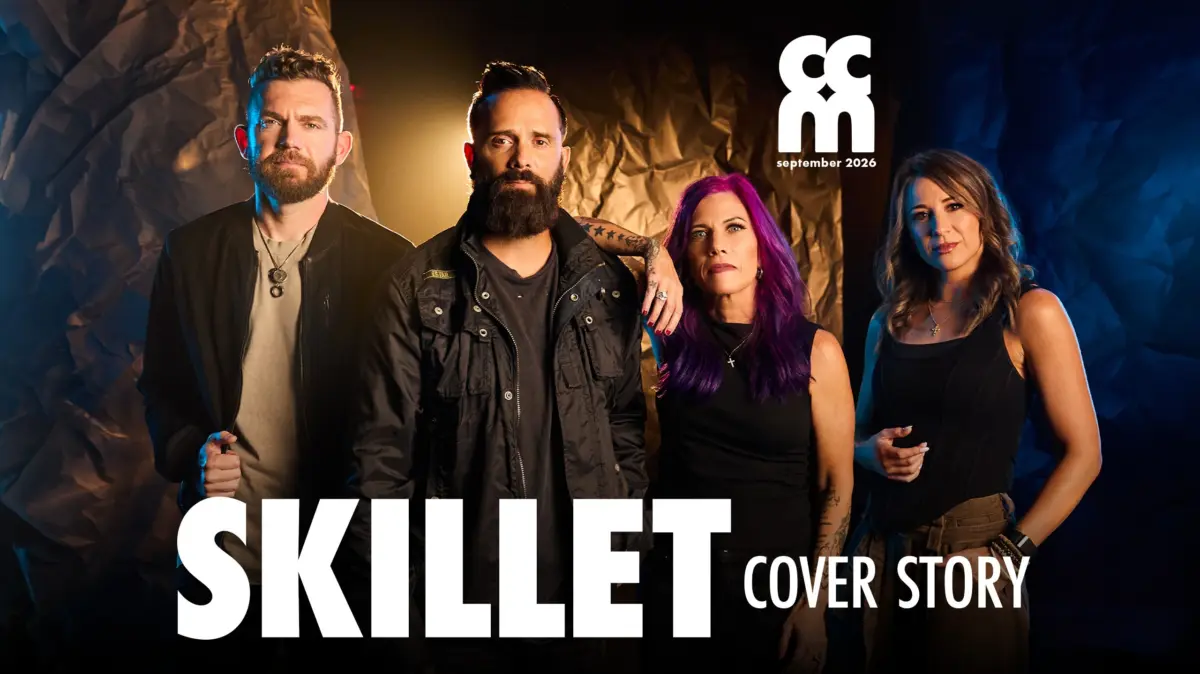
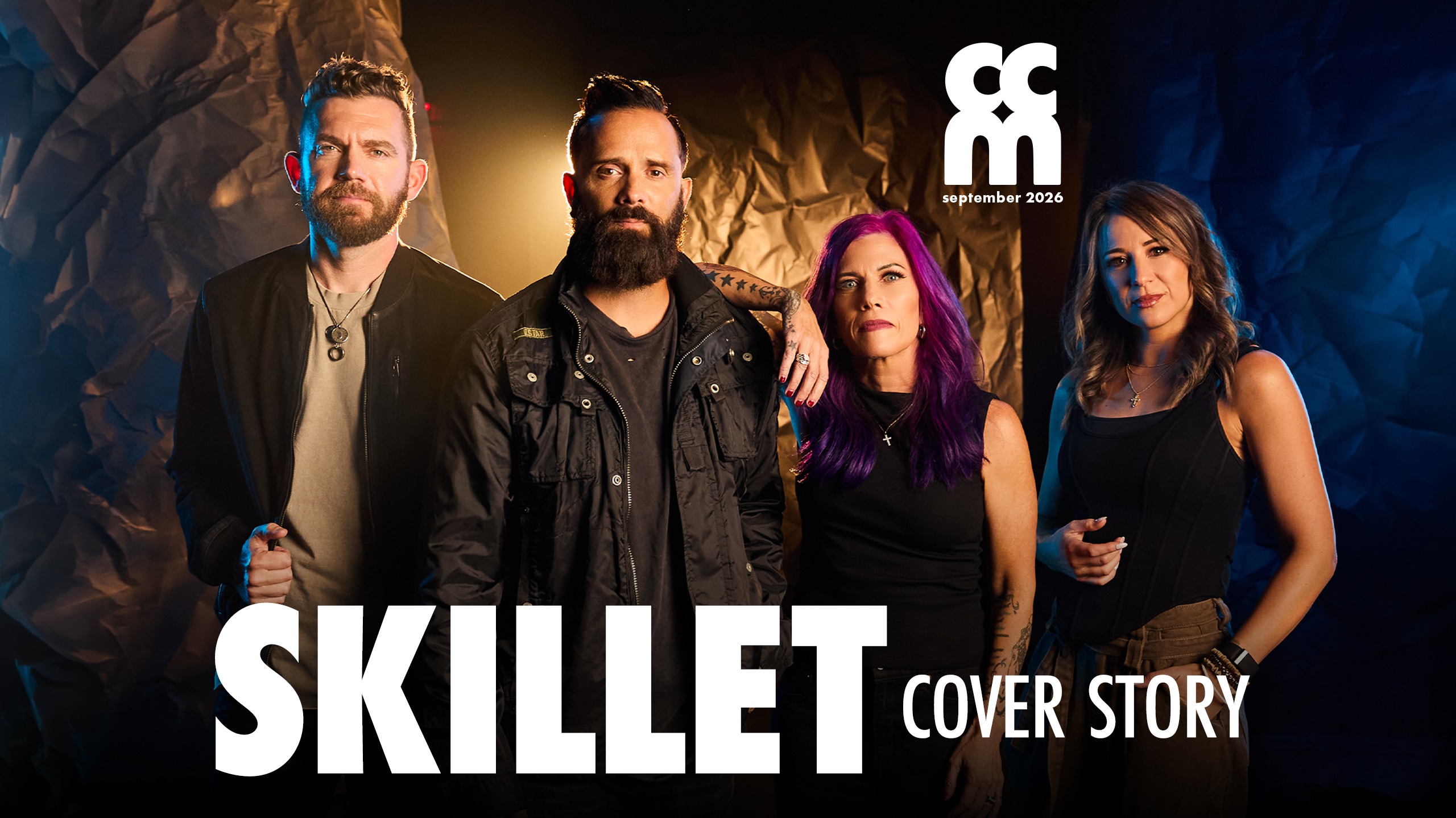
Gracing the cover of the September issue of CCM Magazine—with the full multimedia experience launching globally on September 1—Skillet offers a deeply revealing retrospective and an unfiltered look at their immediate future. In an extensive, soul-baring cover interview with CCM’s Logan Sekulow, the Coopers unpack the enduring cultural and musical impact of their 2006 landmark, genre-defining album, Comatose, while confronting head-on the severe personal trials that birthed their forthcoming independent EP, After the Storm.
Far from a standard anniversary puff piece, this feature documents a band walking through the fire. Exploring themes of profound pain, institutional betrayal, unyielding perseverance, and the resilient faith that salvaged their ministry and brotherhood, the conversation signals a creative rebirth. Set for release on October 9, After the Storm represents a return to Skillet’s heavier, visceral roots. Yet, as CCM Magazine’s leadership notes, the most compelling takeaway from this milestone is that Skillet’s defining chapter may still lie ahead. With over 23 million records sold, a staggering 12 million monthly Spotify listeners, and an undiminished global cultural footprint, the band enters its fourth decade with its artistic momentum and spiritual conviction sharper than ever.
Detailed Chronology: From Underground Origins to Independent Resilience
To fully appreciate the gravity of Skillet’s current era, one must trace the winding, high-stakes trajectory that brought the band to this juncture. Formed in Memphis, Tennessee, in 1996 initially as a side project for John Cooper (formerly of Seraph) and Ken Steorts, Skillet quickly morphed into a distinct musical entity driven by an urgent need to reach secular and sacred rock audiences alike with an uncompromising message.
The Formative Years and Sonic Shifts (1996–2005)
Throughout the late 1990s and early 2000s, Skillet underwent numerous lineup changes, with John Cooper remaining the sole constant songwriter and frontman. Musically, the band evolved rapidly. Their early self-titled debut (Skillet, 1996) favored a raw, grunge-infused alternative rock sound. By the time they released Hey You, I Love Your Soul (1998) and Invincible (2000), they had begun incorporating industrial rock elements, synthesizers, and electronic beats—a stylistic pivot largely spearheaded by Korey Cooper, who joined the band on keyboards and rhythm guitar ahead of Invincible.
Albums like Alien Youth (2001) and Collide (2003) further hardened their edges. Collide, in particular, caught the attention of mainstream rock radio and major label executives, earning a Grammy nomination for Best Rock Gospel Album and setting the stage for the band’s commercial breakthrough.
The Comatose Era: A Defining Masterpiece (2006)
Released on October 3, 2006, Comatose stands as the definitive artistic watershed of Skillet’s mid-career. Produced by Brian Howes, the album introduced sweeping orchestral arrangements, thunderous heavy metal guitar riffs, and soaring vocal duets between John and Korey Cooper.
The record yielded a string of massive radio hits, including "Rebirthing," "Monster," "Comatose," and "The Older I Get." Comatose achieved RIAA Platinum status—a rare feat for rock acts in the digital era—and cemented Skillet’s reputation as stadium-ready heavyweights. Twenty years later, the cultural resonance of Comatose remains unmatched within Christian rock history; its theatricality and emotional weight laid the blueprint for a generation of heavy alternative bands.
Navigating the Modern Era and Independence
Following the mainstream apex of albums like Awake (2009) and Rise (2013), Skillet maintained a punishing global touring schedule, headlining arenas across North America, Europe, South America, and Asia. However, the internal toll of relentless touring, corporate music industry machinery, and interpersonal friction reached a boiling point in the early 2020s.
Choosing artistic autonomy over contractual comfort, the band made the bold decision to operate independently. This newfound freedom allowed them to control their narrative entirely, culminating in the creation of their upcoming six-song project, After the Storm.
Supporting Context & Metrics: The Scale of Skillet’s Global Empire
As Skillet enters its fourth decade, the numbers behind the band’s longevity paint a picture of enduring cultural relevance that few rock acts—regardless of genre classification—can claim.
Global Record Sales: Over 23 million albums and singles sold worldwide.
Streaming Dominance: An average of 12 million monthly listeners on Spotify, demonstrating deep cross-generational engagement where legacy tracks like "Monster" (certified multi-Platinum) and "Hero" continue to pull millions of daily streams from Gen Z and Millennial fans alike.
Accolades: Multiple Grammy nominations, Billboard Music Award nominations, and a collection of RIAA Gold, Platinum, and Multi-Platinum certifications.
The After the Storm EP Parameters: Releasing independently on October 9, the six-song collection is co-produced by David Cowell and Korey Cooper. It marks a deliberate sonic retreat to heavy guitar-driven rock, introduced by the aggressive single "Scream" and propelled forward by the anthemic, emotional focal point "Lift Me Up."
Official Statements and Editorial Insights
The depth of Skillet’s September CCM Magazine cover story is captured eloquently through the reflections of the band and the publication’s creative leadership, highlighting the vulnerability required to bring this chapter to light.
John Cooper on Gratitude and Resilience
Reflecting on the cover shoot and the extensive retrospective interview with CCM’s Logan Sekulow, frontman John Cooper expressed deep appreciation for the journey:
"We had a blast with Logan and his team at CCM. What a great interview and opportunity to discuss the new music, and talk about our history and how grateful we are to still be doing rock ‘n’ roll. Excited for our fans to check this out."
Logan Sekulow on the Band’s Unprecedented Trajectory
CCM Magazine Editor-in-Chief Logan Sekulow emphasized the rarity of Skillet’s current artistic phase, noting the emotional honesty that drove the interview:
"There are very few bands where you can celebrate 30 years and the most compelling part of the story is still what comes next. It was an honor to lead Skillet through this journey, from 20 years of Comatose to the pain, betrayal, and enduring faith behind After the Storm. They trusted us with an incredibly vulnerable conversation, and I’m proud CCM gets to celebrate where they’ve been while helping tell this very different new chapter."
Amanda Sekulow on the Visual Narrative
The September cover experience breaks new artistic ground visually, featuring an exclusive, high-concept live performance captured against an imposing physical set. Creative director and stylist Amanda Sekulow detailed the inspiration behind the striking visuals:
"Getting to help shape how we visually told this chapter of their story was incredibly special. We built the performance around this massive rock formation, almost like they were emerging from a cave, because I wanted it to feel raw, strong, and a little otherworldly, while still letting Skillet be Skillet. To go from growing up with their music to now directing and styling a CCM cover and performance around them was genuinely an honor."
Future Outlook: A Heavy, Hopeful Dawn
As the countdown to the October 9 release of After the Storm continues, Skillet stands at a fascinating professional and spiritual crossroads. The deep wounds of betrayal and institutional friction referenced by the Coopers during their CCM interview have not broken the band; instead, they have served as the crucible from which their heaviest, most honest material in years has emerged.
By stripping away the corporate filters that often constrain veteran acts, John and Korey Cooper—alongside longtime bandmates—have reclaimed total ownership of their art. The blistering guitars of "Scream" and the soaring, redemptive vocal delivery on "Lift Me Up" demonstrate that Skillet’s creative fires are burning hotter than ever.
As fans pore over the September issue of CCM Magazine—absorbing the dual milestones of Comatose‘s enduring 20-year legacy and the painful, hard-won triumph of After the Storm—one truth remains crystal clear: Skillet is not a nostalgia act. They are active architects of modern rock history, proving that even after thirty years on the front lines, their most vital and compelling chapter is still waiting to be written.