The intersection of clinical otolaryngology, speech-language pathology, and the lived human experience took center stage following the landmark 52nd Annual Symposium of The Voice Foundation in Philadelphia. As researchers, vocal pedagogues, and medical professionals returned from the summer hiatus, the organization’s leadership announced a decisive strategic shift. Moving forward, the foundation is placing the subjective, lived experiences of speakers and singers suffering from voice disorders at the absolute forefront of both clinical practice and academic research.
This initiative, heralded in the latest organizational communications, addresses a historical gap in vocal medicine. For decades, the quantification of vocal health relied heavily on objective instrumentation—stroboscopy, acoustic measurements, and aerodynamic analyses. While these tools remain indispensable, they frequently fail to capture the profound psychological, social, and professional toll that a voice disorder inflicts on an individual.
By centering research around the patient’s perspective, The Voice Foundation aims to reshape how clinical care is delivered. The goal is to move away from a "one-size-fits-all" model toward personalized interventions that honor the unique expressive needs of performers, public speakers, and everyday voice users alike. This comprehensive report explores the motivations behind this paradigm shift, the insights generated at the Philadelphia symposium, and the broader implications for the future of vocal health care.
Detailed Chronology: From the Philadelphia Symposium to the Fall Agenda
The momentum driving this new patient-centric initiative traces back to the intensely collaborative atmosphere of the 52nd Annual Symposium in Philadelphia, Pennsylvania. As one of the world’s premier multidisciplinary gatherings for voice professionals, the symposium has long served as a crucible for cutting-edge research. However, the 2023 iteration marked a noticeable pivot in tone and focus during a specialized speech-language pathology session.
The Catalyst: The Speech-Language Pathology Sessions
During the specialized track dedicated to speech-language pathology, a series of presentations focused on qualitative and quantitative research aimed at decoding the day-to-day realities of speakers and singers grappling with voice disorders. Rather than merely presenting post-treatment acoustic data, researchers spotlighted the emotional arc of vocal injury: the anxiety of sudden hoarseness, the identity crisis faced by professional vocalists, and the systemic barriers patients encounter within healthcare systems.
The response from the audience—comprising otolaryngologists, speech-language pathologists, singing teachers, and researchers—was immediate and overwhelming. Rather than standard, polite academic inquiry, the question-and-answer periods transformed into passionate discussions regarding empathy in clinical settings, diagnostic blind spots, and the necessity of incorporating patient-reported outcome measures (PROMs) into standard diagnostic workflows.
Translating Dialogue into Action
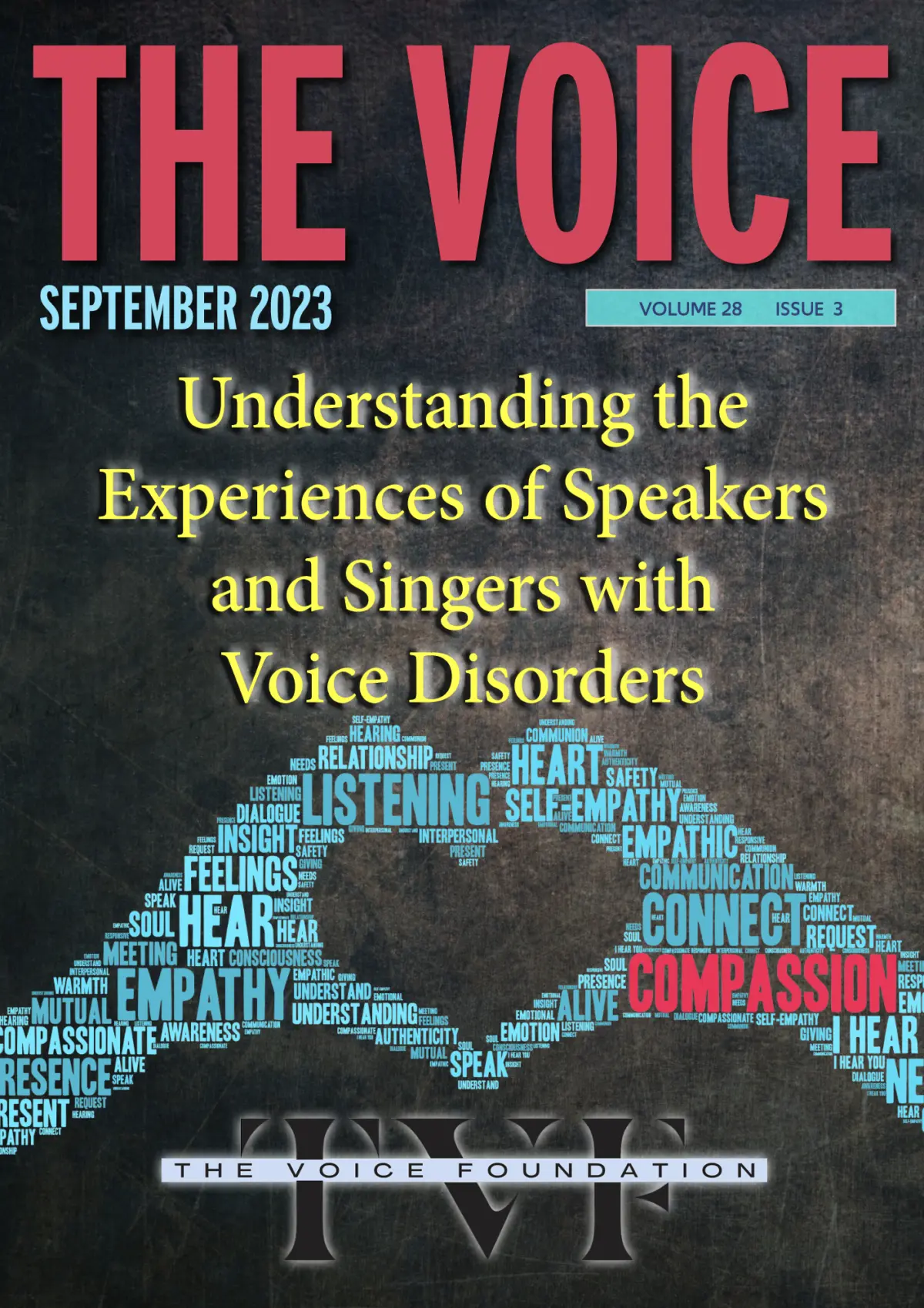
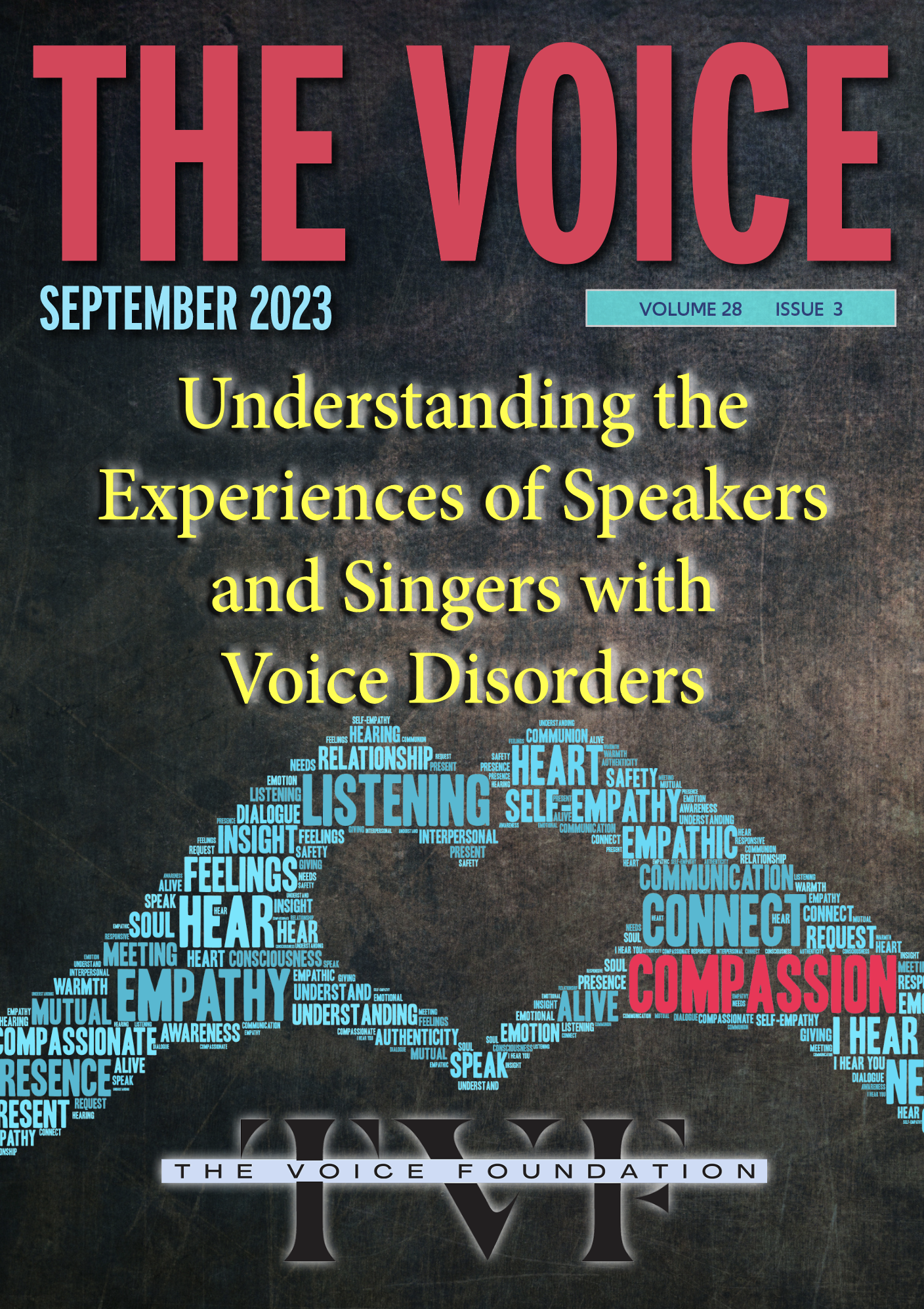
Recognizing the deep resonance of these discussions, The Voice Foundation’s leadership decided to make patient experiences the central theme of its subsequent communications and publication cycles. The consensus among the symposium attendees was clear: understanding the patient’s perspective is not merely a supplementary aspect of care; it is the foundation upon which effective clinical rehabilitation must be built.
By dedicating the subsequent newsletter and ongoing organizational initiatives to this theme, the Foundation sought to institutionalize the momentum generated in Philadelphia, creating a bridge between academic theory and daily clinical application.
Supporting Context & Metrics: The Weight of Voice Disorders
To understand the urgency behind The Voice Foundation’s new directive, one must examine the profound economic, psychological, and physiological impact of voice disorders on the modern population.
Prevalence and Occupational Vulnerability
Voice disorders affect a vast cross-section of society, with studies consistently showing that approximately 3% to 9% of the general population suffers from a voice problem at any given time. However, this prevalence spikes dramatically within specific occupational groups. Teachers, call center operators, fitness instructors, trial lawyers, and professional singers rely on their voices as their primary economic capital.
For a professional singer, a diagnosis of vocal fold nodules or a hemorrhage is not just a medical inconvenience; it is a catastrophic disruption to their livelihood and artistic identity. Similarly, teachers account for a disproportionately high percentage of voice clinic visits, facing high vocal loads in acoustically challenging environments. Despite this high risk, occupational vocal health training remains inconsistent across educational sectors.
The Psychosocial Toll
The physiological healing of vocal tissue is only half the battle. Research increasingly demonstrates that voice disorders carry a heavy psychological burden, often comparable to the distress experienced by individuals with chronic illnesses. Because the voice serves as our primary vehicle for personal identity, emotional expression, and social connection, losing it frequently leads to:
Social Isolation: Individuals often avoid social gatherings, phone conversations, and public speaking out of embarrassment or the physical fatigue of speaking.
Anxiety and Depression: The uncertainty surrounding prognosis and recovery can trigger clinical anxiety, particularly among performers whose self-worth is deeply intertwined with their vocal capability.
Stigmatization: Unlike visible physical disabilities, voice disorders are frequently misunderstood. A hoarse or strained voice is often misattributed by the public to fatigue, lifestyle choices, or emotional state rather than a legitimate medical pathology.
By shifting focus toward these qualitative experiences, clinicians can better address the holistic needs of their patients, treating the mind and the social context alongside the larynx.
Official Statements and Clinical Philosophy
The transition toward a patient-informed framework represents a philosophical maturation within the vocal health community. While advanced imaging and laser surgery technologies have made miraculous recoveries possible, the human element has occasionally been sidelined in favor of metric-driven success.
In statements accompanying the rollout of the patient-experience initiative, representatives of The Voice Foundation emphasized the symbiotic relationship between clinical science and human empathy.
"Understanding the patient’s perspective is no longer an optional luxury in vocal medicine; it is an absolute clinical necessity," notes organizational leadership. "When a singer tells us they feel unheard, or a teacher feels their specific lifestyle demands are dismissed as trivial, we are failing in our comprehensive duty as healers. Our research must reflect their realities, and our treatments must be tailored to their unique human experiences."
Tailoring Research to Real-World Needs
Traditional clinical trials often measure success through standardized scales that may not matter deeply to the patient. For instance, a clinician might view a 20 Hz increase in fundamental frequency range as a successful outcome. However, if the patient—a jazz vocalist—experiences a loss of timbre or flexibility in their lower register that prevents them from performing their repertoire, that clinical "success" fails to restore their quality of life.
The Voice Foundation’s renewed focus challenges researchers to design studies that incorporate:
Patient-Reported Outcome Measures (PROMs): Validated questionnaires that assess how a voice disorder impacts a person’s daily life, emotional well-being, and professional capacity.
Qualitative Research Methodologies: Interviews and focus groups that allow patients to articulate their rehabilitation journeys in their own words, uncovering nuances that quantitative data inevitably misses.
Collaborative Goal Setting: Involving the patient as an active partner in treatment planning, ensuring that therapeutic targets align with their personal and professional aspirations.
Future Outlook: The Next Era of Vocal Health
As The Voice Foundation looks ahead, the implications of this patient-centric pivot extend across multiple domains, promising to reshape education, technology, and interdisciplinary collaboration.
1. Transforming Clinical Education
For the next generation of otolaryngologists, speech-language pathologists, and vocal pedagogues, curricula must evolve. Medical and graduate training programs are beginning to integrate narrative medicine and qualitative empathy training alongside anatomy and physiology. Future specialists will be trained not only to scope a larynx but to listen deeply to the narrative of the person attached to it.
2. Technological Integration and Telehealth
The rise of digital health and telehealth platforms offers unprecedented opportunities for continuous patient monitoring. By utilizing mobile applications designed to track vocal fatigue and daily usage patterns in real-time, clinicians can gather continuous ecological momentary assessments (EMAs). This bridges the gap between the clinical office and the patient’s natural environment, ensuring that care plans are adaptive to real-world stressors.
3. Interdisciplinary Synergy
The success of The Voice Foundation’s mission depends on breaking down silos between medical science and the artistic community. Voice scientists, laryngologists, speech therapists, and singing teachers must operate as a unified ecosystem. By centering the patient’s lived experience, these diverse disciplines find common ground, uniting around a shared commitment to restoring not just a voice, but a person’s complete expressive life.
Conclusion
The message emanating from The Voice Foundation’s post-symposium reflection is clear: the future of vocal medicine belongs to those who listen as carefully as they diagnose. By elevating the voices of patients—both literally and figuratively—the foundation is setting a new gold standard for medical humanities and clinical care. As ongoing research filters from academic journals into everyday clinical practices, the promise of a truly empathetic, personalized, and holistic approach to voice disorders draws closer to reality.