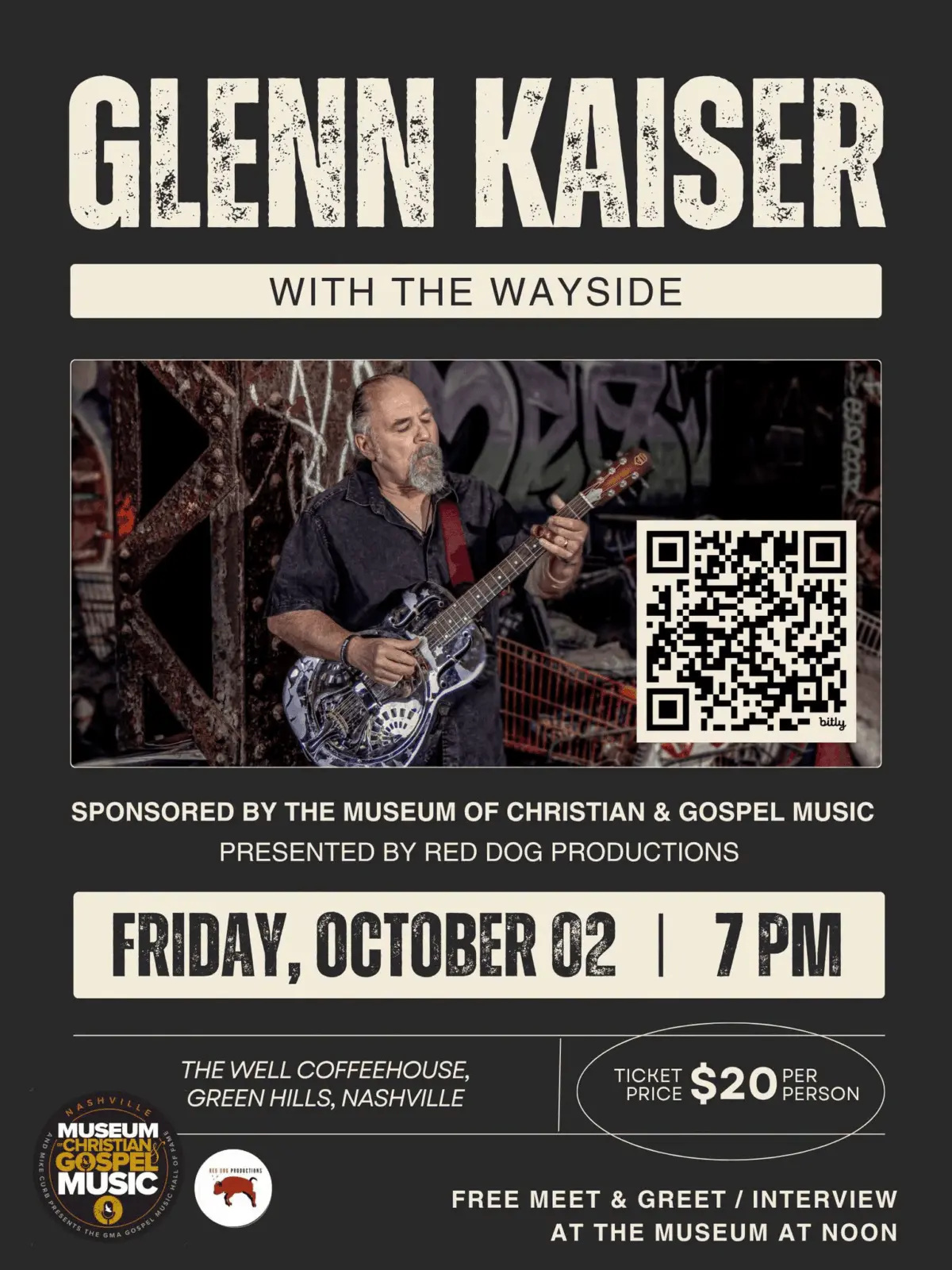

On October 2, Nashville will host a musical event of profound historical significance to the architecture of contemporary faith-based and alternative rock music. Glenn Kaiser, a foundational titan of Jesus rock and the co-founder of the legendary Resurrection Band (Rez), is set to perform his first headline show in Music City in decades. This intimate performance is not merely a nostalgic reunion for aging fans; it is a vital bridge connecting the radical, do-it-yourself ethos of the 1970s Jesus Movement to the modern, independent creative landscape represented by the upcoming Wild Bison Festival.
For a generation of musicians, writers, and counter-cultural seekers, Kaiser and his wife, Wendi, represent the blueprint for artistic integrity within spiritual spaces. Long before the modern contemporary Christian music (CCM) industry possessed the infrastructure or the appetite for heavy guitars, gritty blues, and socially conscious, unvarnished lyrics, the Kaisers and their community carved out their own path. They built their own recording studios, founded their own record labels, and established the Cornerstone Festival—a 28-year cultural crucible that nurtured alternative rock mainstays such as Switchfoot, Sixpence None the Richer, and P.O.D.
The weekend’s programming is deeply personal for organizers, who cut their teeth in the very mud and magic of Cornerstone. Beginning with a public interview at the Museum of Christian and Gospel Music, transitioning to an acoustic and cigar-box guitar showcase at The Well in Green Hills, and culminating in the vibrant, multi-genre Wild Bison Festival at Lipscomb University’s Bison Square, this weekend serves as an active transmission of cultural DNA. This report provides a comprehensive analysis of the historical weight of Glenn Kaiser’s return, the mechanics of the upcoming weekend, and the enduring legacy of the Jesus People movement in contemporary American music.
Detailed Chronology: From the Jesus Movement to Bison Square
To understand the weight of Glenn Kaiser’s Nashville appearance, one must trace a historical line that stretches back more than half a century. The timeline of this movement is characterized by outsider resilience, self-reliance, and an insistence on marrying uncompromising artistic expression with deep spiritual conviction.
The 1970s: The Birth of Jesus Rock
In the early 1970s, the broader evangelical church in the United States viewed rock and roll with deep suspicion, frequently associating it with rebellion, hedonism, and secularism. Yet, out of the counter-cultural upheaval of the hippie movement emerged the Jesus People—young people who embraced Christian faith while retaining their long hair, artistic leanings, and counter-cultural critique of institutional hypocrisy.
Glenn and Wendi Kaiser stood at the vanguard of this movement. Alongside their peers, they formed Resurrection Band in Chicago, unleashing a hard-rock sound that rivaled mainstream acts of the era in sonic weight and instrumental prowess. When traditional gatekeepers of Christian media rejected their aggressive sound and politically charged lyrical content—which tackled poverty, war, racism, and addiction—the band refused to water down their art.
The Intentional Community and Cornerstone (1984–2012)
Unwilling to compromise their vision to fit commercial constraints, the Kaisers and their fellow travelers founded Jesus People USA (JPUSA), an intentional Christian community on Chicago’s North Side. Operating under communal principles reminiscent of the early church, JPUSA built its own recording facilities (Jaz Records/Alarma Records) and eventually launched the Cornerstone Festival in 1984.
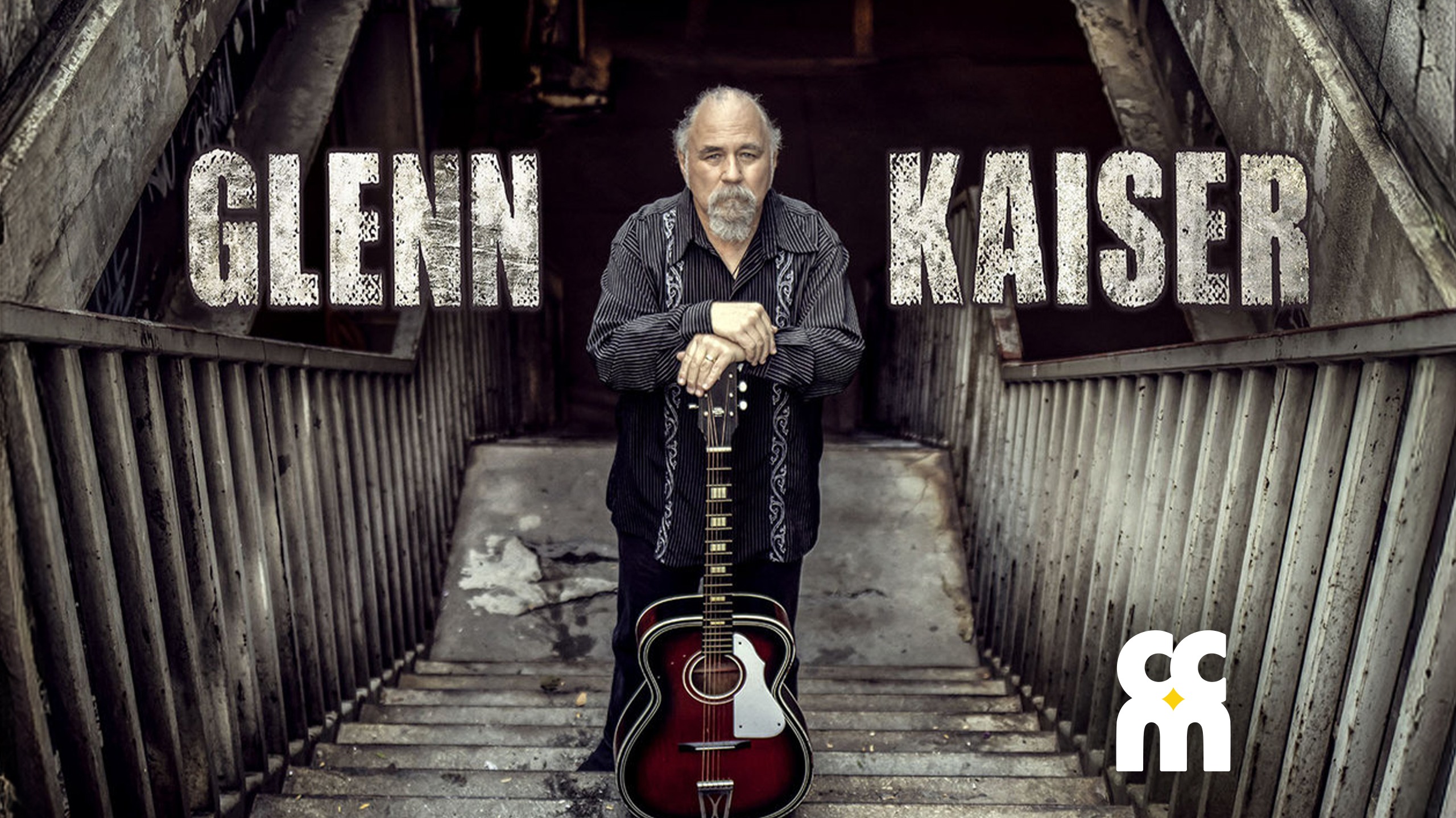
Cornerstone became an annual mecca for non-conformist believers, punks, metalheads, indie rockers, and artists who felt alienated by mainstream religious culture. Over nearly three decades, the festival operated as an incubator for alternative music. It gave early, crucial platforms to bands that would eventually cross over into mainstream consciousness, proving that faith-rooted art could be avant-garde, intellectually challenging, and sonically abrasive. When the festival concluded its run in 2012, it left behind a vast diaspora of creatives who carried its decentralized, DIY spirit into every corner of the modern music industry.
The Nashville Return: October 2–3
The upcoming Nashville weekend acts as a modern-day manifestation of that foundational spirit:
- Friday, October 2 (12:00 PM): The weekend kicks off at the Museum of Christian and Gospel Music with a public, free-admission conversation featuring Glenn and Wendi Kaiser. Moderated by veteran music historian and documentary filmmaker, the session will unpack the trials and triumphs of building a counter-cultural life in the arts.
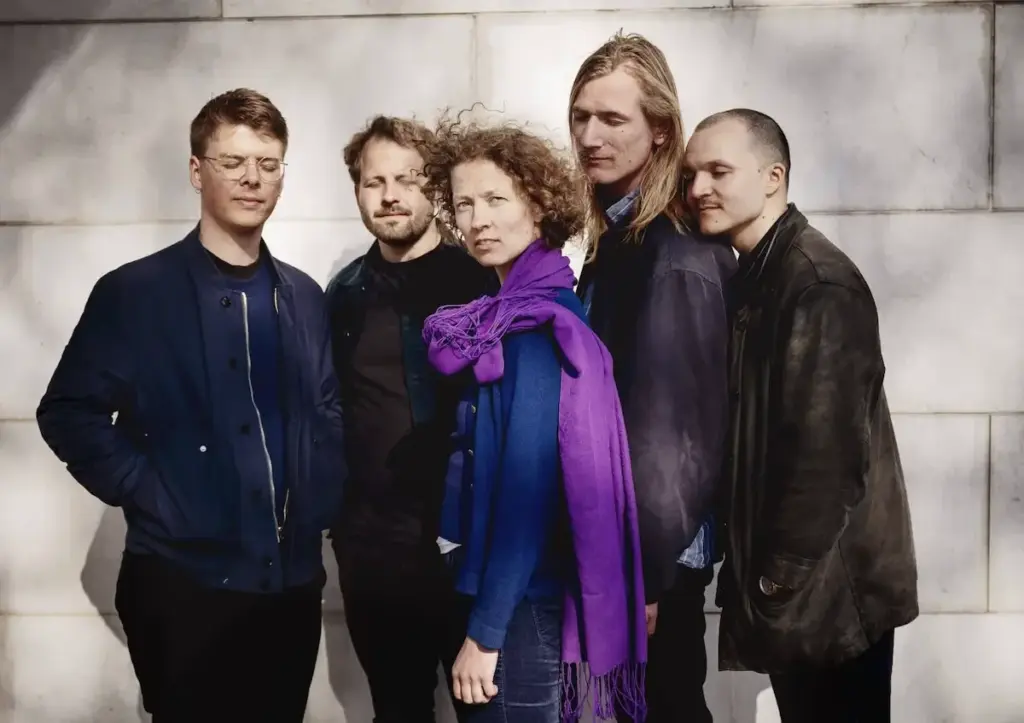
- Friday, October 2 (Evening): Glenn Kaiser performs a rare, intimate solo set utilizing cigar-box and acoustic guitars at The Well in Green Hills. He is supported by opening act The Wayside—a deliberate nod to the collaborative spirit of the Chicago underground. Capacity is strictly limited, underscoring the exclusive nature of this historic return.
- Saturday, October 3 (11:30 AM onward): The Wild Bison Festival launches at Lipscomb University’s Bison Square. Spanning two outdoor stages, the free, all-day event features performances by Fulton Lee, The Arcadian Wild, Broomestix, Pomegranate, Jolie Wing, and others. The day also includes student film screenings, poetry readings, and a morning seminar led by Glenn Kaiser examining the intersection of music and community during the Jesus Movement.
Supporting Context & Metrics: The Architecture of an Independent Legacy
The impact of Glenn Kaiser and the Cornerstone ecosystem can be measured not merely in nostalgic anecdotes, but in tangible cultural and industrial shifts.
The Economics of the DIY Underground
During an era when the music industry was heavily centralized around major record labels based in Nashville, New York, and Los Angeles, the Jesus People community demonstrated the viability of vertical integration. By owning their distribution networks, festival grounds, and production houses, artists associated with JPUSA bypassed traditional gatekeeping.
- Longevity: Cornerstone Festival survived for 28 years—a remarkable lifespan for an independent, artist-centric festival rooted in alternative subcultures.
- Crossover Impact: Alumni of the Cornerstone stages include multi-platinum and Grammy-recognized acts such as Switchfoot, Sixpence None the Richer, and P.O.D., demonstrating that underground spiritual incubators could successfully feed the wider commercial music market without losing their core identity.
- Archival Preservation: The history of this movement has been meticulously documented through independent media platforms like True Tunes and feature-length archival projects such as Cornerstone Festival: 20 Years and Counting, ensuring that subsequent generations of musicians have access to their historical lineage.
Genre-Agnostic Spirituality in Modern Music
The programming of the Wild Bison Festival reflects a modern evolution of the ethos pioneered by Kaiser. The festival’s lineup spans rock, pop, Americana, singer-songwriter stylings, and country. Rather than being united by a commercial genre tag or a specific retail category, the participating artists are connected by a shared commitment to artistic integrity and a spiritual worldview. This approach dismantles the rigid marketing silos that historically plagued faith-based music, pointing toward a future where artists of faith create freely across the broader cultural landscape without needing validation from industrial sub-labels.
Official Statements & Institutional Collaboration
The realization of this historic Nashville weekend is the result of a collaborative partnership between independent cultural historians, academic institutions, and advocacy organizations.
Organizers emphasize that bringing Kaiser back to the stage is an act of historical stewardship:
"When I say having Glenn Kaiser play a show the night before Wild Bison Festival is an honor, I mean it specifically: a little bit of Cornerstone’s DNA gets to be part of what we’re building here in Nashville."
This sentiment is echoed by the institutional partners who have mobilized resources to support the weekend’s events. The Museum of Christian and Gospel Music has stepped forward to sponsor the Friday night showcase and host the midday oral history conversation, recognizing the vital role the Kaisers played in expanding the boundaries of sacred music.
Furthermore, the integration of academic programs at Lipscomb University underscores the educational and mentorship dimensions of the Wild Bison Festival. Contributions from:
- Lipscomb’s School of Music
- The Music Industry Studies program
- Red Dog Productions (Lipscomb’s live music practicum)
…provide students with hands-on production experience while embedding them directly into a living lineage of independent music history. Additional institutional support from the International Justice Mission highlights the festival’s broader commitment to social consciousness, aligning contemporary art with active global stewardship.
Future Outlook: Passing the Torch to a New Generation
As Glenn Kaiser takes the stage in Green Hills and speaks to students at Lipscomb University, the central theme of the weekend is intergenerational transmission. The challenges facing independent artists today—navigating shifting digital economies, breaking through industry homogenization, and maintaining artistic integrity in a polarized cultural climate—are remarkably similar to those faced by the pioneers of Jesus rock in the 1970s.
The legacy of Resurrection Band and the Cornerstone Festival proves that sustainable art communities do not require corporate validation; they require shared vision, sweat equity, and a refusal to compromise. By intentionally planting the DNA of that movement into the soil of modern Nashville via the Wild Bison Festival, organizers are offering a blueprint for the future.
For young musicians performing on the Bison Square stages, Kaiser’s performance is a living masterclass in how to endure. It reminds the modern listener that true counter-cultural art is not born in corporate boardrooms, but in community, conviction, and the unyielding pursuit of truth through sound. As Nashville continues to evolve as a global music hub, events like this ensure that the city remains connected to its subterranean roots—honoring the elders who built the road while clearing the path for those yet to walk it.