
Date: October 2, 2026
Author: Natan Zamansky
Category: Education News / Theatre Technology
Executive Overview
The landscape of live theatrical production is experiencing a profound grassroots renaissance. While commercial Broadway houses and major West End destinations continue to dominate cultural headlines, the true heartbeat of the dramatic arts thrives within regional community halls, high school auditoriums, elementary multipurpose rooms, and local cultural centers across North America. Central to this decentralized creative explosion is the democratization of professional-grade theatrical collateral—most notably through digital program-building platforms that allow non-profit, educational, and amateur organizations to place authentic, Broadway-quality memorabilia into the hands of their audiences.
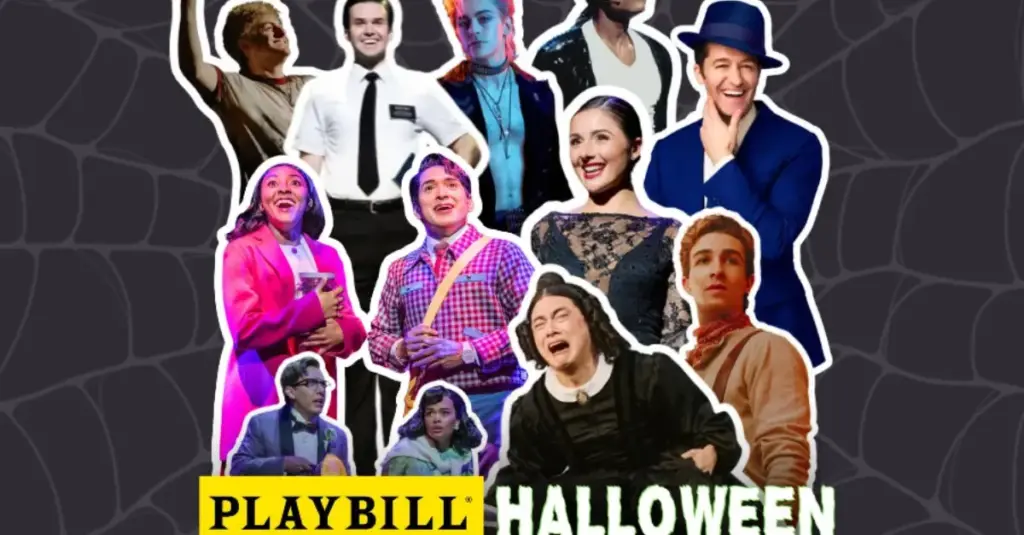
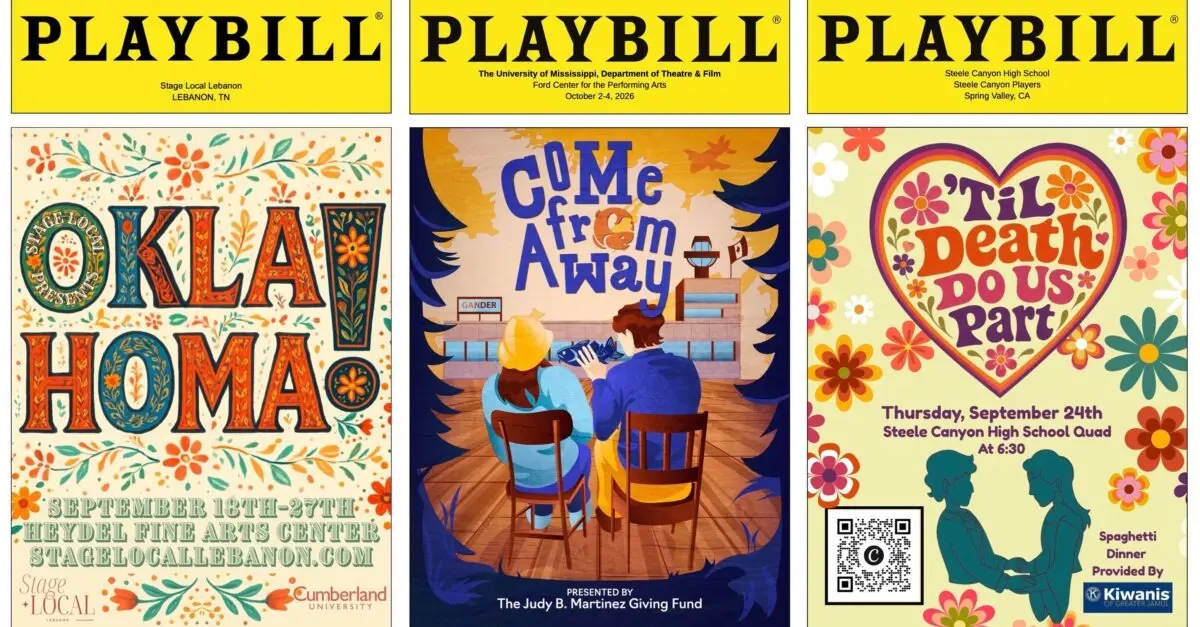
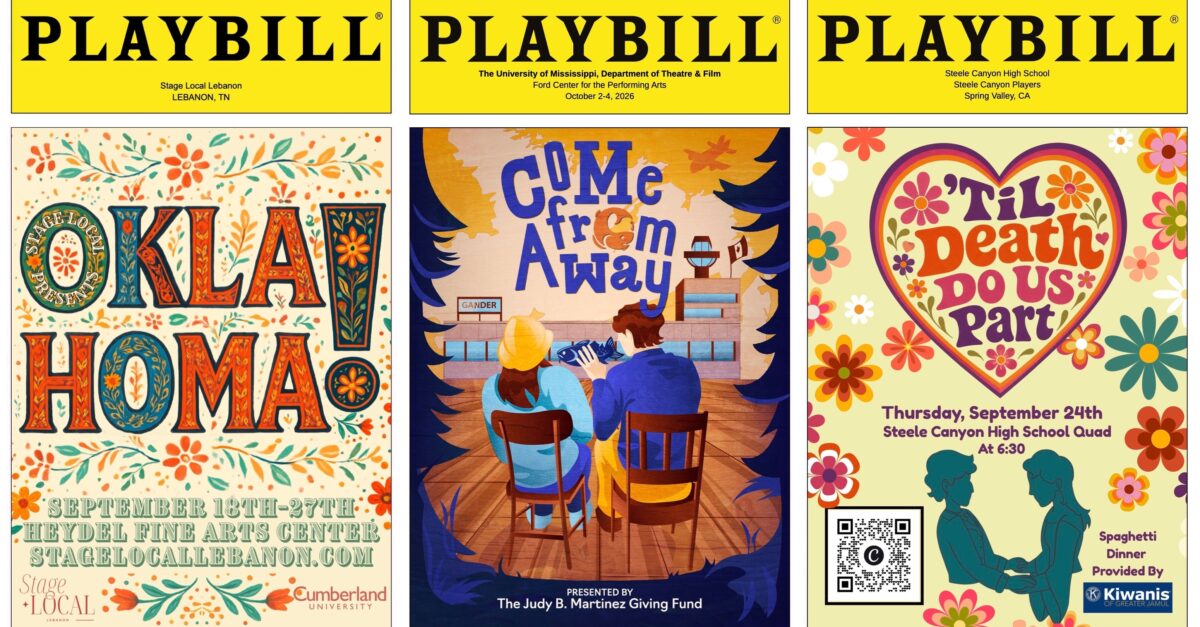
On October 2, 2026, Playbill released its latest curated showcase via the PLAYBILLDER Spotlight series, highlighting ten exceptional custom program covers from across the United States and Canada. Ranging from rural elementary school productions in Newfoundland to ambitious regional theatre projects in New York, this selection underscores how digital design tools are bridging the gap between professional artistry and community-level execution.
This comprehensive report examines the mechanics of the modern educational theatre boom, the technological evolution of custom program design, the socio-educational impacts of youth theatre participation, and the burgeoning trend of audiences treating local theatrical programs as cherished keepsakes. Through an exploration of the recent design showcase, we analyze how accessible publishing tools are empowering a new generation of theatrical storytellers, designers, and administrators.
Detailed Chronology: The Evolution of PLAYBILLDER and Community Theatre Publishing
To understand the significance of the October 2026 design showcase, one must trace the trajectory of how theatrical programs have evolved from simple paper handouts into sophisticated pieces of collectible art.
The Era of Photocopied Pamphlets (Pre-2010s)
For decades, educational and community theatre organizations operated under severe operational constraints. While professional Broadway productions boasted iconic, yellow-banner Playbills printed on high-gloss paper, schools and amateur troupes relied on rudimentary alternatives. Standard operating procedure involved double-sided photocopies stapled hastily in the corner, mimeograph machines, or desktop publishing templates that suffered from low-resolution graphics and misaligned folds.
These early iterations served a purely functional purpose: listing the cast, crew, and musical numbers. However, they failed to capture the magic of the evening or provide students with a professional tangible reward for months of grueling rehearsals. The emotional disconnect between the commercial standard of Broadway and the humble reality of a high school musical was stark.
The Digital Shift and the Birth of PLAYBILLDER
Recognizing the demand for authenticity among regional creators, Playbill introduced PLAYBILLDER—a specialized, user-friendly digital design platform that allowed anyone to build an official-looking, custom Playbill program. Initially launched as a streamlined web utility, the platform underwent successive technological overhauls to incorporate high-resolution image uploads, customizable font libraries, layout templates, and streamlined printing logistics.
Over the ensuing decade, the platform evolved from a niche novelty into an indispensable tool for thousands of educational institutions. Directors could suddenly hand their student actors a program featuring the iconic Playbill masthead, complete with professional formatting, sponsor advertisements, and personalized bios.
The Modern Era: The October 2026 Design Showcase
By the fall of 2026, the user base of PLAYBILLDER had expanded exponentially, encompassing international projects spanning from major U.S. metropolitan hubs to remote Canadian provinces. The October 2 Spotlight feature marked a watershed moment in recognizing this diversity. By explicitly featuring ten standout covers originating from elementary schools, high schools, community playhouses, and regional groups, Playbill institutionalized a platform for grassroots design innovation. The featured works demonstrated an extraordinary level of graphic sophistication, utilizing modern digital illustration, minimalist typography, and vibrant color theory that rivaled professional commercial campaigns.
Supporting Context & Metrics: The State of Educational and Regional Theatre
The explosion in custom program design is not happening in a vacuum; it mirrors a broader, robust resurgence in educational and regional theatre participation across North America.
Economic and Cultural Footprint
According to aggregate data from arts education advocacy groups and regional theatre coalitions, participation in non-profit, educational, and community theatre has rebounded past pre-2020 levels. More than 14,000 middle and high schools across the United States mount at least one fully staged musical or dramatic production annually. When factoring in elementary schools, community centers, and volunteer-run regional companies, the total volume of independent theatrical productions exceeds 40,000 events per year.
Within this ecosystem, the audience experience is paramount. Consumer research indicates that over 85% of attendees at community and educational theatrical events view the printed program not merely as an informational guide, but as a permanent keepsake. The inclusion of authentic branding elements significantly elevates the perceived value of the production for parents, alumni, and local patrons.
Technological Accessibility and Design Democratization
The modern digital creator is empowered by advanced software ecosystems. Platforms like PLAYBILLDER remove the traditional barriers to professional publishing—namely, prohibitive minimum print runs, high graphic design fees, and complex layout software requirements.
- Drag-and-Drop Architecture: Modern web-based tools allow directors, students, or parent volunteers with zero graphic design experience to construct visually stunning covers within minutes.
- Brand Integrity: By licensing the authentic Playbill aesthetic, these programs instantly grant amateur productions a layer of professional legitimacy.
- Sustainability and Hybrid Models: While physical print editions remain the gold standard for audience keepsakes, digital integration allows programs to include dynamic content such as video shout-outs, digital donation links, and cast update feeds via QR codes.
Official Perspectives and Statements
Industry leaders, educators, and design specialists have increasingly recognized the profound psychological and professional impact that access to professional-grade production materials has on developing artists.
Dr. Elena Vance, Professor of Theatre Education at the State University of New York, emphasizes the importance of tangible validation in youth arts programs:
"When a thirteen-year-old middle school student opens a program and sees their headshot, their bio, and their name printed beneath the iconic Playbill banner, something fundamental shifts in their self-perception. They stop feeling like they are merely ‘playing dress-up’ in a school gymnasium and start understanding themselves as working artists participating in a profound, centuries-old cultural lineage. The psychological weight of that tangible artifact cannot be overstated."
Marcus Thorne, a veteran high school drama director in suburban Chicago who frequently utilizes custom program platforms, highlights the logistical and motivational benefits:
"In the past, our design meetings focused on how to make our cheap stapled handouts look slightly less amateurish. Today, our student publicity team spends weeks collaborating on the PLAYBILLDER cover art. It has transformed graphic design and marketing into an integrated extension of our theatrical curriculum. The students take immense pride in handing those finished programs to audience members on opening night."
From a corporate standpoint, Playbill’s editorial team views the Spotlight series as a vital bridge connecting commercial Broadway culture with the grassroots soil from which future industry professionals inevitably sprout. By casting a national spotlight on creative regional covers—stretching from New York classrooms to Newfoundland community halls—the publication validates the tireless, often unheralded work of local arts educators and volunteer directors.
Future Outlook: The Next Frontier of Theatrical Publishing
As we look toward the remainder of the decade and beyond, the intersection of live performance and digital publishing technology is poised for even deeper integration. Several key trends are shaping the future of educational and regional theatre programs:
1. Hyper-Personalization and Augmented Reality (AR)
The next generation of custom theatrical programs will likely incorporate interactive digital layers. Imagine an audience member scanning a printed PLAYBILLDER cover with their smartphone camera, triggering an augmented reality animation of the show’s set design, or unlocking a secret video message recorded by the cast during tech week. This hybrid model marries the tactile nostalgia of traditional print with the boundless capabilities of modern digital media.
2. Expanded Global and Rural Reach
While current adoption is heavily concentrated in North America, cloud-based design platforms are breaking down geographic barriers. Rural schools in isolated regions—such as the Newfoundland production highlighted in the October 2 showcase—now enjoy the exact same design capabilities and publishing access as high schools situated in the heart of Manhattan’s theatre district. This leveling of the playing field ensures that geographic isolation no longer equates to cultural deprivation.
3. Sustainable Materials and Eco-Friendly Publishing
As environmental consciousness becomes a core priority for educational institutions, the demand for sustainable publishing solutions is rising. Future iterations of custom program platforms will increasingly feature partnerships with eco-friendly printing mills, utilizing 100% recycled paper stocks, biodegradable inks, and streamlined digital-first viewing options for patrons who prefer to bypass physical paper entirely without sacrificing the commemorative collector’s experience.
Conclusion
The October 2, 2026 PLAYBILLDER design showcase is far more than a simple gallery of attractive pamphlet covers. It is a testament to the resilience, creativity, and unyielding passion driving the grassroots of the dramatic arts. By providing elementary students, high school troupes, and regional community players with access to professional-grade design tools, platforms like Playbill are actively investing in the future of the theatre ecosystem.
As these educational institutions continue to innovate on and off the stage, the humble program has transformed into a badge of honor, a collector’s item, and a powerful symbol of artistic validation. For the next generation of actors, directors, designers, and theatre lovers, the journey to Broadway often begins with a single, custom-designed cover—proving that no matter the scale of the stage, the magic of live theatre is universal.
To design professional, Broadway-quality programs for your upcoming theatrical production, school musical, or community event, visit Playbillder.com. To properly preserve and display your theatrical memorabilia, explore the official Playbill Store.