
The American theater landscape is bracing for a profound and timely revival as Clifford Odets’ seminal 1935 agitprop masterpiece, Waiting for Lefty, prepares to take over the Classic Stage Company (CSC). Directed by acclaimed actor and director Steven Pasquale, this upcoming Off-Broadway production is scheduled to begin performances on October 15, 2026, with an official opening night slated for November 2 at CSC’s Lynn F. Angelson Theater. The engagement will run through November 22, 2026.
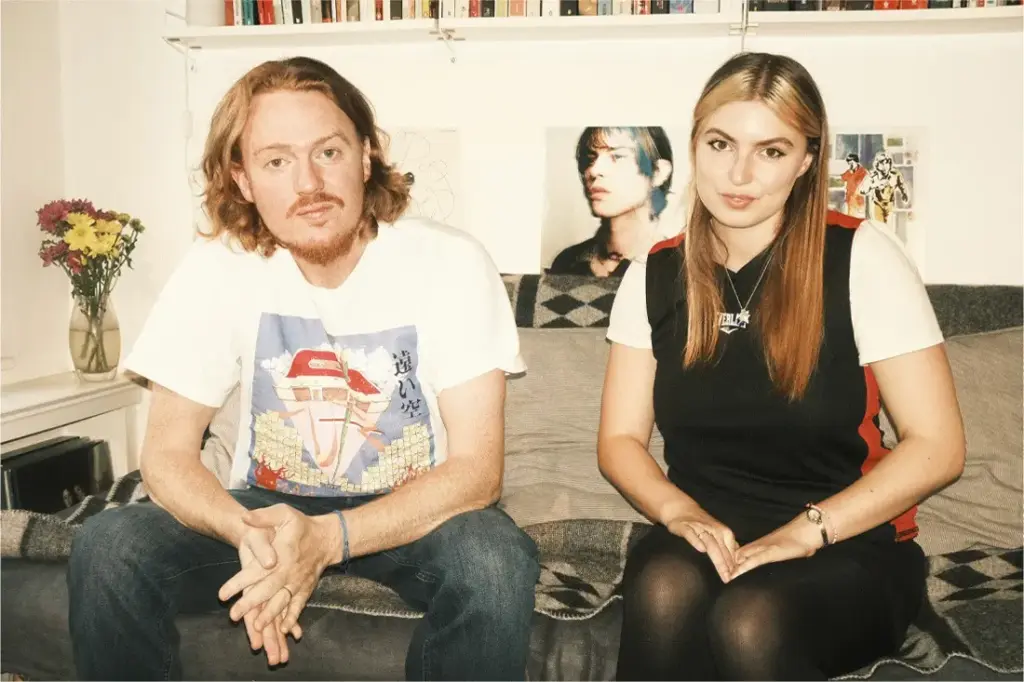
Far from a standard, museum-piece restaging of a historical artifact, Pasquale’s ambitious new vision transforms the theater space into an immersive, high-stakes union hall. Traditionally performed as a single-act play that spans roughly half an evening, this expanded iteration has been meticulously re-engineered into a full-length, multidisciplinary Brechtian evening. The production seamlessly integrates original music—composed by Yeller Tooth, the musical moniker for Sahar Milani and Cameron Scoggins—with dynamic choreography and movement direction by Susan Misner.
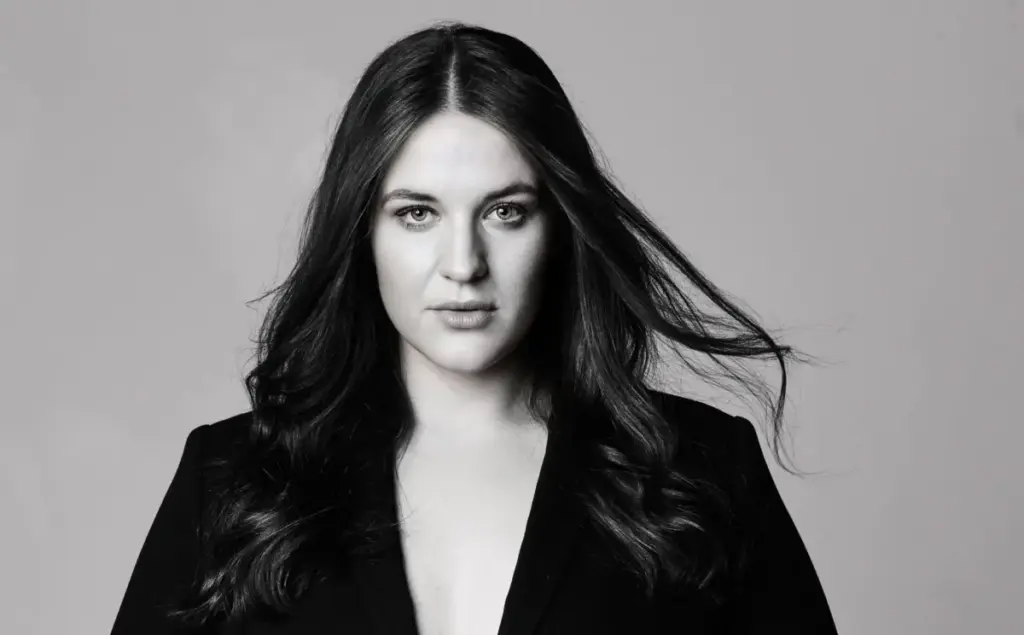
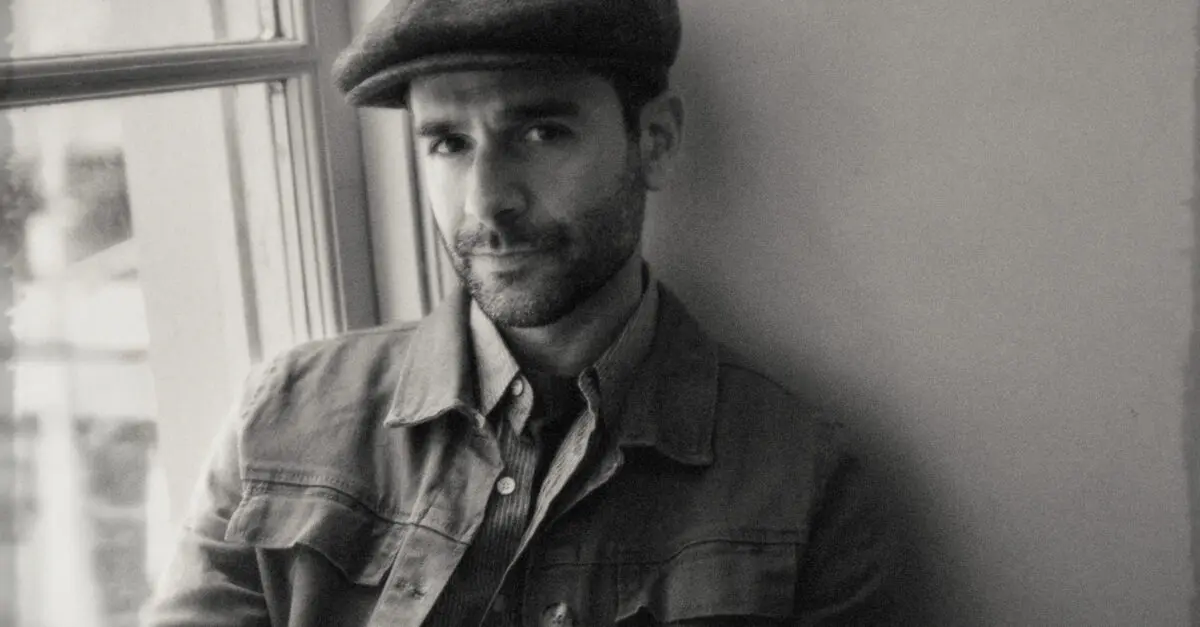
At the heart of this theatrical mobilization is a powerhouse ensemble cast featuring top-tier stage and screen talents. Newly announced cast members include Tony nominee Talaashe (English), Adam Kantor (The Band’s Visit), Raffi Barsoumian (Macbeth, Les Liaisons Dangereuses), Austin Durant (Moulin Rouge! The Musical), Greg Hildreth (I Can Get It For You Wholesale, Chicago), Doireann Mac Mahon (The Honey Trap), Zach McNally (West Side Story), Sahar Milani (Hound Dog), Cameron Scoggins (The Hills of California), and Henry Stram (Network).
As economic anxiety, labor movements, and systemic questions of collective bargaining claw their way back to the forefront of the American sociopolitical consciousness, Pasquale’s vision for Waiting for Lefty positions the work not as a relic of the Great Depression, but as a mirror reflecting the contemporary fractures of the 21st-century workforce.
Detailed Chronology
The journey toward this high-profile Off-Broadway revival began long before the doors of the Lynn F. Angelson Theater swung open for rehearsals. Understanding the trajectory of this production requires looking closely at how classic political theater is resuscitated for modern audiences.
- Pre-Production and Concept Development (Late 2025 – Early 2026): Steven Pasquale, drawing on his extensive theatrical background, conceptualized an expanded, multidisciplinary framework for Odets’ text. Rather than treating the script as a static historical artifact, Pasquale collaborated with movement director Susan Misner and musicians Sahar Milani and Cameron Scoggins (performing as Yeller Tooth) to weave a continuous sonic and physical landscape through the production.
- Casting and Ensemble Assembly (Mid 2026): Pasquale leveraged his extensive network within the theatrical community to assemble what he describes as "city’s great shapeshifters." The casting process prioritized actors who could effortlessly transition between dialogue, physical theater, musical performance, and direct address. The final roster was confirmed in the late summer of 2026, blending seasoned Broadway veterans with dynamic Off-Broadway performers.
- Announcement and Promotional Rollout (October 2, 2026): Playbill broke the official first look at the cast through exclusive portraits captured by photographer Valerie Terranova at Gibney: Agnes Varis Performing Arts Center. This announcement solidified the production’s dates, venue specifics, and complete creative team.
- Load-In and Rehearsal Phase (Early October 2026): The creative team—including scenic designer Scott Adam Davis, costume designer Márion Talán de la Rosa, lighting designer Mextly Couzin, and sound designer Palmer Hefferan—began transforming the Classic Stage Company into an experiential union hall designed to immerse the audience from the moment they step into the theater.
- First Performances (October 15, 2026): The production officially begins its limited six-week engagement at the Lynn F. Angelson Theater, inviting New York audiences to participate in the fictional yet viscerally real union meeting central to Odets’ narrative.
- Official Opening Night (November 2, 2026): The milestone red-carpet opening sets the stage for critical assessments of Pasquale’s expanded Brechtian interpretation.
- Closing Performance (November 22, 2026): The limited run concludes, marking what producers hope will be a culturally resonant touchstone in the 2026–2027 Off-Broadway season.
Supporting Context & Metrics
To fully appreciate the weight of this production, one must examine the historical legacy of Clifford Odets’ work and the metrics surrounding modern Off-Broadway revivals of socially conscious drama.
The Historical Weight of 1935
Clifford Odets wrote Waiting for Lefty in 1935 as a response to the Taxi Drivers’ Strike of 1934. Written for the Group Theatre—a revolutionary collective of actors, directors, and playwrights that included Lee Strasberg, Stella Adler, and Harold Clurman—the play debuted on a Sunday night benefit performance at the Longacre Theatre. It instantly became a cultural phenomenon.
The play’s structure is famously interactive: the audience acts as rank-and-file union members attending a meeting called to vote on whether to strike. Throughout the meeting, a series of vignettes unfolds, illustrating the grinding poverty, systemic corruption, and personal compromises forced upon working-class Americans during the Great Depression. The framing device culminates in the electrifying cry of "Strike, strike, strike!"—a rallying call that famously blurred the line between the stage and the auditorium, often prompting audience members to leap to their feet and join the demonstration.
The Modern Adaptation Metrics
- Venue Capacity: The Classic Stage Company’s Lynn F. Angelson Theater provides an intimate, flexible seating configuration that allows directors to break the fourth wall effectively. With an approximate seating capacity tailored for immersive and experimental staging, the venue is uniquely suited to Pasquale’s vision of turning the house into a union hall.
- Run Duration: The production is slated for a strictly limited 38-performance run over six weeks, maximizing urgency and scarcity for ticket buyers in a competitive autumn theater market.
- Creative Team Scope: Unlike traditional revivals that rely solely on text and conventional staging, this production features a dedicated movement director (Susan Misner) and an integrated live musical component (Yeller Tooth), reflecting a modern trend toward hybrid theatrical experiences that merge playwriting, dance, and live gig culture.
Official Statements
The conceptual framework of this revival is best understood through the words of its director and creators. Speaking on his vision for transforming a historical one-act into a full-length evening of theater, Steven Pasquale offered deep insight into his artistic motivations:
"I wanted to do a Brechtian, full evening of Waiting for Lefty that feels multidisciplinary, and so I wanted to gather some of the city’s great shapeshifters, actors, mover, players, musicians, singers, comedians, dramatists, to take a really big swing and make a full evening out of what is traditionally a half of an evening."
Pasquale elaborated on how the unique ensemble came together, emphasizing the organic nature of the casting process in an era of heightened political and social awareness:
"And so that’s how we ended up with this world-class room of people. Nutshell? I basically just asked some of my favorite actors, and they all jumped at the chance to do this play at this moment in this country."
The enthusiasm expressed by the director is mirrored by the cast. Tala Ashe, known for her powerful work in English, and Adam Kantor, celebrated for his deeply moving performance in The Band’s Visit, anchor an ensemble that approaches the material not as a history lesson, but as a living dialogue with contemporary labor struggles. The integration of original compositions by Yeller Tooth (Sahar Milani and Cameron Scoggins) further bridges the gap between 1935 New York and the anxieties of the present day, creating a sonic texture that underscores the emotional turbulence of characters pushed to their absolute limits.
Future Outlook
As the curtain rises on October 15, 2026, at the Classic Stage Company, Waiting for Lefty stands as a major bellwether for the trajectory of political and ensemble-driven theater in New York City.
The success of Steven Pasquale’s production could signal a broader resurgence for agitprop and socially engaged drama on Off-Broadway stages. In an era marked by rapid technological shifts, gig-economy precarity, and renewed labor organizing across various industries—from writers and actors to warehouse and service workers—Odets’ central question remains as urgent as ever: What are you willing to risk for dignity and a fair share of the fruit of your labor?
Beyond its immediate limited engagement through November 22, 2026, this revival will likely be scrutinized by artistic directors, theater historians, and critics looking for models of how classic political texts can be successfully expanded, modernized, and made relevant to contemporary audiences without losing their historical teeth. If Pasquale and his ensemble of "shapeshifters" achieve their goal, Waiting for Lefty will not merely be remembered as a successful revival, but as a galvanizing theatrical event that successfully bridged the gap between the struggles of the 1930s and the uncertainties of the modern world.