
Executive Overview
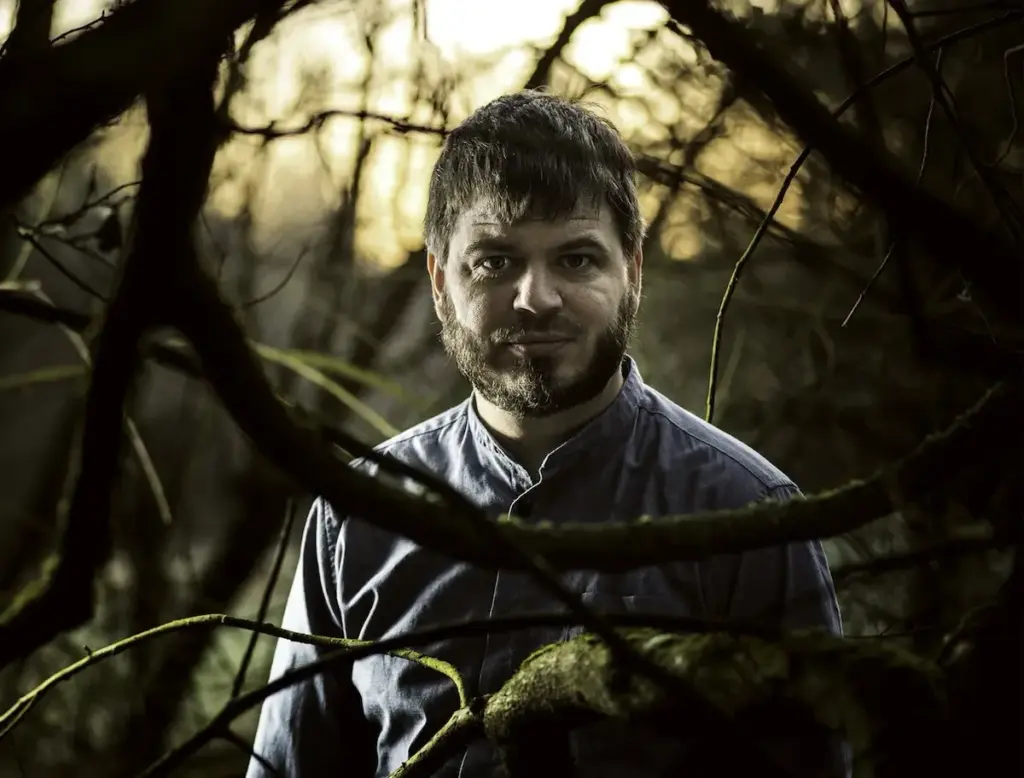
The New York theatre scene is buzzing with the arrival of Good Time Charlie, the poignant, deeply personal, and highly anticipated new work by Obie Award-winning writer and performer Ryan J. Haddad. Making its world premiere Off-Broadway at The Public Theater’s Martinson Hall, the production began its fiercely contested run on September 24, officially opening on October 9. Due to overwhelming demand and critical curiosity, the limited engagement has already secured an extension, keeping the production running through October 25.
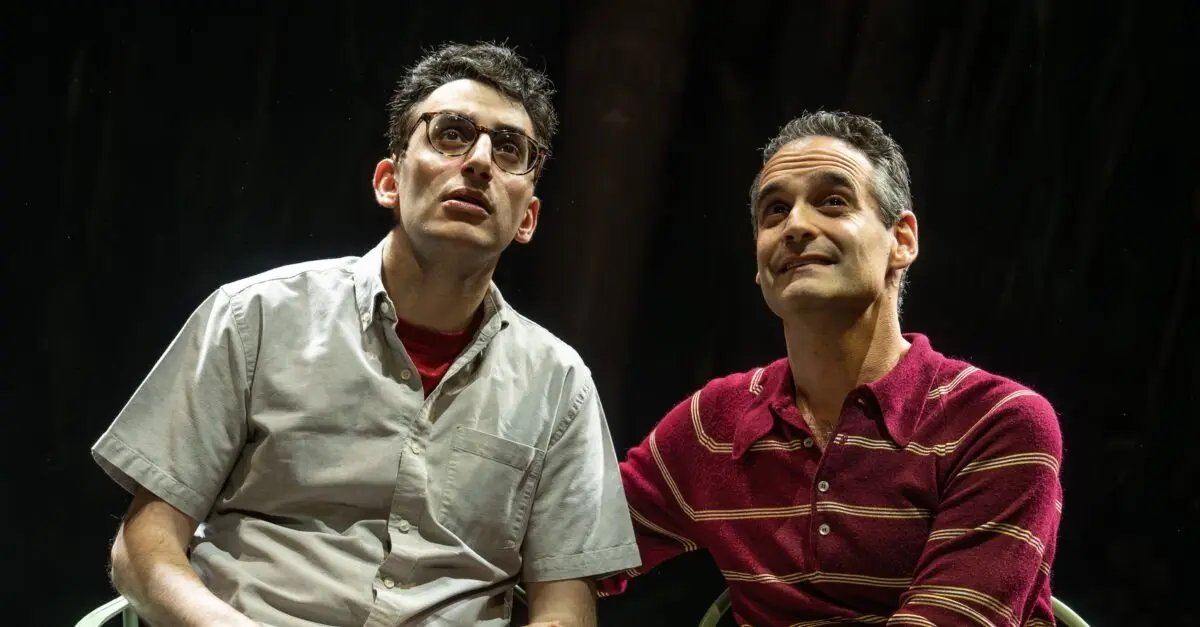
Directed with a keen eye for emotional nuance by Danny Sharron, Good Time Charlie marks a major new milestone in Haddad’s career following the widespread acclaim of his breakout hit Dark Disabled Stories. The play explores generational bonds, queer history, family dynamics, and the transformative power of theatre. At its heart is the story of a theatre-loving gay dentist who discovers a kindred spirit in his young nephew—a dynamic that serves as a lens through which to examine time, societal evolution, and personal identity.
Supported by a stellar ensemble cast featuring veteran stage and screen actors alongside dynamic rising talents, the production has quickly become one of the most talked-about events of the autumn Off-Broadway season. As the reviews roll in from major cultural critics across New York City, Good Time Charlie is cementing its status as a vital piece of contemporary queer storytelling. This comprehensive report delves into the production’s chronology, creative architecture, critical reception, and the broader cultural context surrounding its run at The Public Theater.
Detailed Chronology: From Page to Stage
The journey of Good Time Charlie to Martinson Hall is the result of years of artistic cultivation, meticulous workshopping, and a shared vision between playwright Ryan J. Haddad and director Danny Sharron. Known for his uncompromisingly authentic voice and his dedication to centering disabled and queer narratives, Haddad began conceptualizing this piece as a tribute to familial legacy and the unsung queer figures who shape our lives quietly and profoundly.
Pre-Production and Rehearsals
As rehearsals commenced in late summer, the creative team focused on establishing the delicate tonal balance of the script—a work that swings between uproarious family comedy and devastating emotional introspection. Sharron, working closely with Haddad, cultivated an environment of deep collaboration among the ensemble.
The casting process brought together a powerhouse of theatrical talent. The ensemble is anchored by Jonathan Raviv in the title role of Charlie, supported by Timothy Bagley as Lou, Michael Cristofer as Sheldon, Beth Malone as Janice, Nael Nacer as Charlie Sr. and Bob, and Artemis Pebdani as Joan and Judy. The understudy bench—featuring Sherz Aletaha, Nicholas Barrón, and Doug Shapiro—ensured the production’s rigorous schedule could be met without missing a beat.
Performances and Opening Night
Performances officially commenced on September 24, drawing immediate attention from theatre insiders, cultural aficionados, and devoted fans of Haddad’s previous work. Word-of-mouth spread rapidly through the downtown theatre community, praising the production’s warmth, wit, and emotional resonance.
By the time the official opening night arrived on October 9, expectations were exceptionally high. The opening night gala at The Public Theater was attended by luminaries of the Off-Broadway and Broadway circuits alike, celebrating not just a new play, but a significant milestone for authentic representation on the American stage. In response to the immediate box office velocity and rapturous audience reception, theatre management announced a formal extension of the run through October 25, ensuring that more patrons have the opportunity to experience the Martinson Hall staging.
Supporting Context & Metrics: The Creative Engine Behind Good Time Charlie
While Ryan J. Haddad’s writing and the powerhouse performances of the ensemble naturally draw the lion’s share of attention, the world of Good Time Charlie is brought to life by a world-class creative and technical team. Every element of the production’s design has been meticulously crafted to support the play’s shifting temporal landscapes and emotional register.
Design and Production Metrics
- Scenic Design by Afsoon Pajoufar: Pajoufar has crafted a versatile, evocative set within Martinson Hall that transitions seamlessly between eras, reflecting both the domestic intimacy of family homes and the glittering, escapist allure of the theatre.
- Costume Design by Enver Chakartash: Chakartash’s costume choices serve as a visual history of the characters, charting decades of shifting American fashion while underscoring individual personalities—from the conservative constraints of earlier generations to the vibrant expressions of modern queer identity.
- Lighting Design by Barbara Samuels: Samuels utilizes light not merely for illumination, but as an emotional barometer, shifting palettes to emphasize moments of memory, theatricality, and stark reality.
- Sound Design and Original Music by Ryan Gamblin: Gamblin weaves an auditory tapestry that blends period-specific soundscapes with an evocative original score, grounding the audience firmly in the emotional headspace of the protagonist.
- Hair, Wig, and Makeup Design by Robert Pickens: Pickens ensures historical and contemporary accuracy across the multidecade narrative, assisting the actors in their physical transformations.
- Specialized Creative Support: The production’s safety and integrity are maintained by fight director Tom Schall, while music consultant Andrea Grody and dramaturg Sarah Lunnie provide intellectual and structural rigor. Stage management is led by production stage manager Katie Ailinger and stage manager Rico Froehlich.
Critical Reception Matrix
As reviews flooded in on and immediately following the October 9 opening, critics across New York’s cultural media landscape weighed in on the production’s merits. Outlets ranging from traditional theatre guides to digital-first critics offered a multifaceted assessment of the work:
- 1 Minute Critic (Matthew Wexler): Highlighted the intimacy of the staging and the profound generational dialogue embedded within Haddad’s script.
- New York Theatre Guide (Joe Dziemianowicz): Praised the sharp, empathetic direction of Danny Sharron and the standout performances of the ensemble cast.
- New York Stage Review (Michael Sommers): Explored the thematic depth of the play, focusing on how times and people change within the framework of queer familial lineage.
- New York Theater (Jonathan Mandell): Emphasized Haddad’s distinct theatrical voice, noting how Good Time Charlie builds upon the foundation laid by Dark Disabled Stories.
- TheaterMania (Zachary Stewart): Characterized the production as a heartfelt, beautifully observed tribute to a favorite gay uncle, balancing humor with sharp social observation.
- Vulture (Jackson McHenry): Offered a thoughtful analysis of the play’s structural ambitions and its place within the broader canon of contemporary downtown theatre.
Official Statements and Artistic Vision
In interviews surrounding the world premiere, Ryan J. Haddad has been vocal about the personal genesis of Good Time Charlie. Moving away from the strictly autobiographical solo-performance format of Dark Disabled Stories, Haddad has challenged himself to write a multi-character narrative that broadens the scope of his theatrical lens while maintaining the razor-sharp wit and uncompromising honesty that defined his earlier work.
"Writing about queer lineage, about the people who came before us and built spaces for us to exist in, is a profound responsibility," Haddad shared in promotional materials for The Public Theater. "With Charlie, I wanted to look at how we inherit our passions—whether it’s an obsessive love for the theatre, a stubborn streak, or a quiet way of being in the world. It’s a love letter to the uncles, the mentors, and the kindred spirits who make living out loud possible, even when the world tells you to be quiet."
Director Danny Sharron echoed these sentiments, emphasizing the collaborative energy that defined the rehearsal room. "Ryan writes with a generosity of spirit that invites everyone—actors, designers, and ultimately the audience—into the family. Our goal with this production was to honor the humor and the heart of his writing while giving the space for these complex, messy, beautiful human relationships to breathe."
The Public Theater’s leadership has similarly framed the production as central to its mission of championing bold, boundary-pushing American playwrights. By offering Martinson Hall as the incubator for Good Time Charlie, the institution continues its historic legacy of launching plays that challenge cultural norms and redefine what stories deserve center stage.
Future Outlook: What Lies Ahead for Good Time Charlie
With its current extension running through October 25, Good Time Charlie is currently living its best life in the vibrant ecosystem of Off-Broadway theatre. However, theatre industry insiders are already speculating on the production’s future trajectory.
Plays that successfully marry personal intimacy with universal cultural themes—especially those developed at institutions as prestigious as The Public Theater—frequently find extended lives beyond their initial runs. Given the stellar reviews from outlets like TheaterMania, Vulture, and the New York Theatre Guide, regional theatre artistic directors across the United States are undoubtedly taking note. The play’s manageable cast size and flexible design requirements make it an ideal candidate for regional productions in the coming seasons.
Furthermore, the continued acclaim surrounding Ryan J. Haddad solidifies his status as one of the most exciting rising voices in American playwriting. As audiences increasingly demand authentic, intersectional stories that reflect the full spectrum of human experience, works like Good Time Charlie point the way forward for contemporary drama.
How to Attend and Stay Updated
For those wishing to catch the extended run of Good Time Charlie at Martinson Hall before the final curtain drops on October 25, tickets can be secured by visiting the official website of The Public Theater at PublicTheater.org. Playbill and other leading cultural outlets will continue to update their review roundups and coverage as the production completes its celebrated world premiere engagement.