
Executive Overview
India’s live entertainment landscape is experiencing an unprecedented, high-stakes golden age, characterized by unprecedented ticket demand, multi-city stadium runs, and astronomical revenues. Yet, beneath the glittering surface of record-breaking ticket sales and euphoric fan reactions lies a stark and persistent structural reality: the country is suffering from a critical shortage of modern, purpose-built live music infrastructure.
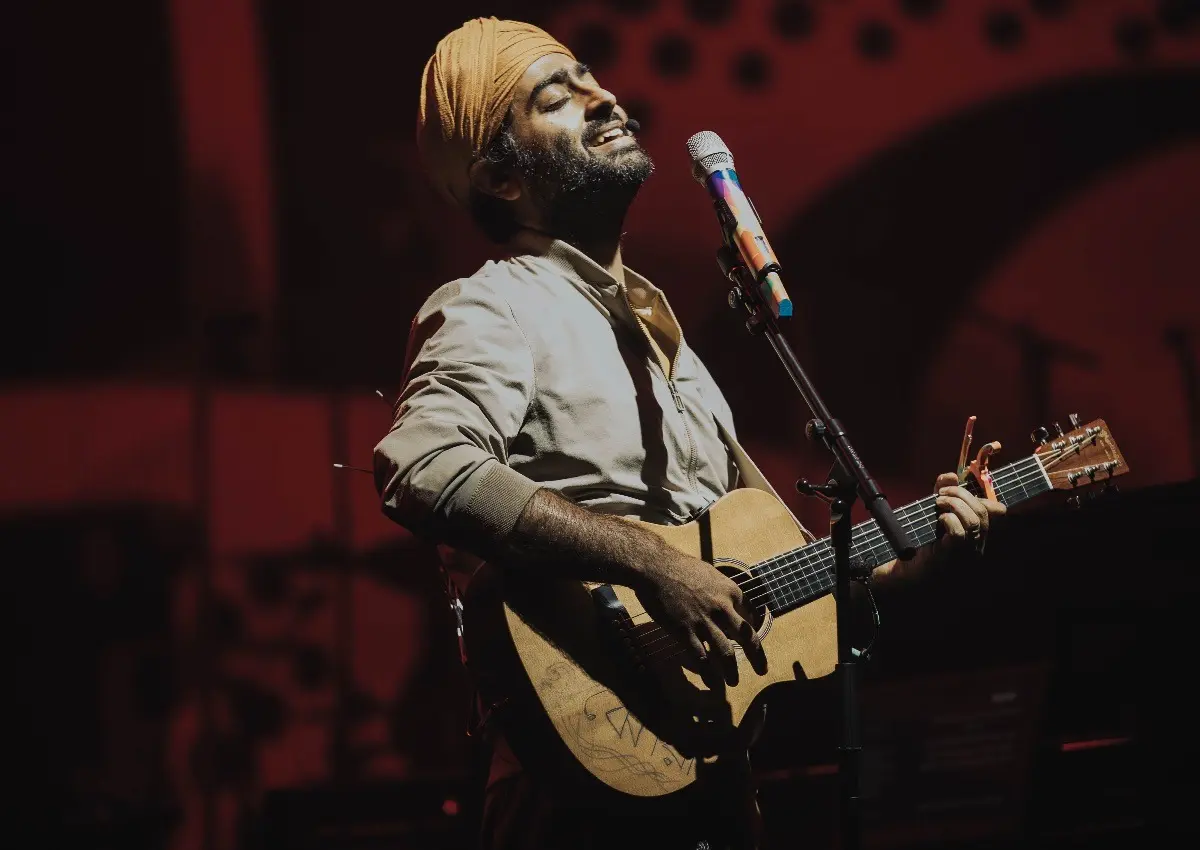
This paradox is brought into sharp relief by the latest touring cycle of playback singing titan Arijit Singh. Promoted by Team Innovation and ticketed via thumpN, Singh’s highly anticipated return to the live road was heavily marketed as a grand "stadium tour." However, an analytical look at the itinerary reveals that the reality on the ground is far more nuanced. True to the modern Indian live touring blueprint, the run leans heavily on multipurpose open-air grounds, racecourses, and convention centers rather than dedicated concert arenas or purpose-built stadiums.
While Singh’s tour is guaranteed to be a commercial triumph—continuing a wave of massive tours by Punjabi and international superstars alike—it exposes deep bottlenecks in India’s events ecosystem. Promoters are forced to transform non-traditional spaces like racecourses and convention grounds into temporary concert venues. At the same time, fans are increasingly navigating the friction of tiered, phased ticketing models.
As India cements its status as a vital stop on the global touring circuit, this report examines the mechanics of Singh’s latest outing, the venue realities across major Indian metropolitan cities, the friction points in contemporary ticketing, and the pressing infrastructure crisis that every major artist, promoter, and stakeholder must continue to navigate.
Detailed Chronology & Tour Architecture: Beyond the "Stadium" Tag
When Team Innovation and thumpN first pulled back the curtain on Arijit Singh’s latest touring venture, the promotional language used the familiar shorthand of a major global stadium run. For millions of fans eager to catch one of modern Indian cinema’s most prolific and beloved voices, the designation promised massive scale, immersive production values, and monumental crowds.
However, a closer examination of the scheduled tour stops shows that true stadium infrastructure remains a luxury in the subcontinent. Out of the cities currently locked into the routing, only three venues qualify as actual sports stadiums:
- Ahmedabad: Narendra Modi Stadium. Here, Singh will etch his name into the history books as only the third musical artist to stage a standalone concert at the gargantuan venue, following Coldplay’s landmark booking in January 2025 and Diljit Dosanjh’s November outing.
- New Delhi: Jawaharlal Nehru Stadium. Singh, alongside fellow touring juggernaut Diljit Dosanjh, is poised to challenge or break the attendance benchmark recently set in the capital, where artist Karan Aujla drew an unprecedented 75,000 attendees.
- Hyderabad: Gachibowli Stadium. A staple for large-scale sporting and cultural gatherings in Telangana, providing a tried-and-tested open-air sporting bowl experience.
Conversely, the remaining announced legs of the tour diverge from traditional sports venues, highlighting the adaptability required by modern promoters.
In Mumbai, Singh will command the historic Mahalaxmi Racecourse—a sprawling urban green space that previously hosted Ed Sheeran, who drew a then-record 50,000 people in March 2024. In Bengaluru, the tour touches down at the NICE Grounds, while Indore plays host at the C21 Estate. In Jaipur, the staging ground is the massive, 850,000-square-foot Jaipur Exhibition and Convention Centre (JECC), managed by the Accor group.
Meanwhile, dates for Chandigarh and Pune remain shrouded in anticipation, with exact venues still under wraps. Despite these logistical gaps, tickets across all nine cities have gone live, triggering immediate rushes from the fan base—and subsequent waves of consumer discourse.
Supporting Context & Metrics: The Economics and Realities of Modern Touring
To understand the weight of Arijit Singh’s current run, one must look at the broader macroeconomic indicators governing India’s live entertainment sector. Over the past twenty-four months, India has transitioned from a secondary market for international and domestic touring acts to a primary revenue driver. The success of tours by international heavyweights like Ed Sheeran and Dua Lipa, coupled with the monumental domestic market dominance of artists like Diljit Dosanjh, Karan Aujla, and Arijit Singh himself, proves that disposable income and cultural appetite for live events are at an all-time high.
Yet, this surge exposes profound logistical friction points. Unlike Western or East Asian markets, where cities feature acoustically treated, multi-purpose arenas equipped with state-of-the-art rigging, permanent sound delay towers, and seamless ingress/egress systems, Indian promoters must build temporary ecosystems from scratch.

Converting spaces like the Mahalaxmi Racecourse or the JECC into concert-ready venues requires extraordinary capital expenditure. Promoters must import or locally source heavy-duty temporary flooring to protect turf, erect massive temporary scaffolding to handle modern lighting and LED arrays, and construct temporary VIP enclosures, concessions, and medical bays. These overheads directly impact tour economics, driving up ticket prices and narrowing profit margins despite massive gross revenues.
Furthermore, the ticketing rollout for Singh’s tour has reignited conversations around consumer transparency. As tickets launched across the nine cities, many fans took to social media platforms to voice frustrations regarding pricing structures. A recurring point of contention has been the communication surrounding "early bird" rates.
Fans reported purchasing tickets under the impression that initial prices represented standard baseline costs, only to find that subsequent phases of ticket releases—structured to capitalize on surging demand—carried significantly higher price tags. This phased release model, while standard practice in global dynamic pricing strategies, underscores the tension between surging market demand and consumer protection in an evolving digital ticketing landscape.
Industry Perspectives & Official Statements
While Team Innovation and thumpN have maintained a tight-lipped focus on execution and production quality, industry insiders and venue managers have been candid about the tightrope walk required to mount shows of this magnitude.
Speaking anonymously, senior live-entertainment producers note that booking a venue in India is rarely just about paying a rental fee. It involves navigating complex municipal permissions, bureaucratic red tape regarding sound curfews, and coordination with local traffic and security forces.
"When you look at a tour of this scale, the public sees the glitz, the packed grounds, and the social media reels," shares a veteran promoter who has worked on multiple major Indian stadium runs. "What they don’t see are the months spent negotiating permissions, the massive logistical challenges of turning a racecourse or a convention centre into a safe environment for 50,000-plus people, and the complete lack of standardized venue technical riders in most tier-one cities."
Meanwhile, consumer advocacy groups and ticketing watchdogs point out that the rapid commercialization of live music in India demands greater regulatory clarity, particularly regarding secondary ticketing markets, transparent pricing tiers, and clearer disclosures on phased ticket releases. As digital platforms like thumpN handle millions of concurrent hits within seconds of a drop, the margin for user experience errors narrows dramatically. Fans expect not just world-class musical performances, but an equitable, friction-free purchasing journey.
Future Outlook: The Road Ahead for Indian Live Entertainment
Arijit Singh’s latest tour will almost certainly close out as another multi-city commercial sell-out. It will reinforce his undisputed status as India’s premier vocal artist and validate the immense appetite for high-production live experiences. However, the tour also serves as a clarion call for structural evolution within the Indian entertainment economy.
The central takeaway from this routing is clear: India’s live music industry has outgrown its physical infrastructure.
Hope is on the horizon. Real estate developers, entertainment conglomerates, and municipal bodies have signaled plans for purpose-built arenas and large-scale entertainment complexes in key hubs like Mumbai, Bengaluru, and Guwahati. These proposed developments aim to bridge the gap by offering acoustics engineered specifically for music, permanent rigging points, robust public transit connectivity, and predictable operating costs.
Until these capital-intensive projects break ground and open their doors, however, stakeholders across the board—from veteran artists and visionary promoters to everyday fans—will continue to operate in a high-stakes compromise. They will transform racegrounds, convention centers, and cricket pitches into temporary cathedrals of sound, proving that while India’s passion for live music is boundless, its physical canvas is still waiting to catch up.