
Executive Overview
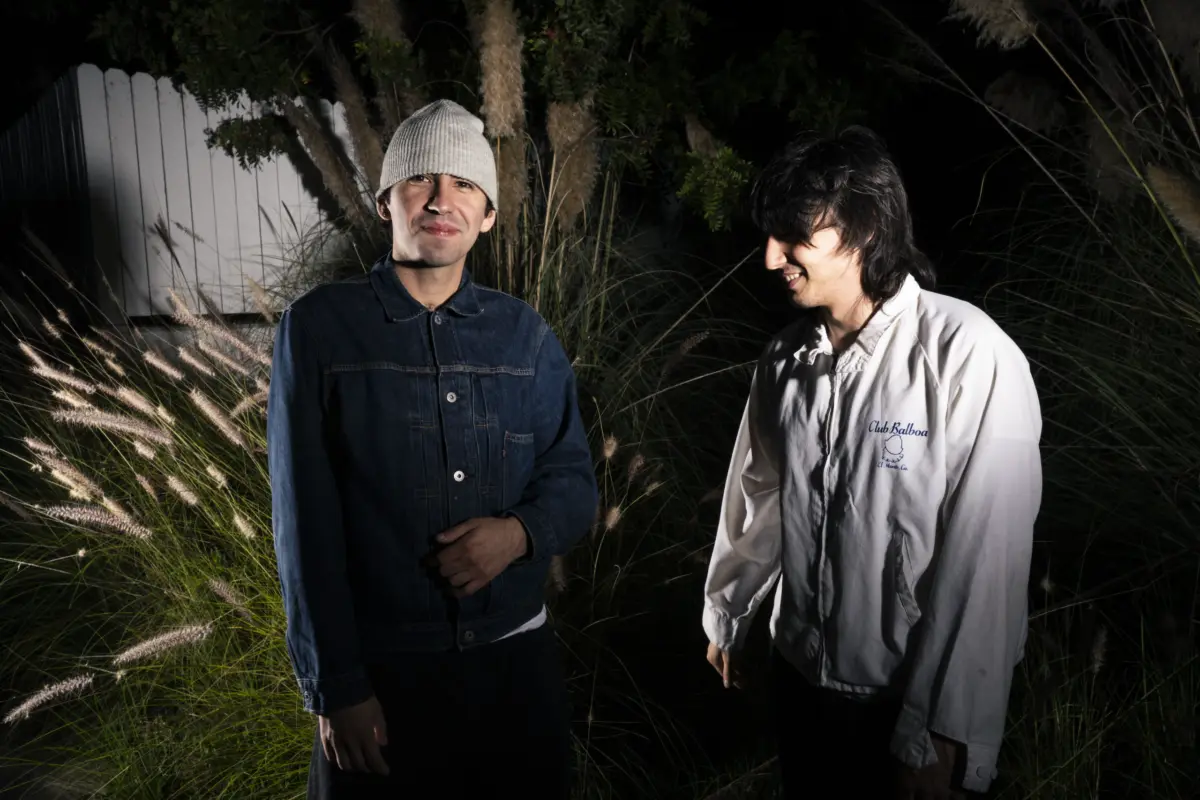
In an era defined by hyper-compressed digital singles, algorithmic tailoring, and transient internet micro-genres, the debut full-length collaboration between producer Charlie Ziman and multi-instrumentalist Nathan Tsunoda feels like an intentional act of rebellion. Titled 1+1, the expansive, fourteen-track project marks a definitive pivot for both artists, stepping away from the swift-moving currents of contemporary pop production into a more meditative, sun-baked, and structurally adventurous sonic landscape.
Ziman, whose production credits notably include major work with viral Los Angeles singer-songwriter Malcolm Todd, brings a sharp, modern ear to the proceedings. However, alongside Tsunoda, he has deliberately excised the glossy immediacy of modern chart-toppers in favor of an organic, analogue-leaning aesthetic. Drawing deeply from a shared Californian lineage—one that stretches effortlessly from the breezy, bass-heavy grooves of Sublime to the psych-rock expansiveness of Tame Impala—the duo has crafted a record that is simultaneously nostalgic and forward-facing.
At the center of this campaign is "Wish 4," a sprawling, seven-minute lead single that challenges the industry’s rigid adherence to short attention spans. The track serves as a thematic anchor for the album, exploring the fragile psychological tension between the tranquility of the present moment and the anxiety of impending ephemerality.
Yet, as 1+1 enters the cultural consciousness, it arrives amidst a broader critical conversation about the ongoing revival of "indie sleaze"—the gritty, garage-rock-infused aesthetic of the early 2000s. While commentators have been quick to lump emerging guitar-based projects into this nostalgic wave, Ziman is quick to distance their work from rote revivalism. Rejecting geographic imitation and pastiche, the duo has instead focused on refracting their diverse influences through a thoroughly contemporary, West Coast lens. With a robust tracklist boasting fourteen distinct compositions, 1+1 is not merely an introductory statement; it is a meticulously constructed bid for long-term artistic permanence.
Detailed Chronology: From Underground Collaborations to 1+1
The genesis of 1+1 cannot be understood without examining the parallel artistic trajectories of its creators. Over the past several years, Charlie Ziman has quietly built a reputation as one of the most versatile and sought-after young producers in the Los Angeles independent music ecosystem. Operating primarily behind the scenes, Ziman’s production work with Malcolm Todd helped catalyze that artist’s explosive rise on platforms like TikTok and SoundCloud, establishing Ziman as a master of contemporary groove, warm vocal processing, and infectious rhythmic pacing.
However, collaboration has always been central to Ziman’s ethos. When he and Nathan Tsunoda first converged in the studio, the objective was not to replicate the chart-friendly mechanics of Ziman’s previous pop ventures, but rather to construct a sanctuary for their mutual musical obsessions. This partnership first crystallized in the creative aftermath of their critically well-received Supernova EP, released just last year. While Supernova functioned as a testing ground—a collection of nocturnal vignettes that hinted at their collaborative chemistry—it left plenty of territory unexplored.
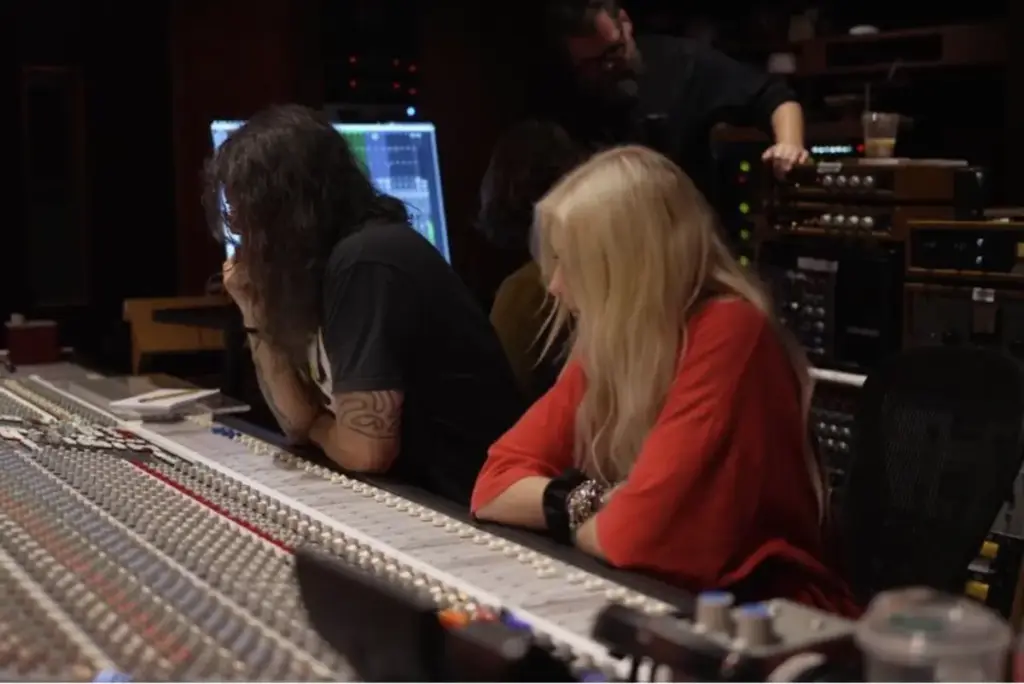
Buoyed by the creative momentum of the EP, the duo retreated deeper into the studio to conceptualize a full-length statement. Eschewing the fast-paced, single-driven release strategies that dominate modern indie music, Ziman and Tsunoda spent months refining their arrangements. They experimented with vintage microphone placements, tape saturation, and sprawling instrumental bridges.
The turning point in the album’s creation arrived with the conceptualization of "Wish 4." Rather than editing the track down to the standard three-minute radio format, the pair elected to let the song breathe, stretching it across a mesmerizing seven-minute runtime. This decision set the structural blueprint for 1+1 as a whole: a record defined by patience, dynamic shifts, and immersive atmospheric world-building.
As tracking wrapped and the sprawling fourteen-song sequence was finalized—featuring evocative titles such as "Cosmos," "Mental Health Day," and "Destroy My Life"—the duo emerged with a body of work that captures the duality of contemporary Californian youth culture: sun-drenched hedonism countered by profound introspective isolation.
Supporting Context & Metrics: The Californian Psyche and the "Indie Sleaze" Disconnect
To fully appreciate the sonic architecture of 1+1, one must examine the cultural and geographical touchstones that informed its creation. California has long functioned as a mythic landscape in American music, capable of inspiring both the effortless laid-back reggae-rock of Sublime’s Long Beach and the kaleidoscopic, bedroom-psychedelia of Kevin Parker’s Tame Impala. Ziman and Tsunoda channel these disparate historical threads not as a direct imitation, but as an emotional baseline.
Industry metrics and cultural data indicate a growing consumer fatigue with hyper-processed, algorithmically optimized pop music. In recent quarters, streaming data has shown a marked resurgence in organic instrumentation, vinyl sales, and prolonged listening sessions. Listeners are increasingly gravitating toward albums that offer narrative cohesion rather than isolated playlists. In this climate, a fourteen-track album featuring a seven-minute centerpiece like "Wish 4" is a calculated risk that aligns perfectly with a shifting market appetite for substance and depth.
Simultaneously, the music press has obsessed over the alleged return of "indie sleaze"—the late-2000s New York-centric phenomenon characterized by flash photography, messy aesthetics, and jagged, post-punk guitar lines. Yet, Ziman’s perspective offers a necessary corrective to this trend-obsessed media cycle. Operating from the West Coast rather than the cultural hubs of Manhattan or Brooklyn, the duo views the revivalist impulse with healthy skepticism.
When analyzing bands that mechanically replicate the exact sonic signatures of The Strokes, Interpol, or the Yeah Yeah Yeahs circa 2004, Ziman’s critique is piercingly direct: Why? Rather than attempting to recreate a geographically and temporally distant movement, 1+1 reflects a localized evolution. By taking the angular energy of indie rock and meshing it with the sun-bleached, laid-back textural warmth unique to the West Coast, Ziman and Tsunoda have bypassed superficial nostalgia, opting instead for a hybridized genre identity that feels authentically theirs.
Official Statements & Creative Philosophy
The artistic philosophy driving 1+1 is best understood through the direct words of its creators, who view their debut not as a fleeting moment in the digital content cycle, but as a permanent addition to the musical canon.
Discussing the long-term ambitions for the record, Charlie Ziman laid out a remarkably bold vision during a recent interview:
"Hopefully, the record will become a classic in 20 years," Ziman stated, articulating an ambition that stands in stark contrast to the disposable nature of modern streaming culture.
This desire for longevity directly informed the meticulous arrangement choices found throughout the album. It is particularly evident on "Wish 4," a composition that requires active listener engagement rather than passive background streaming. Explaining the conceptual weight behind the album’s expansive lead single, the duo elaborated on its underlying emotional mechanics:
According to the artists, the seven-minute track explores "the contrast between the peace of the present moment and the ‘what ifs’ of how it will end."
This thematic preoccupation with temporal anxiety—balancing the sublime comfort of the now against the inevitable specter of future loss—gives 1+1 an emotional gravity that elevates it far above standard indie-pop fare.
Furthermore, Ziman addressed the critical discourse surrounding genre tags, specifically pushing back against reductive efforts to categorize their sound under the umbrella of the internet-driven indie sleaze revival:
"We never really meant to dig into the whole indie sleaze thing," Ziman explained. "I’m also not in New York. I think people are actually having a lot of fun there. Like any genre, there’s a lot of people trying to do exactly the thing that The Strokes and other artists did 20 years ago; to that I ask, why? I think you should do that and put a twist on it, and mesh it into your own thing."
This manifesto of creative synthesis—acknowledging historical precedent while fiercely guarding artistic autonomy—serves as the foundational bedrock upon which every track on 1+1 is constructed.
Future Outlook: The Road Ahead for Ziman and Tsunoda
As 1+1 officially makes its way into the hands of critics, fans, and vinyl collectors, the release marks a critical juncture in the professional lives of both Charlie Ziman and Nathan Tsunoda. For Ziman, stepping out from behind the mixing desk as a primary architect of a full-length album proves that his production talents extend far beyond shaping the sounds of rising pop auteurs. It establishes him as a singular artistic voice with a distinct worldview. For Tsunoda, the project serves as a showcase for his multi-instrumental dexterity and his ability to weave complex emotional narratives into rich instrumental beds.
The rollout of the album, anchored by the critical success and cultural intrigue surrounding "Wish 4," sets a high watermark for the duo’s future output. Looking ahead, the challenge for Ziman and Tsunoda will be translating the intricate, studio-crafted soundscapes of 1+1 into a compelling live performance environment. Given the organic nature of their instrumentation and their deep roots in the California music scene, fans can anticipate intimate, highly atmospheric live incarnations of these songs in the near future.
Ultimately, 1+1 is a triumph of intentionality over impulse. By refusing to chase fleeting internet aesthetics, by anchoring their sound in the rich soil of Californian musical history, and by demanding that their listeners slow down and immerse themselves in long-form compositions, Charlie Ziman and Nathan Tsunoda have crafted a debut that justifies its own ambition. Whether or not it achieves Ziman’s twenty-year prophecy of classic status, it stands today as an uncompromising, beautifully executed milestone in contemporary independent music.
1+1 Official Tracklist
- "Cosmos"
- "I Am No One"
- "Mental Health Day"
- "Wish 4"
- "In The Stars"
- "The Truth!"
- "Myriad"
- "Halfway"
- "Wiretooth"
- "Twisted"
- "Price2Pay"
- "You"
- "Lil Song"
- "Destroy My Life"