
Executive Overview
Nearly a decade after the curtain fell on McKinley High’s most infamous show choir, the halls of Glee are echoing with music once more. In a development that has sent shockwaves through pop culture fandoms and the television industry at large, original co-creator Ryan Murphy has officially advanced development on a brand-new Glee reboot. Set to premiere across Disney+ and Hulu under the 20th Television banner, the project promises to bridge the gap between nostalgia and modern television sensibilities.
For an entire generation of viewers—affectionately self-identified as "Gleeks"—the original Fox musical-comedy series was more than just a television show; it was a cultural phenomenon that normalized theatricality, gave voice to the marginalized, and disrupted the traditional landscape of network television. Now, with Murphy having finalized the pilot script alongside original creative partners Brad Falchuk and Ian Brennan, the franchise is poised for a triumphant return.
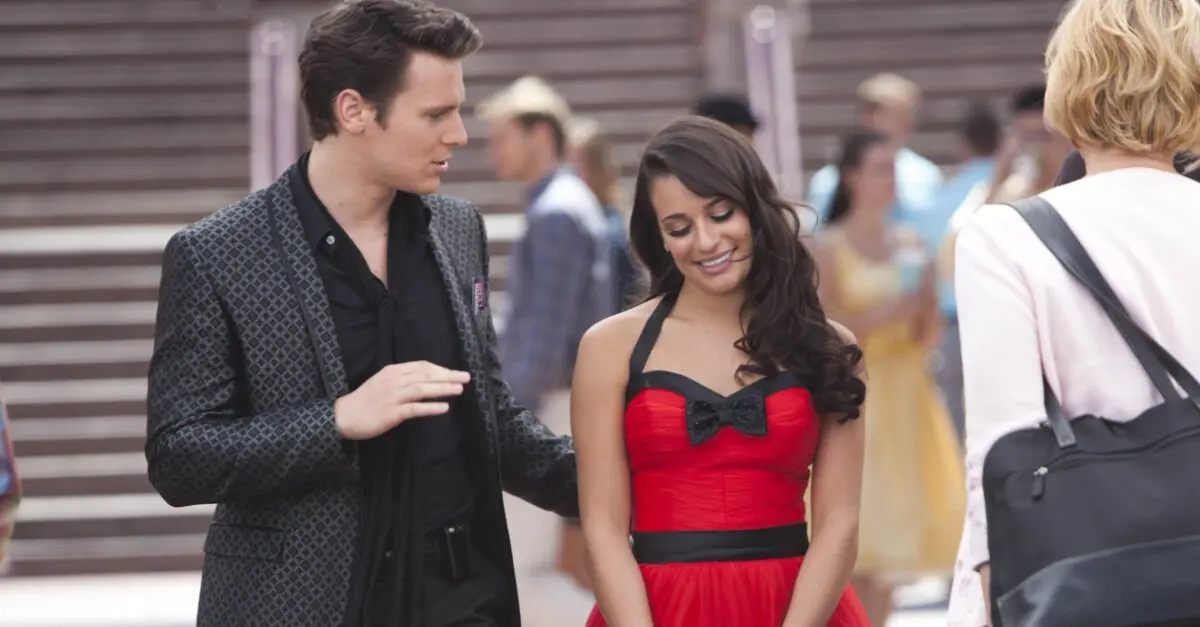
While official representatives for Murphy and leading star Lea Michele have maintained a guarded silence regarding overarching plot points, industry reporting and exuberant social media confirmations from original cast members have painted a vivid picture of what fans can expect. With Michele slated to reprise her career-defining role as the indefatigable Rachel Berry, alongside heavily teased returns from fan favorites Heather Morris and Chord Overstreet, the reboot is rapidly transitioning from theoretical industry chatter to concrete reality. This comprehensive report explores the timeline of the reboot’s genesis, the enduring legacy of the original 2009–2015 series, the commercial and critical metrics that cemented its place in television history, and the road ahead for the New Directions.
Detailed Chronology: From Final Bow to the New Pilot
To understand the weight of the current Glee reboot, one must trace the timeline of its conceptualization, execution, and eventual resurrection. The path from the series finale in 2015 to the greenlighting of the upcoming Disney+/Hulu series is a narrative defined by fan devotion, industry evolution, and persistent speculation.
The Original Era (2009–2015)
- May 19, 2009: Fox broadcasts the pilot episode of Glee, immediately capturing the imagination of musical theater enthusiasts and mainstream audiences alike. Created by Ryan Murphy, Brad Falchuk, and Ian Brennan, the series introduces viewers to a ragtag group of high school outcasts finding their identity through song.
- 2010–2012: The show reaches peak cultural saturation, dominating the charts with millions of digital single sales, launching global concert tours, and securing multiple prestigious awards, including Golden Globes and Emmys.
- March 20, 2015: The series officially concludes with its two-part series finale, "Dreams Come True," wrapping up a six-season run that weathered immense highs, tragic off-screen losses, and immense cultural shifts.
The Intervening Years of Speculation
- 2015–2023: In the years following the series finale, rumors of reunions, revivals, and spin-offs circulate periodically. However, the tragic deaths of key cast members—including Cory Monteith in 2013, Mark Salling in 2018, and Naya Rivera in 2020—cast a long, somber shadow over the possibility of revisiting the property, with many assuming the franchise was permanently retired out of respect for its fallen stars.
The Genesis of the Reboot
- Early 2026: Ryan Murphy stuns the entertainment industry during an interview with Entertainment Tonight, casually revealing that he had completed a script for a Glee reboot pilot just hours prior. Murphy notes that he reunited with original co-writers Brad Falchuk and Ian Brennan to craft the new material and had already reached out to approximately ten original cast members to gauge their interest and availability.
- Mid-2026: Trade publications, most notably Variety, confirm through multiple independent insider sources that Lea Michele has officially closed a deal to return as Rachel Berry.
- Present Day: Following Michele’s reported casting confirmation, co-stars Heather Morris and Chord Overstreet take to social media with tongue-in-cheek announcements hinting strongly at their return as Brittany S. Pierce and Sam Evans, respectively. The project is officially underway at 20th Television, designated as a marquee offering for the Disney+ and Hulu streaming platforms.
Supporting Context & Metrics: The Glee Phenomenon
To fully grasp the magnitude of a Glee revival, one must examine the unprecedented metrics and cultural footprint left by the original series. Glee was not merely a ratings hit; it was a multimedia juggernaut that permanently altered how television interacted with the music industry, social discourse, and Broadway talent.
Critical Acclaim and Awards Landscape
During its six-season broadcast, Glee commanded massive attention from major awards bodies, proving that musical comedy could compete at the highest levels of prestige television:
- Emmy Awards: Nominated a staggering 19 times, securing two wins (including Ryan Murphy for Outstanding Directing for a Comedy Series).
- Golden Globe Awards: Garnered 10 nominations and four wins, including the coveted prize for Best Television Series – Musical or Comedy in 2010.
- Teen Choice Awards & People’s Choice Awards: Dominated youth-voted accolades with 34 Teen Choice nominations (15 wins) and widespread popularity across global demographics.
Charting Musical History
Before streaming algorithms dictated music consumption, Glee weaponized iTunes and Billboard charts in an entirely unique way. The cast released hundreds of cover songs, surpassing records previously held by legendary acts:
- The Billboard Hot 100 Record: Glee charted a record-breaking 207 entries on the Billboard Hot 100, briefly surpassing Elvis Presley for the most charted songs by a single act in chart history.
- Global Tour Success: The cast embarked on multiple live concert tours across North America and Europe, performing sold-out arena shows for ecstatic fans.
A Launchpad for Theater and Television Stars
One of the most enduring legacies of Glee is its role as a bridge between Broadway and mainstream Hollywood. The series intentionally stacked its cast and guest rosters with theatrical royalty, creating household names out of stage veterans and launching entirely new careers:
- Core Ensemble Stalwarts: The foundational cast featured powerhouse performers such as Lea Michele, Matthew Morrison, Jenna Ushkowitz, Kevin McHale, Chris Colfer, Amber Riley, Dianna Agron, and the late Cory Monteith and Naya Rivera. Later seasons introduced dynamic talents like Alex Newell, Ali Stroker, and Melissa Benoist.
- Theatrical Royalty Guest Stars: The show became a badge of honor for Broadway legends to make guest appearances. Icons such as Idina Menzel, Kristin Chenoweth, Brian Stokes Mitchell, Jonathan Groff, Patti LuPone, Victor Garber, Josh Groban, and Neil Patrick Harris all graced McKinley High’s auditorium stage, introducing musical theater standards to millions of viewers who had never stepped foot on Broadway.
Official Statements and Insider Insights
The road to the reboot has been characterized by careful deliberation, emotional reverence for the past, and palpable excitement from the creative team. Because the original series ended nearly a decade ago, the transition from a closed chapter to an active production has required delicate maneuvering by Ryan Murphy and his collaborators.
Ryan Murphy on the Genesis of the Script
Speaking candidly to Entertainment Tonight earlier this year, Murphy detailed the spontaneous nature of writing the pilot script:
"I just finished the script an hour ago. So, we have a script. Brad, Ian, and I, who wrote all the first two seasons, have written something. I’ve been in touch with around 10 of the original cast members. It’s very sweet, and they all had a lot of questions, but they all were very enthusiastic about the idea. Nobody’s read it, so I don’t know, we’ll see. I vowed to myself that I wanted to write a couple of them to see what people think, particularly the cast, cause we were very close when we were making it."
Murphy’s acknowledgment of the close-knit nature of the original ensemble highlights the familial bonds formed during the grueling production schedules of the early 2010s. The decision to write the scripts first—rather than pitching an amorphous concept to executives—demonstrates a commitment to protecting the artistic integrity of the original universe.
Cast Reactions: Humor Meets Nostalgia
While official studio representatives for both Ryan Murphy Productions and Lea Michele have declined to issue formal press statements confirming individual casting contracts, the actors themselves have offered delightful window dressings into the production’s early momentum.
Heather Morris, beloved for her deadpan delivery and gravity-defying dance skills as Brittany S. Pierce, took to Instagram with a classic, character-accurate announcement that immediately went viral among fans:
"Yes ladies and gentle men of women, rumors are true. Brittany S Pierce was in fact lost in the sewers for all these years. But I’m here to inform you that she is alive and well… And back for more."
Similarly, Chord Overstreet—who won over audiences as the golden-haired transfer student Sam Evans—has dropped heavy hints on social media platforms, suggesting that the McKinley High alumni will have significant narrative roles to play in the upcoming iteration. Meanwhile, Lea Michele’s reported return as Rachel Berry ensures that the series will maintain its dramatic core: as Rachel famously quipped in the original series, "I am like TinkerBelle; I need applause to live!"
Future Outlook: What to Expect from the Disney+/Hulu Revival
As production gears up for the Glee reboot, industry analysts and passionate fans are already speculating on the structural shape the series will take. Moving from traditional broadcast television (Fox) to the modern streaming ecosystem (Disney+ and Hulu) provides unique opportunities and challenges.
Adapting to the Streaming Age
Unlike the rigid 22-episode-per-season broadcast model of the 2009 era—which frequently led to narrative burnout, erratic character arcs, and exhausting schedules for the young cast—a streaming-first model on Disney+ and Hulu will likely adopt a more concise, serialized format. A tighter 8-to-10-episode seasonal arc could allow Murphy, Falchuk, and Brennan to focus on sharp writing, high-production musical numbers, and deeper emotional resolutions without the padding characteristic of network television.
Balancing Legacy and New Blood
One of the central questions facing the creative team is how to balance the nostalgic appeal of returning original cast members with the introduction of a brand-new generation of high school outcasts. Will Rachel Berry return as an educator, an ambitious Broadway director mentoring a new crop of misfits, or an administrator? How will the show honor the cultural legacy of characters who cannot return, while still capturing the effervescent, irreverent spirit that made the original a global touchstone?
Furthermore, the cultural landscape of high school in the mid-2020s is radically different from the landscape of 2009. Issues of identity, digital media consumption, mental health, and artistic expression have evolved immensely. A successful reboot will need to navigate these modern realities while retaining the theatrical camp, emotional sincerity, and genre-blending song covers that defined the original phenomenon.
Conclusion
As all six original seasons of Glee continue to stream on both Hulu and Disney+, a whole new demographic of viewers is discovering the magic of the New Directions alongside nostalgic millennials ready for a reunion. With a completed pilot script from the original creative triumvirate, the enthusiastic participation of key cast members, and the backing of major streaming infrastructure, the Glee reboot is shaping up to be one of the most talked-about television events of the coming years.
Curtain up.