
Executive Overview
As the crisp autumn air settles over Midtown Manhattan and locals prepare for the annual migration toward Thanksgiving feasts, a different kind of gathering is heating up beneath the bustling pavement of West 45th Street. Far away from the blinding glare of Times Square marquees, hidden behind an unmarked door that requires a knowing knock rather than a ticket stub, lies Madame George. This subterranean lounge has rapidly evolved into one of the city’s worst-kept secrets, serving as the spiritual sanctuary for Broadway Night Off—a weekly performance series that turns the traditional theatrical ecosystem on its head.
Every Monday evening, musical theatre royalty trade their greasepaint and costume changes for craft cocktails and a chance to do the unthinkable: sing anything except Broadway music.
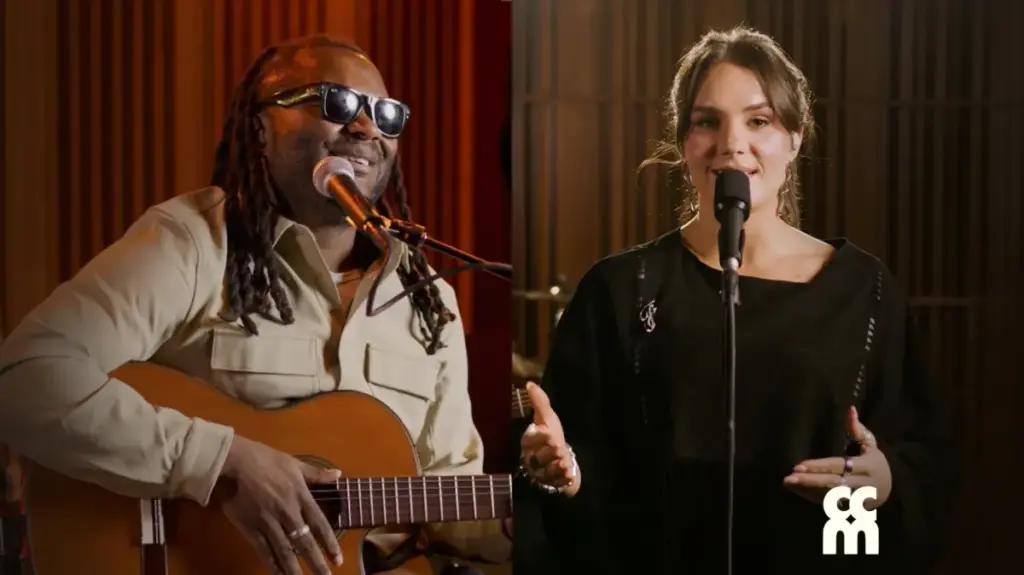
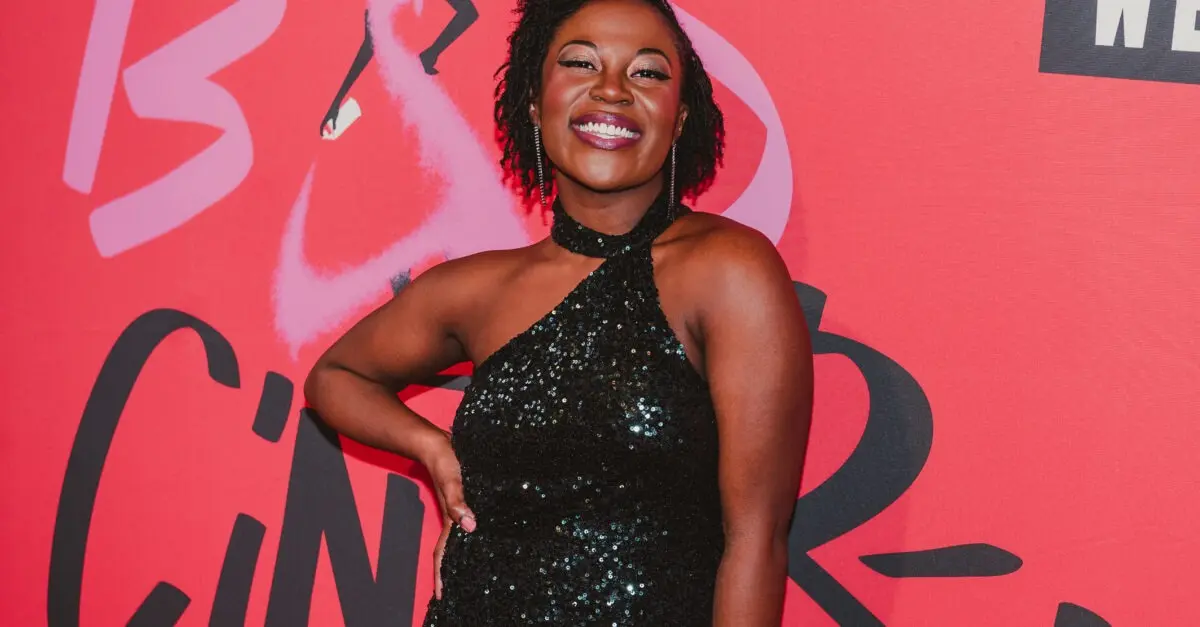
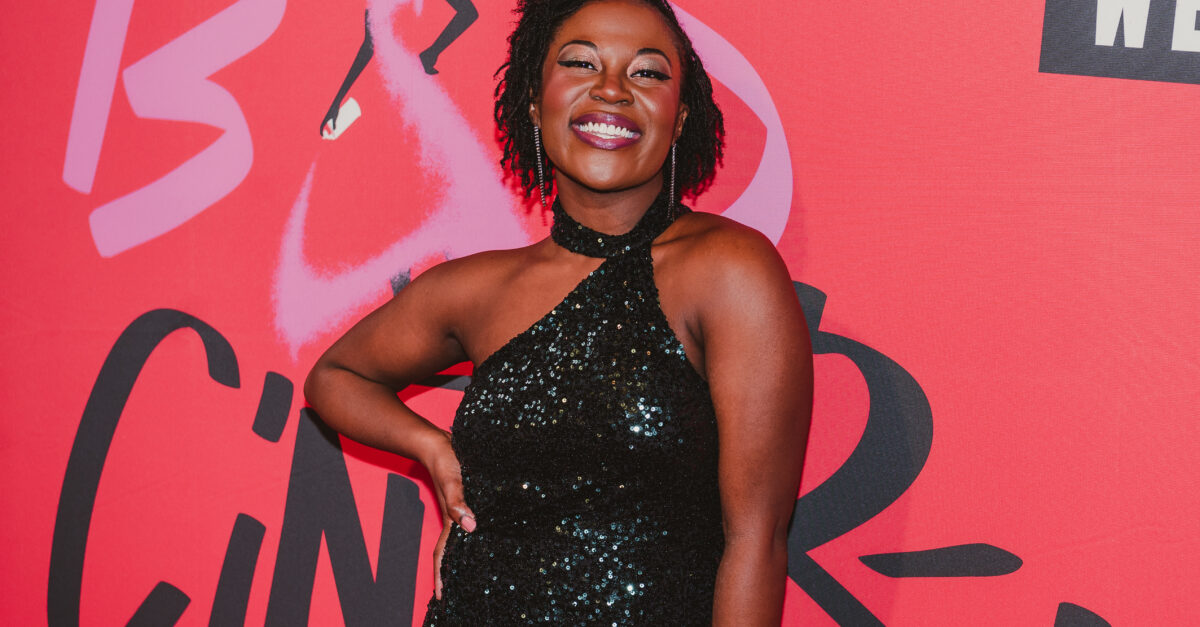
The upcoming November 23 installment features the formidable vocal talents of Mariah Lyttle (recently seen in The Wiz and Bad Cinderella) alongside master instrumentalist Tony Kadleck (of MJ The Musical). Yet, the broader narrative extends far beyond a single evening’s lineup. Now celebrating a triumphant milestone past its one-year anniversary, Broadway Night Off represents a vital cultural shift in New York City’s nightlife. It is a space designed by artists, for artists, operating as an antidote to the high-stakes, pressure-cooker environment of commercial theatre.
Co-directed by music manager and talent booker Danny Lipsitz and producer Cynthia Fung, the series has cultivated an atmosphere of radical authenticity. Performers shed their stage personas to explore deeply personal, genre-defying musical repertoires backed by a world-class house band. For audiences, it offers an unprecedented, intimate glimpse into the unguarded souls of the performers they typically admire from afar across a crowded, darkened orchestra pit.
This comprehensive report explores the origins, mechanics, cultural impact, and hidden architecture of Broadway Night Off, examining how a speakeasy-style lounge became the beating heart of New York’s theatrical underground.
Detailed Chronology: The Genesis and Evolution of a Monday Night Phenomenon
To understand the magnetic pull of Broadway Night Off, one must trace its origins back to the post-pandemic recovery phase of New York’s entertainment industry. Broadway was scrambling to find its footing, and performers—having endured prolonged periods of isolation and professional uncertainty—craved spaces where they could make music purely for the joy of creation, devoid of critical reviews, casting directors, and institutional oversight.
Danny Lipsitz, whose purview includes booking talent at Madame George, recognized this pent-up creative energy. He envisioned a night that would invert the typical cabaret model. Instead of asking Broadway actors to sing the classic showtunes that made them famous, Broadway Night Off established a strict yet liberating creative constraint: leave the showtunes at the door.
"The weekly performances allow Broadway actors the opportunity to sing ‘anything except for Broadway music—what would they never get a chance to sing on the big stage,’" Lipsitz explained in early statements regarding the concept.
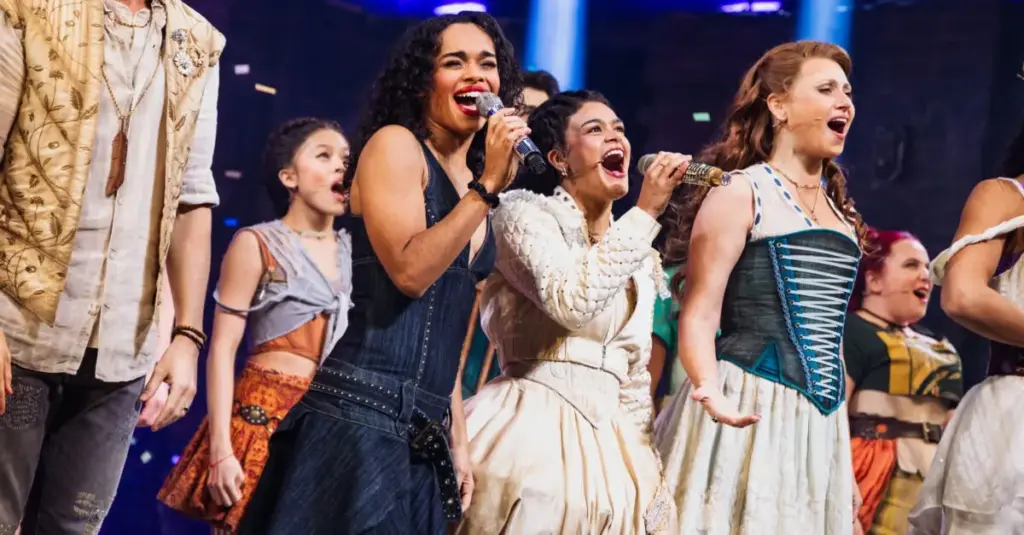
The blueprint proved immediately successful. By stripping away the expectations of a traditional theatrical production, the series attracted a who’s who of contemporary stage talent. Over the past year, the dimly lit basement of Madame George has played host to an extraordinary roster of guest vocalists, including Amber Iman, Julie Benko, Aisha Jackson, Nick Drake, Kailey Boyle, Carla R. Stewart, Dimitri Joseph Moïse, Bradley Gibson, Taylor Marie Daniel, and Kwame Michael Remy, among others.
The chronology of the evening is meticulously structured yet feels entirely organic to the room. The music begins promptly at 7:00 PM, unfolding across three distinct musical movements:
- The Instrumental Warm-Up: The evening kicks off with an opening set helmed exclusively by the powerhouse house band. Featuring Jack Redsecker on keyboard, PJ Roberts on bass, and Alex Raderman on drums, this initial set sets a sophisticated jazz-and-blues-infused tone, allowing the audience to acclimate to the subterranean acoustics of the room.
- The First Guest Set: The energy shifts as the first wave of theatre performers takes the floor. Accompanied by the band, these artists dive into soul, pop, rock, R&B, and jazz standards—genres they grew up listening to or secretly perform in their living rooms, but which rarely align with the casting breakdowns of current Broadway revivals or new musicals.
- The Collaborative Finale: The final set dissolves the boundary between performer and spectator entirely. It is during this block that past performers—who may have attended merely to support a friend—frequently find themselves pulled onto the floor unannounced to "sit in," trading harmonies and riffing in real time.
This chronological progression transforms a standard evening out into a communal ritual, mirroring the rhythm of a late-night jam session in a legendary jazz club, yet anchored by the peerless vocal control of Broadway’s finest.
Supporting Context & Metrics: The Anatomy of Madame George and Its Underground Ecosystem
The physical architecture of Broadway Night Off is inextricably linked to its cultural appeal. Located at 45 West 45th Street in Midtown Manhattan, Madame George defies the conventional Midtown template of high-ceilinged, sterile hospitality venues.
The Speakeasy Experience
Arriving at Madame George requires a sense of adventure. In an era dominated by hyper-visible social media marketing and towering digital billboards, the venue maintains an aura of elusive mystery:
- The Exterior: There is no glowing marquee, no velvet ropes, and no glaring neon signs. The venue’s identity is subtly signaled only by its name projected softly onto the concrete sidewalk.
- The Threshold: First-time visitors must approach the entrance and knock on the door to gain admittance, a ritual that instantly shifts the psychological state of the guest from urban commuter to insider initiate.
- The Interiority: Descending into the subterranean space reveals a stark contrast to the bustling, hyper-lit streets above. Madame George overflows with tactile warmth. The room is anchored by plush, comfortable chairs and deep couches that encourage lingering.
Hospitality and Curation
The venue’s operational philosophy is driven by a commitment to sensory indulgence, balancing auditory artistry with mixology and gastronomy:
- Leadership: Fionnan Gallagher serves as the general manager, ensuring a seamless, welcoming front-of-house experience.
- Mixology: Classic cocktails are curated by visionary mixologist Marshall Minaya, whose drink menu pays homage to classic American cocktail culture while incorporating modern craft sensibilities.
- Cuisine: A thoughtfully designed menu of shareable bites complements the beverage program, allowing patrons to graze throughout the multi-set evening.
- Financial Accessibility: To keep the space accessible to theatre fans and industry artists alike, Madame George maintains a modest $10 cover charge for Broadway Night Off. Guests seeking guaranteed positioning can secure priority seating through advance reservations, subject to an additional fee or minimum spend. Furthermore, the establishment operates a nightly Broadway Happy Hour from 5:00 PM to 7:00 PM, bridging the gap between the end of the workday and the start of the musical programming.
While Madame George features live music six nights a week across various genres, it is exclusively on Monday nights that the venue transforms into a pilgrimage site for musical theatre aficionados.
Official Statements: Voices from the Inner Circle
The true measure of Broadway Night Off lies in the philosophical and emotional resonance it holds for its creators and participants. As the series moves past its inaugural anniversary, its leadership reflects deeply on the community they have forged.
Danny Lipsitz reflects on the foundational ethos of the project:
"Since the beginning, Broadway Night Off has been about creating a community of performers who want a safe space to make music in a less formal way from how it’s done on the Broadway stage. It’s a testament to the group of talent and friends we have built up that so many of our past performers continue to come out unannounced, sit in, and support each week."
This sentiment of mutual support is echoed by co-director Cynthia Fung, who views the weekly gathering as an emotional anchor in the high-stress landscape of professional New York entertainment:
"Every Monday, it feels like coming home to a room full of people I love, where performers get to show sides of themselves most Broadway fans never see and the audience gets a front-row seat to that and our amazing band. Getting close to artists and seeing them be real is a joy and a privilege I don’t take for granted. I’m excited to keep that energy going and make room for even more artists, musicians, and fans to show up as themselves."
These statements highlight a crucial paradigm shift in modern entertainment culture. In an industry where performers are frequently typecast or bound by the rigid thematic constraints of commercial intellectual property, Broadway Night Off functions as an artistic decompression chamber. It validates the multifaceted identities of artists who are multi-instrumentalists, vocal polymaths, and genre-fluid interpreters, rather than mere vessels for a lyricist’s preexisting catalog.
Future Outlook: The Expanding Horizon of Unfiltered Performance
As Broadway Night Off looks toward the winter season and beyond, its trajectory signals a broader evolution in how New York audiences consume live performance. The appetite for authenticity—for unpolished, unmediated, and up-close artistic expression—has never been higher.
In a cultural landscape increasingly dominated by stadium tours, holographic productions, and highly choreographed, note-perfect theatrical spectacles, spaces like Madame George offer a necessary counterweight. They remind audiences of the raw, electric vulnerability that made them fall in love with live performance in the first place.
The success of the series raises intriguing questions about the future of theatrical nightlife in Manhattan:
- The Decentralization of Cabaret: Will other Midtown venues begin adopting this low-concept, high-intimacy model to attract weary Broadway professionals looking for creative outlets on their dark nights?
- Digital Integration vs. Physical Sanctuary: While video clips of past performances by artists like Amber Iman and Kwame Michael Remy frequently circulate online—generating viral excitement—the core value of Broadway Night Off remains resolutely anchored in the physical room. The rule that "you had to be there" protects the sanctuary nature of the basement lounge.
- Expanding Rosters: With an ever-growing network of alumni who return unannounced to sit in with the house band, the talent pool is self-sustaining. The calendar for upcoming weeks routinely books out rapidly as word-of-mouth spreads among dressing rooms from the Hudson Theatre to the Winter Garden.
For the theatre lover seeking an alternative to the commercial glitz of standard Broadway ticket purchases—or for anyone simply looking to sip a meticulously crafted cocktail while listening to some of the finest, most unrestrained vocalists on the Eastern Seaboard—Monday nights at 45 West 45th Street remain unmissable.
As Mariah Lyttle and Tony Kadleck take the stage this week, bridging the gap between Thanksgiving anticipation and elite musical artistry, Madame George will once again extinguish the noise of the city above. Downstairs, in the warm glow of plush couches and dim lighting, the Broadway community will gather not as stars and fans, but as friends making music for the sheer, unadulterated love of the sound.