
Executive Overview
Behind every pristine choral performance, where unified voices resonate through vaulted sanctuaries or acoustic concert halls, lies an intricate, largely uncredited operational engine. While artistic directors, conductors, and featured vocalists rightfully occupy the spotlight, the structural viability of performing arts organizations across academic, sacred, and community spheres rests upon an extensive network of unsung operational labor. Historically termed the "invisible workforce"—and predominantly comprised of women, dedicated volunteers, secondary board members, and undercompensated administrative aides—these individuals execute the multi-layered logistical operations required to transform sheet music into a seamless public event.
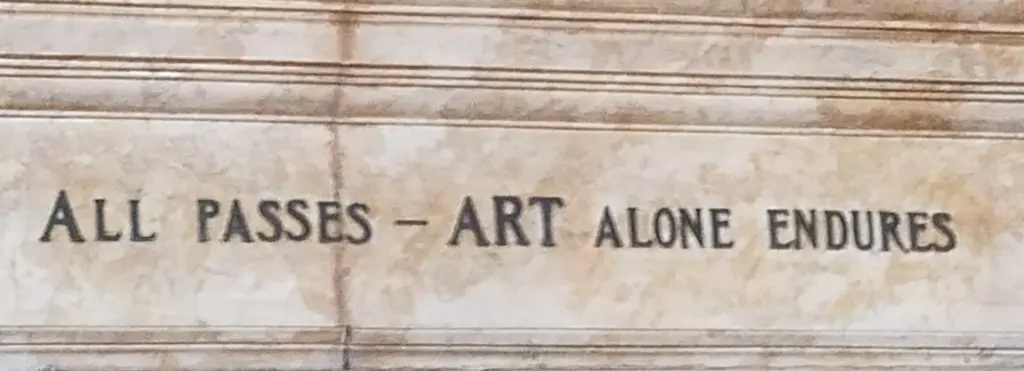
Oscar Wilde famously observed, "The true mystery of the world is the visible, not the invisible." In the context of arts management, the visible artifact—a polished two-hour concert—obscures the hundreds of administrative, technical, and domestic labor hours that make the performance possible. From sheet music curation, vestment maintenance, and program production to digital communications, donor stewardship, and venue logistics, this operational infrastructure is frequently taken for granted by artistic leaders and audiences alike.
This investigation examines the systemic reliance on invisible labor within choral organizations, evaluates the socio-cultural dynamics that perpetuate this uncompensated burden, quantifies the economic value of these hidden operations, and outlines the acute institutional risks associated with taking this labor force for granted. As performing arts entities navigate post-pandemic recovery and shifting volunteer demographics, transforming invisible labor into structured, acknowledged, and sustainable operational framework has emerged as an urgent ethical and administrative imperative.
Detailed Chronology: The Operational Arc of a Performance Season
To understand the scope of backstage labor, one must trace the lifecycle of a single choral production cycle. While artistic directors focus on score study, programming, and vocal pedagogy, an parallel, silent timeline unfolds concurrently to support every phase of artistic execution.
+-----------------------------------------------------------------------------------+
|                           SEASON OPERATIONAL LIFECYCLE                            |
+--------------------------+--------------------------+-----------------------------+
| OFF-SEASON & PLANNING    | PRE-PRODUCTION           | CONCERT WEEK & PRODUCTION   |
| - Vestment maintenance   | - Roster & logistics     | - Program printing/collating|
| - Music library auditing | - Merchandise & uniforms | - Riser & facility setup    |
| - Licensing & rights     | - Communications & PR    | - Backstage management      |
+--------------------------+--------------------------+-----------------------------+
Phase I: Off-Season Administrative Maintenance & Archival Operations (Summer)
Long before the choir gathers for its first autumn rehearsal, extensive operational groundwork takes place:
- Vestment & Garment Preservation: Choir robes, tuxedos, and formal gowns are collected, inventoried, inspected for damage, transported to commercial dry cleaners, and re-cataloged according to size and assignment.
- Sheet Music Library Management: Music librarians systematically audit physical archives, erase markings from prior seasons, order new scores, obtain performance licenses, stamping ownership seals, and assemble individualized rehearsal folders for every singer on the roster.
- Board & Committee Strategy: Executive committees—often chaired by parent association leaders or spouses of board members—convene to outline fundraising campaigns, apply for local cultural grants, and secure performance permits for upcoming venue bookings.
Phase II: Pre-Production Logistics & Audience Engagement (Early Autumn)
As regular rehearsals commence, the operational load shifts from static maintenance to active management:
- Roster & Membership Logistics: Collecting singer documentation, processing tuition or dues, managing health records/waivers, and coordinating section leaders to track attendance and voice placement files.
- Merchandise & Uniform Procurement: Sizing singers for annual tour apparel, selecting vendor contracts, verifying logo formatting against brand guidelines, placing bulk orders, and distributing apparel upon arrival.
- Public Relations & Digital Presence: Updating organizational websites, managing social media channels, designing promotional assets, and executing targeted local outreach campaigns to ensure ticket distribution.
Phase III: Concert Week & High-Stakes Venue Management (Production Peak)
During the final days leading up to a performance, the operational pace intensifies significantly:
- Program Assembly & Collating: Printing hundreds of program booklets, hand-collating multi-page layouts, and manually inserting late-breaking changes, guest artist biographies, or donor acknowledgement slips.
- Riser & Stage Mechanics: Coordinating the transportation, assembly, and safety checks of heavy choral risers, music stands, and specialty performance lighting. Ensuring proper positioning for the accompanist and checking instrument tuning schedules.
- Fundraising Support Infrastructure: Sourcing, cataloging, displaying, and pricing silent auction items or raffle prizes to drive non-ticket revenue with minimal disruption to the artistic process.
- Hospitality & Singer Care: Securing water supplies, coordinating backstage dressing areas, and managing front-of-house ticketing tables, usher staff, and accessibility accommodations.
Phase IV: Post-Production Restoration & Financial Reconciliation
Following the final applause, while artistic staff celebrate a successful run, the invisible workforce completes the cycle:
- Facilities Teardown: Dismantling stage setups, returning rented venue equipment, and clearing backstage waste.
- Archival Return: Collecting music folders, checking for missing octavos, re-sorting sheet music, and returning scores to secure library vaults.
- Financial Reconciliation: Processing ticket receipts, finalizing raffle earnings, distributing thank-you correspondence to patrons, and auditing production expenditures against budget allocations.
Supporting Context & Metrics: Quantifying the Unseen Economy
The Invisible Labor Ratio
To quantify the operational dynamic, research indicates that for every 1 hour of onstage performance, an estimated 15 to 20 hours of administrative, logistical, and domestic labor are expended behind the scenes. In mid-sized community or educational ensembles, this translates to hundreds of uncompensated hours annually per production cycle.
| Task Category | Estimated Hours per Cycle | Primary Operator Profile | Primary Visibility to Audience |
|---|---|---|---|
| Music Library & Sheet Music Ops | 40 – 60 hours | Music Librarian / Volunteer | Invisible |
| Vestment & Wardrobe Management | 20 – 30 hours | Wardrobe Chair / Parent Board | Invisible |
| Program Design, Printing & Inserts | 15 – 25 hours | Administrative Secretary / Volunteer | Low |
| Stage & Riser Setup / Teardown | 10 – 20 hours | Operations Crew / Spousal Volunteers | Invisible |
| Fundraising & Event Logistics | 50 – 80 hours | Auxiliary Guild / Board Members | Medium |
| Digital Marketing & Communications | 30 – 50 hours | Social Media Manager / Volunteer | Medium |
Gender Dynamics and the Ethics of Care
The phrase "Invisible Women" reflects a long-standing sociological pattern within sacred and educational music traditions. Historically, while public leadership roles—such as Conductors, Organists, and Board Chairs—were predominantly held by men, the labor-intensive operational infrastructure fell to women’s guilds, mothers’ clubs, and female volunteers.
This division of labor mirrored broader societal norms surrounding unpaid domestic and emotional work. Although gender balance among conductors and executive leadership has improved significantly in recent decades, the underlying structure of non-profit support relies heavily on uncompensated, low-visibility labor that continues to skew heavily toward women.
       HISTORICAL REALITY                     MODERN REQUIREMENT
+----------------------------+           +----------------------------+
|  Visible Public Leadership |           |  Professional Transparency |
|   (Conductor / Director)   |           |    & Institutional Equity  |
+----------------------------+           +----------------------------+
              |                                        |
  Supported by Uncompensated               Supported by Formalized,
    Backstage Care Labor                     Tracked & Recognized
 (Presumed & Unacknowledged)                  Operational Support
The Economic Valuation of Volunteer Labor
According to data from the Independent Sector, the value of volunteer time in the United States is estimated at over $31.80 per hour. Applying this standard to an average community choral program:
- Annual Volunteer Hours: ~1,200 hours across all operational roles.
- Hidden Economic Subsidy: $38,160 annually.
Without this shadow subsidy, many mid-tier community ensembles, university choirs, and church music departments would face immediate budgetary shortfalls or operational failure. The operational efficiency often celebrated as "working like a well-oiled machine" is rarely a product of administrative design; rather, it is directly underwritten by uncompensated personal labor.
Official Statements & Industry Perspectives
The Conductor’s Perspective: Acknowledging Organizational Blind Spots
"As artistic directors, we are trained to focus intensely on tone, diction, phrasing, and balance. It is exceptionally easy to slip into a mindset where the administrative mechanics are taken for granted. You walk into a rehearsal hall, the chairs are arranged, the stand lights work, the music is neatly placed in folders, and cold water is available. It feels automatic. But recognizing that an individual spent their entire Tuesday afternoon setting up those conditions is essential for ethical leadership. Without that baseline, no music happens."
— Dr. Marcus Vance, Artistic Director, Metropolitan Choral Society
The Labor Sociologist: Systemic Risk and Volunteer Burnout
"Non-profit arts organizations suffer from a dynamic known as ‘functional invisibility.’ When a system functions perfectly, the labor driving that system becomes invisible to leadership. The danger arises when key personnel—often a single dedicated librarian or parent guild leader—depart due to burnout. Because their daily routines were never documented, compensated, or integrated into formal organizational management, the institution experiences immediate operational crisis."
— Dr. Elena Rostova, Senior Researcher, Institute for Cultural Labor Studies
The Backstage Practitioner: The Reality of Unseen Stewardship
"People assume the music just appears in their folders and the concert programs print themselves. They don’t see the four hours spent fixing paper jams on a Thursday night, or driving across town to drop off choir robes at a specialty cleaner. We don’t do this work for public accolades, but simple acknowledgment from the podium and structured organizational support make the difference between feeling valued and feeling exploited."
— Sarah Jenkins, Volunteer Music Librarian and Auxiliary Board Member
Future Outlook: Sustainable Frameworks and Institutional Reform
To address these vulnerabilities, performing arts institutions, academic music departments, and places of worship must transition from relying on uncompensated, invisible labor toward implementing structured, transparent management practices.
+-----------------------------------------------------------------------------------+
|                        STRATEGIC ROADMAP FOR OPERATIONAL EQUITY                   |
+-----------------------------------------------------------------------------------+
| 1. OPERATIONAL AUDITS & LABOR MAPPING                                             |
|    Document every backstage workflow, task owner, and required labor hours.       |
+-----------------------------------------------------------------------------------+
| 2. FORMALIZED ROLE DESCRIPTIONS                                                   |
|    Transition informal favor-based tasks into clear position descriptions.        |
+-----------------------------------------------------------------------------------+
| 3. COMPENSATORY FRAMEWORKS & MICRO-STIPENDS                                       |
|    Allocate budget lines for key support roles (e.g., Librarian, Stage Manager).  |
+-----------------------------------------------------------------------------------+
| 4. PUBLIC ACKNOWLEDGMENT & GOVERNANCE INTEGRATION                                 |
|    Ensure backstage staff are recognized in programs and invited to board meetings.|
+-----------------------------------------------------------------------------------+
| 5. SUCCESSION PLANNING & ARCHIVAL DOCUMENTATION                                  |
|    Create standard operating procedures to prevent knowledge loss upon departure. |
+-----------------------------------------------------------------------------------+
Strategic Action Items for Arts Leadership
- Conduct an Operational Labor Audit: Leadership teams must spend a full production cycle documenting every non-artistic task required to execute rehearsals and concerts. Quantifying these hours provides a clear view of the organization’s true operational costs.
- Formalize Roles and Expectations: Informal volunteer tasks should be restructured into explicit position descriptions with designated responsibilities, transparent lines of reporting, and clear boundaries to prevent overwork and burnout.
- Allocate Micro-Stipends and Compensatory Budgets: Where feasible, non-profits should move key operational positions—such as Music Librarian, Operations Coordinator, and Wardrobe Manager—from purely volunteer status into paid or stipended staff positions.
- Embed Recognition into Organizational Culture: Directors must actively bridge the visibility gap by regularly acknowledging backstage personnel during rehearsals, including operational staff in program credits, and recognizing their contributions during public performances.
- Establish Robust Succession Protocols: Operational knowledge must not reside solely in the memory of an individual volunteer. Developing standardized written operating procedures ensures continuity and organizational resilience when leadership transitions occur.
Conclusion
The artistic success of a choir is inextricably linked to the integrity of its operational foundation. Moving the "invisible workforce" into the foreground is both an ethical responsibility and a practical necessity for long-term sustainability. By auditing labor, formalizing key operational roles, offering fair compensation, and cultivating a culture of active gratitude, arts organizations can protect the human infrastructure that brings their performances to life.