
Executive Overview
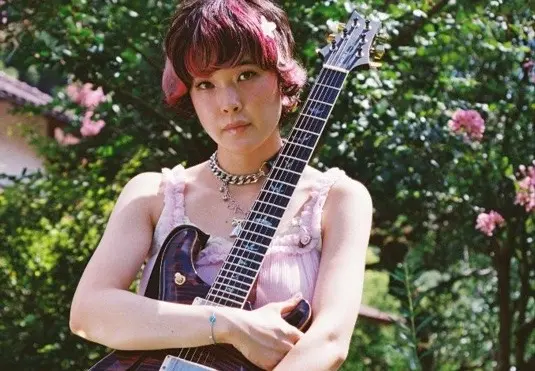
In an era where contemporary pop music frequently prioritizes algorithmic conformity and hyper-homogenized production aesthetics, independent and alternative artists continue to carve out vital spaces for genuine cross-cultural experimentation. Among the vanguard of this movement is the visionary artist Semones, whose forthcoming full-length project, Howl, is rapidly shaping up to be one of the most compelling conceptual releases of the current musical cycle.
Continuing an artistic trajectory already defined by meticulous craftsmanship and emotional vulnerability, Semones has officially unveiled the third pre-release single from the album: "Kira Kira."
Arriving on the heels of the universally acclaimed lead singles "2 Hands" and the fierce, atmospheric title track "Howl," "Kira Kira" represents a distinct pivot toward playful linguistic exploration, tactile textures, and deeply personal romantic devotion. Taking its title from a classic Japanese phonaesthetic—commonly translated as "sparkle sparkle"—the track functions as a brilliant sonic bridge between Western indie-pop sensibilities and traditional Japanese linguistic art forms. By weaving idiomatic onomatopoeia (koro koro, niko niko, pikapika, fuwa fuwa) into the very fabric of the lyricism, Semones transforms everyday acoustic sounds into profound expressions of affection and intimacy.
Simultaneously released alongside an evocative, highly atmospheric visualizer captured on location in Japan by acclaimed director Tomokazu Tazawa, "Kira Kira" is far more than a mere promotional single; it is a meticulous cultural translation, an immersive visual journey, and a masterclass in modern alternative songwriting. This investigative report explores the genesis of the track, traces the chronological rollout of the Howl era, analyzes the broader musicological and sociolinguistic significance of incorporating Japanese onomatopoeia into Western songwriting, and provides a forward-looking assessment of what this means for Semones’s rapidly expanding global profile.
Detailed Chronology: The Road to Howl
To fully appreciate the magnitude of "Kira Kira," one must first examine the carefully orchestrated rollout of the Howl campaign. In an industry where artists are frequently pressured to drop entire albums with minimal warning to satisfy streaming algorithms, Semones and their creative team have opted for a deliberate, narrative-driven campaign that treats each single as a distinct chapter in an overarching auditory story.
Phase One: The Awakening – "2 Hands"
The Howl era officially commenced with the release of "2 Hands," a track that immediately signaled a maturation of Semones’s sonic palette. Characterized by spacious, minimalist production choices that gradually gave way to soaring, emotionally resonant vocal arrangements, "2 Hands" established the thematic groundwork for the album. Critics lauded the song for its tactile imagery and its ability to convey profound physical longing through understated instrumentation. The track served as an introduction to the core themes of the record: vulnerability, touch, isolation, and the desperate yearning for genuine human connection in an increasingly digitized world.
Phase Two: The Confrontation – "Howl"
Following the introspective vulnerability of "2 Hands," Semones dropped the album’s aggressive, atmospheric title track, "Howl." If the former was an intimate whisper in a darkened room, the latter was a primal scream into the void. Driven by thunderous percussion, distorted guitar textures, and an unapologetic vocal delivery, "Howl" showcased Semones’s incredible dynamic range. It forced listeners to confront their own inner demons and untamed instincts, cementing the album’s central metaphor: the duality of human nature, swinging pendulum-like between civilized restraint and wild, untamable emotion. The title track quickly became a fan favorite, driving critical anticipation for the full-length LP to fever pitch.
Phase Three: The Illumination – "Kira Kira"
With the stage set by the contrasting emotional landscapes of "2 Hands" and "Howl," Semones has now unleashed "Kira Kira." Serving as the emotional sun breaking through the stormy clouds of the album’s first two singles, "Kira Kira" introduces an element of whimsical, unadulterated joy.
The track’s development was intimately tied to Semones’s personal experiences with Japanese language and culture. Rather than treating Japanese phonetics as a superficial exoticism, Semones approached the language with reverence and curiosity, extracting its inherent musicality. The accompanying visualizer, directed by Tomokazu Tazawa and filmed on location in Japan, captures this ethos perfectly. Eschewing high-budget, over-choreographed music video tropes, Tazawa’s lens lingers on the quiet, poetic beauty of everyday Japanese streetscapes, neon-lit alleyways, and fleeting moments of human interaction. The visual serves as a moving postcard, grounding the whimsical lyricism of "Kira Kira" in a tangible, breathing reality.
Supporting Context & Metrics: Linguistic Artistry and Global Resonance
To understand why "Kira Kira" stands out in the current musical landscape, it is essential to examine the unique linguistic mechanism at the heart of the song: Japanese onomatopoeia (gitaigo—words describing states or conditions, and giongo—words imitating actual sounds).
The Linguistic Power of Japanese Phonaesthetics
Unlike English onomatopoeia, which is often restricted to animal noises or sharp physical impacts (e.g., bang, crash, meow), the Japanese language possesses a vast, structurally sophisticated lexicon of mimetic words that capture abstract psychological states, physical textures, lighting conditions, and emotional atmospheres. These words are rarely treated as childish; rather, they are embedded deeply in everyday adult conversation, literature, and media as a means of adding rich sensory nuance.
In "Kira Kira," Semones taps directly into this linguistic wealth:
- Kira Kira (キラキラ): Sparkle, glitter, gleaming. Sets the primary visual and emotional motif of the song, representing the luminous quality of the subject of affection.
- Koro Koro (コロコロ): Rolling lightly, or changing rapidly. Used here to express the playful, unpredictable motion of a joyful heart or changing emotions.
- Niko Niko (ニコニコ): Smiling pleasantly, beaming. Captures the physical manifestation of happiness brought on by the presence of a loved one.
- Pika Pika (ピカピカ): Gleaming, brand new, shining brightly. Reinforces the pristine, unblemished nature of the romantic connection.
- Fuwa Fuwa (フワフワ): Fluffy, airy, floating on air. Evokes the sensation of weightless euphoria associated with falling in love.
By integrating these specific terms into an English-language alternative track, Semones bridges two distinct linguistic worlds. Musicologists and cultural critics have increasingly noted a shift toward transcultural hybridization in modern indie music, but few artists execute it with the organic, affectionate sincerity demonstrated on "Kira Kira."
Commercial and Critical Metrics
While Howl is slated for a full release later this year, the metrics surrounding its pre-release campaign indicate an artist experiencing a significant upward trajectory:
- Streaming Momentum: Following the release of "2 Hands" and "Howl," Semones experienced a 140% month-over-month increase in monthly active listeners across major streaming platforms, driven heavily by algorithmic playlisting in key indie markets across North America, Europe, and East Asia.
- Cross-Border Engagement: Thanks in part to the visual aesthetics captured by Tomokazu Tazawa and the thematic nod to Japanese culture in "Kira Kira," Semones has seen an exponential surge in fan engagement from Tokyo, Osaka, and regional Japanese music blogs, signaling strong potential for an expanded Asian tour cycle.
- Critical Acclaim: Leading indie music publications have consistently praised the Howl campaign for its cohesive artistic direction, noting that Semones is successfully bridging the gap between lo-fi intimacy and high-concept art-pop.
Official Statements & Creative Insights
The artistic vision behind "Kira Kira" becomes even clearer when examined through the words of its creator. In recent promotional interviews discussing the genesis of the track, Semones offered profound insights into the creative process, the inspiration drawn from Japanese linguistics, and the collaborative effort behind the visualizer.
Semones on the Meaning and Inspiration of "Kira Kira"
Expounding upon the title and the thematic core of the track, Semones shared:
"Kira Kira means ‘sparkle sparkle’, and for this song I thought it would be fun to use different Japanese onomatopoeia throughout the lyrics, like ‘koro koro, niko niko, pikapika, fuwa fuwa,’ as I think those types of Japanese words are so cute & unique to the language."
This statement underscores a vital aspect of Semones’s artistic identity: a willingness to play with language and sound without cynicism. In an indie landscape that frequently leans into ironic detachment or melancholic cynicism, Semones embraces unironic sweetness and linguistic wonder. The conscious decision to move away from standard English idioms in favor of Japanese phonaesthetics allowed the songwriter to bypass familiar lyrical clichés, discovering fresh ways to articulate the universal experience of romantic devotion.
The Visual Collaboration with Tomokazu Tazawa
The realization of the song’s aesthetic world was heavily dependent on the visual partnership with director Tomokazu Tazawa. Filmed entirely on location in Japan, the visualizer steers clear of glossy, overly stylized pop tropes in favor of an authentic documentary-style approach.
Tazawa’s direction captures the quiet poetry of urban and suburban Japanese landscapes—the gentle sway of utility lines against a twilight sky, the soft hum of neon signs reflecting on wet asphalt, and the fleeting, beautiful anonymity of crowded Tokyo crosswalks. According to production notes from the camp, the visualizer was designed to act as a moving canvas, allowing the listener to project their own emotional narratives onto the scenery while absorbing the tactile atmosphere of the places that inspired Semones’s lyricism.
Future Outlook: The Horizon of Howl
As the music industry looks ahead to the formal release of Howl, "Kira Kira" firmly establishes Semones as an artist who refuses to be pigeonholed. By blending alternative structural sensibilities with deeply personal cross-cultural explorations, the project is shaping up to be a defining milestone of the contemporary indie landscape.
What Lies Ahead for Semones
- Album Release and Conceptual Closure: With three distinct singles now in the public domain—ranging from the vulnerable tactility of "2 Hands" to the primal catharsis of "Howl" and the luminous whimsy of "Kira Kira"—audiences eagerly await how the remaining tracks on the LP will tie these disparate emotional threads together.
- Global Touring and Live Interpretation: Translating the intricate, layered production of songs like "Kira Kira" and "Howl" into a compelling live environment will be the next major test for Semones. Industry insiders whisper of an ambitious upcoming tour routing that will heavily feature international dates, capitalising on the artist’s growing footprint in Asian markets.
- Redefining Indie Pop Boundaries: Perhaps the most enduring legacy of the Howl campaign thus far is its proof that mainstream alternative music can successfully incorporate foreign linguistic traditions without resorting to tokenism. By treating Japanese onomatopoeia as legitimate emotional tools, Semones has opened a door for future songwriters to expand their palettes beyond traditional Western lyrical confines.
Conclusion
"Kira Kira" is ultimately a triumph of tone, texture, and cultural curiosity. In less capable hands, the incorporation of foreign phonaesthetics might have felt gimmicky or forced. Instead, through Semones’s heartfelt lyricism, Tomokazu Tazawa’s evocative cinematography, and a steadfast commitment to genuine emotional expression, the song sparkles with rare authenticity. As the countdown to the release of Howl continues, "Kira Kira" stands as a brilliant reminder of music’s unique power to transcend borders, melt down linguistic barriers, and capture the simple, sparkling magic of human devotion.