
Executive Overview
Orchestra directors and string educators face a perennial challenge: balancing a clear, long-term pedagogical vision with the day-to-day reality of sourcing high-quality instructional materials. While teachers possess a profound understanding of their students’ unique capabilities, learning curves, and technical roadblocks, the sheer expenditure of time required to hunt down supplementary exercises, differentiate instruction, and design custom practice routines can lead to severe educator burnout.
Enter the modern digital ecosystem. Platforms like MakeMusic are fundamentally transforming how educators approach curriculum design by centralizing hundreds of trusted method books, interactive resources, and specialized sight-reading tools into a single, cohesive hub. Rather than being tethered to a single textbook publisher or spending precious weekends drafting supplementary exercises, string teachers can now leverage digital platforms to mix, match, and curate tailored learning experiences.
This comprehensive review explores how MakeMusic is empowering orchestra classrooms through industry-standard method books, cinematic practice tools like The Foundations Series, and dynamic sight-reading generators. By examining these resources, educators can discover how to dramatically boost student practice times, eliminate classroom confusion, and streamline lesson planning for violin, viola, cello, and double bass instruction.
Detailed Chronology: The Evolution of String Pedagogy in the Digital Age
To understand the significance of today’s digital orchestration tools, it is essential to trace how string pedagogy has evolved over the past several decades.
The Traditional Era: Physical Textbooks and Isolated Curricula
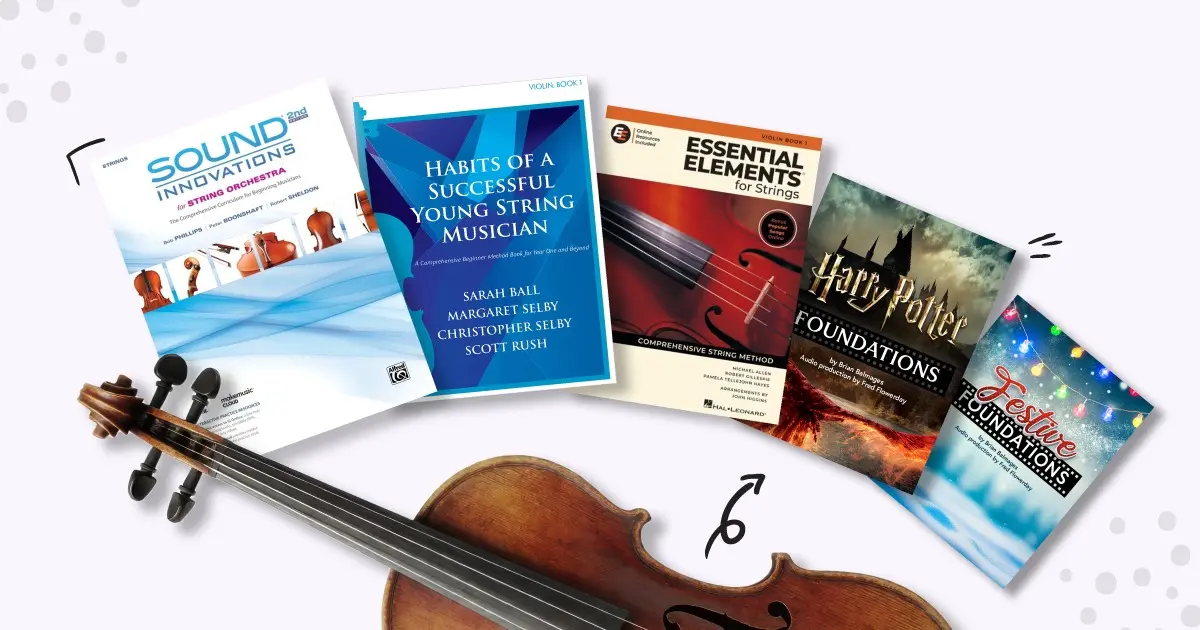
For generations, string method books were anchored strictly to physical print. Educators relied heavily on foundational texts such as Essential Elements for Strings, Sound Innovations, or String Basics. While these books established robust pedagogical scopes and sequences, they suffered from inherent limitations:
- Rigidity: If a specific book touched on a technique—such as intermediate shifting or advanced bowing patterns—only briefly, teachers had to manually write supplementary exercises on the board or photocopy pages from alternate methods.
- Lack of Engagement: Traditional practice at home often felt isolated and monotonous for young musicians, leading to lower retention and reduced practice time outside of school hours.
- Edition Discrepancies: As publishers updated popular texts to second or third editions, classrooms frequently became fragmented. Students with older hand-me-down books stared at entirely different page numbers and measure counts than those with the latest print runs, resulting in the dreaded classroom refrain: "Wait, which exercise are we on?"
The Digital Integration Phase: Interactive Practice and Screen-to-Page Alignment
As educational technology matured, platforms like MakeMusic bridged the gap between printed notation and digital interaction. Publishers recognized that what students saw on the physical page needed to seamlessly match what was displayed on a computer or tablet screen.
To resolve classroom confusion caused by generational textbook hand-downs, publishers introduced free digital inserts and cross-compatibility guides. For instance, teachers using older editions of Sound Innovations for String Orchestra, Book 1 gained access to downloadable inserts aligning older prints with modern interactive editions. This eliminated classroom friction, ensuring that every student—regardless of the book’s publishing year—tracked the exact same exercises on screen.
The Modern Curation Era: Playlists, Custom Units, and Multi-Method Synergy
Today, the paradigm has shifted from passive digitization to active curriculum curation. Modern orchestra directors are no longer passive consumers of a single method book; they are architects of customized learning paths.
By utilizing cloud-based assignment platforms, teachers can pull foundational bowing drills from String Basics, tone-building exercises from Habits of a Successful Young String Musician, and cinematic warm-ups from The Foundations Series, combining them into unified digital Playlists. This chronological shift from linear, book-bound teaching to modular, concept-driven instruction represents a monumental leap forward in music education efficiency.
Supporting Context & Metrics: The Science of Student Engagement and Practice
Pedagogical resources are only as effective as their ability to foster student participation. One of the most persistent hurdles for string educators is inspiring students to pick up their instruments outside of the classroom. Traditional repetitive etudes, while vital for muscle memory, often fail to spark the intrinsic motivation required for sustained daily practice.
The Metrics of Motivation: The Foundations Series Impact
A striking example of modern pedagogical innovation is The Foundations Series by renowned composer and educator Brian Balmages, produced in collaboration with Fred Flowerday. Designed specifically to pair fundamental technical exercises with epic, cinematic accompaniments, this series reimagines the warm-up routine.
Internal metrics and classroom case studies reveal a remarkable behavioral shift among students utilizing these resources:
- Doubled Practice Times: Students utilizing The Foundations Series consistently demonstrate twice the practice time compared to those engaging exclusively with traditional, unaccompanied etudes.
- Cinematic Immersion: By replacing metronome clicks and dry drone pitches with rich, orchestrated backing tracks, students feel as though they are performing inside a movie score. This psychological shift transforms a tedious chore into an engaging, high-energy experience.
- Classroom Reinforcement: Beyond home practice, educators have found these resources invaluable during high-stress instructional windows—such as Friday afternoon rehearsals—where gamification, celebration, and structured engagement help maintain focus and morale.
Multi-Method Synergy: Why Repetition Requires Variety
Cognitive science suggests that mastery of a physical skill often requires encountering the same concept through multiple lenses. When string educators coordinate multiple method books simultaneously, students benefit from a multi-faceted approach to learning.
Consider a section of violas struggling with a complex crossing-string bowing pattern. If a primary text introduces the pattern in a single exercise before moving on, struggling students may fall behind. However, if a teacher pulls parallel exercises addressing the exact same bowing technique from two or three different trusted methods—such as Sound Innovations, String Basics, and Orchestra Expressions—the student encounters the skill anew.
This slight variation in presentation, visual layout, and musical context is frequently the catalyst for a student’s breakthrough moment—where a difficult technique finally "clicks."
Official Guidelines and Best Practices from Master Educators
To maximize the vast array of resources available on platforms like MakeMusic, master educators recommend structured implementation strategies. Rather than overwhelming students with a chaotic flood of conflicting materials, successful orchestra directors follow standardized curation frameworks.
1. Curating by Concept, Not by Book
The traditional approach required classes to march sequentially through a single textbook from cover to cover. Modern best practices encourage educators to organize digital Playlists and assignments around specific musical concepts (e.g., shifting, low-second finger patterns, detached spiccato) rather than publishing boundaries.
- Example Scenario: A second-year violin class is ready to explore introductory shifting. While the primary curriculum touches on the shift only briefly, the instructor can curate a custom digital unit:
- Extract foundational shifting exercises from Sound Innovations for String Orchestra, Book 2.
- Add a reinforcing drill from Habits of a Successful Young String Musician.
- Include a cinematic shifting etude from The Foundations Series for motivation.
- Package these elements into a single digital Playlist and pin it directly to the class portal.
By organizing materials this way, teachers build bespoke instructional units in minutes, avoiding hours of weekend lesson-planning and manual score drafting.
2. Differentiating by Instrument Family
String orchestras are inherently diverse, comprising instruments with vastly different physical ergonomics, clefs, and technical hurdles. Cellos and basses navigate thumb position and extended shifts, while violins and violas grapple with upper-register intonation and distinct bow-arm angles.
MakeMusic allows educators to build separate, targeted Playlists tailored specifically to individual instrument sections. A bass section can receive specialized low-register intonation drills while violins tackle advanced upper-position exercises simultaneously, ensuring that every student receives differentiated instruction appropriate to their specific instrument’s demands.
3. Expanding Horizons with Sight-Reading Generators
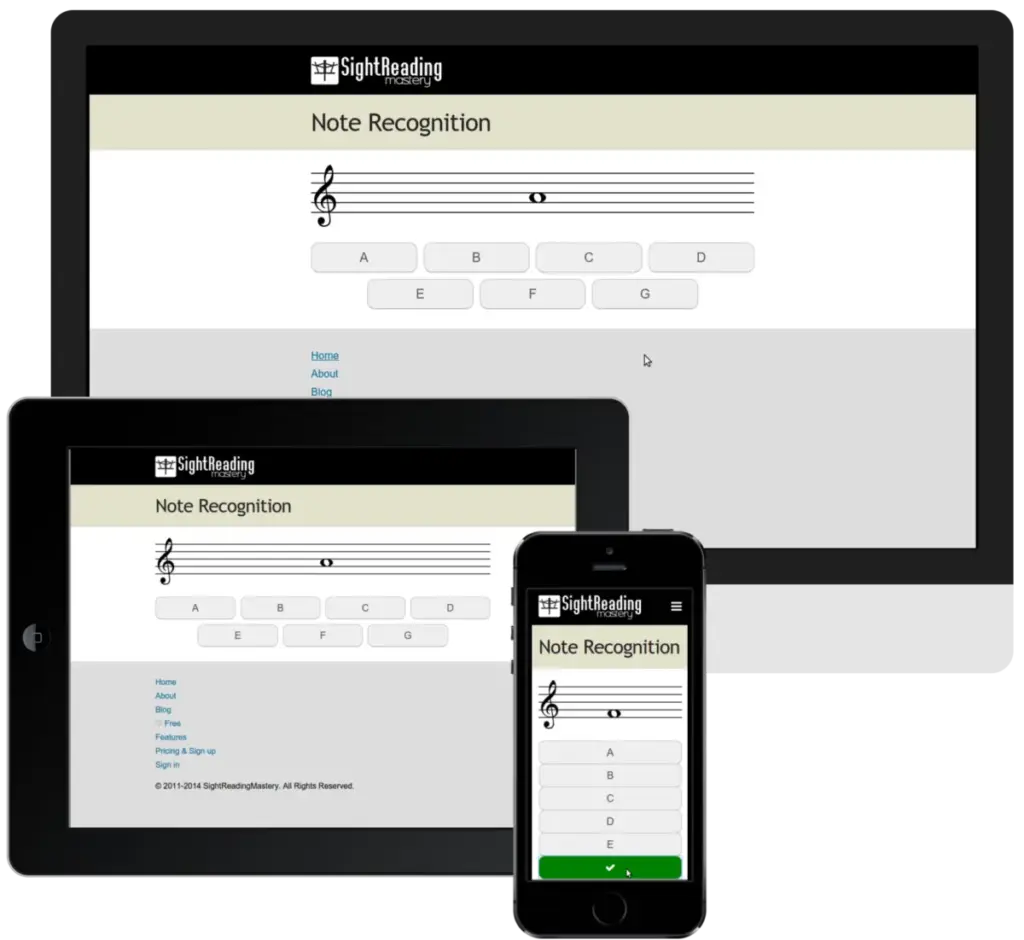
Sight-reading is a cornerstone of comprehensive musicianship, yet finding fresh, appropriately leveled sight-reading material week after week is notoriously difficult. While Sight Reading Studio provides a robust baseline, specialized generators directly correlated to major method books offer unmatched continuity.
Instruments-specific tools such as the Habits of a Successful Young String Musician Sight Reading Generator and the Sound Innovations String Orchestra Book 1 (Second Edition) Sight Reading Generator generate endless variations of sight-reading exercises tied directly to the exact pedagogical milestones students are learning in class. Because the templates mirror the vocabulary of the main method book, students can practice sight-reading continuously without exhausting their material or encountering premature technical roadblocks.
Future Outlook: The Next Horizon in String Education Technology
As we look toward the future of music education, the integration of cloud-based platforms, adaptive learning algorithms, and comprehensive resource libraries will only deepen. The days of siloed, inflexible curricula are rapidly drawing to a close.
Efficiency and Archival Continuity
One of the most profound benefits of digital curriculum building is sustainability. Playlists, custom folders, and favorite selections stored within an educator’s MakeMusic account persist year after year.
As a teacher’s career evolves, their digital archives grow alongside them. Educators can refine, update, and tweak their custom units annually, sparing themselves the repetition of reinventing the wheel each fall semester. This archival efficiency frees up mental and emotional energy, allowing teachers to focus on what matters most: human connection, musical interpretation, and inspiring the next generation of orchestral musicians.
Empowering the Modern Educator
Ultimately, technology should never replace the intuitive eye and empathetic ear of a passionate orchestra director. Platforms like MakeMusic are designed to serve as force multipliers—relieving the administrative and logistical burdens of hunting down materials so teachers can lean into their core expertise.
By combining trusted classical methods, innovative cinematic practice tools, and dynamic sight-reading generators, educators are equipped to meet every student at their precise level of need.
For directors ready to streamline their planning and supercharge their students’ engagement, exploring these integrated string methods and practice tools offers an immediate path forward. To begin building custom curricula and transforming your orchestra’s rehearsal
experience, visit MakeMusic to log in or start a free trial today.